Bigleaf Hydrangea (Hydrangea macrophylla ‘David Ramsey’) Care Guide
Bigleaf hydrangea, known by its scientific name Hydrangea macrophylla ‘David Ramsey’, is a stunning flowering shrub that captivates with its large, showy blooms and lush green foliage. As a plant scientist with a passion for horticulture, I’m excited to share this comprehensive care guide for the glorious bigleaf hydrangea.
In this guide, we will delve into the various aspects associated with the cultivation and maintenance of this mesmerizing plant, from cultural requirements to common diseases and pests. By the end of this article, you will be equipped with a wealth of knowledge to successfully care for and nurture your own bigleaf hydrangea.
What is Bigleaf Hydrangea (Hydrangea macrophylla ‘David Ramsey’)?
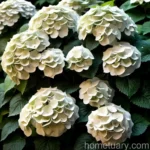
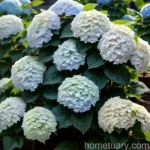
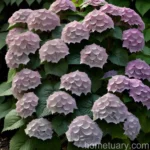
Bigleaf hydrangea, scientifically known as Hydrangea macrophylla, is a deciduous shrub that belongs to the Hydrangeaceae family. The cultivar ‘David Ramsey’ is renowned for its stunning mophead flowers, which can range in color from vibrant pinks to captivating blues, depending on the soil pH.
Key Takeaways – Bigleaf Hydrangea (Hydrangea macrophylla ‘David Ramsey’)
Here are the key takeaways that we will cover in this comprehensive guide:
- Culture
- Uses
- Water
- Sunlight
- Fertilizer
- Soil
- Pruning
- Propagation
- Container
- Popularity
- Common Diseases
- Disease Diagnosis
- Common Pests
- Botanist’s Tips
- Fun Facts
- Links to External Resources
Now, let’s explore each of these aspects to gain a deeper understanding of how to care for the bigleaf hydrangea.
1. Culture
Culturally, bigleaf hydrangeas have been adored for centuries due to their enchanting blooms and adaptability to diverse gardening styles. In terms of culture, it’s important to understand the best practices for optimizing the growth and overall health of the plant. Let’s delve into some key cultural considerations:
- Climate Preferences: Bigleaf hydrangeas thrive in temperate climates, making them well-suited for USDA hardiness zones 5 to 9. These plants appreciate mild temperatures and are more sensitive to extreme cold or heat.
- Seasonal Care: Understanding the seasonal care requirements is essential for ensuring the plant’s vitality. From proper winter protection to optimizing growing conditions in spring and summer, each season brings its own set of care needs.
2. Uses
Bigleaf hydrangeas are versatile plants that can serve various purposes in the garden and beyond. Here are some common uses for this captivating species:
- Garden Ornamental: The lush foliage and magnificent blooms make bigleaf hydrangeas a popular choice for adding ornamental appeal to gardens, whether in borders, as specimen plants, or in mixed plantings.
- Cut Flowers: The large, colorful blooms of bigleaf hydrangeas make them ideal for creating stunning floral arrangements, adding a touch of elegance to indoor spaces.
- Landscape Design: These hydrangeas can be used to enhance landscape designs, offering a vibrant, eye-catching display when strategically placed in garden beds or as part of a hedgerow.
3. Water
Watering is a crucial aspect of bigleaf hydrangea care, as these plants have specific moisture requirements for optimal growth and flowering. Here are some key considerations regarding watering:
- Watering Guide: Bigleaf hydrangeas prefer consistently moist, well-draining soil. While they don’t tolerate waterlogged conditions, they also show signs of stress when soil dries out completely.
- Water Retention: Understanding the water retention capabilities of the soil in which the hydrangeas are planted is essential for maintaining the appropriate moisture levels.
4. Sunlight
Proper sunlight exposure plays a significant role in the growth, bloom production, and overall health of bigleaf hydrangeas. Let’s explore their sunlight requirements:
- Sun and Shade Requirements: Bigleaf hydrangeas thrive in partial shade, especially in regions with hot afternoon sun. Providing dappled sunlight or morning sun with afternoon shade is ideal for optimizing their growth and flowering.
5. Fertilizer
Fertilizing your bigleaf hydrangeas is essential for providing them with the nutrients necessary for healthy growth and abundant blooms. Consider the following when it comes to fertilization:
- Feeding and Fertilizing: Using a balanced, slow-release fertilizer in spring can support robust growth and flowering. Additionally, amending the soil with organic matter can further enrich the nutrient content.
6. Soil
The soil in which bigleaf hydrangeas are planted has a significant impact on their overall health, vigor, and flower color. Here’s what you need to know about the soil requirements for these plants:
- Soil pH Requirements: The pH of the soil directly influences the flower color of bigleaf hydrangeas. Acidic soils with a lower pH (around 5.5) tend to produce blue flowers, while alkaline soils with a higher pH (around 6.0 to 6.2) result in pink blooms.
- Best Soil for Bigleaf Hydrangeas: Well-draining, loamy soils with rich organic matter content are ideal for these plants. Ensuring good soil structure and fertility is essential for their long-term health.
7. Pruning
Pruning plays a crucial role in shaping the growth habit, promoting flowering, and maintaining the overall form of bigleaf hydrangeas. Here are some key considerations for pruning:
- Pruning Techniques: Understanding the proper pruning techniques is important for ensuring healthy, vigorous growth and maximizing flower production.
- Pruning Calendar: Following a pruning calendar based on the specific growth habits and flowering patterns of bigleaf hydrangeas is essential for achieving desired results.
8. Propagation
The propagation of bigleaf hydrangeas allows for the expansion of their presence in the garden or landscape. Here’s what you need to know about propagating these captivating plants:
- Propagation Methods: Bigleaf hydrangeas can be propagated from cuttings, making it possible to create new plants with characteristics similar to the parent plant in a cost-effective manner.
9. Container
Growing bigleaf hydrangeas in containers provides an opportunity to enjoy their beauty in various outdoor and indoor settings. Here’s what you need to know about growing these plants in containers:
- Container Gardening Tips: Selecting the right container size and ensuring proper drainage are essential for successfully growing bigleaf hydrangeas in containers.
10. Popularity
Due to their captivating blooms and ornamental appeal, bigleaf hydrangeas, including the cultivar ‘David Ramsey’, have gained significant popularity among gardeners and horticultural enthusiasts. Their versatility in various plantings and decorative arrangements further contributes to their widespread appeal.
11. Common Diseases
Despite being relatively low-maintenance, bigleaf hydrangeas are susceptible to certain diseases that can impact their health and vigor. Common diseases that affect these plants include:
- Powdery Mildew: A fungal disease that often appears as a powdery white substance on the leaves, affecting the overall appearance of the plant.
- Botrytis Blight: This fungal disease can cause brown spots on the leaves and flowers, leading to plant decline if not addressed promptly.
12. Disease Diagnosis
Early detection and proper diagnosis of diseases are crucial for implementing effective treatment and management strategies. Understanding the symptoms and signs of common diseases is essential for accurate diagnosis and timely intervention.
13. Common Pests
Bigleaf hydrangeas can also fall victim to various pests that can compromise their health and appearance. Common pests that may affect these plants include:
- Aphids: These small, soft-bodied insects can cluster on new growth, causing damage by feeding on plant sap and secreting honeydew.
- Spider Mites: These pests are known for causing stippling on leaves and creating fine webbing, impacting the overall health of the plant.
14. Botanist’s Tips
As a plant scientist passionate about nurturing and studying plant life, I can offer some valuable tips for cultivating and caring for bigleaf hydrangeas. These tips are based on scientific knowledge and practical experience with these captivating plants.
- Balancing Soil Moisture: Maintaining consistent soil moisture, avoiding waterlogged conditions, and preventing drought stress are essential for the health and well-being of bigleaf hydrangeas.
- Understanding Growth Habits: Being attentive to the natural growth habits and traits of bigleaf hydrangeas can inform proper care practices, such as pruning and shaping the plants for optimal aesthetics and health.
15. Fun Facts
To further appreciate the beauty and allure of bigleaf hydrangeas, let’s explore some fun and intriguing facts about these enchanting plants:
- Color-Changing Blooms: The flower color of bigleaf hydrangeas can be altered by modifying the soil pH, resulting in captivating displays of blue, pink, or even purple blooms.
- Fragrance: Some cultivars of bigleaf hydrangeas exhibit delightful fragrances, adding an olfactory dimension to their overall appeal.
Links to External Resources
To continue exploring and expanding your knowledge of bigleaf hydrangea care, I recommend the following external resources:
- American Hydrangea Society: https://www.americanhydrangeasociety.org/
- The Royal Horticultural Society: https://www.rhs.org.uk/
- University Extension Services: Search for specific university extension services that provide detailed plant care information and resources for your region.
In conclusion, the bigleaf hydrangea, particularly the cultivar ‘David Ramsey’, is a captivating plant that enriches gardens and landscapes with its stunning blooms and ornamental foliage. By understanding and implementing the care practices discussed in this guide, you can nurture healthy, vibrant bigleaf hydrangeas that showcase their enchanting beauty year after year.
I hope this comprehensive care guide serves as a valuable resource for your journey in cultivating and caring for the mesmerizing bigleaf hydrangea. Happy gardening!