All About the Big-Leaved Rhododendron (Rhododendron ‘Cynthia’)
What is a Plant?
Plants are living organisms that belong to the kingdom Plantae. They are multicellular, eukaryotic organisms characterized by the presence of cell walls and the ability to carry out photosynthesis, a process that converts light energy into chemical energy stored in the form of glucose. Plants play a crucial role in the ecosystems, providing oxygen, food, and habitat for various organisms. Additionally, they contribute to the aesthetic beauty of our surroundings.
Big-Leaved Rhododendron (Rhododendron ‘Cynthia’)
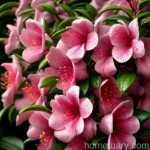
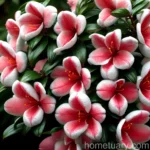
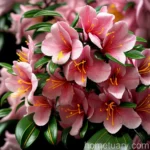
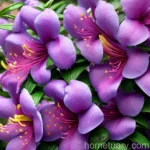
The big-leaved rhododendron, scientifically known as Rhododendron ‘Cynthia’, is a captivating and versatile plant that has become a favorite in horticulture. The plant belongs to the genus Rhododendron, which includes numerous species known for their showy flowers and diverse foliage. ‘Cynthia’ is a specific hybrid variety renowned for its large, glossy leaves and stunning blooms.
Key Takeaways
Let’s dive into the specific aspects of the big-leaved rhododendron, covering its culture, uses, water requirements, sunlight preferences, fertilizer needs, soil considerations, pruning techniques, propagation methods, container cultivation, common diseases, pest management, botanist’s tips, fun facts, and references to external resources.
Culture
Uses
The big-leaved rhododendron has multiple uses, including:
- Ornamental purposes in gardens, parks, and landscapes
- Enhancement of visual appeal through its large, glossy leaves
- Providing habitat for wildlife, especially birds and insects
Water
Proper watering is crucial for the health and growth of the big-leaved rhododendron. It is essential to maintain consistent soil moisture without overwatering. Mulching can help in retaining soil moisture and reducing water evaporation.
Sunlight
The big-leaved rhododendron thrives in partial shade to filtered sunlight conditions. It prefers locations with dappled sunlight or areas with morning sun and afternoon shade.
Fertilizer
Fertilization is necessary to ensure optimal growth and flowering of the big-leaved rhododendron. Acidic fertilizers formulated for rhododendrons and azaleas are recommended to support the plant’s nutrient requirements.
Soil
The plant thrives in well-draining, acidic soils with a pH range of 5.0 to 6.0. Amending the soil with organic matter such as pine bark mulch or compost can improve its texture and acidity.
Pruning
Pruning is essential for shaping and maintaining the big-leaved rhododendron’s appearance. It should be done after the plant finishes flowering to avoid cutting off potential blooms. Proper pruning techniques can promote air circulation and new growth.
Propagation
The big-leaved rhododendron can be propagated through methods such as layering, cuttings, and grafting. These techniques allow for the production of new plants with the same desirable characteristics as the parent plant.
Container Popularity
The big-leaved rhododendron is a popular choice for container gardening due to its attractive foliage and vibrant blooms. Cultivating the plant in containers offers flexibility in placement and allows for easy mobility.
Container Common Diseases
Disease diagnosis is crucial for maintaining the health of the big-leaved rhododendron when grown in containers. Common diseases that may affect container-grown rhododendrons include:
- Phytophthora root rot
- Botrytis blight
- Powdery mildew
Common Pests
When grown in containers, the big-leaved rhododendron may face pest infestations such as:
- Lace bugs
- Spider mites
- Weevils
Botanist’s Tips
To keep container-grown big-leaved rhododendrons healthy and thriving, follow these botanist’s tips:
- Select appropriate container sizes for adequate root growth
- Use well-draining potting mix designed for acid-loving plants
- Monitor moisture levels to prevent waterlogged or overly dry conditions
Fun Facts
- The big-leaved rhododendron is native to the Himalayas, where it thrives in the cool, moist climate of high altitudes.
- Its large, dark green leaves provide an attractive contrast and serve as a standout feature in garden landscapes.
Links to External Resources
For further information on the big-leaved rhododendron, consider exploring the following external resources:
– American Rhododendron Society
– The Royal Horticultural Society
– University Cooperative Extension Services
– Gardening Forums and Communities
This comprehensive guide covers various aspects of the big-leaved rhododendron, providing valuable insights into its culture, maintenance, and horticultural significance. Whether you are a gardening enthusiast, landscape designer, or a nature lover, the big-leaved rhododendron holds the potential to enhance your outdoor spaces with its striking beauty and resilience.
References
- Krüssmann, Gerd. 1981. Manual of Cultivated Broad-Leaved Trees and Shrubs . Translated by John M. Bacher. Portland OR: Timber Press. p. 100.
- “Epidemiological Study of Japanese Gardeners with Rhododendron Blood disorder”. Eiji Est, Makoto Miyama, Kazuaki Inoue, Duane Schwartz. 1993. Environmental Health and Preventive Medicine. 35. pp. 71–76.