Betula ‘White Satin’ (Birch): A Comprehensive Guide to Care and Cultivation
Introduction to Betula ‘White Satin’ (Birch)
Betula ‘White Satin’ (Birch) is a stunning deciduous tree that belongs to the Betulaceae family, renowned for its attractive and delicate appearance. With its smooth, cream-colored bark and graceful pendulous branches, the ‘White Satin’ Birch is a highly sought-after tree in the landscaping and gardening world. It is a perfect ornamental addition to gardens, parks, and urban landscapes, adding elegance and sophistication to any setting.
In this comprehensive guide, we will delve into the various aspects of caring for and cultivating Betula ‘White Satin’ (Birch), including its cultural requirements, uses, maintenance, and propagation. Whether you are a seasoned gardener looking to enhance your landscape with this beauty or a beginner eager to learn about plant care, this guide will provide valuable insights into the world of Betula ‘White Satin’ (Birch).
Key Takeaways – Betula ‘White Satin’ (Birch)
Before delving into the detailed aspects of caring for Betula ‘White Satin’ (Birch), let’s take a quick look at some key takeaways that will be covered in this comprehensive guide:
- Culture: Understanding the cultural needs of Betula ‘White Satin’ (Birch) is essential for its successful growth and development.
- Uses: Explore the various ways in which Betula ‘White Satin’ (Birch) can be used in landscaping and gardening.
- Water: Learn about the watering requirements that are crucial for maintaining the health and vigor of Betula ‘White Satin’ (Birch).
- Sunlight: Discover the optimal sunlight conditions necessary for the thriving growth of Betula ‘White Satin’ (Birch).
- Fertilizer: Explore the role of fertilizers in supporting the growth and overall well-being of Betula ‘White Satin’ (Birch).
- Soil: Understanding the soil preferences of Betula ‘White Satin’ (Birch) is essential for creating an ideal growing environment.
- Pruning: Learn about the pruning techniques and practices that contribute to the proper shaping and maintenance of Betula ‘White Satin’ (Birch).
- Propagation: Gain insights into the methods of propagating Betula ‘White Satin’ (Birch) to expand your garden’s beauty.
- Container Popularity: Discover the potential of growing Betula ‘White Satin’ (Birch) in containers, adding versatility to its cultivation.
- Common Diseases: Identify the common diseases that may affect Betula ‘White Satin’ (Birch) and learn about effective diagnosis and management.
- Common Pests: Explore the pests that are known to pose a threat to the health of Betula ‘White Satin’ (Birch) and methods of pest control.
- Botanist’s Tips: Benefit from expert tips and recommendations for successfully nurturing Betula ‘White Satin’ (Birch).
- Fun Facts: Uncover interesting and lesser-known facts about Betula ‘White Satin’ (Birch) that add a touch of fascination to its allure.
Now, let’s embark on an enlightening journey into the world of Betula ‘White Satin’ (Birch) and gain a deeper understanding of its care and cultivation.
What is Betula ‘White Satin’ (Birch)?
Plant Description
Betula ‘White Satin’ (Birch), scientifically known as Betula populifolia ‘Whitesatin’, is an enchanting deciduous tree renowned for its striking appearance and remarkable ornamental value. The ‘White Satin’ Birch belongs to the Betulaceae family and is a cultivar of the Gray Birch. It is known for its unique, cream-colored bark that remains smooth and lustrous even as the tree matures, adding a touch of elegance and sophistication to any landscape.
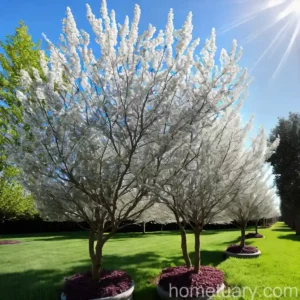
The ‘White Satin’ Birch typically grows to a height of 20-30 feet with a spread of 15-20 feet, forming an upright, pyramidal shape as it matures. Its foliage consists of diamond-shaped, deep green leaves that turn a vibrant yellow in the fall, creating a beautiful spectacle of seasonal color. The slender, pendulous branches of the ‘White Satin’ Birch gracefully sway in the breeze, lending it an ethereal and poetic charm, particularly in the landscape setting.
Environmental Adaptability
Betula ‘White Satin’ (Birch) thrives in temperate climates and is best suited for growing in USDA hardiness zones 3-7. It excels in well-drained soils and is relatively adaptable to various soil types, including loamy, sandy, or clay soils. The tree flourishes in moist, slightly acidic to neutral soil conditions, making it a perfect choice for landscapes with adequate moisture.
With its unrivaled ornamental appeal and adaptability to different growing conditions, Betula ‘White Satin’ (Birch) is a popular choice for both residential and commercial landscapes, adding a touch of natural beauty and elegance to outdoor spaces.
Betula ‘White Satin’ (Birch) Cultural Requirements
Water
Proper watering is crucial for the health and vitality of Betula ‘White Satin’ (Birch). While the tree has good drought tolerance once established, it thrives best in consistently moist soil, especially during its early years of growth. Adequate watering is essential for promoting healthy root development and ensuring the tree’s overall vigor.
Watering Needs for Betula ‘White Satin’ (Birch):
-
Young Trees: Newly planted or young Betula ‘White Satin’ (Birch) trees should be watered regularly, especially during the first two years after planting. Deep, thorough watering is preferred to encourage deep root growth and resilience in drought conditions.
-
Established Trees: Once the tree is well-established, it requires less frequent watering. However, during periods of prolonged drought or in sandy soil, supplemental watering may be necessary to maintain soil moisture and prevent stress.
-
Moisture Requirements: Betula ‘White Satin’ (Birch) prefers moderately moist soil, particularly in the growing season. While it is adaptable to various soil types, ensuring consistent moisture levels is essential for promoting optimal growth and foliage health.
Sunlight
Betula ‘White Satin’ (Birch) thrives in well-lit areas with ample sunlight exposure. It is considered a sun-loving tree, and its growth and foliage development are significantly enhanced when provided with full to partial sunlight. Adequate sunlight is essential for promoting strong, healthy growth and ensuring the tree’s ability to display its characteristic beauty.
Sun Requirements for Betula ‘White Satin’ (Birch):
-
Optimal Sunlight Conditions: Plant Betula ‘White Satin’ (Birch) in locations that receive full to partial sunlight, ideally at least 6-8 hours of direct sunlight per day. This ensures the tree’s photosynthetic efficiency and promotes lush, vibrant foliage.
-
Shade Tolerance: While Betula ‘White Satin’ (Birch) thrives in sunlight, it also exhibits a degree of shade tolerance. However, it is essential to provide it with adequate sunlight to support robust growth and prevent issues related to inadequate light exposure.
Fertilizer
Fertilizing Betula ‘White Satin’ (Birch) is beneficial for supplying essential nutrients that promote healthy growth and foliage development. A well-balanced fertilizer applied at the appropriate times can contribute to the overall well-being of the tree and enhance its ornamental appeal.
Fertilizing Betula ‘White Satin’ (Birch):
-
Timing: Apply a slow-release or granular fertilizer in early spring before new growth begins. This provides the tree with essential nutrients as it enters the active growing season.
-
Fertilizer Composition: Use a balanced, all-purpose fertilizer with an N-P-K ratio of 10-10-10 or similar. This provides a comprehensive blend of nitrogen, phosphorus, and potassium, supporting the tree’s overall nutrition and growth.
-
Application Method: Spread the fertilizer evenly under the tree’s canopy, ensuring that it is distributed over the root zone. Water the area thoroughly after application to promote absorption.
-
Frequency: Fertilize Betula ‘White Satin’ (Birch) once a year in spring, avoiding excessive or frequent applications that can lead to nutrient imbalances.
Soil
Understanding the soil preferences of Betula ‘White Satin’ (Birch) is crucial for creating an optimal growing environment that supports the tree’s health and vitality. While the tree is relatively adaptable to different soil types, certain soil conditions enhance its growth and overall performance.
Best Soil for Betula ‘White Satin’ (Birch):
-
Moisture and Drainage: Betula ‘White Satin’ (Birch) thrives in well-drained soil with consistent moisture. While it has good drought tolerance, maintaining moist soil conditions is essential for its optimal growth.
-
Soil pH: The tree prefers slightly acidic to neutral soil with a pH range of 5.5-7.0. The presence of organic matter in the soil further enhances its fertility and supports the tree’s nutritional needs.
-
Soil Texture: Betula ‘White Satin’ (Birch) can adapt to various soil textures, including loamy, sandy, or clay soils. It is essential to ensure good soil structure and aeration to promote healthy root development.
Pruning
Pruning techniques play a vital role in shaping the growth of Betula ‘White Satin’ (Birch) and maintaining its structural integrity. Proper pruning practices contribute to the tree’s overall health, aesthetics, and longevity, making it an essential aspect of its maintenance.
Pruning Techniques for Betula ‘White Satin’ (Birch):
-
Season: Begin pruning Betula ‘White Satin’ (Birch) during the dormant season in late winter to early spring. This is the ideal time to perform major structural pruning and remove any dead, damaged, or diseased branches.
-
Sanitation: Regularly inspect the tree for dead or diseased branches and promptly remove them to prevent the spread of pests and diseases.
-
Thinning: Use thinning cuts to selectively remove crowded or crossing branches, promoting better air circulation and light penetration within the canopy.
-
Formative Pruning: When the tree is young, conduct formative pruning to establish a well-balanced structure and encourage proper branch spacing.
-
Caution: Avoid over-pruning Betula ‘White Satin’ (Birch) to prevent stress and maintain the tree’s natural form and elegance.
Propagation
Propagating Betula ‘White Satin’ (Birch) allows for the expansion of its beauty and enables gardeners to cultivate new trees from existing specimens. Several methods can be employed for successful propagation, offering opportunities to multiply the presence of this magnificent tree in various landscapes.
Propagating Betula ‘White Satin’ (Birch):
-
Seed Propagation: Collect mature seeds from Betula ‘White Satin’ (Birch) in the fall and sow them in containers or prepared seedbeds. Germination typically occurs in spring, and the seedlings can be transplanted once they are robust enough.
-
Cutting Propagation: Take softwood or hardwood cuttings from healthy branches and root them in a suitable growing medium. This method allows for the production of genetically identical clones of the parent tree.
-
Grafting: Use grafting techniques to combine the desired traits of Betula ‘White Satin’ (Birch) with a compatible rootstock, promoting the growth of a new tree with specific characteristics.
By utilizing effective propagation methods, gardeners can increase the presence of Betula ‘White Satin’ (Birch) in gardens, parks, and other outdoor settings, amplifying its visual appeal and natural charm.
Container Popularity
Betula ‘White Satin’ (Birch) is known for its versatility and adaptability to container cultivation, making it a popular choice for gardeners and landscapers seeking to integrate its beauty in smaller spaces, patios, or urban environments.
Container Cultivation:
-
Selection of Containers: Choose large, sturdy containers with ample drainage holes to accommodate the tree’s root system and promote healthy growth.
-
Potting Mix: Use a well-draining potting mix that retains moisture while providing good aeration for the roots.
-
Watering and Maintenance: Regularly water the tree to keep the soil evenly moist, and monitor its growth to ensure that it does not become root-bound in the container.
-
Sunlight Requirements: Place the container in a location that receives full to partial sunlight, catering to the tree’s optimal growth conditions.
-
Growth Control: Container cultivation allows for the management of the tree’s size and shape, making it an ideal choice for compact or restricted spaces.
Integrating Betula ‘White Satin’ (Birch) in containers extends its presence to diverse settings, offering a touch of natural elegance and beauty in urban and confined environments.
Uses of Betula ‘White Satin’ (Birch)
Landscape Ornamentation
Betula ‘White Satin’ (Birch) is primarily valued for its ornamental qualities, making it a popular choice for landscape ornamentation in various settings. Whether used as a standalone specimen, grouped in clusters, or incorporated into mixed borders, the tree adds a touch of visual charm and natural elegance to outdoor spaces.
Landscape Uses:
-
Specimen Tree: The graceful form and delicate appearance of Betula ‘White Satin’ (Birch) make it an ideal specimen tree, drawing attention and creating focal points in gardens and landscapes.
-
Group Planting: Planting multiple ‘White Satin’ Birch trees in clusters or rows creates a dramatic display of its ethereal beauty, enhancing the visual appeal of residential or commercial landscapes.
-
Mixed Borders: Incorporate Betula ‘White Satin’ (Birch) into mixed borders or woodland gardens to add a layer of texture, color, and seasonal interest.
-
Urban Landscapes: The adaptability of Betula ‘White Satin’ (Birch) to urban environments makes it a favored choice for adding natural beauty and softening the hardscapes of cities and built environments.
Shade and Screening
The graceful canopy and foliage of Betula ‘White Satin’ (Birch) provide excellent shade and screening benefits, making it a valuable addition to outdoor spaces where protection from the sun or visual privacy is desired.
Shade and Screening:
-
Shade Tree: Plant Betula ‘White Satin’ (Birch) in locations where shade is desirable, such as near patios, outdoor seating areas, or other spaces where relief from the sun’s intensity is needed.
-
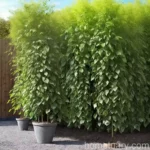
Privacy Screen: Utilize the dense foliage of Betula ‘White Satin’ (Birch) to create natural privacy screens or windbreaks, offering seclusion and visual separation in outdoor settings.
Wildlife Habitat
Betula ‘White Satin’ (Birch) contributes to the creation of wildlife habitats, attracting birds and other wildlife with its shelter and food sources. It enhances the ecological richness of outdoor environments, fostering a harmonious coexistence with nature.
Wildlife Attraction:
-
Bird Habitat: The pendulous branches and foliage provide nesting sites and shelter for birds, attracting avian visitors to the landscape.
-
Support for Wildlife: Betula ‘White Satin’ (Birch) offers foraging opportunities for wildlife, contributing to the sustenance and well-being of various animals.
-
Ecosystem Enrichment: By creating a favorable habitat for wildlife, Betula ‘White Satin’ (Birch) enriches the ecological balance of outdoor environments.
Aesthetic and Fragrant Appeal
The ‘White Satin’ Birch adds an aesthetic and fragrant appeal to outdoor settings, captivating the senses and infusing outdoor spaces with its visual and olfactory allure.
Aesthetic Appeal:
-
Visual Elegance: The elegant form, creamy bark, and seasonal color changes of Betula ‘White Satin’ (Birch) captivate the eye and enhance the beauty of landscapes.
-
Fragrant Qualities: Enjoy the subtle fragrance emitted by the foliage and bark of Betula ‘White Satin’ (Birch), adding a delightful sensory dimension to outdoor environments.
Common Diseases and Pests of Betula ‘White Satin’ (Birch)
Disease Resistance
Betula ‘White Satin’ (Birch) exhibits good disease resistance under favorable growing conditions, but there are certain diseases that may pose a threat to its health. Understanding the common diseases and implementing preventive measures are essential for maintaining the tree’s vigor and longevity.
Disease-Resistant Varieties:
-
Anthracnose: Betula ‘White Satin’ (Birch) may be susceptible to anthracnose, a fungal disease that affects the foliage, causing spotting and premature defoliation. Selecting disease-resistant cultivars can help mitigate the impact of anthracnose.
-
Leaf Spot: Certain fungal pathogens can cause leaf spot on Betula ‘White Satin’ (Birch), leading to the development of unsightly lesions on the foliage. Choosing disease-resistant varieties contributes to the tree’s resilience against leaf spot.
-
Root Rots: In poorly drained or waterlogged soils, Betula ‘White Satin’ (Birch) may be vulnerable to root rots caused by various soil-borne pathogens. Cultivating the tree in well-drained soil reduces the risk of root rot diseases.
Diseased Diagnosis
Botanist’s Tips for Betula ‘White Satin’ (Birch) Care
As a plant scientist specializing in tree care and cultivation, I have compiled a set of valuable tips and recommendations for the successful care and maintenance of Betula ‘White Satin’ (Birch). These botanist’s tips offer practical insights into optimizing the tree’s growth, health, and ornamental appeal, based on scientific understanding and horticultural expertise.
Botanist’s Tips:
- Soil Preparation: Prior to planting Betula ‘White Satin’ (Birch), ensure that the soil is well-prepared with organic matter and adequate drainage to provide an optimal growing environment.
- Mulching: Apply a layer of organic mulch around the base of the tree to conserve soil moisture, regulate soil temperature, and suppress weed growth.
- Watering Technique: When watering Betula ‘White Satin’ (Birch), focus on delivering deep, infrequent waterings to promote deep root establishment and drought resistance.
- Pruning Guidelines: Follow proper pruning techniques, avoiding excessive or aggressive pruning that can compromise the tree’s health and integrity.
- Observational Care: Regularly observe the foliage and overall health of Betula ‘White Satin’ (Birch) to detect any signs of stress, disease, or pest infestation early on.
- Integrated Pest Management: Employ integrated pest management strategies to address any pest issues while minimizing the use of chemical controls.
- Seasonal Maintenance: Adhere to seasonal maintenance practices, such as fertilization, pruning, and winter protection, to ensure the tree’s ongoing