Betula ‘Fascination’ (Birch): A Beautiful and Versatile Ornamental Tree
Introduction to Betula ‘Fascination’ (Birch)
The Betula ‘Fascination’, commonly known as the ‘Fascination’ Birch, is an exquisite and versatile ornamental tree that belongs to the Betulaceae family. This tree is highly favored for its striking appearance, featuring delicate green leaves and distinctive white bark. The Betula ‘Fascination’ is popular among gardeners and landscaping enthusiasts due to its aesthetic appeal and adaptability in various growing conditions.
Key Takeaways – Betula ‘Fascination’ (Birch)
Before delving further into the characteristics and care requirements of the Betula ‘Fascination’, here are the key takeaways that we will explore in detail:
- Plant Name: Betula ‘Fascination’ (Birch)
- Cultivation and Care: Understanding the cultural needs and care requirements.
- Uses: Exploring the versatile uses of Betula ‘Fascination’.
- Water Requirements: Investigating the optimal watering practices for this ornamental tree.
- Sunlight Needs: Understanding the sunlight preferences for healthy growth.
- Fertilizer Application: Guidelines for fertilizing the Betula ‘Fascination’.
- Soil Conditions: Examining the soil requirements for optimal growth.
- Pruning Tips: Understanding the best practices for pruning this ornamental tree.
- Propagation Methods: Exploring the different propagation techniques.
- Container Cultivation: Tips for growing Betula ‘Fascination’ in containers.
- Popularity and Landscape uses: Understanding the appeal of Betula ‘Fascination’ and its varied landscape applications.
- Common Diseases: Identifying and managing potential diseases.
- Common Pests: Recognizing and managing pest infestations.
- Botanist’s Tips: Expert recommendations for cultivating and maintaining Betula ‘Fascination’.
- Fun Facts: Intriguing and lesser-known facts about this ornamental tree.
- Links to External Resources: Further information and resources for Betula ‘Fascination’ enthusiasts.
Let’s embark on an insightful journey into the world of Betula ‘Fascination’ and unravel its enchanting attributes and cultivation guidelines.
What is the Betula ‘Fascination’ (Birch)?
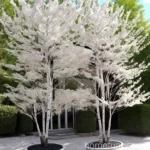
The Betula ‘Fascination’ is a visually captivating deciduous tree, renowned for its extraordinary beauty and ornamental value. This variety of birch is a result of careful breeding and selection, aimed at enhancing its aesthetic appeal and adaptability. The characteristic features of Betula ‘Fascination’ include its stunning white bark, elegant green leaves, and an overall graceful silhouette, making it an enchanting addition to any garden or landscape.
Characteristics of Betula ‘Fascination’
The Betula ‘Fascination’ is distinguished by its unique traits, contributing to its popularity among gardeners and landscaping enthusiasts. Here are some noteworthy characteristics of this mesmerizing ornamental tree:
- White Bark: The most striking feature of the Betula ‘Fascination’ is its eye-catching white bark, which peels in thin, paper-like layers, creating a visually stunning effect, especially during the winter months.
- Green Leaves: The tree sports delightful green leaves that add vibrancy and freshness to the landscape, creating a beautiful contrast against the white bark.
- Deciduous Nature: Being a deciduous tree, the Betula ‘Fascination’ showcases a changing seasonal beauty, contributing to its year-round appeal.
- Growth Habit: It typically exhibits a graceful and upright growth habit, providing an elegant presence in any setting.
- Ornamental Value: The overall ornamental value of the Betula ‘Fascination’ makes it a sought-after choice for various landscaping and garden design applications.
Key Plant Information
Here is a brief overview of essential details about Betula ‘Fascination’ (Birch) to familiarize ourselves with this enchanting ornamental tree:
- Botanical Name: Betula ‘Fascination’
- Common Name: ‘Fascination’ Birch
- Family: Betulaceae
- Type: Deciduous Tree
- Mature Height: Varies depending on growing conditions, typically reaching 20-30 feet tall and 15-20 feet wide.
- USDA Hardiness Zones: 4-7
With a foundational understanding of the Betula ‘Fascination’ and its captivating characteristics, let’s explore the cultural needs and care guidelines for ensuring its optimal growth and beauty.
Cultivation and Care: Betula ‘Fascination’ (Birch)
To foster the exceptional beauty and health of the Betula ‘Fascination’, it is essential to comprehend and address its cultural requirements and care guidelines diligently. This section will delve into the crucial aspects of cultivation, maintenance, and care, offering comprehensive insights into the optimal practices for nurturing this remarkable ornamental tree.
Water
Watering is a vital aspect of caring for Betula ‘Fascination’, especially during its establishment phase and in dry or hot climates. Adequate moisture is essential for its root development and overall health. Here are the key considerations for watering this ornamental tree:
- Establishment Phase: Newly planted Betula ‘Fascination’ trees require regular and consistent watering to facilitate healthy root establishment. It is recommended to water deeply at the base of the tree, ensuring that the root ball remains consistently moist but not waterlogged.
- Mature Trees: Once established, Betula ‘Fascination’ demonstrates moderate drought tolerance. However, it benefits from occasional deep watering, especially during prolonged dry spells or in arid regions. The soil should be allowed to partially dry between watering sessions to prevent waterlogging.
Sunlight
Optimal sunlight exposure is crucial for the healthy growth and vigor of Betula ‘Fascination’. As a deciduous tree, it thrives in full sun to partial shade, exhibiting its best features when provided with the right amount of sunlight. Here are the sunlight requirements to consider:
- Full Sun: Betula ‘Fascination’ flourishes when planted in a location that receives full sun, defined as at least 6-8 hours of direct sunlight per day. This exposure promotes robust growth, vibrant foliage, and enhances the visual impact of its white bark.
- Partial Shade: While tolerant of partial shade, especially in warmer climates, it is important to ensure that the tree still receives adequate sunlight to maintain its overall health and vitality.
Fertilizer
Fertilizing Betula ‘Fascination’ is essential for providing it with the necessary nutrients for sustained growth and vibrancy. Selecting the right type of fertilizer and applying it at the appropriate times are critical for the tree’s overall health. Here are guidelines for fertilizing this ornamental tree:
- Timing: Fertilize Betula ‘Fascination’ in early spring before new growth emerges and again in mid to late summer, to support its seasonal nutrient requirements.
- Type of Fertilizer: Utilize a balanced, slow-release fertilizer specifically formulated for trees and shrubs. Choose a formulation with a balanced ratio of nitrogen, phosphorus, and potassium to support overall growth and resilience.
Soil
Understanding the soil preferences of Betula ‘Fascination’ is pivotal for creating an environment conducive to its optimal growth and vitality. The ideal soil conditions for this ornamental tree contribute to its long-term health and overall resilience. Here are the soil considerations to bear in mind:
- Well-Draining Soil: Betula ‘Fascination’ thrives in well-draining soil that prevents waterlogging and provides adequate aeration to the roots. Amending heavy or poorly drained soil with organic matter can significantly improve the growing conditions.
- pH Levels: It prefers slightly acidic to neutral soil, with a pH range of 5.5 to 7.0. Conducting a soil test and adjusting the pH as needed can enhance the tree’s nutrient uptake and overall vitality.
Pruning
Proper pruning plays a crucial role in maintaining the desirable form, structure, and health of Betula ‘Fascination’. It is essential to understand the best practices for pruning this ornamental tree to promote its longevity and aesthetic appeal. Here are the key considerations for pruning Betula ‘Fascination’:
- Pruning Time: Perform major pruning, if necessary, during the dormant season in late winter to early spring, before new growth emerges. Minor corrective pruning can be conducted throughout the growing season as needed.
- Pruning Techniques: Focus on removing dead, diseased, or damaged branches, as well as any crossing or excessively crowded growth. Maintain the tree’s natural shape and avoid over-pruning, especially in the upper canopy, to preserve its graceful form.
Propagation
Propagation of Betula ‘Fascination’ can be achieved through various techniques, allowing for the expansion of its presence in different settings. Understanding the different propagation methods and their applicability is valuable for reproducing this captivating ornamental tree. Here are the primary propagation methods for Betula ‘Fascination’:
- Seed Propagation: Collect seeds from mature Betula ‘Fascination’ cones and sow them in well-prepared seed trays or outdoor beds. Provide the seeds with adequate moisture and suitable growing conditions to facilitate germination and seedling establishment.
- Cutting Propagation: Utilize softwood or hardwood cuttings for propagating Betula ‘Fascination’. Root the cuttings in a well-draining medium, maintain consistent moisture, and provide a conducive environment for successful rooting and establishment.
Container Cultivation
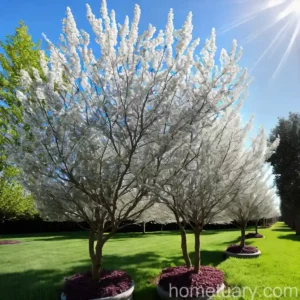
Growing Betula ‘Fascination’ in containers expands its versatility and allows for captivating displays in various outdoor spaces. However, certain considerations and care practices are essential for successful container cultivation. Here are the key aspects to bear in mind when growing Betula ‘Fascination’ in containers:
- Container Size: Select a suitably large and sturdy container that accommodates the tree’s root system and allows for adequate drainage. Ensure that the container is at least twice the size of the root ball to provide ample room for root development.
- Soil and Drainage: Utilize a well-draining potting mix designed for woody ornamentals, and incorporate organic matter to promote moisture retention while preventing waterlogging. Confirm that the container includes sufficient drainage holes to prevent water accumulation.
- Watering and Care: Maintain consistent moisture in the container, ensuring that the soil remains evenly moist but not waterlogged. Position the container in a location that receives optimal sunlight exposure based on the tree’s requirements.
With a comprehensive understanding of the cultural requirements and care guidelines for Betula ‘Fascination’, we can now explore its versatile uses and the allure it brings to different landscapes and settings.
Uses of Betula ‘Fascination’
The Betula ‘Fascination’ serves a multitude of purposes, owing to its ornamental value, adaptability, and aesthetic appeal. Its versatility extends to various landscaping and garden design applications, as well as its ability to enhance the visual appeal of different outdoor spaces. Here are the diverse uses of Betula ‘Fascination’ that showcase its intrinsic beauty and utility:
- Landscape Focal Point: The striking visual presence of Betula ‘Fascination’, characterized by its white bark and graceful foliage, makes it an ideal focal point in landscape designs. Whether featured as a standalone specimen tree or incorporated into a group planting, it commands attention and adds elegance to the surroundings.
- Garden Ornament: Incorporating Betula ‘Fascination’ into garden settings, such as formal or naturalistic gardens, adds a touch of understated sophistication and natural charm. Its changing seasonal beauty further contributes to the dynamic appeal of garden spaces.
- Shade Provider: When planted strategically, Betula ‘Fascination’ offers cooling shade in outdoor living areas, creating comfortable retreats in the midst of nature. Its dappled shade and attractive form make it a favored choice for creating inviting outdoor spaces.
- Screening and Privacy: The dense foliage of Betula ‘Fascination’ provides effective screening and privacy when used as a hedge or a grouped planting. Its unique qualities contribute to an alluring green backdrop that enhances the overall atmosphere.
- Seasonal Interest: The seasonal transformations of Betula ‘Fascination’, from the vibrant spring growth to the captivating winter appearance with its white bark, offer year-round interest and visual delight in gardens and landscapes.
Understanding the diverse uses and applications of Betula ‘Fascination’ underscores its significance as a valuable addition to a wide range of outdoor spaces. Its adaptability, ornamental value, and multi-faceted contributions make it an exceptional choice for landscape enhancement and ecological enrichment.
Common Diseases and Pests
As with any plant or tree, Betula ‘Fascination’ is susceptible to certain diseases and pest infestations that can affect its health and visual appeal. Being able to recognize and address these issues promptly is essential for maintaining the tree’s vitality and vigor. Here are common diseases and pests associated with Betula ‘Fascination’:
Common Diseases
- Leaf Spot: Fungal leaf spot diseases, such as Diplocarpon betulae, can cause dark spots or lesions on the leaves, leading to defoliation and reduced vigor. Maintain good air circulation and avoid overhead watering to minimize the risk of leaf spot diseases.
- Powdery Mildew: The development of powdery mildew, caused by various fungal species, may lead to a white powdery growth on the leaves, affecting their photosynthetic capacity and overall health. Improving air circulation and applying fungicidal treatments can help manage powdery mildew.
- Canker Diseases: Canker diseases, characterized by sunken, discolored areas on the stems and branches, can affect the structural integrity and health of the tree. Prune and remove affected branches to reduce the spread of canker diseases.
Disease Diagnosis
When observing potential signs of diseases on Betula ‘Fascination’, it is important to conduct a thorough diagnosis to identify the specific issue and implement targeted management practices. Consider the following factors when diagnosing diseases:
- Symptom Identification: Note the specific symptoms, such as leaf discoloration, lesions, or abnormal growth patterns, to narrow down the possible disease causes.
- Environmental Conditions: Assess the prevailing environmental factors, including moisture levels, temperature, and sunlight exposure, as they can influence disease development.
- Expert Consultation: If uncertain about the diagnosis or management strategies, seek guidance from a qualified arborist or plant health specialist to address the issue effectively.
Common Pests
- Bronze Birch Borer: The larvae of the bronze birch borer, Agrilus anxius, tunnel into the inner bark and wood of birch trees, causing visible damage and weakening the tree’s structural integrity.
- Birch Leafminer: The larvae of the birch leafminer, Fenusa pusilla, create serpentine mines within the leaves, leading to aesthetic damage and potential stress on the tree.
- Aphids: Aphid infestations, characterized by small, sap-feeding insects, can affect the foliage and overall vigor of Betula ‘Fascination’.
Recognizing the signs of common pests and diseases affecting Betula ‘Fascination’ enables timely intervention and targeted management, safeguarding the tree’s well-being and ornamental value.
Botanist’s Tips for Betula ‘Fascination’ Care
To excel in caring for Betula ‘Fascination’ and ensure its long-term health and beauty, incorporating expert insights and botanist’s tips can significantly enhance our approach. Here are valuable recommendations and tips for cultivating and maintaining Betula ‘Fascination’ from experienced botanists and horticulture specialists:
- Site Selection: Choose a well-drained location with adequate sunlight exposure to provide ideal growing conditions for Betula ‘Fascination’. Avoid planting in areas prone to waterlogging or compacted soil that can impede root development.
- Mulching Practices: Apply a layer of organic mulch around the base of the tree, extending to the drip line, to conserve soil moisture, suppress weed growth, and insulate the root zone. Use mulch materials such as wood chips or bark to create an optimal mulching environment.
- Regular Monitoring: Regularly inspect the tree for signs of diseases, pests, or stress indicators, such as wilting or discoloration. Early detection and intervention can mitigate potential issues and support the tree’s resilience.
- Pruning Technique: When conducting pruning, adhere to proper pruning techniques, such as making clean cuts at the branch collar and avoiding excessive pruning of the upper canopy. Aim to enhance the tree’s natural form and structure while addressing any necessary corrective pruning.
- Watering Practices: Practice deep watering to encourage strong root development and periodically monitor soil moisture to prevent water stress. Adjust watering frequency based on seasonal variations and environmental conditions.
Incorporating these expert tips and recommendations into the care regimen for Betula ‘Fascination’ contributes to a holistic and well-informed approach, promoting the tree’s health, vitality, and long-term beauty.
Fun Facts about Betula ‘Fascination’
While Betula ‘Fascination’ is renowned for its visual allure and landscape contributions, there are also fascinating and lesser-known facts that add depth to its character and appeal. Discovering these intriguing aspects of the ‘Fascination’ Birch offers a glimpse into its captivating nature and ecological significance. Here are fun facts about Betula ‘Fascination’ that showcase its distinctive attributes:
- Symbolic Significance: In certain cultures and traditions, birch trees, including Betula ‘Fascination’, hold symbolic significance, representing renewal, purity, and resilience.
- Wildlife Support: The presence of Betula ‘Fascination’ in the landscape provides valuable habitat and food sources for various wildlife, including insects, birds, and small mammals.
- Historical Uses: Historically, birch trees and their bark have been utilized for various purposes, including crafting of canoes, containers, and paper, highlighting the tree’s cultural and utilitarian importance.
- Seasonal Variations: Betula ‘Fascination’ exhibits striking seasonal variations, from the delicate fresh foliage in spring to the ethereal white bark display in winter, offering year-round visual interest.
- Environmental Benefits: Beyond its ornamental value, Betula ‘Fascination’ contributes to environmental benefits such as air purification, soil stabilization, and ecological diversity, underscoring its broader ecological role.
Exploring these fun facts sheds light on the multi-faceted appeal and significance of Betula ‘Fascination’, further deepening our appreciation for this captivating ornamental tree.
Links to External Resources
To enrich our understanding of Betula ‘Fascination’ and further expand our knowledge and insights, here are valuable links to external resources offering comprehensive information on this remarkable ornamental tree:
- Royal Horticultural Society – Betula ‘Fascination’
- Missouri Botanical Garden – Betula ‘Fascination’
- University of Florida IFAS Extension – Birch Trees for Landscapes
- [North Carolina State University Extension – Birch Trees for Landscapes](https://content.ces.ncsu