Betel Leaf (Piper Betle)
Welcome to the world of Betel Leaf, scientifically known as Piper Betle. This versatile plant holds a significant place in various cultures, cuisines.
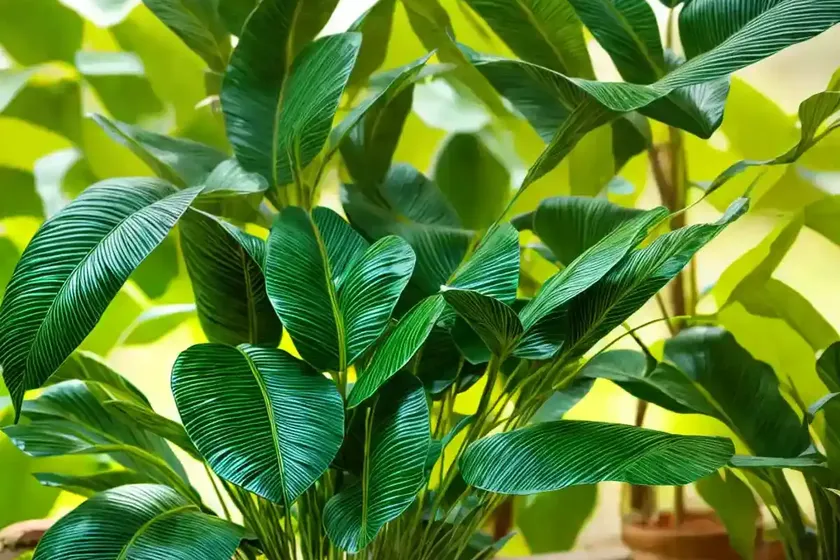

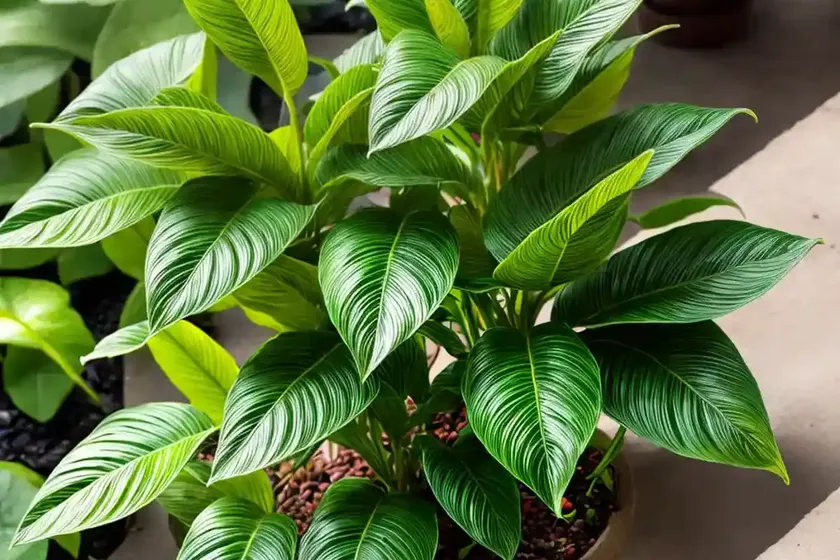
Welcome to the world of Betel Leaf, scientifically known as Piper Betle. This versatile plant holds a significant place in various cultures, cuisines, traditional medicines, and rituals. In this guide, we will explore the fascinating world of Betel Leaf, its cultivation, uses, and maintenance.
What is Betel Leaf (Piper Betle)?
Betel Leaf, a perennial creeper, is a member of the Piperaceae family. It is native to South and Southeast Asia where it has been cultivated and used for centuries. The heart-shaped glossy leaves of the Betel plant are renowned for their medicinal, cultural, and culinary significance. The plant is commonly found in regions with warm and humid climates, and it thrives in well-drained, fertile soil.
Key Takeaways – Betel Leaf (Piper Betle)
Before delving into the details of cultivation, let’s touch upon some of the key takeaways related to Betel Leaf:
- Plant Name: Betel Leaf (Piper Betle)
- Cultural Significance: Integral part of various cultural practices, especially in South and Southeast Asia
- Health Benefits: Piper Betle is renowned for its medicinal properties, aiding in digestion, oral health, and respiratory ailments
- Culinary Uses: The leaves are used in traditional dishes, herbal teas, and aromatherapy
- Plant Care: Requires adequate sunlight, well-drained soil, and regular watering
- Propagation: Easily propagated through stem cuttings and air layering
- Container Gardening: Suited for container cultivation, making it accessible for urban gardening
- Common Pests and Diseases: Susceptible to certain pests and diseases that require timely intervention
Now, let’s explore each of these aspects in detail and gain insights into the versatile nature of Betel Leaf.
Culture
Betel Leaf is deeply entrenched in the cultural fabric of many societies, especially in South and Southeast Asia. It holds significant cultural and traditional value and is an integral part of various ceremonies and rituals. The act of offering Betel Leaf to guests is considered a symbol of hospitality and respect in many cultural traditions.
Uses
The uses of Betel Leaf in different cultural practices are diverse and intriguing:
- Traditional Ceremonies: Betel Leaf is often used in traditional ceremonies. It is offered during prayers and auspicious occasions as a mark of reverence and blessing.
- Herbal Teas and Infusions: The leaves are infused in hot water to make herbal teas that are believed to have medicinal properties and are often consumed for their soothing effects.
- Mouth Freshener: In many cultures, the combination of Betel Leaf, areca nut, and slaked lime is used as a traditional mouth freshener, known as ‘Paan.’
Uses
Health Benefits
Piper Betle is renowned for its multitude of health benefits and has been used in traditional medicines for centuries.
Medicinal Properties
The leaves of Piper Betle are known for their diverse medicinal properties, including:
- Digestive Aid: Betel Leaf is used to aid digestion and to relieve gastrointestinal discomfort.
- Oral Health: It is believed to have antibacterial properties and is used in traditional dental care practices to maintain oral hygiene.
- Respiratory Health: The leaves are used to promote respiratory health and to alleviate common respiratory ailments.
- Skin Health: Piper Betle is also used in skincare remedies, owing to its believed skin-healing properties.
Culinary Uses
Betel Leaf is not just limited to traditional medicines and cultural practices; it also plays a significant role in culinary practices.
In Traditional Dishes
The leaves are used in various traditional dishes, imparting their unique flavor and aroma. They are often used to wrap fillings such as minced meat, seafood, or vegetables, lending a distinct fragrance and flavor to the dish.
Herbal Teas and Aromatherapy
The aromatic leaves of Betel are also utilized in the preparation of herbal teas, essential oils, and aromatherapy practices, signifying their versatile nature and widespread usage.
Cultivation
Water
Piper Betle thrives in a consistently moist environment, but it’s essential to ensure that the soil is well-drained to prevent waterlogging, which can lead to root rot.
- Regular Watering: The plant requires regular watering, especially during dry periods, to maintain soil moisture. It’s important to keep the soil consistently moist but not waterlogged.
Sunlight
Betel Leaf requires a balance of sunlight and shade for optimal growth.
- Partial Sun: It thrives in partial sun, receiving around 4-6 hours of sunlight daily. In hot climates, providing some afternoon shade can be beneficial to prevent leaf scorch.
Fertilizer
Feeding the plant with the right nutrients ensures healthy growth and abundant foliage.
- Balanced Fertilization: Use a balanced, all-purpose fertilizer during the growing season to provide essential nutrients for robust growth.
Soil
The choice of soil can significantly impact the growth and health of Betel Leaf.
- Well-Drained Soil: Plant in well-drained, fertile soil with a slightly acidic to neutral pH. A mix of organic matter such as compost can help improve soil structure and fertility.
Pruning
Regular pruning is essential to maintain the health and shape of the plant.
- Trimming: Remove any yellowing or damaged leaves periodically to promote new growth and maintain the plant’s vigor.
Propagation
Methods
Propagation of Betel Leaf can be easily accomplished through various methods:
- Stem Cuttings: Select healthy stem cuttings and root them in a moist, well-draining medium.
- Air Layering: Encourage the growth of roots on a stem while it is still attached to the mother plant, and once rooted, it can be separated for planting.
Container Gardening
The versatility of Betel Leaf makes it well-suited for container cultivation, allowing enthusiasts to grow this remarkable plant even in limited spaces.
Popularity in Container Cultivation
Betel Leaf has gained popularity among urban gardeners due to its suitability for container gardening.
- Space Saving: Ideal for individuals with limited outdoor gardening space or those living in urban areas.
- Aesthetic Appeal: The vibrant green, heart-shaped leaves add to the aesthetic appeal of any garden or balcony space.
Common Diseases
Disease Diagnosis
Betel Leaf is susceptible to certain diseases, and timely diagnosis is crucial for effective management.
- Leaf Spots: Keep an eye out for dark spots or discoloration on the leaves, which can indicate fungal or bacterial infections.
- Powdery Mildew: A white, powdery substance on the leaves may indicate the presence of powdery mildew, a common fungal disease.
Common Pests
Pest Management
Certain pests can pose a threat to the health of Betel Leaf and require timely intervention for effective management.
- Aphids: These tiny insects can cluster on the undersides of leaves, sapping the plant’s vitality.
- Scale Insects: Look out for small, round, brownish scales on the stems and leaves, which can indicate an infestation.
Botanist’s Tips
Effective Care Practices
As a plant scientist, here are some tips to ensure the healthy growth and vitality of your Betel Leaf:
- Monitor Soil Moisture: Regularly check the soil moisture to ensure it remains consistently moist but not waterlogged.
- Prune Regularly: Periodic pruning helps to promote new growth and maintain the vigour of the plant.
- Inspect for Pests: Regularly inspect the plant for any signs of pest infestation and take prompt action if detected.
Fun Facts
The Fascinating World of Betel Leaf
Dive into some intriguing and lesser-known facts about Betel Leaf:
- Traditional Medicinal Uses: The leaves have been used for their medicinal properties in traditional medicines and Ayurveda for centuries, showcasing their historical significance.
- Culinary Delicacies: The aromatic leaves are a key ingredient in various Asian cuisines, imparting their distinctive flavor to dishes.
- Cultural Symbolism: Betel Leaf holds profound cultural and traditional symbolism in many Asian cultures, signifying hospitality, respect, and blessings.
Links to External Resources
For further information and insights into Betel Leaf, you can explore the following external resources:
- Piper Betle: A Potential Medicinal and Food Crop
- Cultivation and Utilization of Betel Vine (Piper Betle L.): A Review
- Medicinal Uses and Pharmacological Activities of Betel Leaf-A Review
In conclusion, Betel Leaf (Piper Betle) is a plant with a rich history and remarkable versatility, encompassing medicinal, cultural, and culinary significance. By understanding its cultivation, uses, and maintenance, enthusiasts can fully appreciate the beauty and benefits of this remarkable plant. Whether used in traditional ceremonies, herbal teas, or culinary creations, Betel Leaf continues to captivate people around the world with its unique charm and profound significance.


