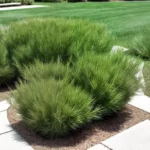
Bermuda Grass (Cynodon dactylon): A Comprehensive Guide
Bermuda grass (Cynodon dactylon), also known as devil’s grass or dog’s tooth grass, is a warm-season perennial grass that belongs to the Poaceae family. This popular grass species is widely cultivated across various regions due to its resilience and adaptability to different environmental conditions. In this comprehensive guide, we will explore the various aspects of Bermuda grass, including its culture, uses, maintenance, and common diseases and pests.
What is Bermuda Grass?
Bermuda grass, scientifically known as Cynodon dactylon, is a warm-season perennial grass species that is native to Africa, India, Australia, and other tropical and subtropical regions. It is characterized by its fine texture, rapid growth, and excellent tolerance to heat, drought, and heavy foot traffic. Due to these attributes, Bermuda grass is widely used for lawns, pastures, athletic fields, golf courses, and various other applications.
Key Takeaways – Bermuda Grass (Cynodon dactylon)
To understand Bermuda grass more comprehensively, it’s essential to explore its key attributes and applications. The following key takeaways highlight the various aspects of Bermuda grass, including its uses, cultivation, characteristics, and maintenance.
Culture
Uses
- Bermuda grass is used for a wide range of applications, including athletic fields, golf courses, lawns, pastures, and erosion control.
- It is also utilized in landscaping, sports fields, residential yards, parks, cover crops, hay production, and grazing.
Water
- Bermuda grass has moderate water needs and can withstand periods of drought once established.
- It is important to water Bermuda grass deeply and infrequently to encourage deep root growth.
Sunlight
- Bermuda grass thrives in full sunlight and requires at least 6 to 8 hours of direct sunlight per day.
Fertilizer
- Regular fertilization is essential to maintain the health and vigor of Bermuda grass.
- Nitrogen-rich fertilizers are commonly used to promote lush and green growth.
Soil
- Bermuda grass is adaptable to a wide range of soil types, including sandy, loamy, and clay soils.
- Well-draining soil is essential for preventing waterlogged conditions, which can be detrimental to the grass.
Pruning
- Periodic mowing is necessary to keep Bermuda grass at the desired height and to promote lateral growth.
- Proper mowing practices contribute to the overall health and appearance of Bermuda grass lawns.
Propagation
- Bermuda grass can be propagated through seeds or vegetative methods such as sprigging or sodding.
- Each propagation method has its advantages and is chosen based on specific requirements and preferences.
Container Popularity
- Bermuda grass is commonly grown in containers for ornamental and landscaping purposes.
- Its adaptability to containers makes it a versatile choice for various outdoor settings.
Common Diseases
Disease Diagnosis
- Bermuda grass is susceptible to several diseases, including dollar spot, brown patch, and leaf spot.
- Proper diagnosis of diseases is crucial for implementing effective control measures and maintaining the health of the grass.
Common Pests
Pest Management
- Bermuda grass is vulnerable to pests such as armyworms, white grubs, and nematodes.
- Integrated pest management strategies are employed to minimize pest damage and preserve the quality of Bermuda grass.
Botanist’s Tips
- Regular monitoring and prompt action are essential for maintaining the vigor and attractiveness of Bermuda grass.
- Proper cultural practices, pest control, and disease management contribute to the long-term success of Bermuda grass cultivation.
Fun Facts
- Bermuda grass is known for its exceptional tolerance to heavy foot traffic, making it a popular choice for sports fields and high-traffic areas.
- It exhibits rapid regrowth and recovery after periods of stress or damage, further enhancing its appeal in various applications.
These key takeaways provide an overview of the essential aspects of Bermuda grass, setting the stage for a more in-depth exploration of its cultivation, uses, and maintenance.
Links to External Resources
For additional information on Bermuda grass, you can explore the following external resources:
- University of Arkansas Division of Agriculture – Bermuda Grass Management
- Texas A&M AgriLife Extension – Bermuda Grass for Texas Lawns
- University of Florida IFAS Extension – Bermudagrass for Florida Lawns
With these resources, you can delve deeper into the specific cultivation and management practices for Bermuda grass in different regions and applications.
Bermuda Grass (Cynodon dactylon): An In-Depth Exploration
Building on the key takeaways, let’s delve deeper into the diverse facets of Bermuda grass, ranging from its characteristics and cultivation to its benefits and resilience in various settings.
Bermuda Grass Uses
Bermuda grass is lauded for its versatility and adaptability, which has led to its widespread use in a multitude of applications. Understanding the specific uses of Bermuda grass provides insight into its significance in different settings.
Athletic Fields
Bermuda grass is extensively utilized for athletic fields, including football, soccer, baseball, softball, and cricket pitches. Its ability to withstand heavy wear and recover rapidly after intense use makes it an ideal choice for sports turf management.
Golf Courses
Golf courses frequently feature Bermuda grass on fairways, tees, and roughs due to its excellent playability, durability, and ability to maintain a uniform turf surface. Different varieties of Bermuda grass are selected based on the specific requirements of golf course maintenance and aesthetics.
Lawns
As a popular choice for residential and commercial lawns, Bermuda grass offers a lush and vibrant turf that can withstand regular mowing and foot traffic. Its ability to thrive in full sunlight makes it ideal for lawns in warm climates.
Pastures
Bermuda grass is commonly utilized in pastures for livestock grazing due to its high productivity, nutritive value, and resilience under grazing pressure. It provides reliable forage for cattle, horses, and other grazing animals.
Erosion Control
The dense, spreading nature of Bermuda grass makes it an effective erosion control measure on slopes, embankments, and disturbed land. Its extensive root system helps stabilize soil and prevent erosion in vulnerable areas.
High-Traffic Areas
Public parks, playgrounds, dog parks, and recreational areas benefit from the durability and resilience of Bermuda grass, which can withstand heavy foot traffic and recreational activities.
Landscaping
Bermuda grass is employed in landscaping for its lush appearance, adaptability to various soil types, and ability to create visually appealing turf areas in residential and commercial settings.
Cover Crops
In agricultural settings, Bermuda grass is used as a cover crop due to its ability to suppress weeds, improve soil health, and provide forage for livestock in rotationally grazed systems.
Hay Production
Forage Bermuda grass varieties are cultivated for hay production, providing a nutritious feed source for livestock when properly managed and harvested.
Green Roofs
Bermuda grass is utilized in green roof systems to create a visually pleasing and functional vegetative cover that offers environmental benefits, such as stormwater management and improved energy efficiency.
Tennis Courts
The exceptional wear tolerance and resilience of Bermuda grass make it a suitable option for tennis court surfaces, contributing to a consistent and safe playing surface for athletes.
Residential Yards
In warm climates, Bermuda grass is a popular choice for residential yards due to its ability to create a vibrant and robust turf that can withstand regular use and climatic challenges.
Parks
Public parks and recreational areas commonly feature Bermuda grass for its ability to create inviting and functional outdoor spaces that cater to various recreational and leisure activities.
Sports Fields
Bermuda grass is favored for sports fields, including soccer stadiums, football fields, and athletic tracks, where the combination of durability and rapid regrowth is essential for maintaining high-quality turf surfaces.
Grazing
In agricultural systems, Bermuda grass pastures provide reliable and nutritious forage for grazing animals, contributing to livestock productivity and sustainable land management.
Bermuda Grass Cultivation
The successful cultivation of Bermuda grass involves critical considerations related to site preparation, establishment methods, maintenance practices, and adaptation to specific environmental conditions. Understanding the principles of Bermuda grass cultivation is fundamental for achieving desirable turf and forage outcomes.
Characteristics
Growth Habits
- Bermuda grass exhibits a prostrate growth habit, forming a dense and low-growing turf with extensive rhizomes and stolons that contribute to its spreading nature.
Leaf Structure
- The leaf blades of Bermuda grass are fine and narrow, contributing to its visually appealing and uniform turf texture.
Root System
- Bermuda grass develops a robust and extensive root system, enabling it to withstand drought and recover from stress by accessing soil moisture and nutrients.
Flowering
- The inflorescences of Bermuda grass are characterized by digitate spikes with spikelets, contributing to its reproductive cycle and seed production.
Color and Appearance
- The vibrant green color and lush appearance of Bermuda grass make it visually striking and sought after for aesthetic landscaping and recreational surfaces.
Maintenance
Watering
- Bermuda grass requires regular watering during establishment and periods of extended drought, with a focus on deep and infrequent watering to promote deep root growth.
Mowing
- Regular mowing is essential to maintain Bermuda grass at the desired height, typically between 0.5 to 1.5 inches, depending on the specific application and management objectives.
Fertilization
- Nitrogen is a crucial nutrient for Bermuda grass, and regular fertilization ensures healthy growth, vibrant color, and vigorous turf quality.
Aeration
- Core aeration is beneficial for Bermuda grass lawns to alleviate compaction, improve air and water movement in the soil, and promote vigorous root development.
Thatch Management
- Thatch accumulation should be monitored and managed through practices such as vertical mowing and dethatching to maintain optimal turf health.
Pest and Disease Control
- Integrated pest management (IPM) and proactive disease prevention strategies are essential for minimizing potential damage to Bermuda grass turf and forage stands.
Environmental Adaptation
Sunlight Requirements
- Bermuda grass thrives in full sunlight and exhibits superior performance when exposed to at least 6 to 8 hours of direct sunlight daily.
Soil Requirements
- Bermuda grass is adaptable to various soil types, including sandy, loamy, and clay soils, provided they offer good drainage and aeration.
Climate Tolerance
- Bermuda grass demonstrates excellent heat tolerance and is well-suited to warm-season climates, thriving in regions with hot summers and mild winters.
Drought Resistance
- Once established, Bermuda grass displays remarkable drought resistance and can survive prolonged periods of limited water availability.
Establishment Methods
Seeds
- Bermuda grass can be established from seeds, with proper site preparation, seeding rates, and irrigation to ensure successful germination and establishment.
Sprigging
- Vegetative propagation through sprigs involves planting stem fragments with nodes and axillary buds, promoting rapid establishment and coverage.
Sodding
- Sodding provides an immediate turf cover by planting pre-grown Bermuda grass sod, offering instant aesthetic appeal and minimizing establishment time.
Varieties
Common Varieties
- Bermuda grass cultivars such as ‘Tifway 419,’ ‘Celebration,’ and ‘TifGrand’ are renowned for their superior turf quality, density, and resilience under intensive use.
Forage Varieties
- Forage-specific Bermuda grass varieties such as ‘Coastal’ and ‘Alicia’ provide high-quality hay and grazing opportunities for livestock production systems.
Benefits
Aesthetic Appeal
- Bermuda grass contributes to visually appealing and vibrant landscapes, enhancing the aesthetic quality of residential, commercial, and recreational areas.
Versatility
- The adaptability of Bermuda grass to different applications, such as lawns, sports fields, and erosion control, underlines its versatility and multifunctional benefits.
Rapid Recovery
- The ability of Bermuda grass to recover rapidly from damage or stress, including foot traffic and environmental challenges, ensures consistent turf quality.
Livestock Nutrition
- Forage Bermuda grass varieties offer nutritious and productive forage options for grazing animals, contributing to livestock nutrition and management.
Soil Stabilization
- The extensive root system and dense turf cover of Bermuda grass contribute to effective soil stabilization and erosion control in vulnerable landscapes.
Recreational Surfaces
- Bermuda grass provides durable and consistent playing surfaces for sports and recreational activities, supporting safe and enjoyable outdoor experiences.
As evident from its diverse uses and resilience in various settings, Bermuda grass stands out as a valuable and multifaceted grass species with wide-ranging benefits and applications.
Bermuda Grass Maintenance
Maintaining the health and vigor of Bermuda grass involves a combination of good cultural practices, proactive pest and disease management, and regular monitoring to ensure optimal turf quality and forage productivity.
Mowing
Frequency
- Bermuda grass lawns require frequent mowing during the growing season to maintain the desired height and promote lateral growth.
Height
- Maintaining Bermuda grass at a suitable mowing height, typically between 0.5 to 1.5 inches, ensures a dense turf cover and minimizes thatch buildup.
Blade Sharpness
- Sharp mower blades are essential for clean and precise cuts, preventing turf stress and promoting rapid recovery after mowing.
Fertilization
Nitrogen Application
- Nitrogen is a primary nutrient requirement for Bermuda grass, and regular applications during the growing season sustain vibrant turf color and growth.
Timing
- Fertilizer applications are timed based on the specific grass growth stages and environmental conditions to maximize nutrient uptake and utilization.
Soil Testing
- Conducting soil tests helps determine the nutrient needs of Bermuda grass and guides targeted fertilization practices for optimal turf health.
Irrigation
Watering Schedule
- A consistent and deep watering schedule is essential for promoting healthy root growth and minimizing moisture stress in Bermuda grass lawns and landscapes.
Water Distribution
- Ensuring uniform water distribution across the turf area prevents localized dry spots and encourages even growth and coverage.
Drought Resistance
- Encouraging deep root growth through infrequent but deep watering enhances the drought resistance of Bermuda grass during periods of water scarcity.
Pest Management
Monitoring
- Regular monitoring for pests, including armyworms, white grubs, and nematodes, enables early detection and targeted pest management strategies.
Cultural Practices
- Practices such as proper irrigation, mowing, and fertilization contribute to overall turf health and resilience to pest infestations.
Biological Control
- Implementation of biological control agents, such as beneficial nematodes, helps manage pest populations and minimize their impact on Bermuda grass.
Disease Prevention
Ventilation
- Maintaining good air circulation and reducing thatch buildup contribute to minimizing conditions favorable for disease development in Bermuda grass.
Proper Watering
- Avoiding overwatering and promoting soil drainage support disease prevention by reducing moisture-related stress on Bermuda grass.
Fungicide Applications
- When necessary, targeted fungicide applications help manage and prevent common Bermuda grass diseases such as dollar spot and brown patch.
Soil Aeration
Core Aeration
- Core aeration alleviates soil compaction, enhances air and water movement, and promotes robust root development in Bermuda grass lawns.
Timing
- Aeration is typically performed during the active growth phase of Bermuda grass to optimize its benefits and minimize stress on the turf.
Thatch Management
Dethatching
- Periodic dethatching removes excessive thatch layers and promotes better water and nutrient penetration into the soil for improved turf health.
Vertical Mowing
- Vertical mowing helps reduce thatch accumulation and promotes lateral growth and density in Bermuda grass lawns.
Overseed Management
Cool-Season Overseeding
- Temporary overseeding with cool-season grasses during winter can provide green cover but requires careful management for successful transition to Bermuda grass in the following spring.
Seeding Rates
- Precise overseeding rates and proper seed-to-soil contact are crucial for effective establishment of overseeded areas in Bermuda grass lawns.
Winterization
Transition Management
- Managing the transition from active growth to dormancy, including adjustments in mowing heights and reduced irrigation, prepares Bermuda grass for winter conditions.
Winter Watering
- Providing occasional winter watering during dry periods supports Bermuda grass survival and promotes early spring green-up.
Spring Preparation
Scalping
- Scalping allows for the removal of excess thatch and dormant winter growth, promoting healthy and uniform spring green-up in Bermuda grass lawns.
Fertilization
- Spring fertilization practices aim to provide the essential nutrients required for the initial growth phase and play a crucial role in supporting Bermuda grass recovery.
By integrating these maintenance practices, Bermuda grass enthusiasts and land managers can optimize the health and resilience of turf and forage stands, ensuring long-term success and performance in various applications.
Bermuda Grass Facts
Enhancing our understanding of Bermuda grass involves exploring interesting and informative facts that shed light on its characteristics, history, and significance across different regions and uses.
Botanical Insights
Taxonomy
- Bermuda grass, scientifically known as Cynodon dactylon, belongs to the Poaceae family and is recognized as a warm-season perennial grass species.
Native Range
- Native to Africa, India, Australia, and other tropical and subtropical regions, Bermuda grass has a broad natural distribution and has been naturalized in many other parts of the world.
Global Distribution
- Bermuda grass has a widespread global distribution due to its adaptability and has become naturalized in diverse climatic and ecological settings.
Ecological Resilience
- Bermuda grass demonstrates remarkable resilience to heat, drought, and heavy foot traffic, contributing to its success in diverse landscapes and applications.
Historical Significance
Introduction to the Americas
- Bermuda grass was introduced to the Americas during the colonial period and has since become one of the most widely cultivated warm-season grasses in the region.
Turf and Forage Advantages
- The adaptability and resilience of Bermuda grass have led to its widespread use in turf management, forage production, and erosion control in historical and contemporary contexts.
Evolution of Cultivars
- Over time, the development of new Bermuda grass cultivars has enhanced turf and forage performance, offering improved characteristics and adaptability.
Economic and Ecological Impact
Turf Industry
- Bermuda grass plays a significant role in the turf industry, contributing to the establishment and maintenance of residential, commercial, and recreational landscapes.
Livestock Production
- The nutritive value and productivity of Bermuda grass contribute to sustainable livestock production and grazing systems, supporting agricultural economies.
Erosion Control
- The extensive root system and soil-stabilizing qualities of Bermuda grass offer practical solutions for erosion control and land rehabilitation.
Adaptation and Management
Environmental Adaptability
- Bermuda grass exhibits adaptability to diverse environmental conditions, demonstrating its resilience across varying soil types, climates, and land uses.
Cultivation Techniques
- The selection of suitable establishment and management techniques plays a vital role in optimizing the performance of Bermuda grass in different applications.
Modern Cultivar Development
- Ongoing research and breeding efforts continue to enhance the traits and resilience of Bermuda grass cultivars, supporting its relevance in contemporary landscapes.
Recreational and Aesthetic Appeal
Sports Turf
- Bermuda grass is renowned for its use in sports turf applications, where its durability and rapid recovery make it a preferred choice for athletic fields and recreational surfaces.
Residential Landscaping
- Bermuda grass contributes to vibrant and well-manicured residential landscapes, offering a visually appealing and robust turf cover for outdoor enjoyment.
Public Spaces
- Public parks, playgrounds, and recreational areas benefit from the resilience and