Bermuda-buttercup (Oxalis Pes-caprae)
Plants have been an integral part of human life for centuries, serving various purposes including food, medicine, and ornamentation. Among the multitude of.
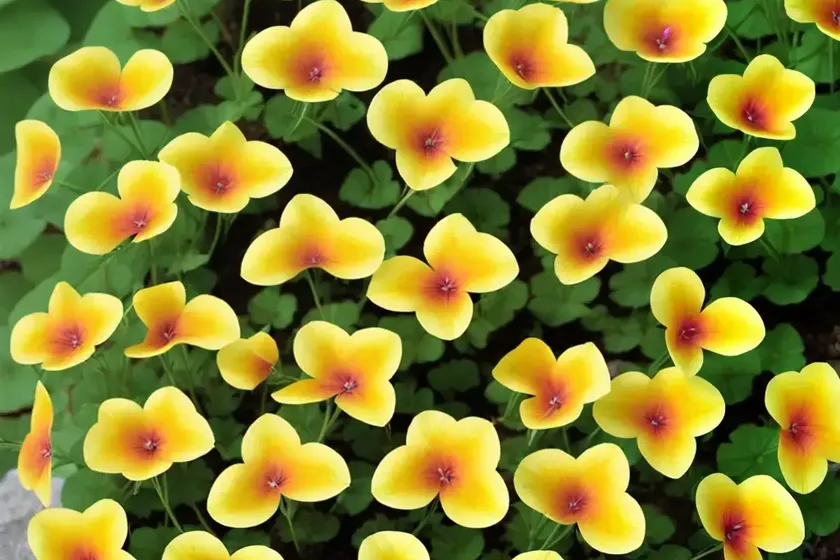
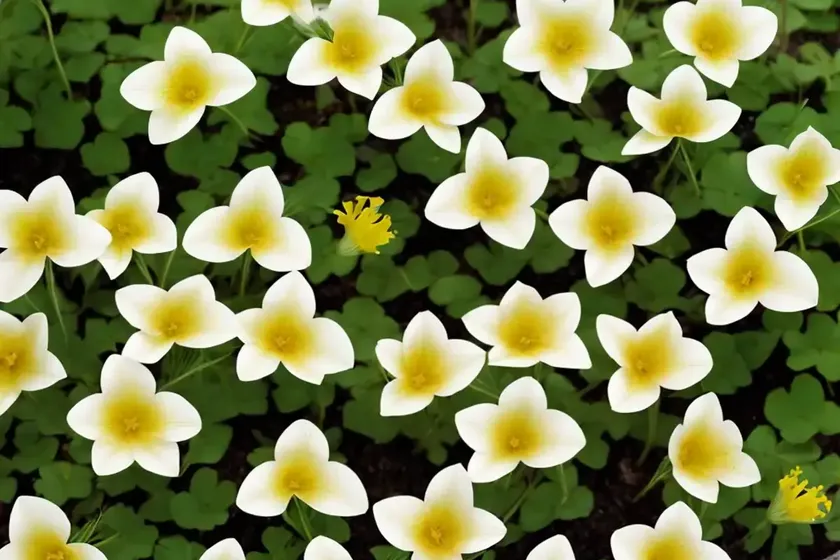
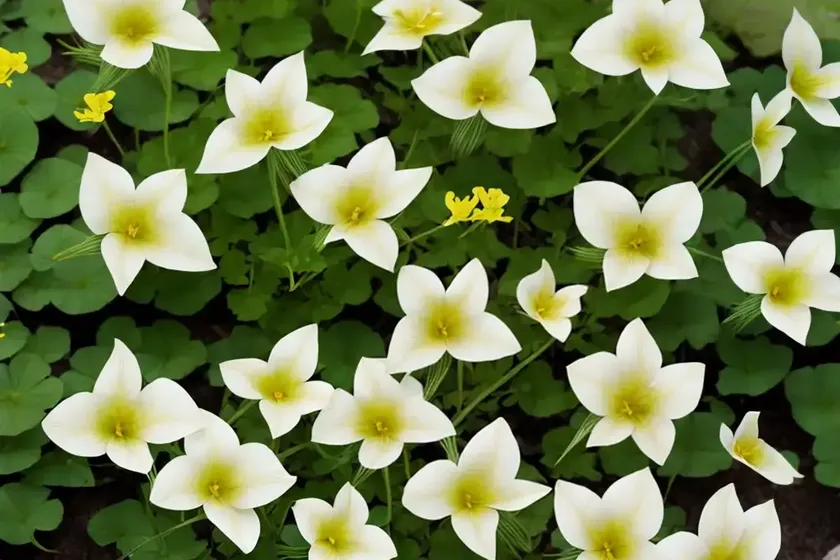
Plants have been an integral part of human life for centuries, serving various purposes including food, medicine, and ornamentation. Among the multitude of plant species, the Bermuda-buttercup (Oxalis Pes-Caprae) stands out due to its vibrant appearance and versatile applications. As a plant scientist, I am excited to delve into the intricacies of this fascinating plant, exploring its characteristics, cultivation, and ecological significance.
What is Bermuda-Buttercup (Oxalis Pes-Caprae)?
Bermuda-buttercup, scientifically known as Oxalis Pes-Caprae, is a perennial flowering plant belonging to the Oxalidaceae family. This charming plant is native to South Africa and is renowned for its striking yellow flowers and clover-like leaves. The Bermuda-buttercup commonly thrives in Mediterranean climates and has naturalized in various regions across the globe, often becoming an invasive species due to its prolific growth habit.
As a plant scientist, I have researched and studied the Bermuda-buttercup extensively to understand its growth requirements, ecological impact, and potential uses in horticulture and landscaping. In this comprehensive guide, I will provide valuable insights into the care, cultivation, and unique characteristics of the Bermuda-buttercup, catering to gardening enthusiasts, horticulturists, and nature lovers.
Key Takeaways – Bermuda-Buttercup (Oxalis Pes-Caprae)
Before delving into the intricacies of Bermuda-buttercup cultivation and care, let’s explore the key takeaways about this captivating plant. Understanding these essential points will set the stage for a comprehensive and insightful exploration of the Bermuda-buttercup.
Bermuda-Buttercup Characteristics:
- Vibrant yellow flowers
- Clover-like leaves
- Prolific growth habit
- Thrives in Mediterranean climates
- Can become invasive in certain regions
Oxalis Pes-Caprae Plant Care:
- Specific water and sunlight requirements
- Soil preferences
- Pruning techniques
- Propagation methods
Bermuda-Buttercup Growing Conditions:
- Suitable sunlight exposure
- Watering needs
- Soil requirements
- Climate adaptations
Oxalis Pes-Caprae Plant Facts:
- Ecological impact
- Uses in landscaping
- Potential medicinal properties
- Unique features and adaptations
Bermuda-Buttercup Uses in Landscaping:
- Ornamental value
- Groundcover applications
- Landscape design ideas
- Environmental benefits
Oxalis Pes-Caprae Propagation Methods:
- Seed propagation
- Division of rhizomes
- Cutting propagation
- Tips for successful propagation
Bermuda-Buttercup Varieties:
- Different flower colors
- Variations in leaf morphology
- Cultivated varieties
- Regional adaptations
Oxalis Pes-Caprae Medicinal Properties:
- Ethnobotanical uses
- Traditional medicinal applications
- Potential health benefits
- Precautions and considerations
Bermuda-Buttercup Gardening Tips:
- Best practices for care
- Seasonal maintenance guidelines
- Pest and disease management
- Maximizing ornamental value
Oxalis Pes-Caprae Planting Guide:
- Step-by-step planting instructions
- Site selection considerations
- Companion planting suggestions
- Ensuring successful establishment
Bermuda-Buttercup Invasive Species:
- Ecological impact
- Management strategies
- Environmental considerations
- Regulatory aspects
Oxalis Pes-Caprae Natural Habitat:
- Native range
- Habitat preferences
- Ecological interactions
- Conservation significance
Bermuda-Buttercup Seasonal Blooming:
- Flowering patterns
- Seasonal care needs
- Enhancing blooming displays
- Incorporating into seasonal landscapes
Oxalis Pes-Caprae Pest Control:
- Common pests
- Pest management strategies
- Organic pest control methods
- Maintaining plant health
Bermuda-Buttercup Soil Requirements:
- pH preferences
- Soil composition
- Improving soil conditions
- Ensuring healthy growth
Oxalis Pes-Caprae Drought Tolerance:
- Water conservation strategies
- Drought adaptation mechanisms
- Maintaining plant vigor during dry periods
- Ideal growing conditions for drought resistance
Bermuda-Buttercup Flower Symbolism:
- Cultural significance
- Symbolic meanings of flowers
- Incorporating symbolism into landscapes
- Historical and traditional references
Oxalis Pes-Caprae Companion Plants:
- Suitable companion species
- Ecological complementarity
- Enhancing garden biodiversity
- Creating harmonious plant communities
Bermuda-Buttercup Pruning Techniques:
- Pruning for health and aesthetics
- Timing of pruning
- Avoiding over-pruning
- Shaping and maintaining plant structure
Oxalis Pes-Caprae Edible Parts:
- Culinary uses
- Edible flowers and leaves
- Nutritional value
- Preparing and consuming Oxalis Pes-Caprae
Bermuda-Buttercup Flower Colors:
- Variations in flower hues
- Color combinations
- Impact on landscape aesthetics
- Incorporating diverse flower colors
Oxalis Pes-Caprae Native Range:
- Geographic distribution
- Natural habitats
- Regional adaptations
- Ecological diversity
Bermuda-Buttercup Low Maintenance Plants:
- Easy-care plant characteristics
- Minimal intervention requirements
- Incorporating low maintenance plants into landscapes
- Simplifying gardening tasks
Oxalis Pes-Caprae Container Gardening:
- Suitable container species
- Container considerations
- Urban gardening applications
- Creating thriving container gardens
Bermuda-Buttercup Eco-Friendly Gardening:
- Environmental benefits
- Sustainable gardening practices
- Conserving biodiversity
- Promoting ecological balance
Oxalis Pes-Caprae Groundcover Plants:
- Groundcover applications
- Soil protection and stabilization
- Erosion control
- Creating lush groundcover displays
Bermuda-Buttercup Sun Exposure:
- Sunlight requirements
- Sun exposure considerations
- Managing sunlight exposure
- Ideal planting locations
Oxalis Pes-Caprae Shade Tolerance:
- Thriving in shaded areas
- Adapting to low light conditions
- Shade gardening applications
- Enhancing shaded landscapes
Bermuda-Buttercup Wildlife Attraction:
- Ecological interactions
- Attracting beneficial wildlife
- Wildlife-friendly landscape features
- Environmental significance
Oxalis Pes-Caprae Floral Arrangements:
- Cut flower applications
- Flower arrangement tips
- Incorporating Oxalis Pes-Caprae into floral displays
- Creating captivating flower arrangements
Bermuda-Buttercup Seasonal Care:
- Season-specific plant care
- Adapting care routines to seasonal changes
- Enhancing plant resilience to seasonal factors
- Creating vibrant seasonal landscapes
Oxalis Pes-Caprae Flower Morphology:
- Flower structure
- Pollination mechanisms
- Reproductive characteristics
- Insights into flower morphology
Bermuda-Buttercup Water Requirements:
- Adequate watering practices
- Avoiding overwatering
- Water conservation considerations
- Optimizing water use for plant health
Oxalis Pes-Caprae Soil pH Preferences:
- Preferred soil pH range
- Impact on plant health
- Adjusting soil pH levels
- Ensuring optimal soil conditions
Bermuda-Buttercup Regional Adaptations:
- Geographic variations
- Climate adaptations
- Regional cultivation practices
- Cultural significance in different regions
Oxalis Pes-Caprae Garden Design Ideas:
- Incorporating Oxalis Pes-Caprae into garden designs
- Landscape architecture concepts
- Designing visually appealing landscapes
- Promoting biodiversity and ecological balance
Bermuda-Buttercup Pollinator-Friendly Plants:
- Attracting pollinators
- Enhancing garden biodiversity
- Promoting pollinator-friendly gardening
- Creating pollinator habitat
Oxalis Pes-Caprae Garden Pests and Diseases:
- Common pests
- Disease management strategies
- Integrated pest and disease control
- Maintaining plant health and vigor
Bermuda-Buttercup Ethnobotanical Uses:
- Traditional uses
- Cultural significance
- Medicinal and culinary applications
- Historical references
Oxalis Pes-Caprae Unique Features:
- Distinctive plant characteristics
- Unique adaptations
- Ecological significance
- Horticultural and botanical interest
Bermuda-Buttercup Flower Anatomy:
- Floral structures
- Reproductive features
- Floral adaptations
- Exquisite flower details
Oxalis Pes-Caprae Pollination Methods:
- Pollinator interactions
- Plant-pollinator relationships
- Ensuring successful pollination
- Promoting reproductive success
Bermuda-Buttercup Winter Protection:
- Winter care guidelines
- Protecting plants from cold stress
- Overwintering strategies
- Optimizing winter plant health
Oxalis Pes-Caprae Landscaping Trends:
- Current landscaping trends
- Incorporating Oxalis Pes-Caprae into modern landscapes
- Innovations in plant usage
- Creating trendsetting landscapes
Bermuda-Buttercup Perennial Plant Choices:
- Perennial gardening considerations
- Long-term plant care
- Ensuring perennial plant health
- Maximizing perennial plant displays
Oxalis Pes-Caprae Seasonal Maintenance:
- Season-specific care practices
- Adapting care to seasonal changes
- Ensuring plant resilience and vigor
- Enhancing seasonal landscape appeal
Bermuda-Buttercup Container Gardening Ideas:
- Creative container applications
- Container gardening concepts
- Beautiful container displays
- Optimizing plant health in containers
Oxalis Pes-Caprae Horticultural Significance:
- Horticultural value
- Botanical significance
- Research interests
- Contributions to horticulture
Bermuda-Buttercup Environmental Benefits:
- Ecological significance
- Environmental contributions
- Sustainable gardening applications
- Promoting biodiversity and conservation
Oxalis Pes-Caprae Naturalized Areas:
- Regions of naturalization
- Environmental impacts
- Management considerations
- Ecological balance and conservation efforts
The key takeaways outlined above provide a comprehensive overview of the Bermuda-buttercup (Oxalis Pes-Caprae), encompassing its characteristics, care requirements, ecological impact, and diverse applications. In the subsequent sections, I will delve deeper into each aspect, providing valuable insights and practical guidance for cultivating and appreciating this remarkable plant.
Cultivation
Cultivating Bermuda-buttercup involves understanding its specific requirements in terms of water, sunlight, soil, and nutritional needs. Additionally, effective pruning and propagation strategies play a crucial role in ensuring the plant’s health and vibrancy. Let’s explore each of these cultivation aspects in detail.
Water
Watering is a critical aspect of Bermuda-buttercup care, directly impacting the plant’s growth, blooming, and overall health. Understanding the plant’s water requirements and implementing appropriate watering practices is essential for cultivating thriving Bermuda-buttercup specimens.
Water Requirements:
- Bermuda-buttercup thrives in well-draining soil and requires regular watering to maintain adequate soil moisture levels.
- It is essential to provide consistent moisture, especially during the plant’s active growth period and flowering season.
- Care should be taken to avoid waterlogging, as excessive moisture can lead to root rot and other detrimental conditions.
Sunlight
Sunlight plays a pivotal role in the growth and blooming of Bermuda-buttercup plants. Understanding the plant’s specific sunlight requirements and providing suitable exposure is crucial for promoting robust growth and vibrant flowering displays.
Sunlight Exposure:
- Bermuda-buttercup typically prefers full to partial sunlight, thriving in locations that receive 6-8 hours of direct sunlight per day.
- When grown in regions with intense heat, providing partial shade during the hottest part of the day can prevent sun damage and heat stress.
- Understanding the local climate and adjusting sunlight exposure accordingly is essential for maintaining healthy Bermuda-buttercup plants.
Fertilizer
Appropriate fertilization can significantly enhance the growth and blooming of Bermuda-buttercup plants. Choosing the right fertilizer and implementing a suitable fertilization schedule is essential for promoting lush foliage and prolific flowering.
Fertilization Guidelines:
- A balanced, all-purpose fertilizer with a slightly higher potassium content can support Bermuda-buttercup’s blooming and overall health.
- Fertilization frequency may vary based on the soil fertility and plant’s growth stage, but a general guideline is to apply fertilizer every 4-6 weeks during the growing season.
- Care should be taken to avoid excessive fertilization, as this can lead to excessive foliage growth at the expense of flowering.
Soil
Soil quality and composition directly influence the growth, vigor, and blooming of Bermuda-buttercup plants. Understanding the plant’s soil preferences and implementing suitable soil management practices is crucial for ensuring optimal growth and health.
Soil Preferences:
- Bermuda-buttercup thrives in well-draining, loamy soil with a slightly acidic to neutral pH range (6.0-7.0).
- Incorporating organic matter into the soil, such as compost or well-rotted manure, can improve soil structure and fertility, supporting healthy plant growth.
- Regular soil testing and amendment can help maintain optimal soil conditions for Bermuda-buttercup cultivation.
Pruning
Pruning is an essential aspect of Bermuda-buttercup care, contributing to plant shape, vigor, and flowering. Implementing effective pruning techniques at the right time is crucial for promoting compact growth and prolific blooming.
Pruning Techniques:
- Regular deadheading of spent flowers can promote continuous blooming and prevent seed formation, directing the plant’s energy towards new blooms.
- Trimming excess foliage and maintaining a compact growth habit can enhance the overall aesthetic appeal and health of Bermuda-buttercup plants.
- Pruning should be performed with sharp, sterilized tools to minimize the risk of disease transmission and ensure clean cuts.
Propagation
Successfully propagating Bermuda-buttercup allows for the expansion of plant populations and the creation of new ornamental displays. Understanding the plant’s propagation methods and implementing effective techniques is essential for achieving successful propagation.
Propagation Methods:
- Bermuda-buttercup can be propagated through seed, division of rhizomes, and cutting propagation.
- Collecting and sowing ripe seeds in well-prepared soil can lead to successful germination and the establishment of new plants.
- Division of established clumps and stem cuttings can also yield viable plantlets for propagation.
- Providing optimal environmental conditions, such as consistent moisture and moderate temperatures, can support successful propagation.
Container Popularity
Bermuda-buttercup’s versatility and ornamental appeal make it a popular choice for container gardening. Cultivating Bermuda-buttercup in containers allows for flexible placement, easy maintenance, and the creation of captivating floral displays.
Container Cultivation:
- Selecting well-draining containers with adequate drainage holes is essential for preventing waterlogging and promoting healthy root development.
- Using high-quality, nutrient-rich potting mix can provide the necessary support for Bermuda-buttercup’s growth and blooming.
- Choosing suitable container sizes to accommodate the plant’s root system and growth habit is crucial for long-term container cultivation success.
Common Diseases
Despite its ornamental appeal, Bermuda-buttercup is susceptible to certain diseases that can affect its overall health and vitality. Understanding these common diseases and implementing preventive measures is essential for maintaining disease-free Bermuda-buttercup plants.
Disease Diagnosis:
- Botrytis blight: Characterized by gray mold on leaves and flowers, particularly in humid conditions. Proper air circulation and avoiding overhead watering can help prevent this condition.
- Rhizoctonia root rot: Causes wilting, rotting, and discoloration of roots. Ensuring well-draining soil and proper irrigation practices can mitigate the risk of this disease.
- Powdery mildew: Manifests as powdery white patches on leaves, usually in humid environments. Regular monitoring and appropriate fungicidal treatments can prevent its spread.
Common Pests
In addition to diseases, Bermuda-buttercup can also be targeted by certain pests that can impact its growth and flowering. Identifying these common pests and employing effective pest management strategies is crucial for protecting Bermuda-buttercup plants.
Common Garden Pests:
- Aphids: Small, sap-sucking insects that can cause leaf distortion and honeydew secretion. Using insecticidal soaps or neem oil can effectively control aphid infestations.
- Snails and slugs: These pests can feed on Bermuda-buttercup foliage, leaving behind irregular holes. Employing physical barriers and organic slug control methods can mitigate their impact.
- Spider mites: Known for webbing and stippling on leaves, these pests thrive in dry conditions. Increasing humidity and using horticultural oils can help manage spider mite populations.
Botanist’s Tips
As a seasoned plant scientist with a passion for Bermuda-buttercup, I have gathered valuable tips and recommendations for cultivating and appreciating this stunning plant. These botanist’s tips encompass practical insights and proven strategies for successful Bermuda-buttercup care.
Botanist’s Insights:
- Regular monitoring and observation of Bermuda-buttercup plants can help detect early signs of stress, disease, or pest infestation, allowing for timely intervention.
- Implementing sustainable gardening practices, such as mulching, composting, and water conservation, can contribute to the overall health and ecological balance of Bermuda-buttercup displays.
- Incorporating Bermuda-buttercup into diverse garden designs, such as cottage gardens, meadow landscapes, and pollinator-friendly areas, can enhance its ornamental and ecological value.
Fun Facts
Delving into the captivating world of Bermuda-buttercup reveals a myriad of intriguing and entertaining facts about this remarkable plant. Exploring these fun facts adds depth to the appreciation of Bermuda-buttercup’s unique characteristics and ecological significance.
Fascinating Tidbits:
- Bermuda-buttercup’s vibrant yellow flowers are known for attracting pollinators, contributing to garden biodiversity and ecological balance.
- The clover-like leaves of Bermuda-buttercup are a charming feature, adding to its ornamental appeal and adaptability in various garden settings.
- While admired for its beauty, Bermuda-buttercup’s naturalized populations in certain regions have raised ecological concerns due to its invasive potential.
The botanist’s tips and fun facts outlined above provide valuable insights and entertaining revelations about Bermuda-buttercup, enriching the understanding and appreciation of this captivating plant. As we continue to explore the multifaceted aspects of Bermuda-buttercup, it becomes evident that this plant holds immense horticultural, ecological, and aesthetic appeal.
Links to External Resources
Given the comprehensive nature of our exploration into Bermuda-buttercup, it is essential to supplement this knowledge with information from reputable external resources. Below, you will find a curated list of valuable references and sources for further in-depth reading and research on Bermuda-buttercup.
- The Royal Horticultural Society – Plant Guide: Oxalis Pes-Caprae
- University of California, Riverside – Integrated Pest Management for Oxalis
- North Carolina State University Extension – Growing Oxalis (Wood Sorrel) Indoors
- Missouri Botanical Garden – Oxalis Pes-Caprae Overview
- [University of Florida IFAS Extension – Oxalis Pes-Caprae Fact Sheet](https://


