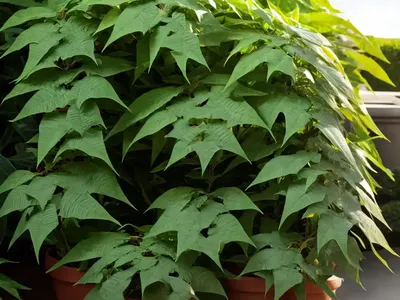
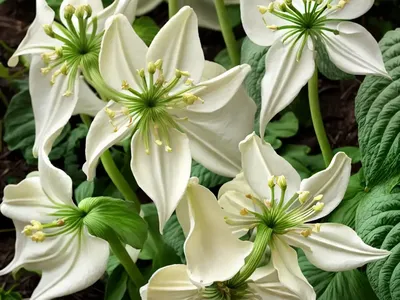
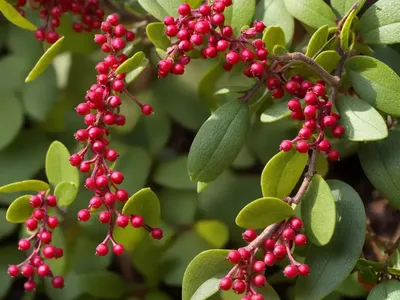
Berberis X Stenophylla (Rosemary Barberry)
Berberis x stenophylla, commonly known as Rosemary Barberry, is a versatile and visually appealing shrub that is popular among gardeners and landscapers.
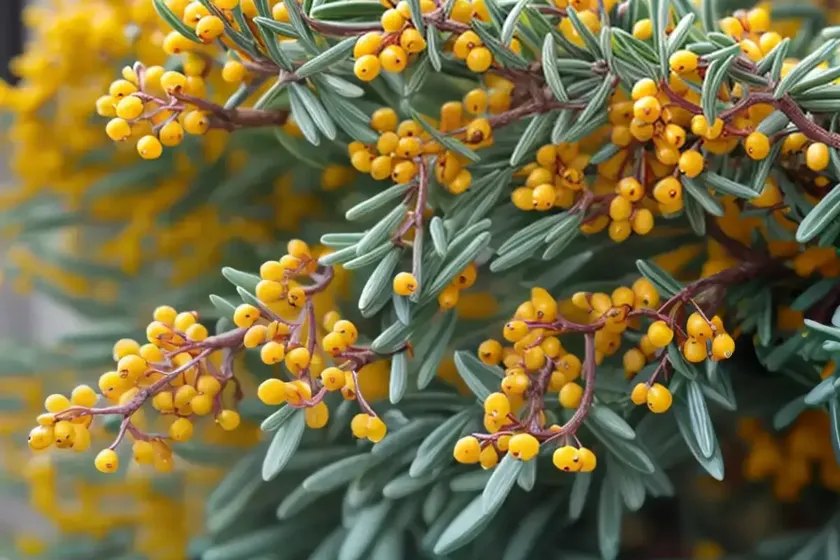
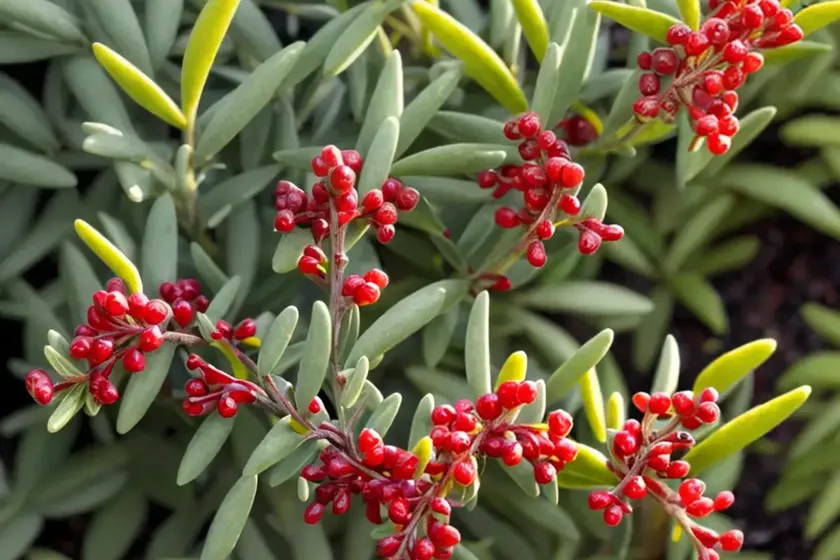
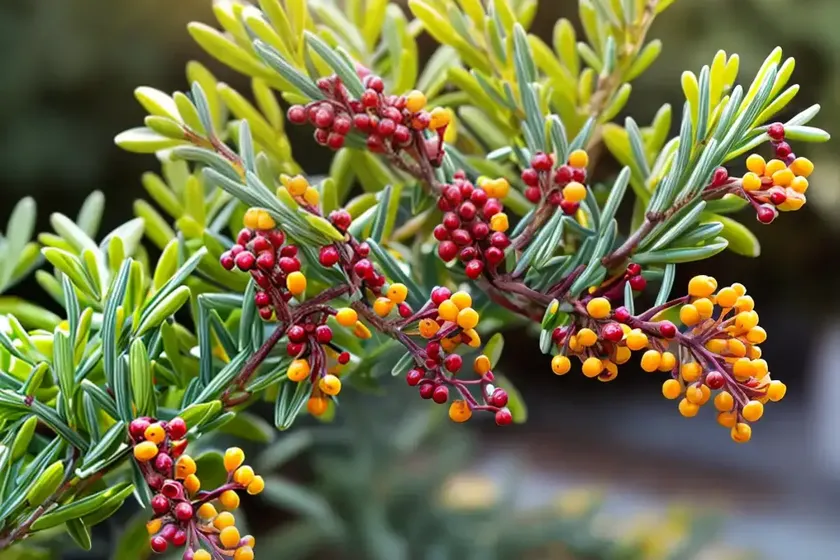
Berberis x stenophylla, commonly known as Rosemary Barberry, is a versatile and visually appealing shrub that is popular among gardeners and landscapers alike. Its unique features, cultural adaptability, and various uses make it a valuable addition to any garden or landscape design. In this comprehensive guide, we will explore the different aspects of Berberis x stenophylla, from its cultural requirements and uses to maintenance tips and interesting facts, providing valuable insights for both beginners and experienced gardeners.
What is Berberis x stenophylla?
Berberis x stenophylla is a hybrid plant that belongs to the Berberidaceae family. This evergreen to semi-evergreen shrub is a cross between Berberis darwinii and Berberis stenophylla, resulting in a unique combination of traits that make it an attractive option for ornamental and landscaping purposes.
- Scientific Name: Berberis x stenophylla
- Common Name: Rosemary Barberry
- Family: Berberidaceae
- Origin: Hybrid origin, selected for its ornamental qualities
Key Takeaways – Berberis x stenophylla (Rosemary Barberry)
Before delving into the specific care and maintenance aspects of Berberis x stenophylla, let’s explore some key takeaways about this versatile plant.
-
Cultural Uses: Rosemary Barberry is popular for its ornamental value, including its evergreen foliage, vibrant flowers, and decorative berries. It is often utilized in landscaping, hedges, and mixed borders to add visual interest and structure to outdoor spaces.
-
Water Requirements: Berberis x stenophylla generally prefers well-drained soil and slightly moist conditions. Consistent watering is crucial during its establishment period, but it can tolerate occasional dry spells once established.
-
Sunlight Needs: This plant thrives in full sun to partial shade, making it adaptable to a range of light conditions. It is important to provide adequate sunlight for optimal growth and flowering.
-
Soil Preferences: Rosemary Barberry prefers fertile, well-drained soil with a slightly acidic to neutral pH. Amending the soil with organic matter can enhance its growth and overall health.
-
Pruning: Pruning is essential to maintain the desired shape and size of the plant. Regular pruning can also promote flowering and prevent overgrowth in garden settings.
-
Propagation Methods: It can be propagated through both seeds and vegetative methods such as cuttings. Understanding the best approach for propagation can ensure successful reproduction of this unique plant.
-
Container Gardening: While primarily grown in garden settings, Berberis x stenophylla can also thrive in containers, making it a versatile option for balcony gardens and urban spaces.
These key takeaways provide a glimpse into the diverse characteristics and requirements of Berberis x stenophylla, setting the stage for a detailed exploration of its cultural considerations and maintenance practices.
Culture
Water
Berberis x stenophylla has moderate water requirements and prefers well-drained soil. Understanding its water needs is essential for maintaining its health and promoting vigorous growth.
-
Watering Schedule: During its initial establishment phase, it is important to water the plant regularly to ensure that the root system develops properly. Once established, it can tolerate periods of drought, but consistent watering during dry spells can promote optimal growth and flowering.
-
Soil Moisture: It thrives in soil that is consistently moist but not waterlogged. Soggy conditions can lead to root rot, so it is crucial to monitor the soil moisture levels and adjust the watering frequency accordingly.
-
Mulching: Applying a layer of organic mulch around the base of the plant can help retain soil moisture and regulate temperature, promoting a healthy growing environment for Berberis x stenophylla.
-
Watering Techniques: When watering, it is important to provide enough moisture to penetrate the root zone. Deep, thorough watering is generally more effective than frequent shallow watering.
Sunlight
Berberis x stenophylla exhibits a versatile nature when it comes to sunlight requirements, thriving in various light conditions ranging from full sun to partial shade.
-
Full Sun Exposure: When grown in full sun, the plant tends to exhibit vigorous growth and abundant flowering, making it an ideal choice for sunny garden locations.
-
Partial Shade: In partial shade, the plant adapts well and can still produce an impressive display of foliage and flowers. This adaptability makes it suitable for different areas within the landscape.
-
Sunlight for Flowering: Providing adequate sunlight is crucial for promoting blooming in Berberis x stenophylla. Ensuring that it receives at least 6-8 hours of sunlight per day can contribute to a profusion of vibrant flowers.
-
Adjusting for Climate: In warmer climates, providing some afternoon shade can prevent the foliage from scorching, while in cooler climates, exposure to full sun can enhance its overall vigor.
Fertilizer
Fertilizing Berberis x stenophylla can contribute to its overall health, foliage color, and flowering performance. Understanding the appropriate fertilization practices is essential for maximizing its ornamental value.
-
Timing: Spring is generally the best time to apply fertilizer, as it coincides with the plant’s active growth period. However, a light application of balanced fertilizer in late winter can also provide the necessary nutrients for the upcoming growth season.
-
Fertilizer Type: A balanced, slow-release fertilizer formulated for shrubs can be suitable for Berberis x stenophylla. Additionally, fertilizers with a higher potassium content can promote vibrant flower color and overall plant health.
-
Application Method: Carefully following the recommended dosage on the fertilizer label and evenly distributing it around the root zone can prevent overfeeding and ensure that the plant receives the necessary nutrients.
-
Organic Options: Organic fertilizers such as compost, well-rotted manure, and alfalfa meal can also provide a source of slow-release nutrients for the plant while improving soil structure and microbial activity.
Soil
The soil preferences of Berberis x stenophylla play a significant role in its overall health and growth performance. Understanding its soil requirements is crucial for creating an optimal growing environment.
-
Drainage: Well-drained soil is essential for Berberis x stenophylla to prevent waterlogging, which can lead to root rot and other issues. Amending heavy clay soils with organic matter can improve drainage and aeration.
-
pH Level: Generally, a slightly acidic to neutral soil pH is suitable for Berberis x stenophylla. Conducting a soil test can help determine the existing pH level and make necessary adjustments with the addition of appropriate amendments.
-
Soil Amendments: Incorporating organic matter such as compost, peat moss, or well-rotted manure can improve soil structure, fertility, and moisture retention, creating an ideal growing medium for the plant.
-
Mulching Benefits: Mulching not only helps conserve soil moisture but also contributes to soil improvement over time as the organic mulch breaks down, releasing nutrients and enhancing microbial activity.
Pruning
Proper pruning is essential for maintaining the desired shape, size, and overall appearance of Berberis x stenophylla. Additionally, regular pruning can promote flowering, remove dead or diseased wood, and prevent overcrowding.
-
Pruning Time: Early spring or late winter is generally the best time to prune Berberis x stenophylla before the new growth begins. However, minimal shaping and maintenance pruning can be carried out throughout the growing season as needed.
-
Tools: Using sharp, clean pruning tools such as hand pruners, loppers, and pruning saws can ensure clean cuts and minimize the risk of damage to the plant.
-
Pruning Techniques: When pruning, it is important to remove any dead, damaged, or diseased branches first. Shaping the plant to maintain its natural form and removing overly vigorous growth can also contribute to its overall health and appearance.
-
Pruning Considerations: Avoid heavy pruning that removes more than one-third of the plant’s overall growth, as this can stress Berberis x stenophylla and affect its flowering and vigor. Instead, opt for selective pruning to maintain a balanced and aesthetically pleasing shape.
Propagation
Berberis x stenophylla can be propagated through various methods, including seeds and vegetative techniques such as cuttings. Understanding the propagation options can enable gardeners to multiply their plant stock and share this unique species with others.
Propagation by Seeds
-
Seed Collection: Collect mature, fully ripened berries from the plant and extract the seeds by gently crushing the berries or soaking them in water to separate the seeds from the flesh.
-
Seed Treatment: Scarifying the seeds by rubbing them lightly with sandpaper or soaking them in warm water can improve germination rates by breaking through the hard seed coat.
-
Sowing: Plant the seeds in seed-starting trays or pots filled with a well-draining, moist seed-starting mix. Gently press the seeds into the soil surface and cover them lightly with additional mix.
-
Germination: Place the trays in a warm, brightly lit area and keep the soil consistently moist but not waterlogged. Germination can occur within a few weeks to a few months, depending on the species.
Propagation by Cuttings
-
Cutting Selection: Select healthy, non-flowering stem cuttings from the parent plant, making sure they are about 4-6 inches long with several leaf nodes.
-
Rooting Hormone: Dip the cut end of the stem in a rooting hormone powder to promote root formation. This step can enhance the success rate of the cuttings by stimulating root development.
-
Planting Cuttings: Place the prepared cuttings in well-draining propagation medium, such as a mix of perlite and peat moss. Firm the medium around the base of the cutting to provide stability.
-
Rooting Environment: Create a humid environment for the cuttings by covering the container with a clear plastic dome or placing it inside a clear plastic bag. This can help retain moisture and promote successful rooting.
-
Rooting Time: It generally takes several weeks for the cuttings to develop roots. Once roots have formed, the cuttings can be transplanted into individual pots and gradually acclimated to normal growing conditions.
Container Gardening
Berberis x stenophylla can thrive in container environments, making it an excellent option for gardeners with limited space or those looking to create a striking focal point on patios, balconies, or outdoor living areas.
-
Container Selection: Choose a spacious container with adequate drainage holes to ensure proper water management and prevent waterlogging. Selecting a container that complements the plant’s size and aesthetic appeal is important for visual harmony.
-
Growing Medium: Use a high-quality, well-draining potting mix to provide the necessary support and moisture retention for Berberis x stenophylla in a container setting.
-
Watering Considerations: Container-grown plants may require more frequent watering, especially during hot, dry periods. It is important to monitor the soil moisture and water when the top inch of the soil feels dry to the touch.
-
Sunlight Requirements: Place the container in a location that receives adequate sunlight, whether it’s on a sunny balcony, terrace, or patio. Ensuring that the plant receives the necessary sunlight is essential for its overall health and vigor.
-
Overwintering: In regions with cold winters, consider protecting the container-grown plant by placing it in a sheltered area or using insulation to prevent root damage from freezing temperatures.
-
Regular Maintenance: Container-grown Berberis x stenophylla may require occasional pruning and repotting to maintain its size and health. Regularly check for compacted roots and consider repotting into a larger container if needed.
Popularity
Berberis x stenophylla has gained popularity among gardeners, landscapers, and horticultural enthusiasts for its distinctive qualities and versatile uses. Its ornamental value, cultural adaptability, and various landscaping applications contribute to its widespread appeal.
Garden and Landscape Uses
-
Border Plant: Due to its dense foliage and compact growth habit, Berberis x stenophylla is often utilized as a border plant to define garden beds, pathways, or garden borders. Its evergreen nature adds structure and visual interest year-round.
-
Hedging and Screening: The plant’s dense growth and thorn-bearing branches make it well-suited for creating hedges and privacy screens, providing a natural barrier and enhancing the aesthetics of outdoor spaces.
-
Mixed Borders: Berberis x stenophylla can be paired with other shrubs, perennials, and ornamental grasses to create visually appealing mixed borders that offer a diverse array of colors, textures, and heights.
-
Container Planting: As discussed earlier, the plant’s adaptability to container environments makes it a popular choice for balcony gardens, patios, and urban landscapes where space may be limited.
Ornamental Features
-
Evergreen Foliage: The glossy, dark green foliage of Berberis x stenophylla provides year-round visual appeal, adding color and texture to the landscape even during the winter months.
-
Flower Display: In late spring to early summer, the plant produces eye-catching clusters of bright yellow flowers, adding a splash of color and attracting pollinators to the garden.
-
Decorative Berries: Following the flowering period, the plant develops attractive, ornamental berries that range in color from red to dark purple, depending on the variety.
-
Thorn Structure: The presence of thorns on the branches not only adds a deterrent to unwanted access but also contributes to the plant’s overall texture and visual interest.
Ecological Benefits
-
Wildlife Attraction: The flowers and berries of Berberis x stenophylla attract beneficial pollinators such as bees and butterflies, contributing to the biodiversity of the garden ecosystem.
-
Habitat Qualities: Its dense growth habit and thorn-bearing branches provide shelter and nesting sites for small birds, offering a valuable habitat element in garden and landscape settings.
-
Natural Dye Source: The berries of some Berberis species, including Berberis x stenophylla, contain pigments that have been traditionally used to create natural dyes for textiles and crafts.
-
Drought Tolerance: The plant’s ability to tolerate periods of drought makes it suitable for water-wise gardening and sustainable landscape designs in regions with limited water resources.
Common Diseases
While Berberis x stenophylla is generally a resilient and low-maintenance plant, it can occasionally be affected by certain diseases. Understanding the common diseases and their prevention measures can help maintain the plant’s health and vitality.
Disease Prevention
-
Good Air Circulation: Planting Berberis x stenophylla in a location with adequate air movement can reduce the risk of fungal diseases such as powdery mildew and anthracnose.
-
Avoid Overcrowding: Providing adequate spacing between plants can prevent overcrowding and create a less favorable environment for disease development.
-
Proper Watering: Watering the plant at the base and avoiding overhead watering can prevent moisture-related diseases and minimize the risk of fungal infections.
-
Pruning Practices: Regularly removing dead or diseased branches and maintaining overall plant hygiene through proper pruning can prevent the spread of diseases within the plant.
Common Diseases
-
Powdery Mildew: A fungal disease that can cause a powdery white coating on the leaves, affecting the plant’s overall aesthetics. Improving air circulation and using fungicidal treatments can help manage this issue.
-
Leaf Spot: Characterized by the appearance of small, dark spots on the foliage, leaf spot diseases can be prevented through good garden hygiene, proper watering, and, if necessary, the application of fungicides.
-
Anthracnose: This fungal disease can lead to dark lesions on the leaves and stems, potentially causing defoliation and weakening the plant. Proper sanitation and cultural practices can help manage and prevent anthracnose.
Common Pests
Berberis x stenophylla is generally resistant to most pests, but it can occasionally be targeted by certain insect pests. Recognizing the common pests and implementing effective pest control measures can protect the plant from potential damage.
Pest Control Measures
-
Manual Removal: Regularly inspecting the plant for signs of pests and manually removing any visible insects can prevent pest populations from becoming established.
-
Natural Predators: Encouraging natural predators such as ladybugs, lacewings, and predatory mites in the garden can contribute to biological pest control and help manage pest populations.
-
Insecticidal Soap: If pest pressures increase, using insecticidal soap can effectively control soft-bodied pests such as aphids and spider mites without causing harm to beneficial insects.
Common Pests
-
Aphids: These small, soft-bodied insects can cluster on the new growth and undersides of the leaves, causing distorted growth and the secretion of honeydew. Regular monitoring and appropriate pest control methods can help manage aphid infestations.
-
Spider Mites: These tiny pests can cause stippling on the foliage and create fine webbing on the plant. Maintaining adequate humidity levels and using insecticidal soap can help control spider mite populations.
-
Leaf Miners: The larvae of certain insects can create tunnels within the leaves, resulting in visible damage. Pruning infested foliage and using insecticidal treatments can help manage leaf miner infestations.
By staying vigilant and employing proactive pest management strategies, gardeners can protect Berberis x stenophylla from potential infestations and ensure its long-term health and vitality.
Botanist’s Tips
In addition to the cultural considerations and maintenance practices discussed, here are some additional tips and insights for successfully growing and enjoying Berberis x stenophylla in garden and landscape settings.
-
Companion Planting: Pairing Berberis x stenophylla with companion plants such as ornamental grasses, conifers, and flowering perennials can create visually appealing combinations that enhance the overall garden impact.
-
Seasonal Care: Regularly monitoring the plant for changes in growth, flowering, and overall health during different seasons can help identify and address any specific care requirements based on seasonal variations.
-
Wildlife Attraction: Creating a wildlife-friendly garden setting with a diverse array of plants, including Berberis x stenophylla, can attract beneficial insects, birds, and other wildlife, contributing to the ecological balance of the garden.
-
Specific Landscape Design: Utilizing Berberis x stenophylla as a focal point or creating mass plantings can create visually striking landscape designs that highlight its ornamental qualities and versatility.
Fun Facts
- In some cultures, the berries of certain Berberis species, including Berberis x stenophylla, have been used in traditional medicine for their potential health benefits.
- Berberis x stenophylla can be found in various shades of green, ranging from light