Berberis Thunbergii ‘Fireball’ (Japanese Barberry)
Plants have been an essential part of human life, contributing to the natural ecosystem and providing various benefits. Among the wide array of plant.
Introduction
Plants have been an essential part of human life, contributing to the natural ecosystem and providing various benefits. Among the wide array of plant species, Berberis thunbergii ‘Fireball,’ commonly known as Japanese Barberry, stands out for its exquisite aesthetic appeal and ornamental value. In this comprehensive guide, we will delve into the intricacies of caring for and cultivating Berberis thunbergii ‘Fireball.’ By understanding its culture, uses, water and sunlight requirements, fertilizer and soil preferences, pruning techniques, propagation methods, container gardening, common diseases, and pest control, you’ll be equipped to nurture this stunning plant to its fullest potential.
What is Berberis thunbergii ‘Fireball’ (Japanese Barberry)?
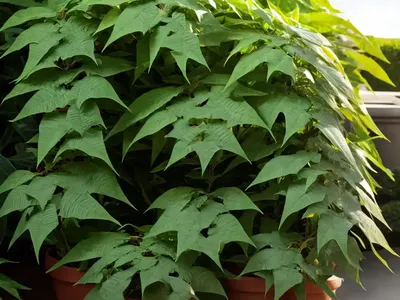
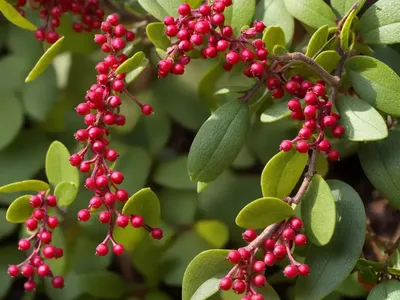
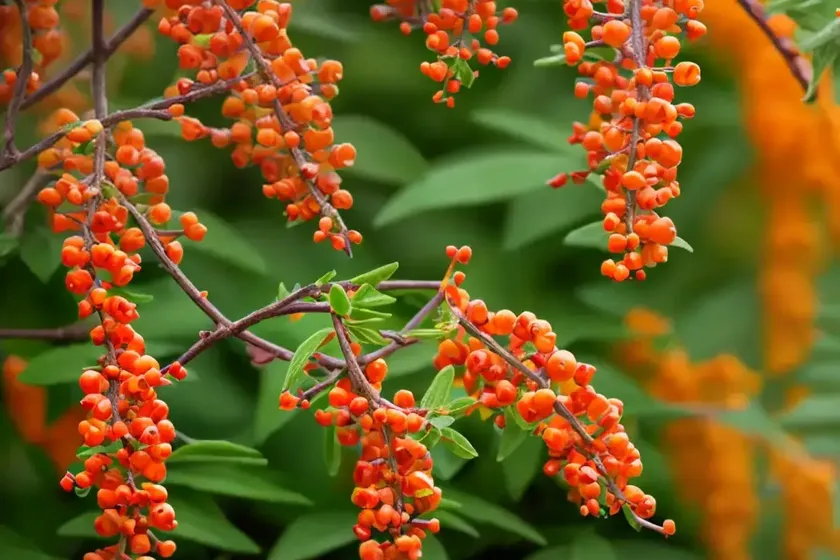
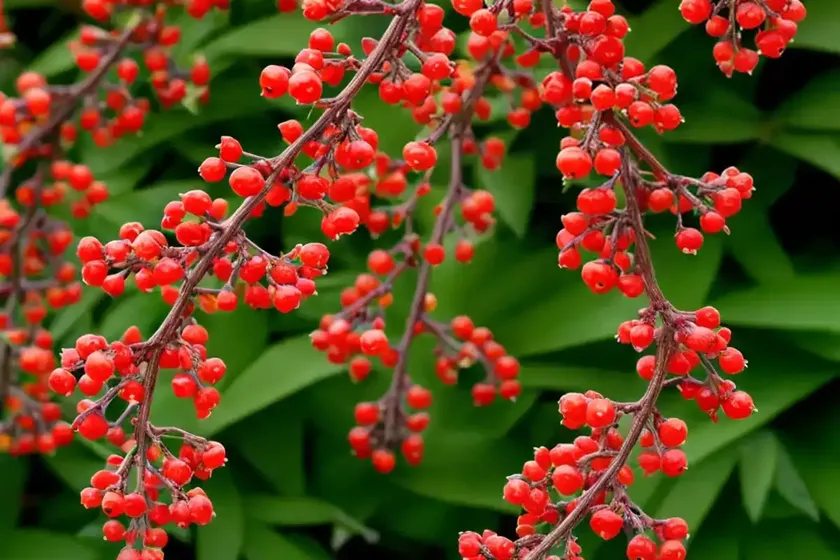
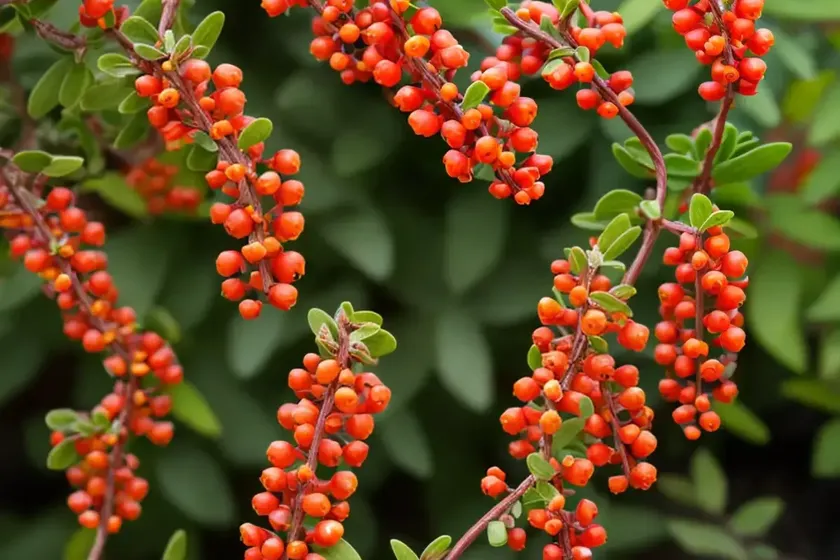
Berberis thunbergii ‘Fireball’ is a compact, deciduous shrub prized for its striking foliage and vibrant red color. It belongs to the Berberidaceae family and is native to Japan. This cultivar is renowned for its dwarf and rounded growth habit, making it a favored choice for landscaping and ornamental purposes. The name ‘Fireball’ aptly reflects the plant’s fiery foliage, which intensifies in color throughout the growing season, culminating in a dazzling autumnal display.
Key Takeaways – Berberis thunbergii ‘Fireball’ (Japanese Barberry)
As you embark on the journey of cultivating Berberis thunbergii ‘Fireball,’ it’s imperative to grasp the fundamental elements of its care and maintenance. Here are the key takeaways that we will explore in detail:
- Culture
- Uses
- Water
- Sunlight
- Fertilizer
- Soil
- Pruning
- Propagation
- Container Gardening
- Popularity
- Common Diseases
- Disease Diagnosis
- Common Pests
- Botanist’s Tips
- Fun Facts
- Links to External Resources
Let’s dive into each of these aspects to unveil the intricacies of nurturing this magnificent plant.
Culture
Understanding the cultural requirements of Berberis thunbergii ‘Fireball’ is crucial for ensuring its optimal growth and development. By comprehending its preferences for water, sunlight, soil, and fertilizer, you can create an environment that fosters the plant’s health and vitality.
Uses
The versatile nature of Berberis thunbergii ‘Fireball’ makes it suitable for various landscaping and ornamental applications. Its compact size and eye-catching foliage render it an ideal choice for the following uses:
- Borders and Edging: Create visually appealing borders and edging in garden beds and pathways.
- Accent Plant: Use it as a focal point in mixed plantings to inject vibrant color and texture.
- Containers: Cultivate it in containers to adorn patios, decks, and other outdoor spaces.
- Wildlife Gardens: Attract birds and beneficial insects, contributing to the ecological balance.
Water
Water is an essential element for the growth and sustenance of Berberis thunbergii ‘Fireball.’ While the plant exhibits a degree of drought tolerance once established, it is crucial to ensure adequate moisture, particularly during the initial establishment phase and prolonged dry spells.
Key Points for Watering:
– Initial Establishment: Provide regular watering to support root establishment during the first year after planting.
– Established Plants: Once established, the plant displays moderate drought tolerance; however, supplemental watering during extended dry periods promotes healthy growth.
– Watering Frequency: Water deeply and infrequently to encourage deep root growth, typically once or twice a week in the absence of rainfall.
Sunlight
Berberis thunbergii ‘Fireball’ thrives in full to partial sunlight, exhibiting its most vibrant foliage coloration in ample sunlight. Selecting an appropriate site with adequate sunlight is crucial for harnessing the plant’s ornamental appeal.
Sunlight Requirements:
– Full Sun: The plant flourishes in full sun, receiving at least 6 hours of direct sunlight daily.
– Partial Shade: While it tolerates partial shade, reduced sunlight may result in less intense foliage coloration.
Fertilizer
Appropriate fertilization practices play a pivotal role in promoting the growth, vigor, and visual appeal of Berberis thunbergii ‘Fireball.’ A balanced and targeted approach to fertilization can contribute to the plant’s overall health and resilience.
Fertilization Guidelines:
– Annual Feeding: Apply a balanced, slow-release fertilizer formulated for shrubs in early spring to support the plant’s growth and color development.
– Application Rate: Follow the manufacturer’s recommendations for application rates, considering the plant’s size and age.
Soil
The soil composition and quality profoundly influence the growth and performance of Berberis thunbergii ‘Fireball.’ Understanding the plant’s soil preferences is instrumental in creating an optimal growing environment.
Soil Preferences:
– Well-Drained Soil: Ensure well-drained soil to prevent waterlogging, which can adversely affect root health.
– pH Level: The plant thrives in slightly acidic to neutral soil with a pH range of 5.5 to 7.0.
– Organic Matter: Incorporating organic matter, such as compost, into the soil at planting enhances its fertility and structure.
Pruning
Pruning constitutes an essential aspect of Berberis thunbergii ‘Fireball’ maintenance, contributing to shape control, rejuvenation, and overall plant health. Understanding the principles and best practices of pruning is imperative for nurturing the plant effectively.
Pruning Guidelines:
– Timing: Conduct pruning in late winter or early spring before the onset of new growth.
– Sterilization: Use sterilized pruning tools to prevent the spread of diseases and ensure clean cuts.
– Maintenance Pruning: Regularly remove dead, damaged, or crossing branches to maintain the plant’s compact form.
Propagation
Expanding your Berberis thunbergii ‘Fireball’ collection or sharing its beauty with others can be accomplished through successful propagation. Understanding the propagation methods and best practices is essential for fostering new plants.
Propagation Techniques:
– Softwood Cuttings: Propagate the plant from softwood cuttings taken in late spring to early summer, utilizing a rooting hormone to enhance success.
– Division: Divide mature plants in early spring to create new individuals, ensuring that each division contains an adequate root system.
Container Gardening
The versatility and compact nature of Berberis thunbergii ‘Fireball’ make it well-suited for container gardening, offering an array of opportunities to adorn outdoor spaces with its vibrant foliage.
Container Considerations:
– Container Size: Select a spacious container that accommodates the plant’s root system and allows for future growth.
– Drainage: Ensure proper drainage by incorporating drainage holes in the container to prevent waterlogging.
– Soil Medium: Utilize a well-draining potting mix formulated for shrubs to provide essential nutrients and promote healthy growth.
Popularity
Berberis thunbergii ‘Fireball’ has garnered widespread popularity among gardeners and landscaping enthusiasts due to its exceptional ornamental qualities and versatile uses. Its distinctive features, including compact size, vibrant red foliage, and hardiness, contribute to its appeal in various gardening and landscaping settings.
Common Diseases
While Berberis thunbergii ‘Fireball’ exhibits resilience against many diseases, certain fungal infections and foliar issues may occasionally affect the plant. Understanding common diseases and their management is crucial for preserving the plant’s health and vitality.
Common Diseases:
– Powdery Mildew: A fungal disease characterized by white, powdery growth on the foliage, which can impact the plant’s aesthetic appeal.
– Leaf Spot: Manifests as dark spots on the leaves, potentially leading to defoliation and reduced vigor.
– Anthracnose: A fungal infection causing brown lesions on the leaves and cankers on the stems, necessitating prompt management.
Disease Diagnosis
Diagnosing and addressing diseases promptly is instrumental in preventing their spread and minimizing their impact on Berberis thunbergii ‘Fireball.’ By recognizing common symptoms and signs of diseases, you can implement timely interventions to safeguard the plant’s health.
Diagnostic Indicators:
– Fungal Growth: Presence of powdery white growth on the foliage indicates powdery mildew infection.
– Leaf Lesions: Dark spots, lesions, or irregular patterns on the leaves signify potential foliar diseases.
– Canker Formation: Development of sunken, discolored areas on the stems indicates possible anthracnose infection.
Common Pests
Although Berberis thunbergii ‘Fireball’ is relatively resistant to pest infestations, certain insects may pose occasional challenges to its health and vigor. Identifying common pests and implementing targeted control measures is essential for mitigating the risk of infestations.
Common Pests:
– Aphids: Small, soft-bodied insects that may colonize the foliage, leading to distorted growth and honeydew production.
– Spider Mites: These minuscule pests can cause stippling and webbing on the leaves, potentially weakening the plant.
– Scale Insects: Scale infestations may manifest as small, waxy bumps on the stems and leaves, impacting the plant’s overall vigor.
Botanist’s Tips
As a plant scientist, I’d like to share some valuable insights and tips for nurturing Berberis thunbergii ‘Fireball’ based on my expertise and experience:
Botanist’s Insights:
– Pruning Vigor Control: Regular and selective pruning can help manage the plant’s overall vigor and prevent excessive growth.
– Fungal Disease Prevention: Employ preventive measures, such as adequate spacing and airflow, to minimize the risk of fungal diseases, particularly in humid environments.
– Beneficial Companions: Pair Berberis thunbergii ‘Fireball’ with companion plants that complement its color and growth habits, fostering a harmonious garden aesthetic.
Fun Facts
Unveiling intriguing and captivating facts about Berberis thunbergii ‘Fireball’ adds a layer of fascination to the plant’s allure. Here are some captivating fun facts that highlight the plant’s unique characteristics and ecological significance:
Did You Know?
– The vibrant red foliage of Berberis thunbergii ‘Fireball’ intensifies as the temperatures cool in autumn, creating a stunning visual display.
– The thorny nature of the plant serves as a natural deterrent, making it a valuable addition to wildlife gardens and naturalized settings.
– Berberis species, including ‘Fireball,’ contribute to biodiversity by providing nectar for pollinators and shelter for small birds and beneficial insects.
Links to External Resources
To further augment your understanding of Berberis thunbergii ‘Fireball’ care and cultivation, here are some valuable external resources that offer in-depth insights, expert recommendations, and visual inspiration:
- Royal Horticultural Society – Berberis thunbergii ‘Fireball’
- Missouri Botanical Garden – Berberis thunbergii ‘Fireball’
- University of Florida IFAS Extension – Japanese Barberry for Southern Landscapes
- The American Phytopathological Society – Understanding and Controlling Diseases of Japanese Barberry
- National Gardening Association – Plant Care Guides for Berberis thunbergii
- The Spruce – Japanese Barberry Bushes: Planting, Pruning, and Advice
By exploring these reputable sources, you can access a wealth of knowledge, practical guidance, and expert recommendations to elevate your Berberis thunbergii ‘Fireball’ gardening endeavors.
In conclusion, the enchanting appeal and ornamental brilliance of Berberis thunbergii ‘Fireball’ make it a prized addition to diverse garden landscapes and naturalistic settings. By embracing the insights and recommendations outlined in this comprehensive guide, you can embark on a rewarding journey of nurturing and celebrating the resplendent beauty of this captivating plant.
Remember to immerse yourself in the journey of plant care, with a deep appreciation for the inherent splendor and ecological significance of Berberis thunbergii ‘Fireball.’ Happy gardening!