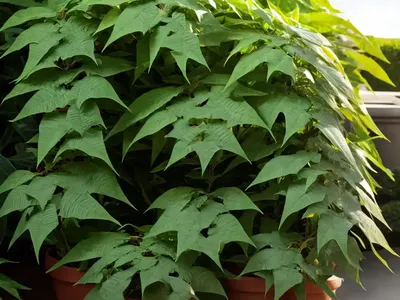
Berberis Thunbergii F. Atropurpurea (Purple Japanese Barberry)
The Berberis thunbergii f. atropurpurea, commonly known as the Purple Japanese Barberry, is a striking deciduous shrub that belongs to the Berberidaceae.
What is the Purple Japanese Barberry?
The Berberis thunbergii f. atropurpurea, commonly known as the Purple Japanese Barberry, is a striking deciduous shrub that belongs to the Berberidaceae family. This cultivar is renowned for its deep red to purple foliage, adding an element of elegance and color contrast to various landscapes. Originating from Japan, this plant has gained popularity among gardeners and landscapers due to its ornamental features and versatility in garden design. In this comprehensive guide, we will delve into the culture, uses, care, and maintenance of the Purple Japanese Barberry.
Key Takeaways – Berberis thunbergii f. atropurpurea (Purple Japanese Barberry)
Here are some key points to remember about Berberis thunbergii f. atropurpurea:
- Scientific name: Berberis thunbergii f. atropurpurea
- Common name: Purple Japanese Barberry
- Family: Berberidaceae
- Cultivar: atropurpurea
- Foliage color: Deep red to purple
- Origin: Japan
- Uses: Ornamental, hedging, landscaping
Now, let’s explore the various aspects of cultivating and caring for the Purple Japanese Barberry.
Culture
Water
Berberis thunbergii f. atropurpurea thrives in well-drained soil and performs best when the soil is consistently moist but not waterlogged. During its establishment phase, regular watering is essential to promote healthy root development. Once established, the plant exhibits a good tolerance to drought conditions.
Sunlight
This cultivar prefers full sun to partial shade, making it adaptable to a range of light conditions. In regions with hot summers, providing some afternoon shade can prevent leaf scorching, especially in extremely high temperatures.
Fertilizer
Applying a balanced, slow-release fertilizer in spring can enhance the growth and overall vigor of the Purple Japanese Barberry. Avoid over-fertilization, as this may lead to excessive vegetative growth at the expense of the plant’s natural form.
Soil
The Purple Japanese Barberry thrives in a variety of soil types, including loamy, sandy, and clay soils, as long as they are well-drained. However, it is essential to ensure that the soil pH remains slightly acidic to neutral for optimal growth and development.
Pruning
Pruning is an essential aspect of maintaining the desired shape and size of the Purple Japanese Barberry. It is best carried out in late winter to early spring before the onset of new growth. When pruning, it is crucial to wear protective gloves, as the plant’s thorns can cause injury. Regular removal of dead or diseased wood, as well as light shaping, can help promote a healthy and attractive shrub.
Propagation
Berberis thunbergii f. atropurpurea can be propagated through various methods, including:
- Softwood Cuttings: These are taken in early summer and rooted in a well-draining potting mix under high humidity.
- Division: This method involves separating the root ball into multiple sections, each containing viable roots and shoots.
- Seed: While feasible, germinating berberis seeds can be somewhat challenging, and the resulting plants may exhibit variation in characteristics compared to the parent plant.
Container Popularity
The Purple Japanese Barberry is also well-suited for cultivation in containers, adding a vibrant touch to patios, decks, or balconies. When grown in containers, the same cultural requirements apply, with a particular emphasis on maintaining adequate moisture levels and providing ample sunlight.
Common Diseases
Disease Diagnosis
A few common diseases that may affect the Purple Japanese Barberry include:
- Powdery Mildew: This fungal disease manifests as a white, powdery coating on the leaves and stems, often resulting from poor air circulation and high humidity.
- Anthracnose: Characterized by dark, sunken lesions on the leaves, anthracnose can lead to defoliation and overall decline if left unaddressed.
- Leaf Spot: Leaf spot diseases can present as circular lesions with distinct margins, eventually leading to premature leaf drop in severe cases.
Common Pests
The Purple Japanese Barberry can be susceptible to certain pests, including:
- Aphids: These small, soft-bodied insects can cluster on the undersides of leaves, causing distortion and discoloration of the foliage.
- Spider Mites: Spider mite infestations are often indicated by fine webbing on the plant, coupled with stippling and yellowing of the leaves.
- Scale Insects: Scale insects can be identified by their immobile, waxy shells on the stems and leaves, leading to weakened growth and a general decline in plant health.
Botanist’s Tips
To ensure the optimal growth and longevity of your Purple Japanese Barberry, consider the following tips:
- Regularly monitor for signs of pests and diseases, implementing appropriate control measures if necessary.
- Prune the plant selectively to maintain its natural form and allow for adequate air circulation within the canopy.
- When transplanting or propagating, handle the plant with care to avoid damage from its thorny branches.
Fun Facts
- The deep red or purple foliage of Berberis thunbergii f. atropurpurea provides a stunning contrast when paired with green-leaved plants in the garden.
- This cultivar is prized for its hardiness and adaptability, making it a popular choice for both novice and experienced gardeners.
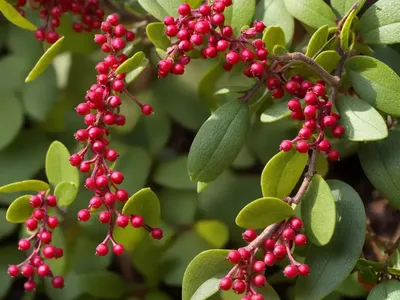
- The Purple Japanese Barberry serves as a valuable habitat plant for birds, attracting them with its small, colorful berries.
Links to External Resources
For further reading and detailed information about the Purple Japanese Barberry, you may find the following resources useful:
- The Royal Horticultural Society – Berberis thunbergii ‘Atropurpurea’
- Missouri Botanical Garden – Berberis thunbergii f. atropurpurea
In conclusion, the Purple Japanese Barberry, with its captivating foliage and versatile nature, stands as an excellent addition to diverse garden settings. By understanding its cultural requirements, dealing with potential pests and diseases, and utilizing proper propagation and pruning techniques, enthusiasts can enjoy the enduring beauty of this remarkable shrub.
Remember to always consider the specific growing conditions in your area and consult with local horticultural experts for tailored advice on nurturing Berberis thunbergii f. atropurpurea in your garden.