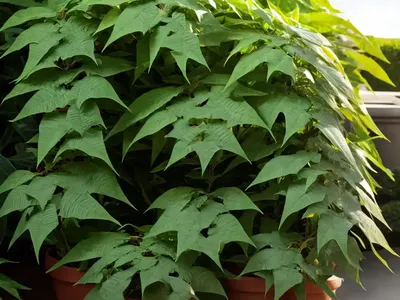
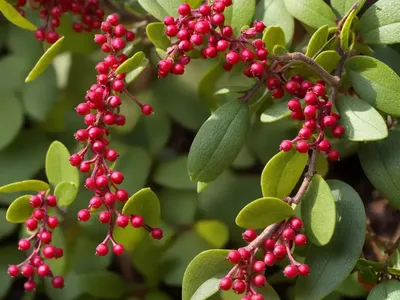
Berberis Thunbergii ‘Crimson Pygmy’ (Japanese Barberry)
Berberis thunbergii ‘Crimson Pygmy’, commonly known as Japanese Barberry, is a popular and versatile shrub that belongs to the Berberidaceae family. This.
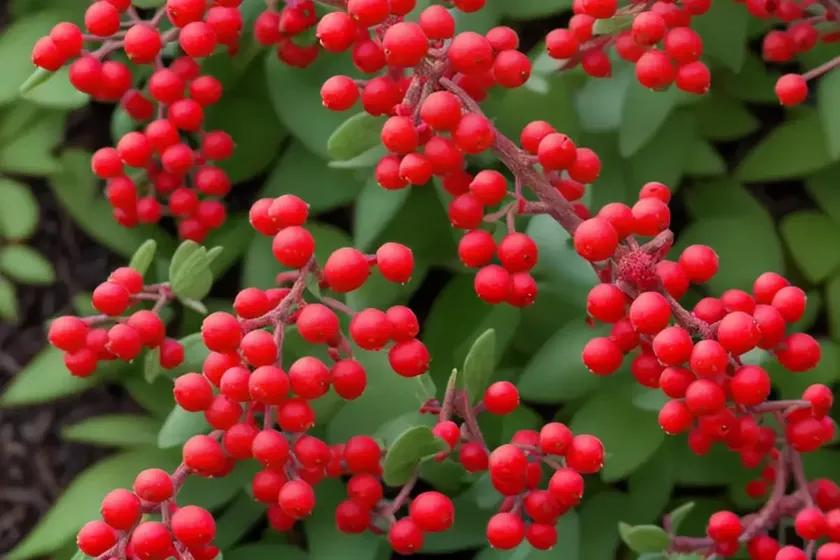
What is Berberis thunbergii ‘Crimson Pygmy’ (Japanese Barberry)?
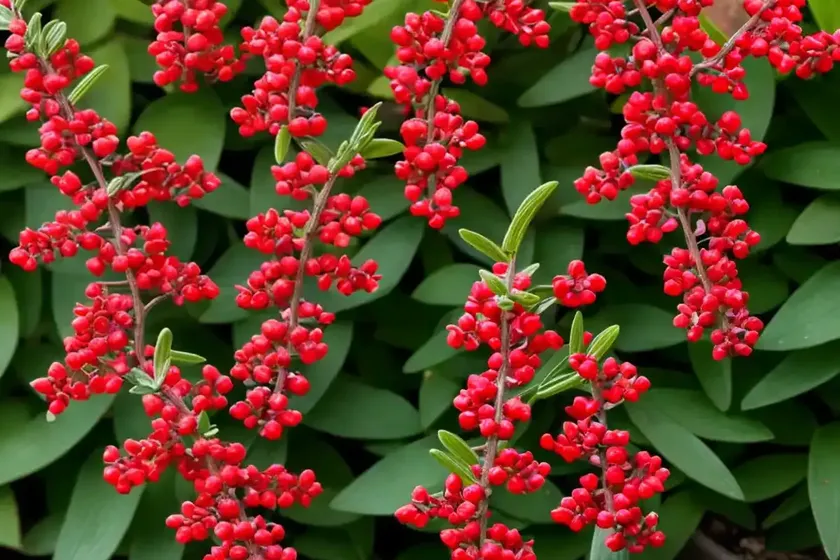
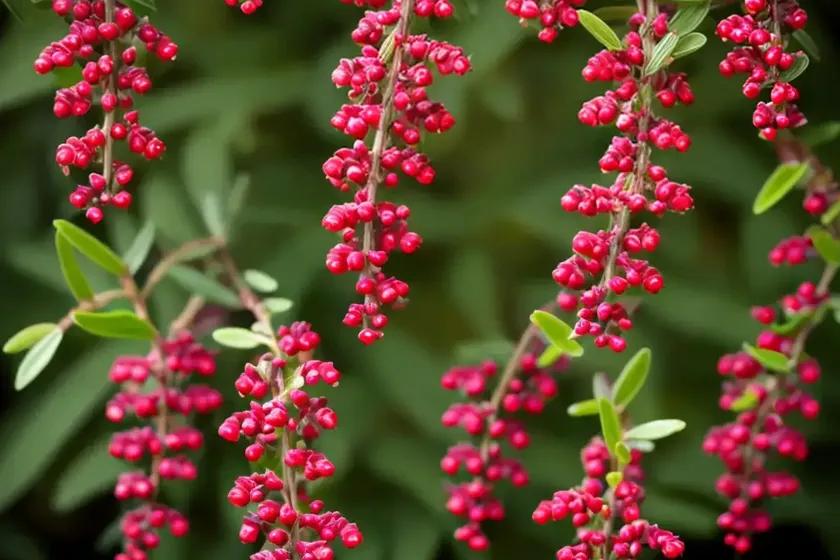
Berberis thunbergii ‘Crimson Pygmy’, commonly known as Japanese Barberry, is a popular and versatile shrub that belongs to the Berberidaceae family. This cultivar is prized for its stunning crimson foliage and compact growth habit, making it an excellent choice for hedges, borders, or ornamental landscaping. The Japanese Barberry is a deciduous shrub with an average height and spread of 2 to 3 feet, giving it a pleasing, rounded form. Its vibrant foliage and tolerance to various environmental conditions make it a valuable addition to gardens and landscapes.
Key Takeaways – Berberis thunbergii ‘Crimson Pygmy’ (Japanese Barberry)
Before delving into the comprehensive guide for Japanese Barberry, here are the key takeaways that will be covered in this article:
- Culture
- Uses
- Water
- Sunlight
- Fertilizer
- Soil
- Pruning
- Propagation
- Container Popularity
- Container Common Diseases
- Disease Diagnosis
- Common Pests
- Botanist’s Tips
- Fun Facts
- Links to External Resources
Culture
Water
Japanese Barberry is known for its adaptability to various moisture levels. Once established, it displays good drought tolerance and can thrive in average, well-drained soils. However, for optimal growth and health, it is recommended to water newly planted Japanese Barberry regularly to help establish a healthy root system. During prolonged dry periods, supplemental watering is beneficial, especially for barberries that are grown in containers or in environments with limited access to natural rainfall.
Sunlight
As a sun-loving species, Berberis thunbergii ‘Crimson Pygmy’ thrives in full sun to partial shade. It exhibits the best coloration and growth rates when planted in locations that receive at least 6 to 8 hours of direct sunlight daily. In areas with extremely hot climates, providing partial shade during the hottest part of the day is advisable to prevent leaf scorching.
Uses
Japanese Barberry is valued for its diverse uses in landscaping and gardening. Some common applications include:
- Hedges: Its compact growth habit and dense foliage make it an excellent choice for creating formal or informal hedges. The vibrant crimson leaves add an appealing visual interest to the landscape.
- Borders: Japanese Barberry is well-suited for border plantings, where the striking foliage provides an attractive contrast to surrounding plants.
- Ornamental Plantings: Its compact size and colorful foliage make it an ideal addition to mixed borders, foundation plantings, or as a standalone specimen in the landscape.
Fertilizer
Berberis thunbergii ‘Crimson Pygmy’ generally thrives in average, well-drained soils and does not have stringent fertilization requirements. However, a light application of a balanced, slow-release fertilizer in early spring can help promote healthy growth and vibrant foliage coloration. It is advisable to follow the manufacturer’s instructions for the appropriate dosage and application method to prevent over-fertilization.
Soil
Japanese Barberry adapts well to a variety of soil types, including loamy, sandy, or clay soils, provided they are well-drained. It prefers slightly acidic to slightly alkaline soil pH levels ranging from 6.0 to 7.5. Before planting, it is beneficial to amend excessively compacted or poorly draining soils with organic matter to improve soil structure and fertility.
Pruning
Pruning is an important aspect of maintaining the health and aesthetic appeal of Berberis thunbergii ‘Crimson Pygmy’. Regular pruning helps to rejuvenate the plant, control its size, and promote bushier growth. The ideal time for pruning Japanese Barberry is in late winter to early spring before the onset of new growth. It is recommended to remove dead, damaged, or diseased branches, as well as any crossing or crowded stems.
Propagation
Japanese Barberry can be propagated through several methods, including:
- Softwood Cuttings: Softwood cuttings taken from the current season’s growth in late spring or early summer can be rooted to produce new plants.
- Division: Established plants can be divided in early spring, with the divided sections replanted to produce new specimens.
- Seeds: Though less commonly used due to the variability in seedlings, Japanese Barberry can be propagated from seeds collected from mature fruits.
Container Popularity
The compact size and attractive foliage of Berberis thunbergii ‘Crimson Pygmy’ make it a popular choice for container gardening. When grown in containers, it can be utilized for:
- Patio Plantings: Japanese Barberry makes an excellent addition to patio displays, providing vibrant color and visual interest in confined spaces.
- Accent Plantings: Container-grown Japanese Barberry can be used as a focal point in outdoor settings, such as on decks, balconies, or entranceways.
Container Common Diseases
While Japanese Barberry is relatively resistant to many common diseases, certain conditions in container environments can predispose it to issues such as root rot and powdery mildew. These can be managed through proper cultural practices, including avoiding overwatering and providing adequate air circulation around container-grown plants.
Disease Diagnosis
Japanese Barberry may occasionally suffer from diseases such as leaf spot, powdery mildew, or rust. It is important to practice good sanitation methods, including the removal and disposal of affected plant material, to prevent the spread of diseases within the landscape. Additionally, applying preventative fungicidal sprays according to the manufacturer’s recommendations can help minimize disease incidence.
Common Pests
Japanese Barberry is generally resistant to many pests, but it can occasionally attract aphids, scale insects, or spider mites. Regular monitoring of the plant and employing natural predators or appropriate insecticidal treatments can help manage pest infestations effectively.
Botanist’s Tips
Plant taxonomy: Berberis thunbergii ‘Crimson Pygmy’
Family: Berberidaceae
Genus: Berberis
Species: Thunbergii
Cultivar: Crimson Pygmy
Fun Facts
- The Japanese Barberry gets its name from the Swedish botanist Carl Peter Thunberg, who first described the species in the late 18th century.
- The vibrant crimson foliage of the ‘Crimson Pygmy’ cultivar intensifies in color during the fall, providing a striking display in the landscape.
- Japanese Barberry is known for its thorny branches, which serve as a natural deterrent to wildlife browsing.
Links to External Resources
For more information about Berberis thunbergii ‘Crimson Pygmy’ and related topics, please refer to the following external resources:
- Planting and Care Guide for Berberis thunbergii ‘Crimson Pygmy’ – The Spruce
- Invasive Plant Species: Japanese Barberry – USDA Forest Service
- Japanese Barberry: A Review of its Devils and Angels – NIH
- Barberry and Berberine: Aspects of Medicine – NIH
In conclusion, Berberis thunbergii ‘Crimson Pygmy’ (Japanese Barberry) is a versatile and visually striking shrub that offers an array of benefits for gardeners and landscapers. From its vibrant crimson foliage to its adaptability to various growing conditions, this cultivar continues to be a popular choice for creating colorful and low-maintenance landscapes. By incorporating the information provided in this comprehensive guide, enthusiasts can cultivate and enjoy the beauty of Japanese Barberry while effectively managing its care and maintenance.