Bella Sombra (Phytolacca Dioica)
Plants have always fascinated humans with their diverse forms, colors, and uses. Among the countless plant species in the world, the Bella Sombra.
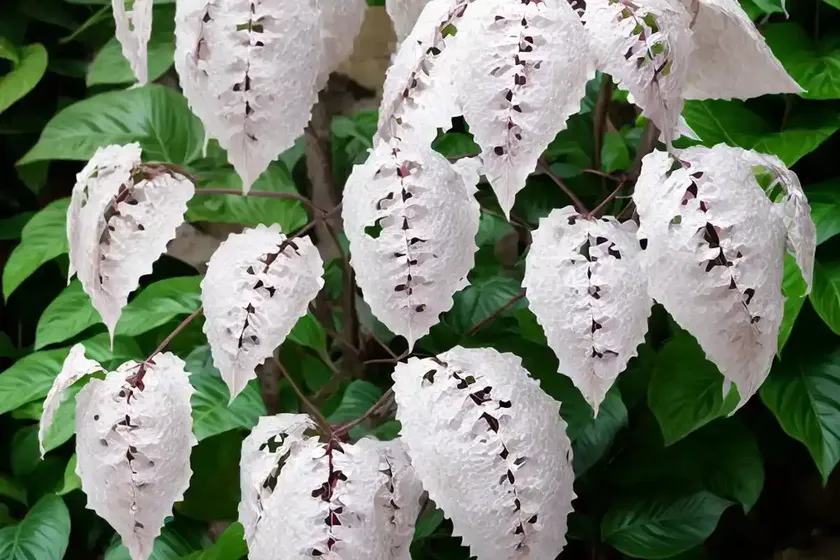
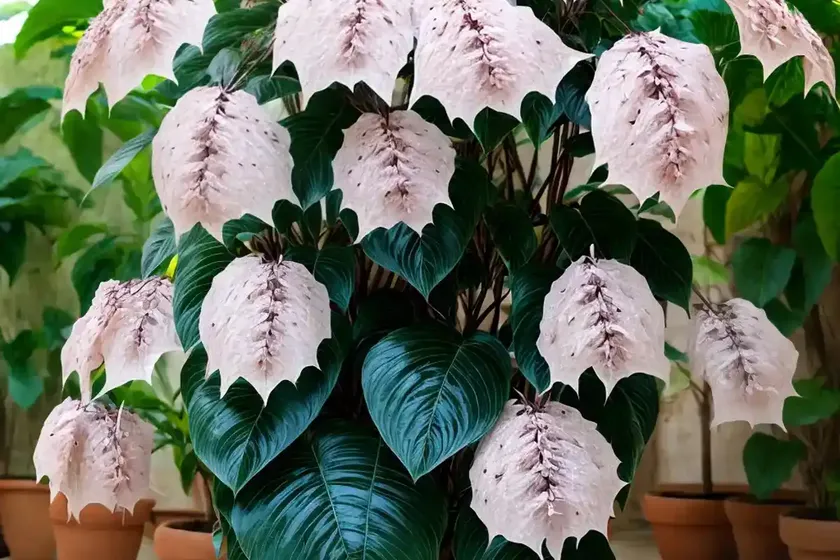
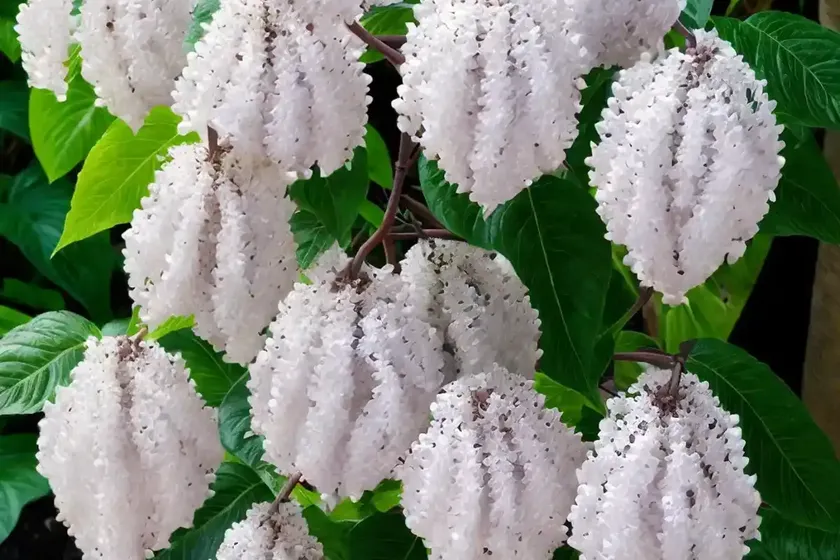
Plants have always fascinated humans with their diverse forms, colors, and uses. Among the countless plant species in the world, the Bella Sombra, scientifically known as Phytolacca Dioica, stands out due to its unique characteristics, cultural significance, and diverse uses. In this comprehensive guide, we will explore the intriguing world of Bella Sombra, delving into its botanical information, care requirements, cultural uses, and much more. Whether you are an avid gardener, a plant enthusiast, or simply curious about this exceptional species, this blog post aims to provide you with a deep insight into the world of Bella Sombra.
What is Bella Sombra (Phytolacca Dioica)?
Bella Sombra, also known as the Ombú tree or Phytolacca Dioica, is a fascinating plant species native to South America, particularly Argentina, Brazil, and Uruguay. It belongs to the family Phytolaccaceae and is characterized by its large, umbrella-like canopy and robust, thick trunk. The name “Bella Sombra” translates to “beautiful shade” in Spanish, alluding to the tree’s ability to provide ample shade with its expansive foliage.
Bella Sombra Botanical Information
- Scientific Name: Phytolacca Dioica
- Common Names: Bella Sombra, Ombú, Umbrella Thorn, Bella Sombra de la Pampa
- Family: Phytolaccaceae
- Native Range: South America (Argentina, Brazil, Uruguay)
Bella Sombra Plant Profile
- Foliage: Large, elliptic to ovate leaves with a deep green coloration
- Flowering: Small, greenish-white flowers borne in elongated clusters
- Fruit Production: Berries resembling small grapes, initially green and turning dark purple when ripe
Bella Sombra is a striking plant that commands attention with its unique appearance and cultural significance. Let’s embark on a journey to explore the care requirements, uses, and fascinating aspects of this remarkable plant.
Key Takeaways – Bella Sombra (Phytolacca Dioica)
Before delving into the details of Bella Sombra’s care and cultivation, let’s highlight the key takeaways that will guide us through the comprehensive exploration of this extraordinary plant:
- Botanical Information: Understand the scientific classification, native range, and basic characteristics of Bella Sombra.
- Cultural Uses: Explore the historical, traditional, and contemporary uses of Bella Sombra in various cultural contexts.
- Care Requirements: Learn about the essential factors for nurturing Bella Sombra, including water, sunlight, fertilizer, soil, pruning, and propagation.
- Container Popularity: Discover the suitability of Bella Sombra for container gardening and its potential as an ornamental species in landscapes.
- Common Diseases and Pests: Identify the prevalent diseases and pests that affect Bella Sombra and learn about effective management strategies.
- Botanist’s Tips: Gain valuable insights and practical advice from expert botanists for successfully growing and maintaining Bella Sombra.
- Fun Facts: Uncover intriguing and lesser-known facts about Bella Sombra that add to its allure and uniqueness.
With these key takeaways as our guide, let’s embark on a comprehensive journey to unravel the captivating world of Bella Sombra, exploring its care requirements, cultural significance, and fascinating attributes.
Bella Sombra holds a significant place in the cultural heritage of the regions where it is native. Revered for its majestic presence, traditional uses, and folklore, this remarkable plant has woven itself intricately into the fabric of the South American culture. Let’s delve into the cultural uses and symbolism associated with Bella Sombra, shedding light on its historical, traditional, and contemporary significance.
Uses
Traditional and Historical Uses
The history of Bella Sombra intertwines with the lives and traditions of indigenous communities and early settlers in South America. The plant has been utilized for a myriad of purposes, reflecting its versatility and importance in the cultural practices of the region.
- Shade Provider: Bella Sombra’s expansive canopy has long been cherished for its ability to provide respite from the intense South American sun. Traditionally, it served as a gathering place and a natural shelter for various activities, fostering a sense of community and connection.
- Medicinal Applications: Various parts of the Bella Sombra plant have been used in traditional medicine by indigenous populations. The leaves, bark, and roots were employed to prepare remedies for ailments, demonstrating the plant’s therapeutic potential.
- Craft and Construction: The robust wood of Bella Sombra has been utilized in crafting tools, furniture, and even small structures. Its ample foliage has also been employed in weaving and thatching, showcasing the plant’s multifaceted utility.
- Folklore and Symbolism: Bella Sombra holds cultural significance and symbolism in the folklore and traditions of South America. It is often associated with tales, myths, and rituals, enriching the cultural heritage of the region.
Contemporary and Landscape Uses
In modern times, Bella Sombra continues to play a vital role in shaping landscapes, providing ecological benefits, and serving as an emblem of cultural identity.
- Ornamental and Landscape Plant: With its striking appearance and impressive size, Bella Sombra is revered as an ornamental plant in parks, gardens, and urban landscapes. Its use as a focal point in landscape designs underscores its aesthetic appeal and cultural significance.
- Ecological Value: Bella Sombra’s role in ecological conservation and urban greening cannot be overstated. It contributes to biodiversity, provides habitat for wildlife, and enhances the quality of urban environments, aligning with the principles of sustainability and environmental stewardship.
As we unravel the uses of Bella Sombra and its deep-rooted cultural significance, it becomes evident that the plant occupies a special place in the hearts and traditions of South America.
Successful cultivation of Bella Sombra demands a sound understanding of its specific care requirements, encompassing crucial factors such as water, sunlight, soil, fertilization, pruning, and propagation. By providing optimal conditions and attending to the plant’s needs, enthusiasts can ensure the healthy growth and thriving of this exceptional species.
Water
Bella Sombra thrives in environments with consistent moisture levels, particularly during its initial establishment and periods of prolonged drought. Adequate watering and soil moisture management are instrumental in promoting the plant’s health and vitality. Here are key considerations for watering Bella Sombra:
- Establishment Phase: Newly planted Bella Sombra specimens benefit from regular watering to facilitate root establishment. It is advisable to keep the soil consistently moist but not waterlogged during this critical phase.
- Seasonal Watering: During the growing season, monitor the soil moisture and adjust the watering frequency based on climatic conditions. In hot and dry periods, increase the frequency of watering to prevent moisture stress.
Sunlight
As a sun-loving species, Bella Sombra thrives in environments that offer ample sunlight exposure. To ensure the vigorous growth and development of the plant, it is essential to provide suitable sunlight conditions. Consider the following points when addressing the sunlight requirements of Bella Sombra:
- Full Sun Exposure: Position Bella Sombra in locations that receive full sun, characterized by direct sunlight for the majority of the day. This enables the plant to undergo optimal photosynthesis and maximize its growth potential.
- Shading Considerations: While Bella Sombra emphasizes the importance of sunlight, young specimens may benefit from partial shading in extremely intense climates to prevent sunscald and stress.
Fertilizer
Proper nutrition is crucial for the well-being of Bella Sombra, necessitating a balanced approach to fertilization that supports its growth and resilience. Selecting an appropriate fertilizer and adhering to a structured fertilization regimen are imperative for promoting the plant’s vigor. Take into account the following aspects when devising a fertilizer plan for Bella Sombra:
- Slow-Release Fertilizers: Opt for slow-release fertilizers that supply a steady stream of nutrients to the plant over an extended period. This ensures sustained nourishment without the risk of overfeeding or nutrient leaching.
- Nutrient Balance: Consider the specific nutrient requirements of Bella Sombra and choose a fertilizer formulation that provides an appropriate balance of essential macronutrients and micronutrients. This contributes to the overall health and vitality of the plant.
Soil
The soil composition and quality directly influence the growth and performance of Bella Sombra, making it imperative to select a well-suited soil type and address any soil-related concerns. Here are pivotal considerations pertaining to the soil requirements of Bella Sombra:
- Well-Draining Soil: Bella Sombra thrives in well-draining soils that prevent water accumulation and enhance aeration. Ensure that the soil has good permeability and does not retain excessive moisture, thereby averting the risk of root rot and other soil-related issues.
- Soil pH: Evaluate the soil pH and strive to maintain a slightly acidic to neutral range, typically between 6.0 and 7.0, to create an optimum growing environment for Bella Sombra.
Pruning
Strategic and prudent pruning is instrumental in shaping the growth, appearance, and overall health of Bella Sombra. By adopting appropriate pruning practices, enthusiasts can achieve desirable outcomes while preserving the plant’s natural form and beauty. Consider the following pruning guidelines for Bella Sombra:
- Formative Pruning: Engage in formative pruning during the early stages of Bella Sombra’s growth to establish a well-balanced and structurally sound framework. This involves removing any competing or crossing branches and shaping the plant to ensure uniform development.
- Maintenance Pruning: Regular maintenance pruning helps manage the size, density, and aesthetic appeal of Bella Sombra. Remove dead or damaged branches, thin out overcrowded areas, and refine the plant’s silhouette to maintain its attractive appearance.
Propagation
Propagating Bella Sombra allows enthusiasts to expand their plant collection, share its beauty with others, and contribute to its preservation. Various methods can be employed to propagate Bella Sombra, each offering unique advantages and requirements. Explore the following propagation techniques applicable to Bella Sombra:
- Seed Propagation: Collecting and sowing Bella Sombra seeds offers a straightforward and rewarding method of propagation. Carefully extract the seeds from mature berries, sow them in a well-prepared growing medium, and provide optimal conditions for germination and early growth.
- Cutting Propagation: Utilize stem cuttings from established Bella Sombra specimens to propagate new plants. Select healthy, non-flowering shoots, prepare the cuttings with precision, and employ appropriate techniques to facilitate their rooting and establishment.
The versatility of Bella Sombra extends to its suitability for container gardening, presenting an opportunity for enthusiasts to incorporate this remarkable species into their indoor and outdoor spaces. Whether displayed as a stunning standalone specimen or integrated into elaborate container compositions, Bella Sombra exudes a captivating presence in containers. Let’s explore its popularity in container gardening and the considerations for cultivating Bella Sombra in containers.
Ideal Container Selection
Selecting suitable containers to accommodate Bella Sombra necessitates thoughtful consideration of multiple factors, including size, material, and drainage. Opt for containers that align with the plant’s requirements and enable it to thrive in a contained environment. Consider the following aspects when choosing containers for Bella Sombra:
- Size Considerations: Choose containers with ample space to accommodate the root system of Bella Sombra and facilitate unrestricted growth. This provides the plant with the necessary room for development and diminishes the need for frequent repotting.
- Drainage Capacity: Ensure that the containers possess effective drainage capabilities, preventing water accumulation and promoting a well-ventilated root environment. Incorporate drainage holes or utilize well-draining substrates to optimize the container’s drainage capacity.
Indoor and Outdoor Display
Bella Sombra can be showcased as an interior or exterior container plant, embellishing living spaces, patios, and garden settings with its commanding presence. Each display option presents unique opportunities and considerations, allowing enthusiasts to leverage Bella Sombra’s adaptability and aesthetic appeal in diverse settings. Explore the indoor and outdoor display possibilities for Bella Sombra:
- Interior Elegance: Bring the allure of Bella Sombra indoors by placing it in well-lit, spacious areas that accentuate its striking foliage and architectural form. Use it as a focal point in atriums, conservatories, or spacious living areas to infuse elegance and greenery into interior spaces.
- Outdoor Grandeur: Harness the natural splendor of Bella Sombra in outdoor container arrangements, creating captivating displays on porches, terraces, and landscape features. Utilize its presence to anchor container compositions, contribute to outdoor aesthetics, and enhance the visual appeal of garden spaces.
Container Maintenance
Proper maintenance of Bella Sombra in containers entails regular attention to watering, fertilization, grooming, and container suitability. Implementing a comprehensive maintenance regimen ensures the sustained health and beauty of Bella Sombra, enhancing its performance in container settings. Consider the following maintenance practices for Bella Sombra in containers:
- Watering Consistency: Monitor the moisture levels in the container and adhere to a consistent watering schedule that prevents extremes of dryness or waterlogging. Tailor the watering frequency to suit the environmental conditions and the specific moisture needs of Bella Sombra.
- Fertilization Management: Provide balanced and appropriate fertilization to container-grown Bella Sombra, supplementing its nutritional requirements without inducing over-fertilization or nutrient imbalances.
- Grooming and Pruning: Regularly groom and prune Bella Sombra to maintain its appearance, control its size, and encourage healthy growth. Remove spent foliage, address any pest or disease issues, and shape the plant as needed to preserve its aesthetics.
The allure of Bella Sombra in container gardening lies in its ability to transform confined spaces into captivating showcases of natural beauty, enriching both indoor and outdoor environments with its majestic presence.
Despite its robust nature, Bella Sombra is susceptible to certain diseases that can compromise its health and aesthetics if left unaddressed. Recognizing the common diseases that afflict Bella Sombra and gaining insights into their causes, symptoms, and management strategies are essential for maintaining the plant’s vitality.
Disease Diagnosis
Comprehensive disease diagnosis aids in the identification and targeted management of ailments that affect Bella Sombra, enabling enthusiasts to employ timely and effective interventions to safeguard the plant’s well-being. Familiarize yourself with the common diseases that may afflict Bella Sombra and learn to recognize their diagnostic characteristics:
Powdery Mildew (Erysiphe spp.)
- Symptoms: White, powdery fungal growth on the upper and lower leaf surfaces, often accompanied by leaf distortion and stunted growth.
- Causes: High humidity, inadequate air circulation, and suboptimal environmental conditions favor the development of powdery mildew on Bella Sombra.
- Management: Implement cultural controls such as enhancing air circulation, maintaining proper plant spacing, and applying fungicidal treatments if necessary to mitigate powdery mildew infestations.
Root Rot (Multiple Pathogens)
- Symptoms: Yellowing, wilting, and eventual necrosis of the leaves, accompanied by root discoloration and decay in severely affected plants.
- Causes: Prolonged soil saturation, poor drainage, and overwatering contribute to the development of root rot in Bella Sombra.
- Management: Improve soil drainage, adjust watering practices, and consider utilizing fungicidal treatments to counteract root rot infections and prevent further spread.
Leaf Spot Diseases (Alternaria spp., Cercospora spp.)
- Symptoms: Circular to irregular lesions on the leaves, often exhibiting a dark margin and a contrasting center. Infected foliage may experience premature defoliation in severe cases.
- Causes: Prolonged leaf wetness, moderate temperatures, and high humidity create favorable conditions for the onset of leaf spot diseases on Bella Sombra.
- Management: Enhance air circulation, practice targeted watering, and employ preventive fungicidal applications to manage and mitigate leaf spot diseases in Bella Sombra.
Common Pests
Bella Sombra encounters various pests that can compromise its health and appearance if left unchecked. Familiarizing yourself with the common pests that afflict the plant enables you to implement proactive measures and targeted controls to protect Bella Sombra from pest-related damage.
Spider Mites (Tetranychidae spp.)
- Symptoms: Fine webbing on the underside of leaves, stippling or discoloration of foliage, and reduced plant vigor in heavily infested specimens.
- Management: Employ cultural controls such as enhancing humidity levels, practicing regular leaf rinsing, and applying predatory mites or insecticidal soaps to manage spider mite infestations.
Aphids (Aphidoidea spp.)
- Symptoms: Sticky honeydew deposits on foliage, distorted or curled leaves, and visible clusters of small, soft-bodied insects on the plant.
- Management: Introduce natural predators, such as ladybugs or lacewings, to control aphid populations and utilize horticultural oils or insecticidal soaps as targeted treatments.
Scale Insects (Coccoidea spp.)
- Symptoms: Small, immobile scale insects attached to the stems or leaves, often appearing as small bumps or growths. Infestations can lead to yellowing, wilting, and diminished plant health.
- Management: Employ mechanical controls, such as gently scraping off the scales, and utilize horticultural oils or insecticidal treatments to manage and suppress scale insect populations on Bella Sombra.
By becoming adept at diagnosing and managing the prevalent diseases and pests that affect Bella Sombra, enthusiasts can fortify the plant’s defenses and secure its flourishing under optimal conditions.
Harness the expertise and insights of botanists to elevate your approach to growing and caring for Bella Sombra. Drawing upon their wealth of knowledge and practical wisdom, you can implement valuable tips and recommendations to nurture and appreciate this magnificent plant.
Cultivation Tips
- Optimal Watering Practices: Institute a tailored watering schedule that responds to the specific moisture needs of Bella Sombra, striving to maintain consistent, moderate soil moisture levels throughout the growing season.
- Sunlight Requirements: Position Bella Sombra in locations that receive abundant sunlight to promote robust growth and an ample foliage canopy. Ensure that the plant’s sunlight needs are met to sustain its vigor.
- Soil Health Maintenance: Prioritize soil drainage and aeration by utilizing well-draining substrates, amending the soil as needed, and addressing any soil-related concerns that may compromise Bella Sombra’s vitality.
Nurturing Recommendations
- Early Establishment Care: Provide attentive care and support during the initial establishment of young Bella Sombra specimens, offering protection from extreme weather conditions and ensuring a favorable start to their growth.
- Monitoring and Vigilance: Regularly monitor Bella Sombra for signs of stress, nutrient deficiencies, or pest infestations, intervening promptly to address any issues and preserve the plant’s health.
Aesthetic Management
- Formative Pruning Guidance: Engage in formative pruning to shape and guide the growth of Bella Sombra during its early stages, sculpting a well-structured and visually appealing framework for


