Bella Palm (Chamaedorea Elegans)
Welcome to our in-depth guide to the Bella palm (Chamaedorea elegans), a magnificent and versatile plant renowned for its elegant appearance and.


Welcome to our in-depth guide to the Bella palm (Chamaedorea elegans), a magnificent and versatile plant renowned for its elegant appearance and low-maintenance care requirements. In this guide, we will delve into the intriguing world of the Bella palm, exploring its cultural needs, uses, growth habits, common diseases, and much more. Whether you are new to indoor gardening or seeking to enhance your botanical expertise, this comprehensive care guide is designed to cater to all levels of experience.
What is the Bella Palm (Chamaedorea Elegans)?
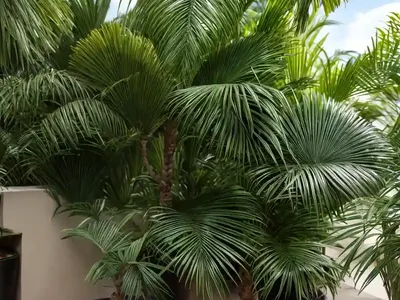
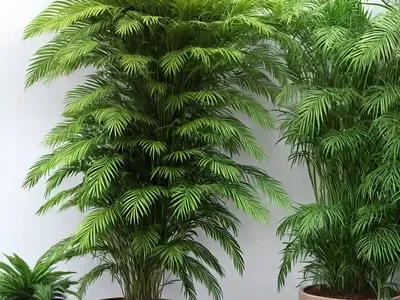
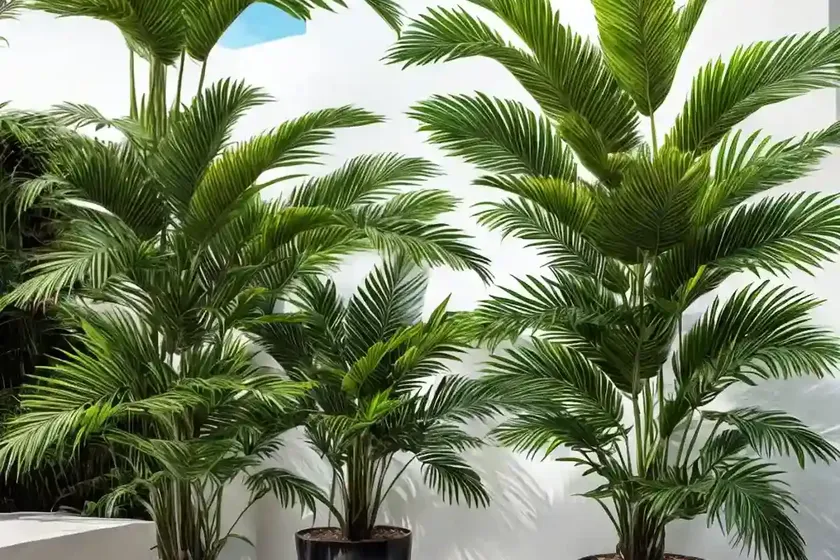
The Bella palm, scientifically known as Chamaedorea elegans, is a delightful perennial plant belonging to the family Arecaceae. Originating from the rainforests of Southern Mexico and Guatemala, this plant has thrived in indoor settings across the world. It is esteemed for its lacy, delicate fronds and its ability to add a touch of tropical elegance to any space. The Bella palm is a relatively compact plant, typically reaching a height of 3 to 7 feet (0.9 to 2.1 meters) when grown indoors, making it an ideal choice for various living environments.
Key Takeaways: Bella Palm (Chamaedorea Elegans)
Culture
- Scientific Name: Chamaedorea elegans
- Common Names: Bella Palm, Parlor Palm, Neanthe Bella Palm, and more.
- Family: Arecaceae (Palm family)
- Growth Habit: Evergreen, Clumping
- Origin: Southern Mexico and Guatemala
- Uses: Ornamental, Air-purifying
Uses
The Bella palm serves a multitude of purposes in indoor settings, including:
- Ornamental Purposes: It is highly prized for its aesthetic appeal, which adds a tropical and lavish ambiance to homes, offices, malls, and indoor landscapes.
- Air-Purifying Qualities: The plant efficiently purifies the indoor air by removing toxins such as formaldehyde, benzene, and carbon monoxide.
Water
Proper watering is essential for the well-being of the Bella palm. Here are the key aspects to consider when watering your beloved palm:
- Water Requirements:
- The Bella palm appreciates moist, but not waterlogged, soil. It’s crucial to ensure adequate drainage to prevent water stagnation.
- Water the plant thoroughly when the top inch of the soil feels dry.
-
Avoid overwatering, as excessive moisture can lead to root rot and other issues.
-
Water Schedule:
- In general, aim to water your Bella palm every 1-2 weeks, adjusting the frequency based on factors such as temperature and humidity.
- During the winter months or in cooler environments, you may need to water less frequently to prevent waterlogging.
Sunlight
Proper sunlight exposure is vital for the health and vitality of the Bella palm. Consider the following when determining its sunlight requirements:
- Light Preferences:
- The Bella palm thrives in bright, indirect light. It should be shielded from direct sunlight, especially during the hot afternoon hours, as this can scorch its delicate fronds.
-
Inadequate light can lead to leggy growth and a lack of vibrancy in its foliage.
-
Light Duration:
- Aim to provide the plant with 4-6 hours of indirect sunlight daily to ensure robust growth and vibrant foliage.
Fertilizer
Feeding your Bella palm with a balanced fertilizer is essential for promoting healthy growth and maintaining its lush appearance. Here’s what you need to know about fertilizer application:
- Fertilizer Type:
- Choose a balanced, water-soluble fertilizer with an N-P-K ratio of 3-1-2 or 3-1-3 to provide essential nutrients without the risk of over-fertilization.
-
Ensure the fertilizer contains micronutrients such as iron, magnesium, and manganese to support overall plant health.
-
Application Frequency:
- From spring to early fall, feed your Bella palm with a diluted, balanced fertilizer every 4-6 weeks.
- Refrain from fertilizing during the dormant winter months when the plant’s growth slows down.
Soil
Selecting the right potting mix is crucial for the Bella palm’s overall well-being and growth. Consider the following soil-related aspects:
- Potting Mix:
-
Opt for a high-quality, well-draining potting mix with good water retention properties. A blend containing peat moss, perlite, and coarse sand is ideal for promoting optimal root health and growth.
-
Soil Acidity:
- The Bella palm thrives in slightly acidic to neutral soil with a pH range of 6.0-7.5. Ensuring proper soil pH helps prevent nutrient deficiencies and enhances the plant’s overall vitality.
Pruning
Regular pruning and maintenance play a pivotal role in keeping your Bella palm in optimum condition. Here’s how to approach this essential aspect of care:
- Pruning Techniques:
- Remove any yellowing or damaged fronds by snipping them off near the base using clean, sharp scissors or pruning shears.
-
Lightly prune the plant to maintain its form and prevent overcrowding of foliage, fostering an open and airy growth habit.
-
Pruning Frequency:
- Conduct regular inspections and prune as needed throughout the year to keep the plant looking tidy and healthy.
Propagation
Understanding the propagation techniques for the Bella palm facilitates the expansion of your plant collection. Explore the following propagation methods:
- Division:
- Divide mature, healthy plants by carefully separating the root ball into smaller sections, ensuring each division has healthy roots and several stems.
-
Plant the divisions in separate containers with fresh potting mix and provide suitable care to encourage successful establishment.
-
Seed Propagation:
- While less commonly practiced due to the plant’s slow growth from seed, Bella palm seeds can be sown in a well-draining seed-starting mix and kept in a warm, humid environment to encourage germination.
Container Popularity
The Bella palm’s compact size and elegant appearance render it a popular choice for container cultivation. Consider the following aspects when choosing the right container for your palm:
- Container Selection:
- Opt for a container with sufficient drainage holes to prevent waterlogging.
-
Choose a pot that offers ample space for the plant’s roots to expand, promoting healthy growth.
-
Decorative Containers:
- Given its ornamental value, the Bella palm looks stunning in decorative containers that complement its lush, tropical appearance while adding a touch of elegance to any indoor setting.
Common Diseases
Despite its resilience, the Bella palm is susceptible to certain diseases that can hamper its growth and vitality. Being vigilant about disease management is crucial. Key disease-related aspects include:
- Common Diseases:
- Root Rot: Caused by overwatering and poorly draining soil, leading to the deterioration of the plant’s root system and subsequent decline in overall health.
-
Leaf Spot Diseases: Fungal infections such as Cercospora and Phyllosticta can cause unsightly leaf spots, impairing the plant’s aesthetic appeal if left untreated.
-
Disease Prevention:
- Ensure proper watering practices to prevent waterlogged soil and subsequent root rot.
- Maintain adequate air circulation and avoid overcrowding to minimize the risk of fungal leaf spot diseases.
Disease Diagnosis
Timely diagnosis of potential diseases is vital for effective disease management and the overall well-being of the Bella palm. Prompt identification and intervention can prevent the spread of diseases and mitigate their impact. Key pointers for disease diagnosis include:
- Symptom Identification:
- Monitor the plant for signs of wilting, yellowing, or browning of foliage, which could indicate root rot or fungal infections.
-
Examine the leaves and stems for the presence of unusual spots, lesions, or discoloration, which may signify the onset of fungal or bacterial diseases.
-
Professional Consultation:
- If you notice any concerning symptoms or are unsure about disease diagnosis, seek advice from a horticultural specialist or plant healthcare professional to address the issue promptly and effectively.
Common Pests
While generally robust, the Bella palm is occasionally plagued by pests that can compromise its health and appearance. Vigilance and preventive measures are crucial for managing common pests. Consider the following key elements related to pest management:
- Common Pests:
- Spider Mites: These tiny pests can cause stippling and webbing on the leaves, leading to a decline in the plant’s overall vigor.
-
Scale Insects: Scale insects can infest the plant and feed on its sap, causing yellowing, wilting, and overall decline in health if the infestation is severe.
-
Pest Control:
- Regularly inspect the plant for signs of pest infestation, particularly on the undersides of leaves and along the stems.
- Employ natural predators, such as predatory mites, to mitigate spider mite infestations and maintain a healthy balance of the plant’s ecosystem.
Botanist’s Tips
To further enhance the health and beauty of your Bella palm, consider the following expert tips from seasoned botanists and horticulturists:
- Humidity Enhancement:
-
Create a humid microclimate by placing the plant’s container on a pebble-filled tray with water. As the water evaporates, it increases the ambient humidity around the plant, mimicking its natural rainforest habitat.
-
Grooming Techniques:
- Wipe the palm’s fronds with a damp cloth regularly to remove dust and debris, promoting better photosynthesis and an immaculate appearance.
Fun Facts
- NASA Approved: The Bella palm has been recognized by NASA for its exceptional air-purifying qualities, making it an ideal choice for enhancing indoor air quality.
- Pet-Friendly: This plant is non-toxic to cats and dogs, making it a safe and pet-friendly addition to homes where furry companions roam.
By integrating these insights and practices into your Bella palm care routine, you can ensure the optimal health and beauty of this captivating plant, enhancing the ambiance of your indoor spaces and enjoying the numerous benefits it offers.
We hope you have found this comprehensive care guide illuminating and valuable, empowering you to cultivate and nurture your Bella palm with confidence and expertise.
Links to External Resources
- Bella Palm Care Tips
- Chamaedorea Elegans: The Indoor Palm for Greening the City
- Guide to Indoor Plants for Beginners
- Chamaedorea Elegans Diseases and Management
- Bella Palm: A Beautiful Addition to Your Indoor Garden
Remember, the journey of plant care is an ever-evolving and rewarding experience, and the insights you gain along the way will enrich your relationship with the natural world. Happy gardening!