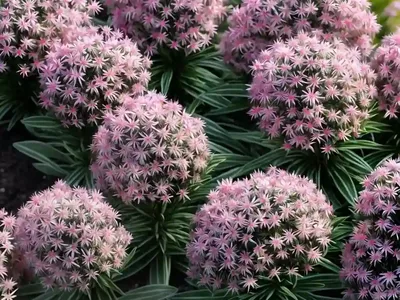
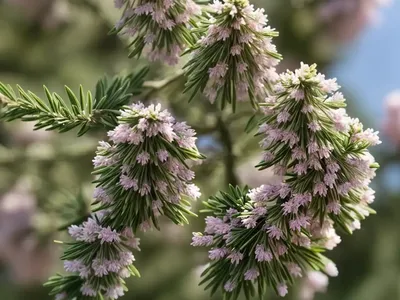
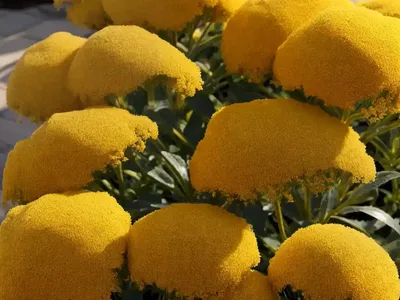
Bell Heather (Erica Cinerea)
Bell Heather (Erica Cinerea) is a beautiful evergreen flowering plant that belongs to the Ericaceae family. It is a popular choice in gardens and.
Introduction
Bell Heather (Erica Cinerea) is a beautiful evergreen flowering plant that belongs to the Ericaceae family. It is a popular choice in gardens and landscapes for its stunning display of bell-shaped flowers and its ability to thrive in various environmental conditions. This comprehensive guide will delve into the characteristics, cultivation, uses, and maintenance of Bell Heather, providing valuable insights for plant enthusiasts and gardeners alike.
What is Bell Heather (Erica Cinerea)?
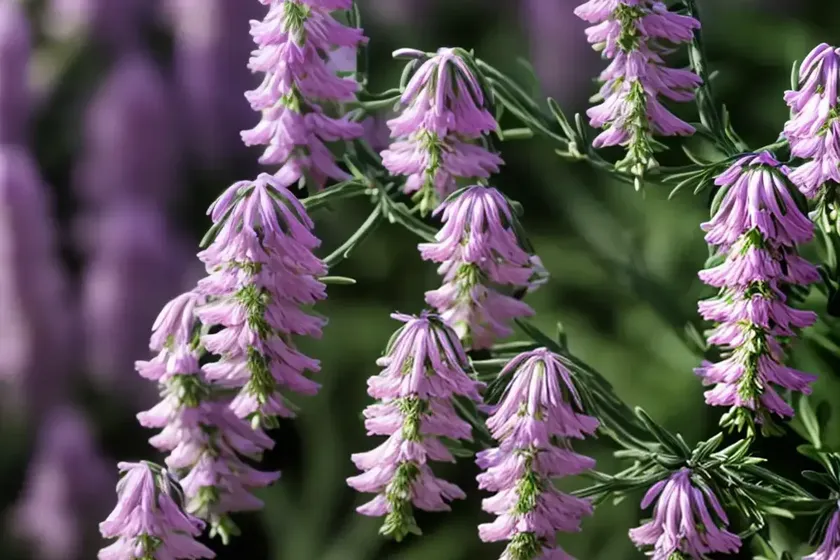
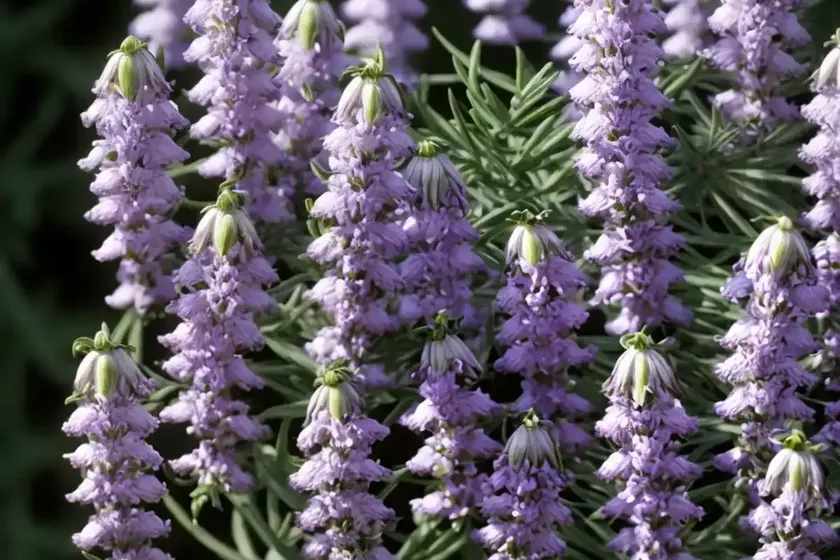
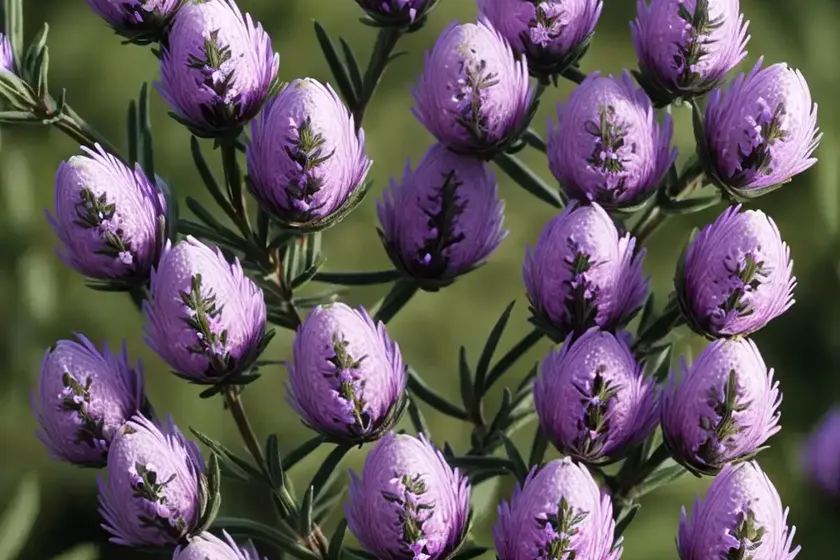
Bell Heather, scientifically known as Erica Cinerea, is a species of flowering plant native to Western and Central Europe. It is a low-growing, compact shrub with needle-like leaves and vibrant, bell-shaped flowers that bloom in varying shades of pink and purple. This species is valued for its ornamental qualities and is commonly used in rock gardens, heathland plantings, and as a low hedge or border plant.
Key Takeaways – Bell Heather (Erica Cinerea)
Culture
Habitat
- Bell Heather is indigenous to Western and Central Europe, where it thrives in open, acidic, and well-drained soils, particularly in heathland, moorland, and coastal habitats.
Uses
- It is primarily cultivated for its ornamental value, adding aesthetic appeal to rock gardens, heathland plantings, and coastal landscapes.
- Bell Heather also holds significance in traditional medicine due to its potential medicinal properties.
Water
- Bell Heather has moderate water requirements and thrives in well-drained soil. It is drought-tolerant once established, making it suitable for xeriscaping and low-water gardens.
Sunlight
- This plant thrives in full sun to partial shade and requires adequate sunlight for healthy growth and abundant flowering.
Fertilizer
- Minimal fertilizer is sufficient for Bell Heather, and it is best to avoid excessive nitrogen, opting for a balanced, slow-release fertilizer.
Soil
- The ideal soil for Bell Heather is acidic, well-drained, and low in fertility. It prefers sandy or loamy soils with a pH range of 4.5 to 5.5.
Pruning
- Pruning should be performed after flowering to maintain a compact, tidy form and encourage new growth. Removal of spent flowers can also promote prolonged flowering.
Propagation
- Bell Heather can be propagated from seeds or cuttings. Cuttings taken from semi-ripe wood in late summer to early autumn are most successful.
Container Popularity
- Bell Heather is well-suited for container gardening, adding a splash of color to patios, balconies, and other outdoor spaces.
Common Diseases
- Despite its hardiness, Bell Heather may be susceptible to fungal diseases such as powdery mildew and root rot if grown in poorly drained soil or crowded conditions.
Disease Diagnosis
- Symptoms of fungal infections on Bell Heather may include white powdery patches on leaves, wilted or discolored foliage, and stunted growth.
Common Pests
- It may be infested by spider mites, aphids, and scale insects, which can be managed through regular monitoring and appropriate pest control measures.
Botanist’s Tips
- When planting Bell Heather, ensure proper spacing and good air circulation to mitigate the risk of disease.
- Regularly inspect the plant for signs of pests or diseases and take preventive measures to maintain its health and vigor.
Fun Facts
- Bell Heather is an important food source for bees and other pollinators, contributing to the biodiversity of its native habitats.
- In some regions, Bell Heather has historical and cultural significance, featuring in folklore and traditional customs.
For further information regarding the plant care and other aspects, the readers can refer to the following resources:
- Royal Horticultural Society – Erica Cinerea
- The Plant List – Erica Cinerea
- Plant Heritage – Bell Heather
Now we have covered an extensive overview of Bell Heather, including its habitat, plant care, characteristics, blooming period, and more. Let’s continue to explore the growth requirements, garden uses, and additional details of this captivating plant.
Bell Heather Growth Requirements
Blooming Period
- Bell Heather typically blooms from mid to late summer, producing an abundance of delicate, bell-shaped flowers that last for several weeks.
Plant Family
- Belonging to the Ericaceae family, Bell Heather is related to other ornamental plants such as heathers, rhododendrons, and blueberries.
Plant Description
- Bell Heather is characterized by its densely packed, needle-like foliage and profusion of bell-shaped flowers, creating a visually striking display.
Native Range
- The species Erica Cinerea is native to countries in Western and Central Europe, including the United Kingdom, France, Spain, and parts of Scandinavia.
Planting Tips
- When planting Bell Heather, choose a site with well-drained, acidic soil and adequate sunlight. Avoid waterlogged or poorly drained locations to prevent root rot.
Flowering Season
- The flowering season of Bell Heather extends from midsummer to early autumn, brightening the landscape with its vibrant blooms.
Erica Cinerea – Additional Details
Foliage
- The foliage of Bell Heather consists of slender, needle-like leaves arranged in whorls along the stems, providing an attractive evergreen backdrop for the colorful flowers.
Hardiness Zone
- Bell Heather is suited to hardiness zones 5 to 7, thriving in temperate climates with cool summers and mild winters.
Propagation Methods
- In addition to seed propagation, Bell Heather can be easily propagated from semi-ripe cuttings taken in late summer, providing a reliable method for multiplying desired cultivars.
Soil Preferences
- Bell Heather favors acidic, well-drained soil with moderate fertility. It is adaptable to sandy, loamy, or gravelly soils commonly found in heathland and coastal areas.
Bell Heather Garden Uses
Wildlife Habitat
- Bell Heather serves as a valuable wildlife habitat, attracting bees, butterflies, and other pollinators with its nectar-rich flowers.
Medicinal Properties
- In traditional medicine, Bell Heather is believed to possess certain medicinal properties, and is utilized for various remedies and herbal preparations.
Common Names
- Bell Heather is known by various common names, including Irish heath, Mediterranean heather, and Dorset heath, reflecting its widespread distribution and horticultural popularity.
Landscape Design
- This plant is an excellent choice for coastal gardening, heathland restoration, and naturalistic landscape designs, imparting a touch of wild beauty to the surroundings.
Bell Heather – Maintenance and Care
Sun Exposure
- Bell Heather thrives in full sun to partial shade, benefiting from direct sunlight for optimal flowering and robust growth.
Water Requirements
- Adequate water is essential for establishing young plants, after which Bell Heather displays excellent drought tolerance.
Indoor Cultivation
- In suitable conditions, Bell Heather can be grown indoors in containers, providing a captivating display of color and texture.
Companion Plants
- Bell Heather complements a range of companion plants such as heathers, heaths, conifers, and other acid-loving species, creating harmonious and visually appealing garden landscapes.
Benefits
- Its ornamental and ecological benefits make Bell Heather a valuable addition to gardens, contributing to biodiversity and enhancing the aesthetic appeal of outdoor spaces.
Pollinator-Friendly
- Bell Heather is a pollinator-friendly plant, attracting bees, butterflies, and other beneficial insects, and supporting the health of local pollinator populations.
Erica Cinerea – Additional Aspects
Ethnobotanical Uses
- Historically, Bell Heather has been utilized for various ethnobotanical purposes, including dyeing, basketry, and traditional crafts in certain cultural traditions.
Symbolism
- Bell Heather holds symbolic significance in folklore and cultural narratives, often associated with themes of resilience, wilderness, and endurance.
Common Challenges and Considerations
Climate Suitability
- Bell Heather is well-adapted to maritime and temperate climates, thriving in regions with mild, wet winters and cool, dry summers.
Drought Tolerance
- The plant’s natural resilience and low water requirements make it well-suited for drought-tolerant gardens and xeriscapes.
Fragrance
- Bell Heather emits a delicate, sweet fragrance, adding sensory appeal to outdoor spaces and attracting pollinators with its aromatic blooms.
Wildlife Attractant
- With its nectar-rich flowers and dense foliage, Bell Heather acts as a magnet for diverse wildlife, enriching the ecological balance of its surrounding environment.
Conservation Status
- While Bell Heather is widely distributed and cultivated horticulturally, conservation efforts are valuable for protecting its native habitats and genetic diversity.
Foliage Texture
- The fine texture and lush green color of Bell Heather’s foliage offer year-round visual interest and contribute to its versatility in landscape designs.
Conclusion
In conclusion, Bell Heather (Erica Cinerea) is a captivating and versatile ornamental plant with a rich cultural and ecological significance. Its aesthetic beauty, low-maintenance nature, and wildlife-friendly attributes make it a popular choice for gardens, landscapes, and conservation projects. By understanding its growth requirements, uses, and maintenance considerations, plant enthusiasts can incorporate Bell Heather into their outdoor spaces with confidence, contributing to the preservation of this enchanting species.
The information provided in this comprehensive guide offers a deeper understanding of Bell Heather (Erica Cinerea) and its cultivation, characteristics, ecological importance, and horticultural potential. Gardeners, conservationists, and plant enthusiasts can leverage this knowledge to appreciate, grow, and conserve this esteemed plant species, contributing to the biodiversity and visual splendor of their surroundings.
References
- Royal Horticultural Society – Erica Cinerea. (n.d.). https://www.rhs.org.uk
- The Plant List – Erica Cinerea. (n.d.). http://www.theplantlist.org
- Plant Heritage – Bell Heather. (n.d.). https://www.plantheritage.org.uk