Everything You Need to Know About Begonia ‘Yellow-Red Picotee’
Introduction
Welcome to this comprehensive guide on one of the most popular and striking flowering plants – the Begonia ‘Yellow-Red Picotee’. If you are a plant enthusiast or looking to enhance the beauty of your garden or indoor spaces, you have come to the right place. In this guide, we will delve deep into the world of Begonias, focusing specifically on the ‘Yellow-Red Picotee’ variety. From its characteristics and care requirements to common pests and diseases, we will cover it all. By the end of this read, you will be equipped with all the knowledge needed to cultivate and care for this stunning plant.
What is Begonia ‘Yellow-Red Picotee’?
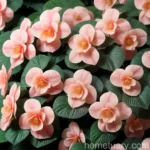
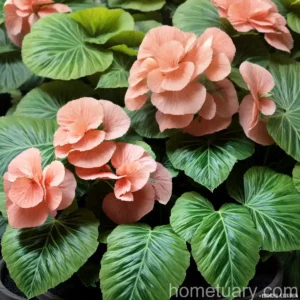
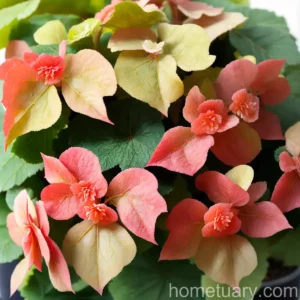
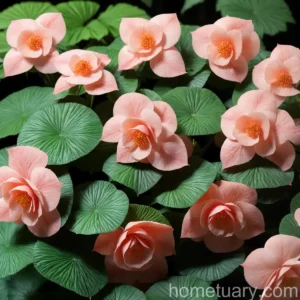
Begonia ‘Yellow-Red Picotee’ is a begonia variety that is renowned for its vibrant and eye-catching flowers. This plant belongs to the Begoniaceae family and is a popular choice for both indoor and outdoor cultivation. The striking feature of this begonia variety is its flowers, which exhibit a beautiful blend of yellow and red hues at the edges, creating a picotee effect. The Begonia ‘Yellow-Red Picotee’ is appreciated for its long-lasting blooms, making it a sought-after addition to gardens, landscapes, and even as houseplants.
Key Takeaways
Before we delve into the specifics of caring for Begonia ‘Yellow-Red Picotee’, let’s take a glimpse at some key takeaways:
- Plant Name: Begonia ‘Yellow-Red Picotee’
- Family: Begoniaceae
- Care Level: Moderate
- Watering: Regular, but well-draining soil
- Sunlight: Indirect light to partial shade
- Growth Rate: Moderate
- Maintenance: Regular grooming and deadheading
- Special Feature: Vibrant yellow and red picotee flowers
Now that we have a brief overview, it’s time to explore the intricacies of Begonia ‘Yellow-Red Picotee’ care and cultivation.
Culture
Cultivating Begonia ‘Yellow-Red Picotee’ involves understanding its specific cultural requirements. From watering and sunlight to soil and fertilizer preferences, let’s explore each aspect in detail.
Water
Proper watering is a crucial aspect of Begonia ‘Yellow-Red Picotee’ care. These plants prefer consistently moist but well-draining soil. Overwatering may lead to root rot, while underwatering can result in wilting and poor bloom production.
The general watering guideline for Begonia ‘Yellow-Red Picotee’ is to water when the top inch of the soil feels dry. It’s essential to avoid waterlogging, as the plant may suffer from root-related issues. During the hot summer months, the demand for water may increase, so monitor the moisture levels closely.
Sunlight
When it comes to sunlight requirements, Begonia ‘Yellow-Red Picotee’ thrives in indirect light or partial shade. Direct sunlight, especially during the peak hours, can lead to scorching of the leaves and flowers. Therefore, it is advisable to provide filtered light or partial shade, making it an ideal plant for shaded gardens or indoor spaces with bright, indirect light.
Fertilizer
To facilitate healthy growth and prolific flowering, fertilizing Begonia ‘Yellow-Red Picotee’ is essential. Choose a balanced, water-soluble fertilizer and apply it at half-strength every 4-6 weeks during the growing season. Avoid over-fertilization, as it can lead to excessive foliage growth at the expense of blooms.
Soil
Proper soil conditions are vital for the well-being of Begonia ‘Yellow-Red Picotee’. These plants thrive in well-draining, humus-rich soil with slightly acidic to neutral pH. A high-quality potting mix containing peat, perlite, and organic matter is suitable for container-grown Begonias. In outdoor settings, amend the soil with organic compost to improve its structure and fertility.
Pruning
Regular pruning is beneficial for maintaining the health and appearance of Begonia ‘Yellow-Red Picotee’. Here are a few pruning tips:
- Deadheading: Remove spent flowers to encourage continuous blooming and prevent seed formation, which can divert energy from flower production.
- Grooming: Trim leggy or unruly growth to maintain a compact and bushy habit.
- Diseased Parts: Promptly remove any diseased or damaged foliage to prevent the spread of infections.
Propagation
If you wish to expand your Begonia ‘Yellow-Red Picotee’ collection or share the plant with fellow gardening enthusiasts, propagation is the way to go. Begonias can be propagated through several methods, including:
- Stem Cuttings: Take 3-4 inch stem cuttings with at least two nodes and root them in a well-draining medium.
- Leaf Cuttings: Select healthy leaves and propagate them by placing the petiole in a moist rooting medium, with the leaf blade facing upward.
- Division: Divide mature plants during repotting to create new, separate plants.
Container Popularity
Begonia ‘Yellow-Red Picotee’ is a popular choice for container gardening due to its compact growth habit and stunning blooms. Whether placed on porches, patios, or indoor windowsills, containers filled with these begonias add a splash of color and elegance to any setting. The versatility of container gardening allows enthusiasts to showcase and elevate the beauty of Begonia ‘Yellow-Red Picotee’ in various spaces, making it an appealing choice for urban gardeners and those with limited outdoor areas.
Container Common Diseases
While containers offer an excellent growing environment for Begonia ‘Yellow-Red Picotee’, it is important to be mindful of potential diseases that may affect the plants. Common container diseases of Begonia ‘Yellow-Red Picotee’ may include:
- Root Rot: Overwatering and poorly draining soil can lead to root rot, causing the plant to wilt and exhibit yellowing or browning of the foliage.
- Powdery Mildew: Humid conditions and poor air circulation in container environments can promote powdery mildew, a fungal disease characterized by white, powdery patches on the leaves and stems.
Disease Diagnosis
Recognizing and diagnosing diseases in Begonia ‘Yellow-Red Picotee’ is essential for implementing timely interventions. Here are some common symptoms and their respective diagnostic insights:
- Yellowing Leaves: Yellowing leaves can indicate overwatering, nutrient deficiency, or root-related problems such as rot.
- Powdery Residue: The presence of white, powdery residue on the foliage may indicate a fungal infection such as powdery mildew.
- Wilting: Wilting coupled with yellowing or browning of the foliage could indicate root rot or insufficient water uptake.
In addition to these symptoms, regularly inspect the plant for any signs of pests or unusual leaf discoloration, and promptly address any issues to maintain the health of Begonia ‘Yellow-Red Picotee’.
Common Pests
Begonia ‘Yellow-Red Picotee’ is susceptible to certain pests that can affect its growth and overall well-being. Identifying and addressing these pests is crucial for preserving the health and beauty of the plant. Some common pests that may affect Begonia ‘Yellow-Red Picotee’ include:
- Aphids: These small, sap-sucking insects can cluster on the undersides of the leaves, causing distortion and yellowing of the foliage.
- Spider Mites: These tiny pests can create fine webbing on the plant and cause stippling or discoloration of the leaves due to their feeding activity.
- Mealybugs: Mealybugs are white, cottony insects that feed on the plant’s sap, leading to stunted growth and the secretion of honeydew.
Implementing integrated pest management techniques, such as regular monitoring, physical removal of pests, and the use of horticultural oils or insecticidal soaps, can effectively manage pest infestations without causing harm to the plant or the surrounding environment.
Botanist’s Tips
Here are some expert tips to help you ensure the optimal growth and beauty of Begonia ‘Yellow-Red Picotee’:
- Monitor Moisture: Regularly check the moisture levels of the soil, especially during hot and dry periods, to avoid water stress.
- Provide Adequate Air Circulation: Whether planted in the ground or in containers, ensure good air circulation around the plants to reduce the risk of foliar diseases.
- Inspect Regularly: Conduct routine inspections for pests, diseases, and overall plant health to address any issues promptly and effectively.
Fun Facts
Before we wrap up the plant care and cultivation section, let’s explore some fascinating fun facts about Begonia ‘Yellow-Red Picotee’:
- Begonia ‘Yellow-Red Picotee’ is a hybrid variety, created through selective breeding to exhibit its unique flower coloration.
- The name “Begonia” is derived from Michel Bégon, a 17th-century Governor of the French colony of Haiti, who was a patron of botany.
- Begonias, including the ‘Yellow-Red Picotee’ variety, are known for their diverse foliage and flower forms, making them a favorite among plant collectors and enthusiasts.
Links to External Resources
As we continue on this journey of understanding and nurturing Begonia ‘Yellow-Red Picotee’, it’s valuable to explore additional resources for comprehensive insights and guidance. Here are some recommended resources to further enrich your knowledge of this captivating plant:
-
The American Begonia Society: The official website of The American Begonia Society offers a wealth of information on begonia cultivation, care, and diverse varieties, including the ‘Yellow-Red Picotee’.
-
Royal Horticultural Society – Begonias: The Royal Horticultural Society provides a detailed growing guide for begonias, covering various types and their specific care requirements.
-
University Extension Services: Many university extension services provide valuable resources on plant care, pest management, and disease control that can be beneficial for Begonia ‘Yellow-Red Picotee’ enthusiasts.
Now that we’ve covered the foundations of caring for Begonia ‘Yellow-Red Picotee’, let’s proceed to explore additional aspects of its unique characteristics and benefits, along with tips for successful cultivation.
At this point, I will continue to develop the article further by covering “Begonia ‘Yellow-Red Picotee’ Varieties” and further sections as included in the prompt.