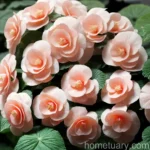
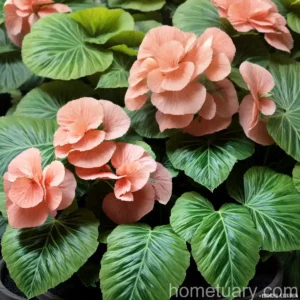
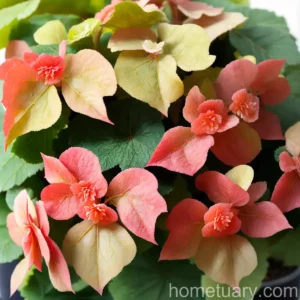
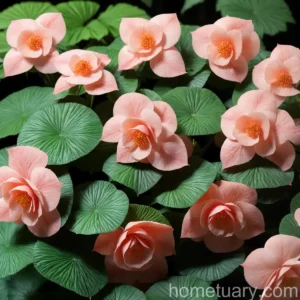
Understanding Rex Begonia (Begonia rex-cultorum)
Begonias are some of the most popular and versatile plants in the world of gardening. They are loved for their vibrant colors, unique leaf patterns, and their ability to thrive in various conditions. One particular variety, the rex begonia (Begonia rex-cultorum), stands out for its striking foliage and ease of care. In this comprehensive guide, we will delve into the world of rex begonias, exploring their characteristics, cultivation, and maintenance requirements.
What is Rex Begonia (Begonia rex-cultorum)?
The rex begonia, scientifically known as Begonia rex-cultorum, is a rhizomatous begonia originating from the tropical regions of Southeast Asia. This hybrid plant is cherished for its showy, multicolored leaves that come in an array of patterns, shapes, and sizes. These ornamental foliage plants have become a favorite among indoor gardeners, adding a touch of elegance and lushness to any space.
Key Takeaways – Rex Begonia (Begonia rex-cultorum)
Before we dive into the specifics of caring for rex begonias, let’s outline some key takeaways about this captivating plant:
- Varieties: The Begonia rex-cultorum encompasses numerous hybrid varieties, each boasting its unique leaf patterns and colors, offering an extensive range to choose from.
- Cultural Uses: Rex begonias are primarily grown for their decorative foliage, making them ideal for adding visual interest to indoor spaces, shaded gardens, and terrariums.
- Water Requirements: These plants prefer consistently moist soil conditions, but they are susceptible to root rot if overwatered. Striking a balance is crucial.
- Sunlight Needs: Rex begonias thrive in bright, indirect light or partial shade. Exposure to direct sunlight can scorch their delicate foliage.
- Fertilization: Regular fertilization during the growing season supports healthy growth. However, excessive fertilization can lead to salt buildup, impacting the plant’s well-being.
- Soil Preference: Well-draining, porous potting mixes with high organic content are optimal for rex begonias. Adequate aeration is essential for root health.
- Pruning: Periodic pruning helps maintain the plant’s shape and promotes bushier growth. Removal of damaged or discolored leaves is also beneficial.
- Propagation: Rex begonias can be propagated through leaf cuttings or division. Both methods are relatively straightforward and yield new plants with ease.
- Container Gardening: Given their compact nature, rex begonias are well-suited for container gardening, allowing for flexibility in placement and arrangement.
- Common Diseases: Like many plants, rex begonias are susceptible to certain diseases such as powdery mildew and leaf spot, necessitating attentive care and disease prevention measures.
- Pest Control: Despite their resilience, rex begonias can fall victim to pests like aphids and mealybugs. Vigilant monitoring and appropriate treatments are crucial for pest management.
With these key points in mind, we can now delve into the intricacies of rex begonia care and cultivation.
Culture
Rex begonias are celebrated for their remarkable foliage, making them excellent choices for those seeking to add a touch of lush greenery to their living or working spaces. The following cultural insights will guide you in creating an environment conducive to the well-being and vibrancy of these stunning plants.
Uses
The Begonia rex-cultorum is primarily grown for its ornamental foliage, making it an excellent choice for indoor spaces, shaded gardens, and terrariums. Their visual appeal and diverse leaf colors and textures allow for creative and aesthetic combinations, enhancing the overall ambiance of any setting.
Water
Proper watering is crucial for the health and vitality of rex begonias. These plants prefer consistently moist, but not waterlogged, soil. It’s essential to strike a balance, as both underwatering and overwatering can have adverse effects on the plant. To maintain optimal moisture levels, consider the following guidelines:
- Water rex begonias when the top inch of the soil feels slightly dry to the touch. Use your finger to assess the moisture levels before watering.
- Ensure that the potting mix remains consistently moist, but not saturated. Proper drainage is essential to prevent waterlogging.
Sunlight
Rex begonias thrive in bright, indirect light or partial shade. Exposure to direct sunlight, particularly the intense midday sun, should be avoided as it can scorch the delicate foliage and cause leaf burn. Ideal locations include east or north-facing windows where the plant can benefit from gentle morning or late afternoon sunlight without the risk of overheating.
Fertilizer
Regular fertilization is essential for supporting the growth and foliage development of rex begonias. However, moderation is key, as excessive fertilizer can lead to salt buildup in the soil, adversely affecting the plant. Consider the following fertilizer guidelines:
- Use a balanced, water-soluble fertilizer formulated specifically for foliage plants.
- Dilute the fertilizer to half or quarter strength to reduce the risk of overfeeding.
- Apply the fertilizer every 4-6 weeks during the growing season (spring and summer), reducing frequency in fall and winter when the plant’s growth slows.
Soil
The choice of potting mix significantly impacts the overall health and vitality of rex begonias. Opt for well-draining, porous mixes with high organic content to provide the necessary aeration and moisture retention. Consider the following soil requirements for rex begonias:
- Select a peat-based or peat-moss-rich potting mix to ensure adequate moisture retention without compromising drainage.
- Incorporate perlite or coarse sand to improve soil structure and enhance drainage capacity.
- Avoid heavy, compacted soils that impede root aeration and water movement.
Pruning
Periodic pruning helps maintain the shape and appearance of rex begonias while promoting denser growth. It also allows for the removal of damaged or discolored leaves, enhancing the overall aesthetic appeal of the plant. Consider the following pruning tips:
- Trim leggy or overgrown stems to encourage bushier growth and a more compact form.
- Remove any yellowed, damaged, or diseased leaves to maintain a tidy and healthy appearance.
- Prune selectively to avoid overzealous cutting and to preserve the plant’s natural beauty.
Propagation
Propagating rex begonias is relatively straightforward, offering gardeners the opportunity to expand their begonia collection or share the joy of these remarkable plants with others. The following methods are commonly used for rex begonia propagation:
Leaf Cuttings
Propagation from leaf cuttings is a popular and effective method for creating new plants. Follow these steps to propagate rex begonias from leaf cuttings:
- Select a healthy, mature leaf from the parent plant, ensuring it has visible veins and a healthy petiole.
- With a clean, sharp knife or scissors, cut the leaf into sections, with each section containing a network of veins.
- Fill a small container with a well-draining, moist propagation medium such as a peat-based mix.
- Insert the leaf sections into the propagation medium, ensuring that the cut ends are securely positioned in the soil.
- Place the container in a warm, humid environment with bright, indirect light.
- Mist the leaf cuttings regularly to maintain high humidity and encourage root development.
- After a few weeks, new plantlets should emerge from the base of the leaf sections, indicating successful propagation.
Division
Dividing mature rex begonia plants is another viable method for propagation. Follow these steps to divide rex begonias:
- Carefully remove the parent plant from its container and gently tease apart the roots to separate individual plant sections.
- Ensure that each divided section has a healthy root system and a sufficient amount of foliage to sustain its growth.
- Pot each divided section into well-draining, moisture-retentive soil and water thoroughly.
- Place the newly potted divisions in a warm and brightly lit location, sheltered from direct sunlight.
- Maintain consistent moisture levels to support the establishment of the divided sections.
Container Gardening
Rex begonias are well-suited for container gardening, offering versatility and the ability to thrive in indoor and outdoor settings. When selecting a container for rex begonias, consider the following factors:
- Size: Choose a container that allows for adequate root development and growth. Avoid excessively large containers, as they can retain excess moisture, potentially leading to root rot.
- Drainage: Opt for containers with drainage holes to prevent waterlogging and promote healthy root conditions.
- Material: Porous materials such as terracotta or fabric pots facilitate air circulation and moisture regulation.
- Placement: Position the containers in locations that provide bright, indirect light and shelter the plants from direct sunlight and harsh environmental conditions.
Proper container selection and placement are essential for ensuring the well-being and longevity of rex begonias in a containerized environment.
Popularity
The allure of rex begonias lies in their captivating foliage, which comes in a dazzling array of colors, patterns, and variegations. Their popularity in the world of horticulture is driven by several key factors:
- Ornamental Value: Rex begonias are prized for their ornate, show-stopping foliage, making them a standout choice for indoor and shaded garden spaces.
- Indoor Adaptability: Their tolerance for low light levels and ability to thrive indoors make rex begonias highly sought-after as houseplants.
- Varietal Diversity: The wide range of begonia rex-cultorum varieties available offers enthusiasts an extensive selection of leaf patterns, colors, and textures.
- Ease of Cultivation: With proper care and attention to their specific requirements, rex begonias can be relatively low-maintenance, appealing to both novice and experienced gardeners.
The popularity of rex begonias continues to grow as they capture the hearts of plant enthusiasts and enrich living spaces with their striking presence.
Common Diseases
Despite their resilience, rex begonias are susceptible to certain diseases that can impact their overall health and appearance. Understanding these common diseases and their management is crucial for maintaining the well-being of rex begonias.
Disease Diagnosis
Several diseases can affect rex begonias, including:
- Powdery Mildew: Characterized by a white, powdery growth on the leaves, powdery mildew can weaken the plant and lead to defoliation if left unaddressed.
- Leaf Spot: Leaf spot diseases manifest as circular, brown lesions on the foliage, and they can be caused by various fungal and bacterial pathogens.
- Botrytis Blight: Also known as gray mold, this fungal disease can cause wilting, browning, and decay of the leaves and stems.
Diagnosing these diseases early and implementing appropriate intervention measures is essential for preventing their spread and minimizing their impact on rex begonias.
Common Pests
While rex begonias are relatively resilient, they can still fall victim to pests that can compromise their health and vigor if left unchecked. Common pests that may affect rex begonias include:
- Aphids: These small, sap-feeding insects can cause leaf distortion and yellowing, weakening the plant over time.
- Mealybugs: Mealybugs are white, cottony insects that feed on plant sap, leading to stunted growth and the presence of honeydew on the foliage.
- Spider Mites: These tiny arachnids can cause stippling, webbing, and overall decline in plant health.
Vigilant monitoring and prompt treatment are essential for managing pest infestations and safeguarding the well-being of rex begonias.
Botanist’s Tips
To help you cultivate thriving rex begonias, here are some additional expert tips to consider:
- Humidity Preferences: Rex begonias benefit from moderate to high humidity levels. Consider using a humidifier or placing the plants on trays filled with water and pebbles to elevate local humidity levels.
- Encouraging Blooms: While rex begonias are primarily grown for their foliage, they do produce clusters of delicate, small flowers. To encourage blooming, provide a balanced and consistent care regimen, including appropriate light, humidity, and nutrition.
- Training Trailing Varieties: If you have trailing rex begonias, such as Begonia rex ‘Merry Christmas,’ consider gently training the stems to encourage a fuller and more compact growth habit. Use stakes or supports to guide the plant’s growth direction.
Fun Facts
- Rex begonias were first discovered growing in the forests of northeastern India in 1850.
- The leaves of rex begonias are often referred to as “painted” or “kaleidoscope” leaves due to their striking and intricate patterns.
- The begonia genus is named after Michel Bégon, a French patron of botany known for his support of plant exploration and cultivation.
Links to External Resources
To further expand your knowledge and appreciation for rex begonias, consider exploring the following external resources:
- American Begonia Society
- Royal Horticultural Society – Begonias
- The National Gardening Association – Growing Rex Begonias
- University of Florida IFAS Extension – Begonia rex-cultorum
- Missouri Botanical Garden – Growing Begonias
By delving into these valuable resources, you can gain further insights into the care, cultivation, and potential of rex begonias, enriching your gardening journey and deepening your connection with these remarkable plants.
In conclusion, rex begonias, with their enchanting foliage and versatile nature, offer endless possibilities for indoor and outdoor cultivation. By understanding their specific requirements and preferences, you can foster the optimal conditions for these captivating plants to thrive, bringing beauty and vibrancy to your living spaces. Whether you’re a seasoned gardener or just starting on your horticultural adventure, rex begonias are sure to captivate and inspire, enriching your gardening experience with their unique allure and charm.