Complete Guide to Begonia ‘Picotee Calypso’
As a plant scientist with years of experience in horticulture, I am thrilled to share my expertise on the Begonia ‘Picotee Calypso’. This stunning plant is cherished for its vibrant blooms, unique foliage, and versatility in various gardening settings. Throughout this comprehensive guide, we will delve into every aspect of Begonia ‘Picotee Calypso’ care, cultivation, and landscaping possibilities. Whether you’re a beginner gardener or an avid plant enthusiast, this guide will equip you with the knowledge to nurture and appreciate this exceptional plant.
What is Begonia ‘Picotee Calypso’?
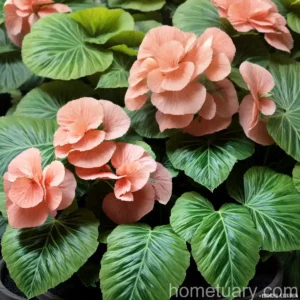
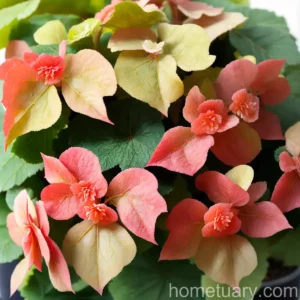
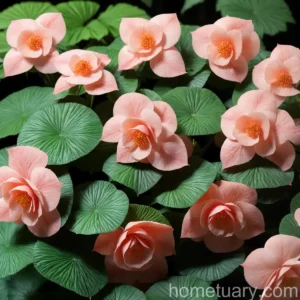
Begonia ‘Picotee Calypso’ is a charming perennial plant known for its ornamental foliage and delicate, asymmetrical flowers. This hybrid begonia is a popular choice for gardeners seeking to add a touch of color and elegance to their indoor spaces, containers, or landscapes.
Key Takeaways
- Scientific Name: Begonia ‘Picotee Calypso’
- Common Name: Picotee Calypso Begonia
- Family: Begoniaceae
- Plant Type: Perennial
- Foliage: Evergreen
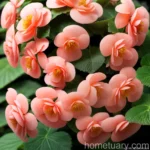
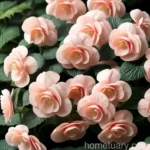
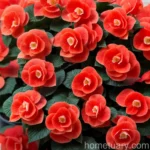
- Flower Color: Various shades of pink, red, or white with distinct coloring on the edges (picotee effect)
- Mature Size: 8-12 inches in height and 8-10 inches in spread
- Growth Habit: Upright and compact
Throughout this guide, we will explore the culture, uses, care requirements, propagation methods, common diseases, and much more to ensure the successful growth of Begonia ‘Picotee Calypso’ in your garden.
Culture
Uses
Begonia ‘Picotee Calypso’ can be utilized in a variety of gardening settings due to its compact size, attractive blooms, and resilience. Some common uses include:
- Container Gardening: The compact growth habit makes it an ideal choice for container display, whether placed on patios, balconies, or as an indoor ornamental plant.
- Landscape Beds: Utilize ‘Picotee Calypso’ to add a pop of color to garden borders, flower beds, or mixed containers.
- Indoor Décor: Its striking flowers and foliage make it a popular choice for indoor display, brightening up desks, windowsills, and other indoor spaces.
Water
Proper water management is crucial for the health and vigor of Begonia ‘Picotee Calypso’. The plant has moderate water needs and is susceptible to issues if overwatered or allowed to dry out excessively.
Watering Guidelines:
- Frequency: Water the plant when the top inch of the soil feels dry, typically once or twice a week.
- Soil Moisture: Ensure that the soil is well-draining to prevent waterlogging, which can lead to root rot.
- Watering Method: Apply water at the base of the plant, avoiding direct contact with the foliage to minimize the risk of fungal diseases.
Sunlight
Appropriate sunlight exposure is essential for the growth and flowering of Begonia ‘Picotee Calypso’. While they thrive in bright conditions, they are susceptible to sunscald if exposed to intense midday sunlight.
Sunlight Requirements:
- Outdoor Placement: Position the plant in an area that receives filtered sunlight or partial shade, especially during the hottest part of the day.
- Indoor Placement: Place indoor specimens near east or west-facing windows where they can receive bright, indirect light.
Fertilizer
Supplying the plant with balanced nutrients is key to promoting healthy growth and abundant flowering. A regular feeding schedule during the growing season will ensure the plant’s vigor and bloom production.
Fertilizer Recommendations:
- Frequency: Apply a balanced liquid fertilizer every 3-4 weeks during the growing season, typically from spring to early autumn.
- Dilution: Follow the manufacturer’s instructions for diluting the fertilizer to avoid over-fertilization, which can lead to salt buildup in the soil.
Soil
The choice of soil and its quality profoundly impacts the plant’s overall health and performance. Begonia ‘Picotee Calypso’ thrives in well-draining, nutrient-rich soil with slightly acidic to neutral pH levels.
Soil Requirements:
- Composition: Utilize a well-draining potting mix with components such as peat moss, perlite, and organic matter for container-grown specimens.
- pH Level: Aim for a pH range between 5.5 and 6.5 for optimal nutrient uptake and root health.
Pruning
Regular pruning not only helps maintain the plant’s shape and size but also promotes branching and flowering. Additionally, the removal of spent blooms can encourage continuous flower production.
Pruning Guidelines:
- Deadheading: Remove faded or spent flowers to stimulate the development of new blooms.
- Shaping: Trim back straggly growth to encourage a more compact and bushy habit.
- Sterilization: Use clean, sharp pruning tools to prevent the spread of diseases while pruning.
Propagation
Begonia ‘Picotee Calypso’ can be propagated through several methods, including stem cuttings, division, and seeds. Each technique offers its own set of advantages and considerations.
Propagation Methods
- Stem Cuttings:
- Select a healthy stem with several nodes and make a clean cut just below a leaf node.
- Remove the lower set of leaves to expose the nodes.
-
Place the cutting in a well-draining potting mix and maintain consistent moisture levels until roots develop.
-
Division:
- Carefully divide the plant into smaller sections, ensuring that each division has a sufficient root system.
-
Replant the divisions in individual containers or appropriate outdoor locations.
-
Seeds:
- Sow begonia seeds in a shallow tray or container filled with a well-draining seed-starting mix.
- Maintain a warm and humid environment for successful germination.
Container Popularity
Begonia ‘Picotee Calypso’ is highly favored for container gardening due to its compact size, striking blooms, and adaptability to varying light conditions. Whether grown as a standalone specimen or combined with other plants, it adds charm and color to any container display.
Container Gardening Tips
- Container Selection: Choose a container with adequate drainage holes and a size that accommodates the plant’s growth.
- Potting Mix: Utilize a high-quality, well-draining potting mix, ideally with added organic matter to promote healthy root development.
- Watering: Monitor the soil moisture regularly and adjust the watering frequency based on environmental conditions and plant needs.
- Fertilization: Provide supplemental nutrients during the growing season to support the plant’s vitality and flowering.
Common Diseases
Begonia ‘Picotee Calypso’ is susceptible to certain fungal diseases and issues, especially in conditions of excess moisture and poor air circulation. Recognizing and promptly addressing these diseases is crucial for the plant’s well-being.
Disease Diagnosis
- Powdery Mildew: Characterized by a powdery white growth on the foliage, powdery mildew can impact plant vigor and aesthetics. Improve air circulation and consider fungicidal treatments if the condition persists.
- Botrytis Blight: This fungal disease causes gray mold on the leaves and flowers. Remove and dispose of affected plant parts and adjust watering practices to prevent moisture-related issues.
Common Pests
Pests can pose a threat to the health and appearance of Begonia ‘Picotee Calypso’, requiring proactive management strategies to mitigate their impact.
Pest Control
- Aphids: These small, sap-sucking insects can cause distortion of new growth and transmit viral diseases. Control aphids through insecticidal soaps or horticultural oils.
- Spider Mites: Spider mites can infest the plant, leading to stippled, discolored foliage. Regularly misting the plant and employing predatory mites can help manage the spider mite population.
Botanist’s Tips
- Humidity Control: Begonia ‘Picotee Calypso’ benefits from moderate to high humidity levels, particularly when grown indoors. Consider using a humidity tray or a room humidifier to maintain adequate moisture levels.
- Air Circulation: Ensure that the plant receives sufficient air circulation to discourage the development of fungal diseases. Position fans or open windows to promote air movement.
Fun Facts
- Begonia ‘Picotee Calypso’ belongs to the Begoniaceae family, which comprises more than 1,800 different plant species, showcasing a remarkable diversity in foliage and flower forms.
- The picotee effect, which is characterized by a distinct coloring on the edges of the flower petals, adds an exquisite touch of uniqueness to the ‘Picotee Calypso’ begonia.
Links to External Resources
- Royal Horticultural Society – Begonia Cultivation
- University of Maine Cooperative Extension – Begonia Diseases
- American Begonia Society – Plant Propagation
- Missouri Botanical Garden – Begonia Care Guide
Through this comprehensive guide, I hope to empower gardeners and plant enthusiasts with the knowledge and tips to cultivate and appreciate the beauty of Begonia ‘Picotee Calypso’. Whether grown indoors or outdoors, in containers or landscapes, this begonia variety has the potential to brighten up any gardening space with its charming blooms and ornamental foliage.