All About Aster novae-angliae ‘Violetta’ (New England Aster)
Aster novae-angliae ‘Violetta,’ commonly known as the New England Aster, is a captivating perennial flower that adds a burst of color to gardens and landscapes. This beautiful plant belongs to the Asteraceae family and is native to North America. With its stunning purple blooms and attractive foliage, ‘Violetta’ has gained popularity among gardeners and landscaping enthusiasts.
In this comprehensive guide, we will explore the various aspects of growing and caring for Aster novae-angliae ‘Violetta,’ including its characteristics, cultivation requirements, uses, and maintenance. Whether you are a seasoned gardener or a novice plant enthusiast, this article will provide you with valuable insights and tips for successfully incorporating this charming plant into your outdoor spaces.
What is Aster novae-angliae ‘Violetta’?
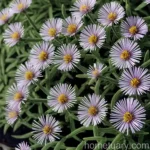
Aster novae-angliae ‘Violetta’ is a herbaceous perennial that typically reaches a height of 3 to 5 feet, making it an ideal choice for adding vertical interest to garden borders and mixed plantings. The plant is characterized by its upright growth habit, with sturdy stems that bear an abundance of daisy-like flowers. The vibrant violet-colored blooms of ‘Violetta’ appear in late summer to early fall, providing a late-season burst of color when many other plants have already finished flowering.
Key Takeaways – Aster novae-angliae ‘Violetta’ (New England Aster)
Before delving into the specific care and cultivation practices for Aster novae-angliae ‘Violetta,’ let’s summarize the key takeaways associated with this captivating plant:
- Characteristics: Upright growth habit, violet-colored daisy-like flowers, late summer to early fall blooming period, herbaceous perennial.
- Growing Conditions: Full sunlight, well-drained soil, moderate water requirements, and suitable for USDA hardiness zones 3-8.
- Cultural Uses: Ideal for garden borders, mixed plantings, pollinator gardens, and wildlife habitats.
- Maintenance: Occasional pruning to maintain shape and remove spent flowers, propagation through division, and regular watering during dry spells.
With these essential points in mind, let’s explore in detail the specific cultural requirements, uses, and maintenance practices for cultivating Aster novae-angliae ‘Violetta’ in various garden settings.
Culture
Sunlight
Aster novae-angliae ‘Violetta’ thrives in full sunlight, requiring at least 6 to 8 hours of direct sunlight per day to achieve optimal growth and abundant blooming. When selecting a planting location for ‘Violetta,’ choose an area that receives ample sunlight and has well-drained soil to promote healthy development. Insufficient sunlight may lead to leggy growth and reduced flower production, so be sure to provide the plant with the appropriate light conditions.
Water
While ‘Violetta’ is relatively drought-tolerant once established, consistent moisture is essential, especially during the plant’s active growth and flowering stages. Water your Aster novae-angliae ‘Violetta’ regularly, aiming to keep the soil evenly moist but not waterlogged. During periods of prolonged dryness, particularly in the summer months, be attentive to the plant’s water needs and provide supplemental irrigation as required.
Soil
Aster novae-angliae ‘Violetta’ thrives in well-drained soil with a moderate fertility level. The plant prefers soil that is rich in organic matter and has good drainage to prevent waterlogging, which can lead to root rot and other issues. When planting ‘Violetta,’ incorporate organic compost or well-rotted manure into the soil to enhance its texture and fertility. Additionally, a slightly acidic to neutral soil pH in the range of 6.0 to 7.0 is ideal for promoting the plant’s overall health and vigor.
Fertilizer
To support healthy growth and abundant flowering, fertilize your Aster novae-angliae ‘Violetta’ in early spring as new growth emerges. Use a balanced, slow-release fertilizer or a granular fertilizer specifically formulated for flowering perennials. Apply the fertilizer according to the manufacturer’s instructions, ensuring even distribution around the base of the plant. Avoid excessive use of high-nitrogen fertilizers, as this can lead to lush foliage at the expense of flower production.
Uses
Garden Borders and Mixed Plantings
Aster novae-angliae ‘Violetta’ is a versatile plant that can be used to great effect in garden borders and mixed perennial plantings. Its tall, upright growth habit makes it an excellent choice for the back or middle of a border, where it can add height and visual interest. Combine ‘Violetta’ with other late-season bloomers such as sedums, ornamental grasses, and goldenrods to create a dynamic and colorful late summer and fall display in your garden.
Pollinator Gardens
As a nectar-rich flowering plant, Aster novae-angliae ‘Violetta’ is highly attractive to pollinators such as bees, butterflies, and other beneficial insects. By incorporating ‘Violetta’ into your garden or landscape, you can support local pollinator populations and contribute to the overall biodiversity of your area. Observing the flurry of pollinator activity around the plant’s blooms adds an extra dimension of enjoyment to the gardening experience.
Wildlife Habitats
In addition to its appeal to pollinators, Aster novae-angliae ‘Violetta’ provides food and habitat for various wildlife species. The plant’s seeds are a valuable food source for birds during the fall and winter months, and its dense growth habit offers cover and nesting opportunities for small animals. By including ‘Violetta’ in your landscape, you can create a more inviting environment for wildlife and contribute to the ecological balance in your area.
Pruning
Pruning is an essential aspect of maintaining the appearance and vitality of Aster novae-angliae ‘Violetta.’ By following the appropriate pruning techniques, you can encourage bushier growth, prolong the flowering period, and prevent the plant from becoming overly leggy or unkempt. Here are some key considerations for pruning ‘Violetta’:
- Deadheading: Remove spent flowers promptly to encourage continuous blooming and prevent self-seeding, if undesired.
- Cutting Back: In late spring or early summer, cut back the plant’s stems by approximately one-third to promote sturdier growth and reduce the need for staking.
- Division: Every few years, consider dividing mature clumps of ‘Violetta’ to rejuvenate the plant, maintain its vigor, and increase the number of available plants for propagation or sharing with other gardening enthusiasts.
Proper pruning practices will ensure that your Aster novae-angliae ‘Violetta’ remains healthy, attractive, and productive throughout the growing season.
Propagation
Aster novae-angliae ‘Violetta’ can be propagated through division, making it relatively straightforward to increase the number of plants in your garden or share them with fellow gardeners. The best time to divide ‘Violetta’ is in early spring, just as new growth begins to emerge. Follow these steps to successfully propagate ‘Violetta’ through division:
- Digging: Carefully dig up the entire clump of ‘Violetta,’ taking care to disturb the roots as little as possible.
- Division: Use a sharp garden knife or spade to divide the clump into smaller sections, ensuring that each division has several healthy shoots and an intact root system.
- Replanting: Plant the divided sections in prepared soil at the appropriate spacing, and water them thoroughly to promote establishment.
By dividing and replanting Aster novae-angliae ‘Violetta,’ you can rejuvenate older plants, expand their presence in your garden, or create new plantings in other areas.
Container Popularity
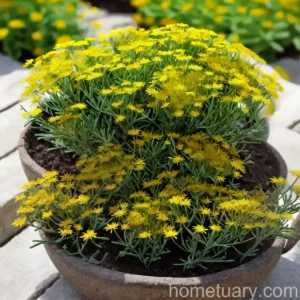
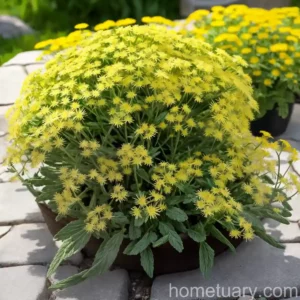
While Aster novae-angliae ‘Violetta’ is commonly grown in garden beds and borders, it can also be an outstanding choice for container gardening. When selecting a container for ‘Violetta,’ opt for a large and sturdy pot with ample drainage holes to ensure proper aeration and moisture management. By planting ‘Violetta’ in a container, you can appreciate its striking blooms and elegant form up close on patios, balconies, or other outdoor spaces. Just ensure that the container receives sufficient sunlight and regular watering to support the plant’s growth and flowering.
Container Common Diseases
When growing Aster novae-angliae ‘Violetta’ in containers, it is essential to be aware of potential diseases that may affect the plant. While ‘Violetta’ is generally resilient, container-grown plants can be more susceptible to certain issues due to confined growing conditions. Common diseases to watch for in ‘Violetta’ grown in containers include:
- Powdery Mildew: A fungal disease that often appears as a white, powdery coating on the leaves, stems, and flowers, particularly in humid conditions.
- Root Rot: Excessive moisture or poor drainage in container soil can lead to root rot, causing wilting, yellowing foliage, and overall decline in plant health.
To mitigate the risk of diseases, maintain proper air circulation around the container-grown Aster novae-angliae ‘Violetta’ and avoid overwatering. Additionally, using well-draining potting mix and providing adequate space between containers can help prevent disease development.
Disease Diagnosis
Early detection and accurate diagnosis of plant diseases are crucial for implementing effective control measures and preserving the health of Aster novae-angliae ‘Violetta.’ If you notice any unusual symptoms or signs of disease on your ‘Violetta’ plants, such as discolored foliage, distorted growth, or abnormal spots or lesions, it is essential to investigate the issue promptly. Consulting with a plant health specialist or utilizing reliable resources for disease identification can assist you in determining the specific disease affecting your ‘Violetta,’ allowing for targeted treatment or management strategies.
Common Pests
While ‘Violetta’ is generally resistant to pests, it can occasionally encounter insect-related challenges, particularly in specific environmental conditions. Some common pests that may affect Aster novae-angliae ‘Violetta’ include:
- Aphids: Small, soft-bodied insects that feed on plant sap, causing distortion of new growth and the potential for the development of sooty mold.
- Japanese Beetles: These voracious pests may feed on the foliage and flowers of ‘Violetta,’ causing visible damage and compromising the plant’s aesthetic appeal.
To address pest issues, consider employing natural predators, such as ladybugs and lacewings, to control aphid populations. For Japanese beetle management, physical exclusion methods, such as handpicking, and the use of barrier treatments can be effective in reducing pest numbers.
Botanist’s Tips
From a botanist’s perspective, Aster novae-angliae ‘Violetta’ presents an array of fascinating characteristics and growth habits that make it a valuable addition to diverse ecosystems and horticultural settings. Here are some insightful tips from a botanist to enhance your understanding and appreciation of ‘Violetta’:
- Plant Biodiversity: ‘Violetta’ contributes to the overall biodiversity of a landscape by providing food and habitat for pollinators and wildlife, as well as adding aesthetic appeal.
- Genetic Diversity: As part of the Aster novae-angliae species, ‘Violetta’ represents a distinct genetic lineage with unique traits and adaptation strategies for thriving in varied environmental conditions.
- Ecosystem Services: The presence of ‘Violetta’ in gardens and natural areas offers valuable ecosystem services, including pollination support, soil stabilization, and visual beauty.
By recognizing the broader ecological and genetic significance of Aster novae-angliae ‘Violetta,’ gardeners and plant enthusiasts can develop a deeper appreciation for its role in sustaining healthy and vibrant ecosystems.
Fun Facts
Uncovering intriguing and engaging facts about Aster novae-angliae ‘Violetta’ adds an element of fascination to the gardening experience. Let’s explore some fun and noteworthy aspects of this delightful plant:
- Cultural Significance: Historically, Native American tribes utilized the roots of New England asters, including ‘Violetta,’ for various medicinal purposes, such as treating skin conditions and promoting overall wellness.
- Butterfly Magnet: ‘Violetta’ is known for its ability to attract butterflies, particularly monarchs and other colorful species, creating a captivating display of fluttering wings in the garden.
- Cold Resistance: As a hardy perennial, ‘Violetta’ exhibits exceptional cold tolerance, enduring frosty conditions and continuing to thrive in northern climates.
Discovering these intriguing facts about Aster novae-angliae ‘Violetta’ adds depth to the gardening journey and fosters a deeper connection with this remarkable plant.
Links to External Resources
External resources provide valuable information and insights into the cultivation, uses, and preservation of Aster novae-angliae ‘Violetta.’ Explore the following sources for in-depth knowledge and guidance on ‘Violetta’ and related topics:
- Royal Horticultural Society: Aster novae-angliae ‘Violetta’
- University of Maryland Extension: New England Aster
- Lady Bird Johnson Wildflower Center: Aster novae-angliae
These reputable resources offer a wealth of information on Aster novae-angliae ‘Violetta,’ ensuring that you have access to reliable and authoritative guidance for cultivating and enjoying this captivating plant.
In conclusion, Aster novae-angliae ‘Violetta’ stands as an exceptional flowering perennial that enriches outdoor spaces with its enchanting blooms, ecological contributions, and cultural significance. By understanding its characteristics, growing requirements, and ecological roles, gardeners can cultivate and appreciate ‘Violetta’ in a more informed and appreciative manner. Whether adorning garden borders, attracting pollinators, or adding vibrancy to container plantings, ‘Violetta’ makes a delightful addition to diverse landscapes and gardening endeavors. Embrace the allure of Aster novae-angliae ‘Violetta’ and witness the beauty and benefits it brings to your outdoor sanctuary.
As you embark on your journey of gardening with ‘Violetta,’ may these insights and tips enhance your appreciation and cultivation of this remarkable perennial, fostering an enduring connection to the natural world and the wonders of plant life.
References
- “Aster novae-angliae ‘Violetta’.” Royal Horticultural Society. Link
- “New England Aster.” University of Maryland Extension. Link
- “Aster novae-angliae.” Lady Bird Johnson Wildflower Center. Link
Markdown Source:
“`markdown
All About Aster novae-angliae ‘Violetta’ (New England Aster)
[…]