All About Begonia ‘Fireworks’ (Rex Begonia)
Introduction to Begonia ‘Fireworks’
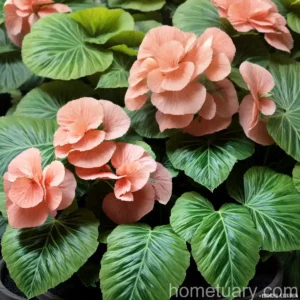
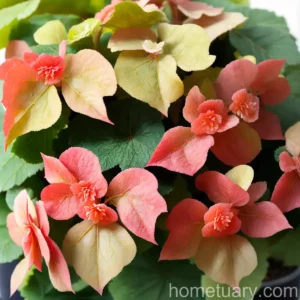
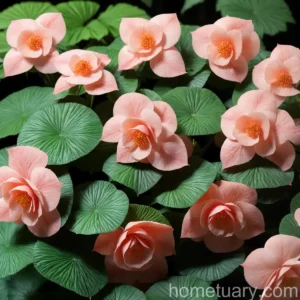
Begonia ‘Fireworks,’ also known as Rex Begonia, is a striking and visually appealing plant that belongs to the Begoniaceae family. This species of begonia is revered for its stunning foliage and unique characteristics, making it a popular choice among plant enthusiasts and gardeners. Its vibrant and intricate leaves feature a myriad of colors, patterns, and textures, adding an exquisite touch to any indoor or outdoor space. In this comprehensive guide, we will delve into the various aspects of Begonia ‘Fireworks,’ including its cultivation, care requirements, uses, propagation, common diseases, and much more. Let’s unlock the secrets of this captivating plant, exploring the best practices for its growth and well-being.
Key Takeaways – Begonia ‘Fireworks’ (Rex Begonia)
Here are the key takeaways about Begonia ‘Fireworks’ (Rex Begonia) that we will be covering in this guide:
– Cultivation and Care
– Uses
– Watering Requirements
– Sunlight Preferences
– Fertilization Needs
– Soil Preferences
– Pruning Guidelines
– Propagation Methods
– Popularity
– Common Diseases and Treatments
– Common Pests
– Fun Facts
– Links to External Resources
Cultivation and Care
When it comes to cultivating and caring for Begonia ‘Fireworks,’ it is essential to understand its specific needs and requirements for optimal growth and development. Let’s explore some of the crucial aspects of nurturing this stunning plant.
Watering Requirements
Begonia ‘Fireworks’ thrives in moderately moist conditions and is relatively sensitive to overwatering. It is important to allow the soil to dry slightly between waterings to prevent waterlogged conditions, which can lead to root rot. Additionally, it’s advisable to water the plant at its base to avoid wetting the foliage excessively, as this can make the plant susceptible to fungal diseases.
Sunlight Preferences
As a shade-loving plant, Begonia ‘Fireworks’ prefers bright, indirect light. Direct sunlight can scorch its delicate leaves, leading to damage and discoloration. Therefore, it is best suited for locations with filtered sunlight or partial shade, especially during the intense midday sun.
Fertilization Needs
Fertilizing Begonia ‘Fireworks’ is vital for promoting healthy growth and vibrant foliage. A balanced, water-soluble fertilizer with a higher ratio of nitrogen is beneficial for promoting leaf development. However, it is important to ensure that the fertilizer application is diluted and carried out according to the recommended frequency, as overfertilization can potentially harm the plant.
Soil Preferences
The ideal soil for Begonia ‘Fireworks’ should be enriched with organic matter, well-draining, and slightly acidic. A high-quality potting mix that retains moisture while preventing waterlogging is crucial for the plant’s health. Offering a blend of peat moss, perlite, and pine bark can create an optimal growing medium for this species.
Pruning Guidelines
Pruning Begonia ‘Fireworks’ is primarily focused on maintaining the plant’s shape, removing dead or damaged foliage, and controlling its size. Care should be taken to use sterile pruning tools to prevent the spread of diseases. Regular grooming of the plant helps to enhance its aesthetic appeal and prevents overcrowding, promoting better air circulation and light penetration.
Propagation Methods
Begonia ‘Fireworks’ can be propagated through several methods, including leaf cuttings, stem cuttings, and division. Leaf cuttings involve taking healthy leaves and rooting them in a suitable growing medium, while stem cuttings can be rooted in water or a well-draining soil mix. Division is another viable propagation method, particularly for mature plants.
Uses
Begonia ‘Fireworks’ holds a prominent place in horticulture and finds versatile uses in various settings. From ornamental purposes to indoor decor, this species offers a range of applications, adding a touch of elegance and color to its surroundings.
Ornamental Plant
Renowned for its extraordinary foliage, Begonia ‘Fireworks’ is widely utilized as an ornamental plant in gardens, landscapes, and indoor spaces. Its captivating leaves, adorned with intricate patterns and vibrant colors, make it a captivating focal point in any setting.
Indoor Decor
Due to its adaptability to indoor environments, Begonia ‘Fireworks’ is an excellent choice for adding visual interest to homes, offices, and public spaces. Its striking foliage can complement a wide range of interior design styles, bringing a fresh and appealing look to any setting.
Container Planting
Begonia ‘Fireworks’ is well-suited for container planting, making it a popular choice for hanging baskets, pots, and other decorative containers. Its compact size and exquisite leaves make it an ideal addition to patios, balconies, and other outdoor living spaces, enhancing the overall ambiance.
Popularity
Begonia ‘Fireworks’ has gained significant popularity among plant enthusiasts, gardeners, and horticulturists due to its captivating foliage and adaptable nature. Its unique characteristics, vibrant colors, and texture make it a highly sought-after species for both indoor and outdoor cultivation. This plant has captured the attention of individuals seeking to add a touch of elegance and visual appeal to their surroundings.
Common Diseases and Treatments
Despite its resilience, Begonia ‘Fireworks’ is susceptible to certain diseases and disorders that can affect its health and appearance. Understanding these common issues and their respective treatments is crucial for maintaining the plant’s well-being.
Common Diseases
-
Powdery Mildew: This fungal disease presents as a powdery white coating on the plant’s leaves, caused by high humidity and poor air circulation. Fungal treatments and improving air ventilation can help manage this issue.
-
Botrytis Blight: Also known as grey mold, this fungal disease leads to the development of brown spots and mold on the foliage. Removing affected parts and enhancing air circulation can aid in controlling the spread of this disease.
-
Bacterial Leaf Spot: Characterized by dark, water-soaked spots on the leaves, this bacterial disease can be managed through proper watering practices and the removal of infected foliage to prevent further spread.
Disease Diagnosis
In the event of suspected diseases or abnormalities, it is essential to closely inspect the plant for any visible symptoms, such as spots, discoloration, or irregular growth patterns. Thoroughly examining the plant and identifying the specific symptoms can aid in accurate diagnosis and targeted treatment.
Treatments
Treating diseases affecting Begonia ‘Fireworks’ often involves a multifaceted approach, including cultural, mechanical, and chemical methods. Enhancing growing conditions, improving air circulation, and using appropriate fungicides or bactericides can help combat the spread of diseases and restore the plant’s health.
Common Pests
Begonia ‘Fireworks’ may encounter various pests that can compromise its vitality and appearance. Identifying these common intruders and implementing effective pest management strategies is essential for safeguarding the plant.
Aphids
These small, soft-bodied insects can cluster on the plant’s new growth, causing distortion and yellowing of the leaves. Insecticidal soaps or horticultural oils can be utilized to control aphid populations and minimize their damage.
Mealybugs
Mealybugs are notorious for their waxy, cotton-like appearance and tendency to feed on plant sap. The use of natural predators, such as ladybugs, and targeted applications of insecticidal sprays can help manage mealybug infestations effectively.
Spider Mites
Spider mites are common pests that can thrive in dry and warm conditions, often causing stippling and discoloration on the leaves. Regularly misting the plant to increase humidity and using miticides can aid in controlling spider mite populations.
Fungus Gnats
These tiny insects are attracted to moist soil and organic matter, often laying eggs in the growing medium. Implementing cultural practices, such as allowing the soil to dry out between waterings and using biological controls, can help reduce fungus gnat populations.
Botanist’s Tips
As a plant scientist, I would like to offer some valuable tips and insights for cultivating and caring for Begonia ‘Fireworks’ based on my expertise and research in the field of botany.
Tip 1: Humidity Control
Maintaining adequate humidity levels is crucial for the well-being of Begonia ‘Fireworks.’ Consider using a humidifier or placing the plant on a pebble tray filled with water to enhance the surrounding moisture levels, especially in dry indoor environments.
Tip 2: Seasonal Adjustments
Throughout the changing seasons, it’s important to adjust the plant’s care routine to accommodate variations in temperature, daylight duration, and humidity. Adapting watering frequency, light exposure, and fertilization can help the plant thrive during different times of the year.
Tip 3: Prudent Watering
Carefully monitor the plant’s watering needs to avoid both under and overwatering. Adjust the watering frequency based on environmental conditions, ensuring that the soil remains consistently moist but not waterlogged.
Tip 4: Regular Inspection
Frequent inspection of the plant for signs of diseases, pests, and nutritional deficiencies is imperative for early detection and prompt intervention. Close observation allows for timely remedial measures to preserve the plant’s health.
Fun Facts
Unveil some intriguing and delightful facts about Begonia ‘Fireworks’ that showcase its remarkable attributes and remarkable qualities.
- Begonia ‘Fireworks’ is renowned for its stunning and diverse foliage patterns, including swirls, spirals, splotches, and intricate veining.
- The Rex Begonia category, to which ‘Fireworks’ belongs, features numerous begonia hybrids celebrated for their decorative leaves and striking appearances.
- This begonia species is a fantastic choice for individuals seeking visually striking plants that thrive in indoor environments, adding an artistic flair to their spaces.
Links to External Resources
Explore additional resources and information about Begonia ‘Fireworks’ (Rex Begonia) through the following external links:
These resources offer valuable insights, tips, and guidance on the cultivation, care, and appreciation of Begonia ‘Fireworks’ (Rex Begonia), serving as excellent references for plant enthusiasts and horticulture enthusiasts.
In conclusion, Begonia ‘Fireworks’ (Rex Begonia) stands as a captivating and visually appealing plant that enchants with its vibrant foliage, unique characteristics, and versatile applications. By understanding and applying the best practices for its care and cultivation, enthusiasts can revel in the beauty and charm of this extraordinary plant, adding a touch of elegance to their surroundings.