Begonia ‘Escargot’ (Rex Begonia) – A Detailed Guide
Begonias are beloved for their striking foliage and versatility, making them a favorite among both indoor and outdoor gardeners. Among the diverse range of begonia varieties, the ‘Escargot’ (Rex Begonia) stands out for its unique and captivating characteristics. In this comprehensive guide, we will delve into everything about the Begonia ‘Escargot’, including its culture, uses, care requirements, common diseases, and much more.
What is Begonia ‘Escargot’ (Rex Begonia)?
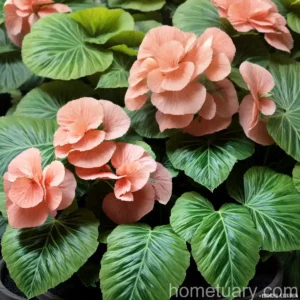
The Begonia ‘Escargot’, also known as Rex Begonia ‘Escargot’, is a stunning rhizomatous begonia that belongs to the Begonia rex-cultorum group. This cultivar is cherished for its distinctively spiraled, snail-like foliage, which features striking silver patterns and hues of green, burgundy, and chocolate. With its mesmerizing leaves, it adds a touch of elegance and visual interest to any indoor space.
Key Takeaways – Begonia ‘Escargot’ (Rex Begonia)
Before we dive into the specifics, here are the key takeaways about the Begonia ‘Escargot’:
- Scientific Name: Begonia rex-cultorum
- Common Name: Begonia ‘Escargot’, Rex Begonia ‘Escargot’
- Distinctive Feature: Spiraled, snail-like foliage with silver patterns
- Distinguishing Characteristics: Variegated leaves in shades of green, burgundy, chocolate, and silver
- Growth Habit: Rhizomatous
- Use: Ornamental indoor plant
Now, let’s explore the various aspects of caring for Begonia ‘Escargot’ in detail, including its culture, uses, water, sunlight, fertilizer, soil, pruning, propagation, container preferences, popularity, common diseases, and pest management.
Culture of Begonia ‘Escargot’
Understanding the cultural requirements of Begonia ‘Escargot’ is essential for promoting its growth and maintaining its ornamental appeal. From watering to sunlight exposure, providing the ideal conditions is crucial for the plant’s overall well-being.
Uses
The Begonia ‘Escargot’ is primarily cultivated for ornamental purposes, adding an attractive and soothing presence to indoor spaces. Its captivating foliage makes it a popular choice for interior décor, bringing vibrant colors and unique patterns to homes, offices, and other indoor environments.
Water
Proper watering is vital for the health of the Begonia ‘Escargot’. It is important to keep the soil consistently moist, but not soggy, as overwatering can lead to root rot. The plant may show signs of distress if it receives inadequate water, such as wilting or dropping leaves. Aim to water the plant when the top inch of the soil feels dry to the touch, and ensure that any excess water can easily drain away from the roots.
Sunlight
Begonia ‘Escargot’ thrives in bright, indirect light, making it well-suited for indoor environments. While it appreciates ample light, direct sun exposure should be avoided, as it can scorch the delicate foliage. Position the plant in a location where it can receive filtered sunlight or partial shade, such as near east or north-facing windows.
Fertilizer
Providing the Begonia ‘Escargot’ with a balanced, water-soluble fertilizer can support its growth and leaf coloration. During the growing season in spring and summer, apply a diluted fertilizer every 2-4 weeks to provide the necessary nutrients. However, reduce the frequency during the plant’s dormancy period in fall and winter, as its growth slows down during this time.
Soil
The ideal soil for Begonia ‘Escargot’ is well-draining and rich in organic matter. A high-quality potting mix designed for begonias or other tropical plants can provide the necessary moisture retention and aeration. A mix that includes components such as peat moss, perlite, and compost can promote healthy root development and overall vigor.
Pruning
Pruning is beneficial for maintaining the appearance and health of Begonia ‘Escargot’. Regularly removing any yellowing or damaged leaves can enhance the plant’s aesthetic appeal and prevent the spread of diseases. Additionally, trimming leggy stems can promote bushier growth and a more compact form. Use clean, sharp scissors or pruning shears to make precise cuts and minimize stress on the plant.
Propagation
Propagating Begonia ‘Escargot’ can be achieved through several methods, including leaf cuttings and division. Leaf cuttings can be rooted in a well-draining potting mix to produce new plants, while division involves separating the rhizomes to create multiple specimens. Both techniques can be successful when performed with proper care and attention to environmental conditions.
Container Preference
When choosing a container for Begonia ‘Escargot’, select one with adequate drainage holes to prevent waterlogging. A pot that is slightly larger than the plant’s root system is suitable, allowing room for gradual growth without excessive soil moisture. Decorative or porous containers made of materials such as terracotta can provide good airflow to the roots and contribute to overall plant health.
Popularity
The Begonia ‘Escargot’ has gained popularity among indoor gardening enthusiasts due to its visually striking foliage and relatively manageable care requirements. Its unique appearance and adaptability to indoor conditions make it an appealing choice for adding a touch of nature to living spaces.
Common Diseases Affecting Begonia ‘Escargot’
Despite its resilience, the Begonia ‘Escargot’ may face certain disease challenges that can compromise its vitality and aesthetic appeal. Understanding these common diseases and their management is essential for preserving the health and vigor of the plant.
Disease Diagnosis
Diagnosing diseases in Begonia ‘Escargot’ involves recognizing and addressing the symptoms associated with common conditions. These may include:
- Powdery Mildew: Characterized by white, powdery patches on the leaves
- Bacterial Leaf Spot: Identified by dark, water-soaked spots on the foliage
- Botrytis Blight: Noted for gray, fuzzy mold on the leaves and stems
- Root Rot: Evidenced by wilting, yellowing leaves and a foul odor from the soil
Common Pests
In addition to diseases, the Begonia ‘Escargot’ may also be susceptible to pest infestations that can impact its growth and appearance. Common pests that may affect this plant include:
- Spider Mites: Tiny arachnids that create fine webbing and cause stippling on the leaves
- Mealybugs: Small, white insects that congregate on the stems and leaf undersides
- Aphids: Soft-bodied insects that feed on the plant’s sap and produce a sticky residue
Botanist’s Tips for Begonia ‘Escargot’ Care
To ensure the successful and gratifying cultivation of Begonia ‘Escargot’, here are some essential tips from botanists and plant experts:
- Provide Adequate Humidity: Begonia ‘Escargot’ benefits from increased humidity, especially in dry indoor environments. Consider placing a humidity tray or using a room humidifier to maintain the ideal moisture levels for the plant.
- Monitor Watering Carefully: Be attentive to the plant’s water needs, adjusting the frequency and volume of watering based on environmental conditions and seasonal changes.
- Regularly Inspect for Pests: Routinely check the foliage and stems for any signs of pest activity, such as webs, stippling, or visible insects. Early detection can facilitate prompt intervention and pest control measures.
Fun Facts about Begonia ‘Escargot’
Discover some interesting and delightful facts about the captivating Begonia ‘Escargot’:
- The unique spiraled foliage of Begonia ‘Escargot’ is a result of intricate leaf patterns and coloration, making it a conversation-worthy addition to any plant collection.
- Despite its tropical origins, Begonia ‘Escargot’ has successfully adapted to indoor environments, bringing a touch of the exotic to living spaces around the world.
- The name “Escargot” is derived from the French word for “snail,” paying homage to the plant’s snail-like appearance.
Links to External Resources
For further information and resources on Begonia ‘Escargot’ care and cultivation, consider exploring the following reputable sources:
- Royal Horticultural Society (RHS) – Begonia Culture
- American Begonia Society – Growing Begonias
- University of Florida IFAS Extension – Begonia Diseases
In conclusion, the strikingly beautiful and engaging Begonia ‘Escargot’ stands as a testament to the remarkable diversity and appeal of begonias. Its unique foliage, captivating characteristics, and manageable care requirements make it a desirable choice for indoor gardening enthusiasts seeking a touch of elegance and exotic charm in their living spaces. By understanding and meeting its cultural needs, addressing common diseases and pests, and appreciating its distinct beauty, cultivating and caring for the Begonia ‘Escargot’ can be a rewarding and enriching experience.