Plant Name: Bee Balm (Monarda didyma ‘Pardon My Lavender’)
Welcome to a comprehensive guide to bee balm (Monarda didyma ‘Pardon My Lavender’). In this blog post, we will explore the fascinating world of this herbaceous perennial plant, its uses, cultivation, care tips, and much more. Whether you are a beginner gardener or an experienced botanist, this detailed guide will provide you with valuable insights into the wonderful world of bee balm. So, let’s dive in and uncover the enchanting beauty and benefits of bee balm.
What is Bee Balm?
Bee balm, scientifically known as Monarda didyma ‘Pardon My Lavender’, is a vibrant and aromatic herbaceous perennial plant that belongs to the Lamiaceae family. It is native to North America and is renowned for its attractive clusters of flowers, which are a magnet for pollinators, particularly bees and butterflies. The genus name “Monarda” is in honor of the Spanish botanist Nicolás Monardes, while “didyma” refers to the paired stamens found in the flower’s blossoms.
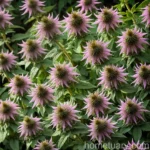
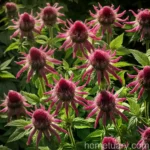
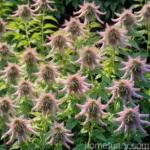
The ‘Pardon My Lavender’ variety of Monarda didyma showcases stunning lavender-colored flowers, adding a touch of elegance to any garden or landscape. This versatile plant is not only valued for its ornamental appeal but also for its numerous applications in traditional medicine and herbalism.
Key Takeaways – Bee Balm (Monarda didyma ‘Pardon My Lavender’)
Before we delve into the detailed aspects of bee balm, let’s take a quick look at the key takeaways related to Monarda didyma ‘Pardon My Lavender’:
- Bee balm, also known as Monarda didyma ‘Pardon My Lavender’, is an herbaceous perennial plant with vibrant lavender-colored flowers.
- It is a native garden plant to North America and is valued for its attractive blooms that attract pollinators.
- Bee balm has various uses in herbalism and is known for its medicinal properties.
- Cultivating bee balm requires attention to specific factors such as water, sunlight, fertilizer, soil, pruning, and propagation.
- The plant is popular for its container gardening potential and resilience in different growing conditions.
- Despite its hardiness, bee balm is susceptible to certain diseases and pests which require proper diagnosis and control measures.
Now that we have a glimpse of what bee balm is all about, let’s explore each aspect in detail to understand how to cultivate, care for, and appreciate this remarkable plant.
Culture
Uses
Bee balm (Monarda didyma ‘Pardon My Lavender’) offers a range of uses and benefits, making it a valuable addition to gardens, landscaping, and herbal medicine.
Key Uses of Bee Balm Include:
-
Ornamental Purposes: The stunning lavender-colored flowers of ‘Pardon My Lavender’ bee balm make it a popular choice for adding aesthetic appeal to gardens, borders, and natural landscapes.
-
Attracting Pollinators: Bee balm is a magnet for pollinators, especially bees, butterflies, and hummingbirds, making it an essential plant for supporting local ecosystems and biodiversity.
-
Medicinal Properties: The aromatic leaves and flowers of Monarda didyma have traditional uses in herbal medicine, known for their antibacterial and aromatic properties.
-
Culinary Uses: The fragrant leaves of bee balm can be used to create herbal teas, flavor dishes, or add a delightful aroma to culinary creations.
-
Natural Dye Plant: The vibrant flowers of ‘Pardon My Lavender’ bee balm can be used as a natural dye, offering an environmentally friendly alternative for creating colorful textiles and crafts.
-
Erosion Control: The robust growth and spreading habit of bee balm can help control soil erosion, making it valuable for stabilizing landscapes and embankments.
By understanding the diverse uses of bee balm, we can appreciate its multifaceted nature and the role it plays in ecological, horticultural, and traditional contexts.
Water
Proper watering is essential for the health and vitality of bee balm plants. While they can tolerate some dry spells, consistent moisture is beneficial, especially during the flowering season and hot summer months.
Watering Tips for Bee Balm:
-
Moderate and Consistent: Water bee balm plants regularly, ensuring that the soil is evenly moist but not waterlogged.
-
Avoid Overhead Watering: To prevent fungal diseases, such as powdery mildew, it is best to water at the base of the plant or use soaker hoses to deliver water directly to the roots.
-
Mulching: Applying a layer of organic mulch around the base of the plant can help retain moisture and regulate soil temperature, reducing the frequency of watering.
By maintaining appropriate watering practices, we can support the growth and blooming of bee balm while minimizing the risk of water-related issues.
Sunlight
Bee balm thrives in full sun to partial shade, displaying the best flowering performance when adequately exposed to sunlight.
Sunlight Requirements for Bee Balm:
-
Ideal Exposure: Plant bee balm in a location that receives at least 6 to 8 hours of direct sunlight per day for optimal blooming and overall vigor.
-
Partial Shade Tolerance: While bee balm prefers full sun, it can tolerate partial shade, especially in regions with intense midday sun or high temperatures.
-
Morning Sun and Afternoon Shade: In hot climates, providing morning sun and afternoon shade can help protect the plant from excessive heat stress.
By fulfilling the sunlight needs of bee balm, we can encourage strong growth and abundant flowering, enhancing the visual appeal of this delightful plant.
Fertilizer
Feeding bee balm with the right nutrients can bolster its growth, blooming, and overall resilience, ensuring that it remains healthy and vigorous throughout the growing season.
Fertilizing Guidelines for Bee Balm:
-
Balanced Fertilizer: Apply a balanced, slow-release fertilizer in early spring to provide the plant with essential nutrients for robust growth and prolific flowering.
-
Organic Alternatives: Utilize organic fertilizers or compost to enrich the soil and enhance the long-term health of bee balm without the risk of chemical buildup.
-
Avoid Over-Fertilization: Excessive fertilization can lead to leggy growth and decreased flower production, so it is essential to follow the recommended dosage and schedule.
By incorporating appropriate fertilization practices, we can support the nutritional requirements of bee balm, promoting its overall vitality and floral abundance.
Soil
The choice of soil and its preparation play a crucial role in ensuring the thriving growth of bee balm and its ability to withstand environmental stresses.
Optimal Soil Conditions for Bee Balm:
-
Well-Draining Soil: Bee balm prefers soil that is well-draining to prevent waterlogging and reduce the risk of root rot, especially in regions with heavy rainfall.
-
Rich and Loamy: Amend the soil with organic matter such as compost or well-rotted manure to enhance its fertility, structure, and moisture retention capabilities.
-
pH Level: Bee balm thrives in slightly acidic to neutral soil with a pH range of 6.0 to 7.0, which supports efficient nutrient uptake and overall plant health.
By providing an ideal soil environment for bee balm, we can create the foundation for vigorous growth, prolific flowering, and long-term resilience.
Pruning
Pruning bee balm is an essential aspect of its maintenance, ensuring that the plant remains healthy, tidy, and capable of producing abundant blooms.
Pruning Techniques for Bee Balm:
-
Deadheading: Regularly remove faded flowers to promote continuous blooming and prevent the plant from expending energy on seed production.
-
Thinning: Periodically thin out overcrowded stems and foliage to improve air circulation, reduce the risk of diseases, and maintain an attractive growth habit.
-
Trimming: In late spring, prune bee balm stems by ¼ to ⅓ to encourage bushier growth and prevent leggy or floppy habits.
By implementing effective pruning practices, we can enhance the visual appeal of bee balm, prolong its flowering period, and minimize the impact of pests and diseases.
Propagation
Propagating bee balm allows for the expansion of its presence in the garden or the sharing of its beauty with fellow gardening enthusiasts.
Propagation Methods for Bee Balm:
-
Division: Divide mature bee balm clumps in early spring or fall, ensuring that each division has several vigorous shoots and a healthy root system.
-
Root Cuttings: Propagate bee balm by taking root cuttings in late winter or early spring, using sections of the root with at least one bud or eye for establishing new plants.
-
Seed Sowing: Collect and sow bee balm seeds in prepared soil in early spring or fall, providing consistent moisture and warmth for successful germination.
By employing various propagation techniques, we can multiply the presence of bee balm in our gardens or share its beauty with others while preserving its diverse genetic heritage.
Container Popularity
Bee balm’s adaptability and ornamental appeal make it a popular choice for container gardening, allowing it to thrive in diverse settings and spaces.
Benefits of Growing Bee Balm in Containers:
-
Space Efficiency: Bee balm planted in containers can be placed on balconies, patios, or small gardens, providing an opportunity to grow this charming plant in limited spaces.
-
Customizable Conditions: Containers enable the adjustment of soil type, moisture levels, and sun exposure, accommodating specific growing requirements for bee balm.
-
Portability: Container-grown bee balm can be easily moved to optimize its environment or showcase its beauty in different areas of the garden or outdoor living spaces.
By recognizing the benefits of growing bee balm in containers, we can embrace its versatility and aesthetic appeal in various horticultural settings.
Common Diseases
Bee balm, despite its resilience, can be susceptible to certain diseases that can impact its growth and flowering performance.
Common Diseases Affecting Bee Balm:
-
Powdery Mildew: This fungal disease appears as a powdery white coating on leaves and stems, often caused by poor air circulation and humid conditions.
-
Leaf Spot: Leaf spot diseases manifest as dark or discolored spots on foliage, leading to weakening of the plant and a reduction in its ornamental value.
-
Root Rot: Excessive moisture or poorly draining soil can result in root rot, causing the plant to wilt, decline, and become more susceptible to other health issues.
By understanding the common diseases that can affect bee balm, we can implement preventive measures and timely interventions to maintain the plant’s vitality and beauty.
Disease Diagnosis
Diagnosing diseases in bee balm involves careful observation of symptoms, identifying causal factors, and implementing appropriate management strategies.
Key Steps in Disease Diagnosis for Bee Balm:
-
Symptom Identification: Recognize the visual cues of diseases such as powdery mildew, leaf spot, or root rot, including changes in leaf color, texture, and overall plant vigor.
-
Causal Factors: Assess environmental conditions, such as humidity, air circulation, watering practices, and soil moisture, which can contribute to disease development.
-
Treatment and Prevention: Based on the specific disease diagnosed, apply targeted treatments such as fungicides, cultural practices, or adjustments in growing conditions to mitigate the impact and prevent future occurrences.
By honing the skills of disease diagnosis and management, we can safeguard bee balm plants from potential health challenges and maintain their optimal well-being.
Common Pests
In addition to diseases, bee balm can be susceptible to pests that may compromise its growth and aesthetic appeal if left unaddressed.
Pests That Can Affect Bee Balm:
-
Spider Mites: These tiny arachnids can infest bee balm, causing stippling and discoloration on leaves and weakening the plant over time.
-
Aphids: Soft-bodied insects that feed on the sap of bee balm, leading to distorted growth, honeydew secretion, and the attraction of ants.
-
Japanese Beetles: The foliage and flowers of bee balm can be damaged by these voracious beetles, resulting in holes and skeletonized leaves.
By identifying and understanding the pests that can affect bee balm, we can implement integrated pest management strategies to minimize their impact and preserve the plant’s health and beauty.
Botanist’s Tips
Botanist’s Tips: So, you want to grow the magnificent Monarda didyma ‘Pardon My Lavender’? Here are some essential tips to consider:
-
Provide Adequate Air Circulation: Enhance air circulation around bee balm plants to reduce the risk of diseases, particularly powdery mildew and leaf spot.
-
Support Pollinators: Embrace the role of bee balm in attracting and supporting pollinators by incorporating it into wildlife gardens, pollinator habitats, or native plant landscapes.
-
Harvest Strategically: When harvesting bee balm for culinary or medicinal purposes, do so thoughtfully to allow for continued flowering and the sustenance of pollinators.
By following these botanist’s tips, you can maximize the growth, beauty, and ecological contributions of bee balm in your garden and surrounding landscape.
Fun Facts
Discover some intriguing and captivating fun facts about bee balm and its remarkable qualities:
-
Magnetic to Bees: Bee balm exhibits a stunning display of flowers that not only resemble the shape of bee-friendly blooms but also produce nectar that entices various bee species.
-
Ancient Medicinal Uses: Monarda didyma has a rich history in traditional medicine, used by Native American tribes for its antibacterial and aromatic properties.
-
Aromatic Delight: The leaves and flowers of bee balm emit a delightful fragrance, making them a delightful addition to herbal sachets, potpourri, or aromatherapy blends.
By embracing these fun facts, we can deepen our appreciation for the captivating allure and ecological significance of bee balm in our natural surroundings.
Links to External Resources
To further enrich your knowledge and exploration of bee balm (Monarda didyma ‘Pardon My Lavender’), I recommend the following external resources:
-
The Herb Society of America: Explore a comprehensive collection of resources and insights on Monarda didyma and its horticultural and therapeutic attributes.
-
United States Department of Agriculture – Plant Profile: Monarda didyma: Gain in-depth botanical information and distribution details of Monarda didyma as a native plant species.
-
University of Maryland Extension – Bee Balm for Pollinators: Access valuable guidance on the role of bee balm in attracting and supporting pollinators in diverse garden settings.
-
Royal Horticultural Society – Powdery Mildew: Learn about the identification, prevention, and management of powdery mildew, a common disease affecting bee balm and other plants.
-
Missouri Botanical Garden – Integrated Pest Management: Explore effective strategies for integrated pest management to protect bee balm from common insect pests.
By engaging with these external resources, you can expand your understanding of bee balm and access valuable insights from reputable sources, enabling you to cultivate, appreciate, and care for this enchanting plant with confidence.
In conclusion, bee balm (Monarda didyma ‘Pardon My Lavender’) stands as a captivating herbaceous perennial plant with a plethora of captivating qualities, from its ornamental allure and pollinator-friendly blooms to its traditional uses in herbalism and culinary applications. By nurturing an understanding of bee balm’s cultural significance, growing requirements, disease and pest challenges, and ecological contributions, we can foster a deeper connection with this remarkable plant and harness its beauty and benefits to enhance our gardens, landscapes, and natural environments. Whether you seek to attract pollinators, create a vibrant display of flowers, or utilize the plant’s medicinal properties, bee balm holds a special place in horticulture and our interaction with the natural world. Embrace the enchanting charm of bee balm and let it flourish as a vital and cherished component of your botanical journey.