Beargrass (Xerophyllum Tenax): A Comprehensive Guide
Introduction to Beargrass
Beargrass, scientifically known as Xerophyllum Tenax, is a fascinating perennial plant that holds significant cultural, ecological, and horticultural importance. It is an iconic plant in the Pacific Northwest and other western regions of North America, known for its resilience and versatility. In this comprehensive guide, we will delve into all aspects of Beargrass, including its characteristics, cultivation, uses, and ecological significance.
Key Takeaways – Beargrass (Xerophyllum Tenax)
Before we dive into the specifics, let’s take a look at the key takeaways of Beargrass, covering its care, characteristics, uses, habitat, and cultural significance.
- Beargrass Care: Understanding the essential care requirements for Beargrass plant.
- Xerophyllum Tenax: The scientific name and taxonomical details of Beargrass.
- Beargrass Plant: Exploring the characteristics and growing conditions of Beargrass.
- Beargrass Cultivation: Learning about the habitat and cultivation methods for Beargrass.
- Beargrass Uses: Exploring the diverse uses of Beargrass in landscaping, crafting, and traditional practices.
- Beargrass Propagation: Understanding the propagation techniques for Beargrass.
- Beargrass Water Requirements: Exploring the water needs and drought tolerance of Beargrass.
- Beargrass in Native American Culture: Understanding the cultural and traditional significance of Beargrass in Native American communities.
Now, let’s delve into each aspect of Beargrass in detail.
Culture
Habitat and Natural Distribution
Beargrass is native to the western regions of North America, particularly flourishing in the Pacific Northwest and the Rocky Mountains. It predominantly grows in well-drained, rocky soils in open forests, meadows, and dry slopes. The plant is known for its ability to thrive in diverse ecological conditions, ranging from low to high elevations, making it a versatile and resilient species.
Beargrass Characteristics
The plant’s unique characteristics make it an exceptional addition to both natural and cultivated landscapes. Here are some key features of Beargrass:
- Appearance: Beargrass has long, narrow leaves that can reach up to 2-6 feet in height. The leaves are tough and leathery, with a distinctive green color.
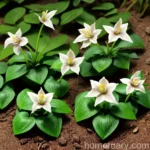
- Flowering: During the summer months, Beargrass produces tall, slender stalks with clusters of small, white flowers. The bloom of Beargrass adds an ethereal charm to its surroundings.
- Drought Tolerance: Beargrass is well-adapted to drought conditions, with its deep root system enabling it to withstand prolonged periods of limited water availability.
- Fire Resistance: The plant exhibits remarkable fire resistance, allowing it to persist and even thrive in ecosystems affected by occasional wildfires.
Understanding these characteristics is essential for cultivating and appreciating the beauty of Beargrass.
Uses
Beargrass in Landscaping
Beargrass holds immense value in landscaping and horticulture due to its aesthetic appeal and adaptability. Here are some common uses of Beargrass in landscaping:
- Naturalizing Gardens: Beargrass is often used to naturalize and add a wild, native charm to gardens and landscapes.
- Erosion Control: Its deep root system and resilient growth make Beargrass effective for erosion control on slopes and disturbed sites.
- Ornamental Beauty: The graceful appearance and delicate flowers of Beargrass make it a popular choice for ornamental purposes in gardens and public spaces.
Beargrass in Crafting and Traditional Practices
Beyond landscaping, Beargrass has been an integral part of indigenous cultures and traditional practices. Its long, sturdy leaves have been used for weaving baskets, mats, and decorative items for generations. The plant’s cultural significance extends to its use in traditional medicines and ceremonies among Native American communities.
Beargrass as a Symbol of Strength and Resilience
The inherent strength and resilience of Beargrass have led to its symbolic significance in various cultural contexts. It is often regarded as a symbol of endurance, adaptability, and the ability to thrive under challenging conditions, making it a cherished plant with profound cultural meanings.
Water
Water Requirements
Understanding the water needs of Beargrass is crucial for its successful cultivation. While the plant exhibits remarkable drought tolerance, providing adequate moisture, especially during its initial growth stages, is essential for its establishment. Here are some key considerations regarding Beargrass water requirements:
- Establishment Period: During the initial phase of planting, ensuring sufficient moisture is crucial for promoting root establishment and overall plant vigor.
- Drought Tolerance: Once established, Beargrass displays impressive resilience to drought conditions, making it a valuable addition to water-wise landscapes and xeriscapes.
- Monitoring Moisture Levels: Regularly monitoring soil moisture and providing supplemental irrigation during prolonged dry spells can support healthy growth and flowering.
Sunlight
Sunlight Preferences
Beargrass thrives in ample sunlight, displaying its best growth and flowering potential when provided with the following sunlight conditions:
- Full Sun: Beargrass flourishes in full sun to partial shade, making it suitable for a wide range of garden and landscape settings.
- Shade Tolerance: While it prefers full sun, Beargrass can tolerate partial shade, especially in regions with intense sunlight or high temperatures.
Providing the plant with adequate sunlight is essential for maximizing its ornamental and ecological value.
Fertilizer
Minimal Fertilization
Beargrass is known for its minimal fertilization requirements, as it is well-adapted to low-nutrient soils and thrives in lean, well-drained conditions. Excessive fertilization can lead to an imbalance in the plant’s natural growth patterns and may not necessarily enhance its overall health and vigor. Therefore, it is recommended to avoid heavy fertilization and instead focus on providing optimal growing conditions, including well-drained soil and sufficient sunlight.
Soil
Soil Preferences
Understanding the soil preferences of Beargrass is crucial for its successful cultivation and long-term health. Here are the key soil considerations for Beargrass:
- Well-Drained Soil: Beargrass thrives in well-drained, rocky or sandy soils, making it suitable for various ecological settings, including rocky slopes, meadows, and woodland edges.
- Low-Nutrient Soils: The plant is adapted to low-nutrient soils and does not require rich or heavily fertilized growing conditions. Lean, well-drained soils support the plant’s natural growth habits and overall resilience.
By ensuring the provision of suitable soil conditions, gardeners and land managers can cultivate thriving Beargrass populations in diverse landscapes.
Pruning
Minimal Pruning Needs
Beargrass generally requires minimal pruning, as its natural growth habits and aesthetic appeal are best preserved when the plant is allowed to follow its natural growth patterns. However, the following considerations may apply:
- Deadheading: Removing spent flower stalks can promote a neat appearance and may encourage the plant to allocate more energy to root and leaf development.
- Cleaning Old Foliage: Clearing out old, dry foliage can help maintain the plant’s overall aesthetic and prevent the accumulation of debris in its center.
By practicing minimal, targeted pruning, gardeners can enhance the overall appearance of Beargrass while respecting its natural growth tendencies.
Propagation
Propagation Techniques
Beargrass can be propagated through both seeds and division, offering gardeners and land managers various options for expanding and establishing Beargrass populations. Here are the primary propagation methods for Beargrass:
- Seed Propagation: Collecting and sowing Beargrass seeds is a viable method for propagating the plant, especially in controlled nursery settings.
- Division: Dividing mature Beargrass clumps can create new plantings and is particularly effective for expanding existing populations and establishing the plant in diverse landscapes.
Understanding these propagation techniques is essential for conserving and expanding Beargrass populations within its native range and beyond.
Container Popularity
Beargrass in Containers
The versatility and ornamental value of Beargrass make it a popular choice for container gardening and landscaping. Here are some reasons for the plant’s container popularity:
- Versatile Aesthetics: Beargrass brings a unique, wild charm to container plantings, making it an attractive addition to patios, decks, and outdoor living spaces.
- Space Limitations: In gardens and landscapes with limited space, Beargrass can thrive and provide ornamental value in containers, adding texture and interest to diverse settings.
The plant’s adaptability to container cultivation expands its potential for enhancing various outdoor environments.
Common Diseases
Disease Resistance
Beargrass is known for its resilience to most common plant diseases, owing to its natural adaptation to diverse ecological conditions and its inherent vigor. While it is generally resistant to diseases, occasional fungal issues may arise, especially in conditions of excessive moisture or poor air circulation.
Disease Diagnosis
Diagnosing and addressing potential diseases in Beargrass entails observing the plant for symptoms such as:
- Fungal Infections: Look for signs of fungal diseases, such as leaf spots, discoloration, or wilting. Addressing these issues promptly through cultural practices and, if necessary, targeted treatments can help maintain the plant’s health.
By being vigilant and proactive in disease diagnosis, gardeners and land managers can ensure the long-term vitality of Beargrass in diverse landscapes.
Common Pests
Pest Resilience
Similar to its disease resistance, Beargrass exhibits impressive resilience to most common garden pests. However, occasional pest issues, such as aphids or caterpillars, may occur, especially in conditions of environmental stress or imbalance. Monitoring the plant for pest activity and promptly addressing any infestations can help maintain its overall health and vigor.
Botanist’s Tips
Best Practices for Beargrass Cultivation
For successful cultivation and conservation of Beargrass, here are some key tips from botanists and horticulturists:
- Selecting Suitable Growing Sites: When establishing Beargrass, choosing suitable growing sites with well-drained, rocky soils and ample sunlight is crucial for its long-term success.
- Maintenance-Free Elegance: Emphasize the plant’s natural elegance and resilience by minimizing maintenance and allowing it to follow its innate growth habits.
- Responsible Propagation and Collection: When propagating Beargrass or collecting it from natural populations, ensure responsible practices that support the plant’s long-term health and ecological balance.
Implementing these tips can contribute to the sustainable cultivation and conservation of Beargrass in diverse landscapes.
Fun Facts
Intriguing Tidbits about Beargrass
To further appreciate the uniqueness of Beargrass, here are some intriguing fun facts about the plant:
- Ethnobotanical Significance: Beargrass has been an integral part of Native American cultures, playing diverse roles in traditional crafts, ceremonies, and medicinal practices.
- Fire-Adapted Habit: The plant’s ability to withstand and even thrive in fire-affected landscapes showcases its remarkable resilience and ecological importance.
- Cultural Symbolism: Beargrass holds profound cultural symbolism, representing strength, resilience, and the interconnectedness of humans with nature in various indigenous traditions.
Unearthing these fun facts enriches our understanding of Beargrass’s ecological and cultural significance.
Links to External Resources
To further explore the multifaceted aspects of Beargrass, here are some valuable external resources:
- USDA Plants Database: Xerophyllum tenax
- Ethnobotany and Conservation of Beargrass (Xerophyllum tenax)
- Beargrass Ecology and Traditional Uses
- Native American Basketry and Beargrass
These resources offer in-depth insights into Beargrass, encompassing its ecology, traditional uses, conservation, and cultural significance.
Conclusion
Beargrass, or Xerophyllum Tenax, embodies a captivating blend of ecological resilience, ornamental beauty, and profound cultural significance. As we unravel its diverse uses, cultivation practices, and ecological adaptations, it becomes evident that Beargrass holds a cherished place in both natural landscapes and human cultural heritage. By understanding and celebrating the multifaceted aspects of Beargrass, we can enhance our appreciation for this remarkable plant and work towards its sustainable conservation and cultivation in a rapidly changing world.