Green Dragon (Pinellia Tripartita)
The Green Dragon (Pinellia tripartita) is a unique and fascinating plant that has garnered significant attention due to its distinctive foliage and.
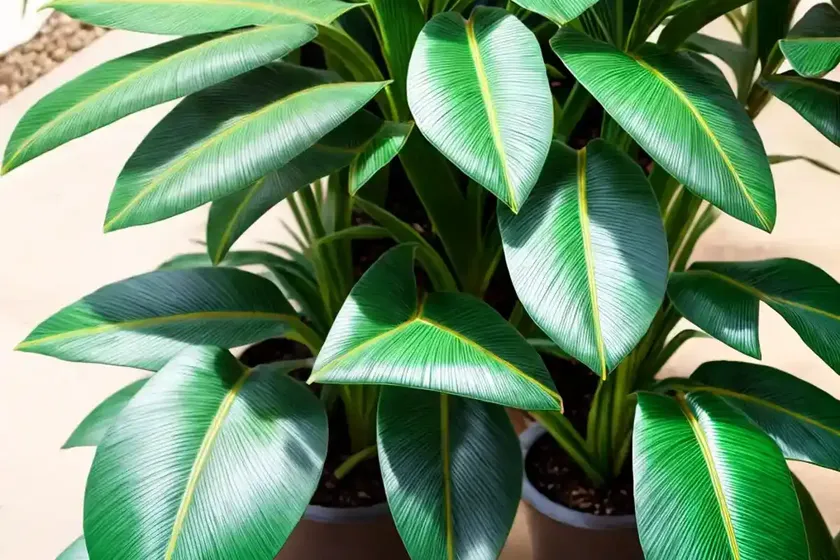
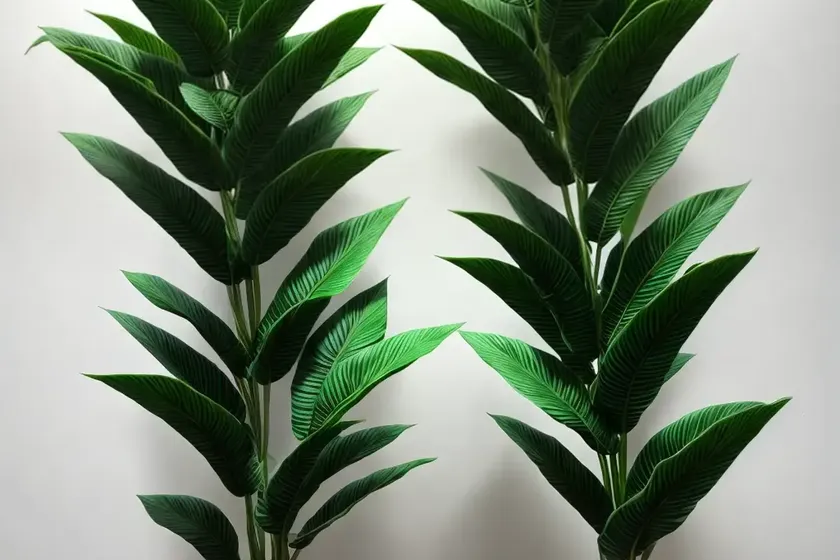
The Green Dragon (Pinellia tripartita) is a unique and fascinating plant that has garnered significant attention due to its distinctive foliage and interesting cultural uses. In this comprehensive guide, we will delve into the various facets of this remarkable plant, from its cultivation and care to its traditional uses and ethnobotanical history. Whether you are a seasoned plant enthusiast or a novice gardener, this guide will equip you with the knowledge and skills needed to cultivate and care for the Green Dragon effectively.
What is the Green Dragon (Pinellia tripartita)?
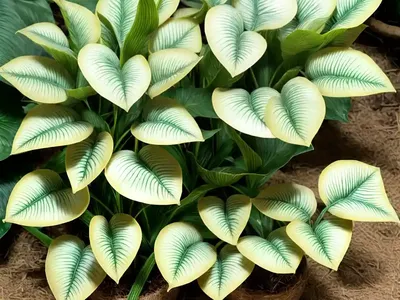
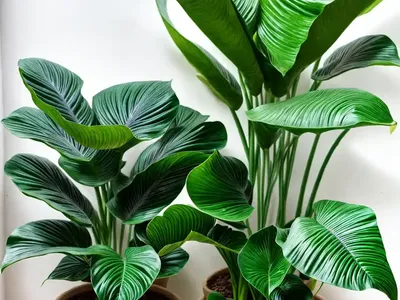
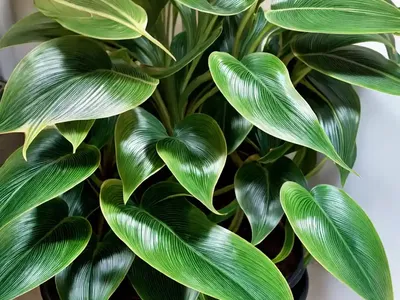
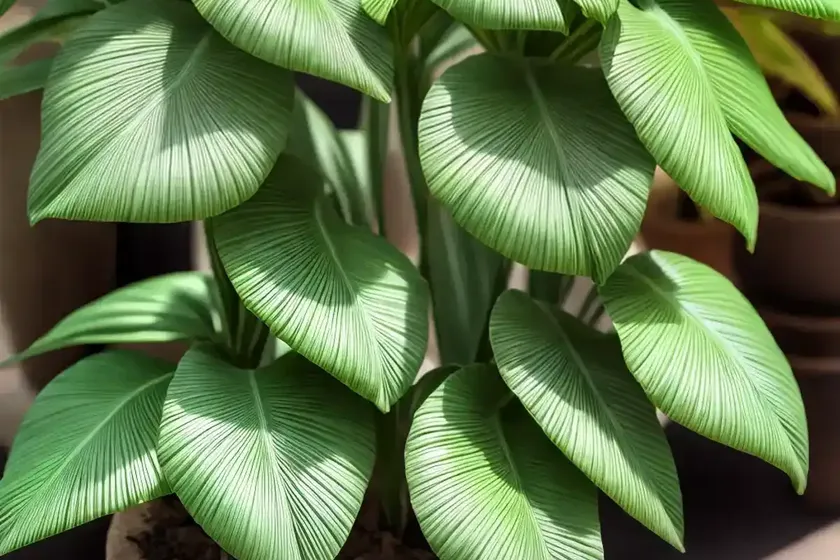
Pinellia tripartita, commonly known as the Green Dragon, is a perennial herbaceous plant that belongs to the Araceae family. This plant is native to East Asia, particularly China and Japan, where it thrives in shaded woodland areas and moist, fertile soils. The Green Dragon is characterized by its distinctive three-pronged, arrowhead-shaped leaves that give it a unique and ornamental appearance. In addition to its striking foliage, the Green Dragon produces small, hooded flowers that add to its visual appeal.
Key Takeaways – Green Dragon (Pinellia tripartita)
Before delving into the specifics of cultivation and care, let us first outline the key takeaways associated with the Green Dragon. Understanding these essential points will provide a foundation for successfully cultivating and maintaining this intriguing plant.
Key Takeaways:
– The Green Dragon (Pinellia tripartita) is a perennial herbaceous plant with distinctive three-pronged, arrowhead-shaped leaves.
– This plant is native to East Asia, particularly China and Japan, where it thrives in shaded woodland areas and moist, fertile soils.
– The Green Dragon produces small, hooded flowers that contribute to its ornamental value.
– Cultivating and caring for the Green Dragon requires attention to specific cultural practices, including water, sunlight, soil, and fertilization.
Now that we have highlighted the fundamental aspects of the Green Dragon, let us explore in detail the various factors that contribute to its successful cultivation and care.
Culture
Cultivating the Green Dragon (Pinellia tripartita) requires an understanding of its cultural requirements, including water, sunlight, fertilizer, soil, and pruning. Implementing these cultural practices is essential for ensuring the health and vigor of the plant.
Uses
The Green Dragon holds cultural significance beyond its ornamental value. Traditionally, it has been used for medicinal and culinary purposes in East Asia, adding to its overall appeal. Understanding the cultural uses of the plant provides valuable insight into its historical significance and relevance in traditional practices.
Water
Water is a critical factor in the successful cultivation of the Green Dragon. This plant thrives in moist, well-draining soils and is sensitive to waterlogged conditions. Regular watering is essential, particularly during dry periods, to maintain adequate soil moisture without causing water stagnation.
Sunlight
The Green Dragon prefers shaded or partially shaded environments, replicating its natural habitat in woodland areas. Exposure to direct sunlight should be limited, as excessive light can lead to leaf scorching and reduced overall vigor. Placing the plant in a shaded location is crucial for its optimal growth and development.
Fertilizer
Fertilization plays a key role in providing essential nutrients for the Green Dragon’s growth. Using a balanced, slow-release fertilizer formulated for leafy plants can promote healthy foliage and overall plant vigor. Applying fertilizer in spring and early summer, when the plant is actively growing, is recommended to support its nutritional needs.
Soil
The soil composition significantly influences the health and growth of the Green Dragon. It thrives in well-draining, humus-rich soils with a slightly acidic to neutral pH. Amending the soil with organic matter, such as compost or leaf mold, can enhance its texture and nutrient content, creating an optimal growing medium for the plant.
Pruning
Pruning is essential for maintaining the aesthetic appeal and overall health of the Green Dragon. Removing any damaged or discolored foliage, as well as spent flowers, promotes air circulation and reduces the risk of disease. Pruning also helps shape the plant and prevent overcrowding, contributing to its overall vitality.
Propagation
Propagation methods play a crucial role in expanding the population of Green Dragons and preserving their unique characteristics. Understanding the various propagation techniques and their application is essential for successful reproduction and cultivation of the plant.
Container Popularity
In addition to being cultivated in traditional garden beds, the Green Dragon is also popular for container gardening. Its compact size and ornamental foliage make it an ideal choice for adding visual interest to outdoor and indoor container arrangements. Understanding the specific requirements for container cultivation is essential for ensuring the plant’s health and vigor in this setting.
Common Diseases
As with any plant, the Green Dragon is susceptible to certain diseases that can impact its overall health and appearance. Identifying common diseases and understanding their causes and management strategies is crucial for maintaining the plant’s vitality and aesthetic appeal.
Disease Diagnosis
Diagnosing diseases in the Green Dragon involves recognizing common symptoms such as leaf spots, wilting, and discoloration. Understanding the potential causes of these symptoms, such as fungal or bacterial infections, nutrient deficiencies, or environmental stress, is essential for implementing effective disease management strategies.
Common Pests
Pest infestations can pose significant challenges to the health and vigor of the Green Dragon. Identifying common pests and implementing appropriate control measures is essential for preventing damage and maintaining the plant’s overall vitality.
Botanist’s Tips
Leveraging the insights and expertise of botanists can provide valuable guidance on cultivating and caring for the Green Dragon. Botanists’ tips cover a wide range of topics, from optimal growing conditions to pest and disease management, offering valuable insight for successful plant cultivation.
Fun Facts
The Green Dragon’s unique characteristics and cultural significance are accompanied by several fun facts and intriguing details that add to its overall appeal. Learning about these fascinating aspects of the plant can deepen one’s appreciation for its uniqueness and ornamental value.
Links to External Resources
To further enhance your understanding of the Green Dragon and its cultivation, we have compiled a list of valuable external resources for additional reading and research:
- Pinellia tripartita – Plant Profile and Care Guide
- Growing Green Dragons – Tips and Techniques
- Cultural Uses and Medicinal Properties of the Green Dragon
- Pest and Disease Management for Pinellia tripartita
In conclusion, the Green Dragon (Pinellia tripartita) is a remarkable plant that offers a unique blend of ornamental value, traditional significance, and cultural uses. By understanding its specific cultural requirements, propagation methods, and potential challenges, you can effectively cultivate and care for this fascinating plant, ensuring its health and vitality for years to come. Whether you are drawn to its distinctive foliage or intrigued by its historical uses, the Green Dragon is a captivating addition to any garden or indoor space, offering a blend of beauty and cultural intrigue.
By incorporating the insights and knowledge presented in this comprehensive guide, you can embark on a rewarding journey of cultivating and caring for the Green Dragon, gaining a deeper appreciation for its ornamental features, traditional uses, and cultural significance along the way.
Keywords: Pinellia tripartita benefits, Green dragon plant care, Pinellia tripartita cultivation, Green dragon plant characteristics, Pinellia tripartita propagation, Growing green dragon plants, Pinellia tripartita medicinal uses, Green dragon plant varieties, Pinellia tripartita indoor care, Green dragon plant diseases, Pinellia tripartita native habitat, Green dragon plant symbolism, Pinellia tripartita flowering season, Green dragon plant toxicity, Pinellia tripartita traditional uses, Green dragon plant pests, Pinellia tripartita herbal properties, Green dragon plant maintenance, Pinellia tripartita natural habitat, Green dragon plant watering tips, Pinellia tripartita growing conditions, Green dragon plant soil requirements, Pinellia tripartita companion plants, Green dragon plant foliage, Pinellia tripartita container gardening, Green dragon plant propagation methods, Pinellia tripartita ethnobotany, Green dragon plant landscape design, Pinellia tripartita garden uses, Green dragon plant ornamental features, Pinellia tripartita traditional medicine, Green dragon plant light requirements, Pinellia tripartita plant family, Green dragon plant hardiness zones, Pinellia tripartita culinary uses, Green dragon plant seasonal care, Pinellia tripartita pollination process, Green dragon plant humidity needs, Pinellia tripartita growth rate, Green dragon plant outdoor cultivation, Pinellia tripartita flower morphology, Green dragon plant common names, Pinellia tripartita toxicity symptoms, Green dragon plant fertilizer recommendations, Pinellia tripartita insect pests, Green dragon plant ethnobotanical history, Pinellia tripartita leaf shapes, Green dragon plant transplanting tips, Pinellia tripartita natural range, Green dragon plant seed germination