Bear Paw (Cotyledon Tomentosa)
If you are a plant enthusiast, particularly fond of succulents, you might have come across the intriguing Bear Paw (Cotyledon tomentosa). This unique and.
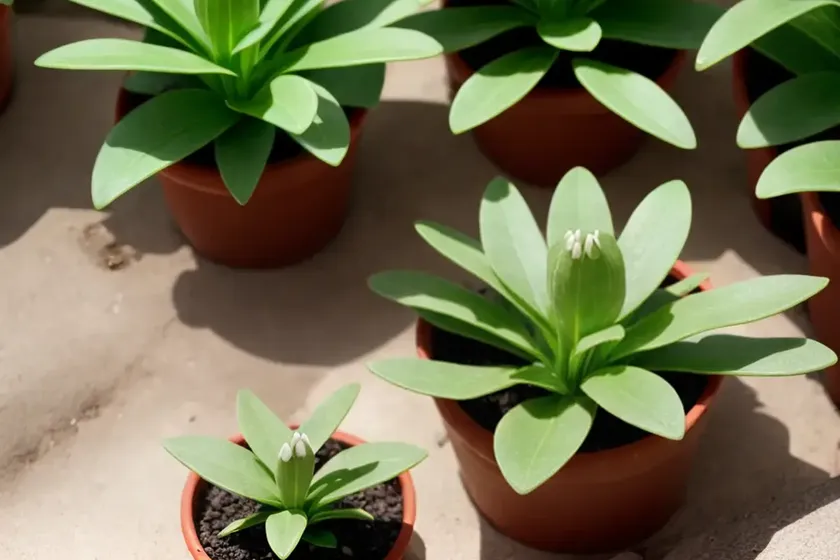
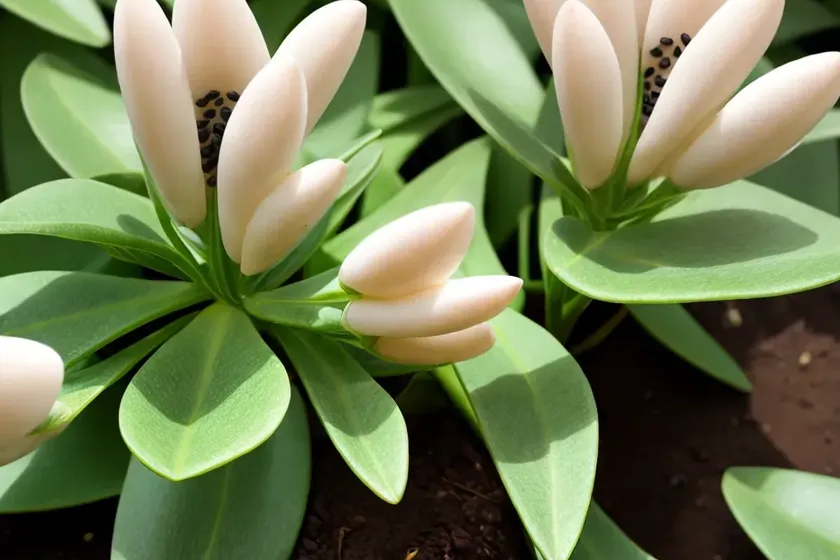
If you are a plant enthusiast, particularly fond of succulents, you might have come across the intriguing Bear Paw (Cotyledon tomentosa). This unique and visually appealing plant has gained popularity among both novice and experienced plant enthusiasts due to its distinctive bear paw-shaped leaves and its relatively easy care requirements. In this comprehensive guide, we will delve into the fascinating world of the Bear Paw plant, exploring its cultural significance, uses, optimal growth conditions, common diseases and pests, and various other aspects of its care. Whether you are already a proud owner of a Bear Paw plant or are considering adding one to your collection, this guide will provide you with the insights and knowledge necessary to ensure its thriving growth.
What is the Bear Paw (Cotyledon tomentosa)?
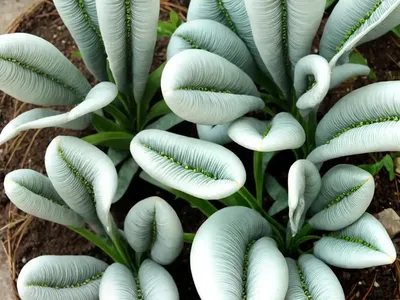
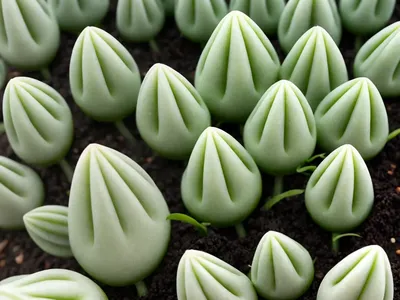
The Bear Paw, scientifically known as Cotyledon tomentosa, is an attractive succulent native to Southern Africa. It belongs to the Crassulaceae family, which encompasses a wide variety of succulent and drought-resistant plants. The Bear Paw plant is renowned for its distinctive appearance, characterized by thick, fleshy leaves that are densely covered with fine hairs, resembling the paw of a bear, hence its common name.
Key Takeaways – Bear Paw (Cotyledon tomentosa)
Before delving deeper into the specific aspects of caring for the Bear Paw plant, let’s take a look at the key takeaways that will be covered in this guide:
- Bear Paw Plant Care: Understanding the cultural requirements and best practices for ensuring the optimal growth of Cotyledon tomentosa.
- Propagation: Exploring the propagation methods suitable for Bear Paw plants to expand your collection or share with fellow plant enthusiasts.
- Uses: Exploring the decorative and health-related uses of the Bear Paw plant.
- Water: Providing insights into the watering needs and schedule for Cotyledon tomentosa.
- Sunlight: Understanding the sunlight requirements crucial for the healthy growth of the Bear Paw plant.
- Fertilizer: Identifying the appropriate fertilization regimen to maximize the plant’s health and vigor.
- Soil: Understanding the ideal soil type to ensure proper drainage and nutrient availability for the Bear Paw plant.
- Pruning: Learning about the significance of pruning and the best practices to follow.
- Container Gardening: Exploring the various aspects related to growing Bear Paw plants in containers.
- Common Diseases and Pests: Identifying potential diseases and pests that may affect Cotyledon tomentosa and the methods to mitigate them.
Bear Paw Plant Care
Cotyledon tomentosa, or the Bear Paw plant, is relatively easy to care for, making it an excellent choice for both beginner and experienced plant enthusiasts. However, understanding and meeting its specific cultural requirements is essential to ensure its health and vitality.
Water
Succulents, including the Bear Paw plant, have adapted to store water in their fleshy leaves, enabling them to survive in arid conditions. Overwatering is one of the most common mistakes made in Bear Paw plant care, which can lead to root rot and other related issues. Therefore, it is crucial to follow a balanced watering regimen to maintain the plant’s health.
Key Points for Watering Bear Paw Plants:
– Frequency: Allow the soil to dry out completely between waterings. Depending on the climate and environmental conditions, you may need to water your Bear Paw plant every 7-14 days during the growing season.
– Watering Technique: When watering, apply water directly to the soil at the base of the plant to avoid wetting the leaves, which can lead to rot and fungal diseases.
– Avoid Waterlogging: Ensure that the pot has proper drainage to prevent waterlogging, which can be detrimental to the plant’s health.
Sunlight
Like most succulents, the Bear Paw plant thrives in bright, indirect sunlight. However, it is crucial to protect it from intense, direct sunlight, especially during the hottest part of the day, as this can lead to sunburn and damage the leaves.
Key Points for Sunlight Exposure:
– Optimal Conditions: Place the Bear Paw plant in a location that receives bright, indirect sunlight, such as near a south- or east-facing window.
– Protection from Harsh Sunlight: During the peak of summer, consider providing some protection from the intense midday sun to prevent leaf damage.
Fertilizer
Proper fertilization is essential for promoting healthy growth and blooming in Bear Paw plants. However, succulents have lower fertilizer needs compared to many other types of plants. When fertilizing Cotyledon tomentosa, it is crucial to use a balanced, diluted fertilizer applied sparingly during the active growing season.
Key Points for Fertilizing Bear Paw Plants:
– Fertilization Frequency: Apply a balanced, water-soluble fertilizer at quarter or half strength every 2-4 weeks during the growing season.
– Avoid Over-Fertilization: Refrain from over-fertilizing, as it can lead to salt build-up in the soil and cause damage to the plant.
Soil
The right type of soil is essential for ensuring proper drainage and aeration for Bear Paw plants. A well-draining succulent or cactus mix is ideal for Cotyledon tomentosa, providing the necessary environment to prevent waterlogging and root rot.
Key Points for Soil Requirements:
– Well-Draining Mix: Use a commercial succulent or cactus mix or create your own by combining potting soil, coarse sand, and perlite in a 1:1:1 ratio.
– Avoid Water Retentive Soils: Refrain from using heavy, water-retentive soils, as they can lead to excessive moisture around the roots.
Pruning
While Bear Paw plants generally require minimal pruning, removing dead or decaying leaves and spent flowers can promote tidiness and overall plant health. Additionally, pruning can be used to control the plant’s size and shape if it starts to become unruly.
Key Points for Pruning Bear Paw Plants:
– Sanitization: Use clean, sterile pruners or scissors to avoid introducing pathogens to the plant.
– Dead Leaf Removal: Regularly remove dead or decaying leaves to maintain the plant’s appearance and prevent potential disease spread.
Propagation
Expanding your Bear Paw collection or sharing the joy of growing these unique plants with others can be achieved through propagation. Cotyledon tomentosa can be propagated through various methods, including leaf cuttings and offsets.
Key Points for Propagating Bear Paw Plants:
– Leaf Cuttings: Propagate Cotyledon tomentosa by taking leaf cuttings and allowing them to callus before planting them in a well-draining succulent mix.
– Offsets: Bear Paw plants produce offsets, also known as pups, which can be carefully removed and replanted to establish new plants.
Container Gardening
Growing Bear Paw plants in containers is a popular choice for many plant enthusiasts, offering flexibility and versatility in displaying these unique succulents. When selecting a container for Cotyledon tomentosa, it is essential to consider its size, drainage capabilities, and aesthetic appeal.
Key Considerations for Container Gardening:
– Drainage Holes: Ensure that the container has adequate drainage holes to prevent waterlogging.
– Appropriate Size: Select a container that provides ample space for the plant’s roots and allows for future growth.
– Aesthetic Appeal: Choose a container that complements the unique appearance of the Bear Paw plant and enhances its visual impact.
Common Diseases and Pests
While Bear Paw plants are relatively resilient, they can be susceptible to certain diseases and pests if their care requirements are not adequately met. Understanding the common issues and their respective remedies is essential for maintaining the health and vitality of Cotyledon tomentosa.
Common Diseases
1. Fungal Diseases: Overwatering or excessive moisture can lead to fungal issues such as root rot and leaf spot. Ensure proper watering practices and good air circulation around the plant to prevent fungal diseases.
2. Bacterial Infections: Prolonged exposure to high humidity or overwatering can create favorable conditions for bacterial infections. Avoid overwatering and allow the soil to dry out between waterings.
Disease Diagnosis
Symptoms: Look for signs of wilting, yellowing, or browning of leaves, as well as unusual spots or lesions, which could indicate a disease issue.
Remedies: If you suspect a disease problem, isolate the affected plant to prevent the spread of pathogens and adjust environmental conditions to promote recovery.
Common Pests
1. Mealybugs: These soft-bodied insects can appear as white cottony masses on the leaves and stems of Bear Paw plants. Use a gentle insecticidal soap or neem oil to combat mealybug infestations.
2. Aphids: Aphids can cluster on the new growth of Cotyledon tomentosa and cause stunted or distorted growth. Rinse infested areas with a strong stream of water or use insecticidal soap to control aphids.
Botanist’s Tips
To ensure the optimal growth and health of Bear Paw plants, consider the following botanist’s tips:
- Monitor Watering Closely: Pay close attention to the watering needs of Cotyledon tomentosa and adjust based on environmental conditions.
- Rotate for Balanced Growth: To promote even growth, periodically rotate the plant to ensure all sides receive adequate sunlight.
- Inspect for Pests Regularly: Routinely check your Bear Paw plants for signs of pests and take proactive measures to prevent infestations.
Fun Facts
- The hairs covering the Bear Paw plant’s leaves serve as a protection mechanism against intense sunlight and provide insulation during temperature fluctuations.
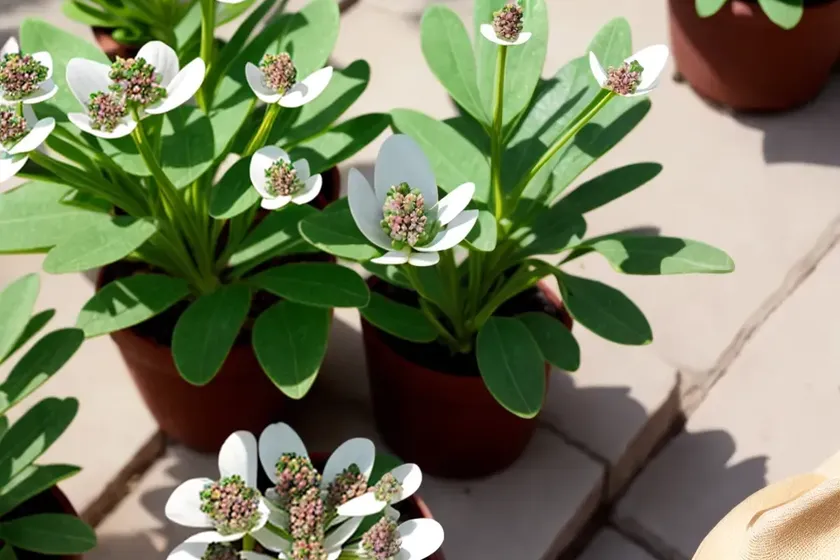
- Cotyledon tomentosa can produce small, star-shaped flowers in shades of red, orange, or yellow, adding a delightful burst of color to the plant.
Links to External Resources
For additional information on Bear Paw (Cotyledon tomentosa) care, propagation, and related topics, explore the following external resources:
- Succulent Plant Care – Bear Paw (Cotyledon tomentosa)
- Bear Paw Succulent: Growing Guide & Care Tips
- Cotyledon tomentosa – Missouri Botanical Garden
Conclusion
The Bear Paw (Cotyledon tomentosa) is a captivating succulent plant that captivates plant enthusiasts with its striking appearance and relatively low maintenance requirements. By understanding and implementing the essential care practices highlighted in this guide, you can cultivate thriving Bear Paw plants that serve as delightful additions to your indoor or outdoor plant collection. Whether you are drawn to its unique leaf shape, charming flowers, or its resilience in various environmental conditions, the Bear Paw plant is sure to bring joy and fascination into your plant-filled world.
Happy gardening and may your Bear Paw plants flourish with vitality and beauty!
Keywords: Bear paw plant care, Cotyledon tomentosa propagation, Bear paw succulent, How to grow Cotyledon tomentosa, Bear’s paw plant, Cotyledon tomentosa varieties, Bear paw succulent care tips, Cotyledon tomentosa watering, Bear paw plant characteristics, Cotyledon tomentosa indoor care, Bear paw plant care guide, Cotyledon tomentosa sunlight requirements, Bear paw succulent propagation, Cotyledon tomentosa soil type, Bear paw plant problems, Cotyledon tomentosa pruning, Bear’s paw plant care instructions, Common issues with Cotyledon tomentosa, Bear paw succulent varieties, Cotyledon tomentosa pests and diseases, Bear paw plant indoor care tips, Cotyledon tomentosa potting requirements, Bear paw succulent watering schedule, Cotyledon tomentosa light preferences, Bear paw plant health benefits, Cotyledon tomentosa temperature tolerance, Bear paw succulent arrangement ideas, Cotyledon tomentosa growth habits, Bear paw plant repotting guide, Cotyledon tomentosa fertilization, Bear paw succulent container gardening, Cotyledon tomentosa leaf propagation, Bear paw plant hanging basket ideas, Cotyledon tomentosa companion plants, Bear paw plant common names, Cotyledon tomentosa pet safe, Bear paw succulent arrangement inspiration, Cotyledon tomentosa winter care, Bear paw plant buying guide, Cotyledon tomentosa humidity preferences, Bear paw succulent soil mix recipe, Cotyledon tomentosa toxicity information, Bear paw plant watering frequency, Cotyledon tomentosa propagation tips, Bear paw plant best growing conditions, Cotyledon tomentosa plant family, Bear paw succulent light requirements, Cotyledon tomentosa container gardening tips, Bear paw plant decorative uses, Cotyledon tomentosa air purification capabilities.
This detailed guide aims to provide comprehensive insights and guidance on Bear Paw (Cotyledon tomentosa) plant care and related topics, catering to both novice and experienced plant enthusiasts.