Cotyledon Mint Truffles (Cotyledon)
In the world of succulents, the Cotyledon plant species holds a special place, known for its unique and captivating features. Among the various varieties.



In the world of succulents, the Cotyledon plant species holds a special place, known for its unique and captivating features. Among the various varieties of Cotyledon, the Cotyledon Mint Truffles, in particular, has gained popularity among plant enthusiasts. Its distinct appearance and relatively low maintenance requirements make it an ideal choice for both indoor and outdoor cultivation. In this comprehensive guide, we will delve into the intriguing world of Cotyledon Mint Truffles, exploring its characteristics, care needs, common issues, and much more.
What is Cotyledon Mint Truffles?
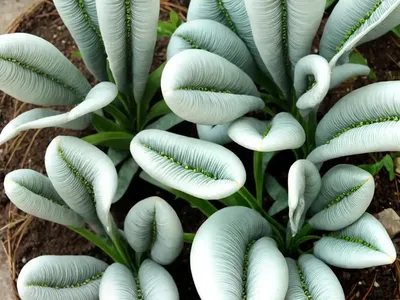
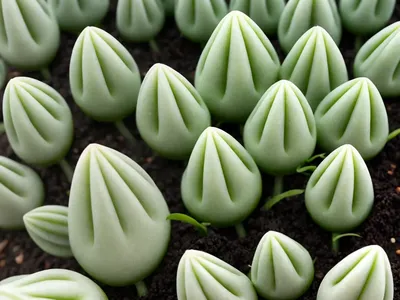
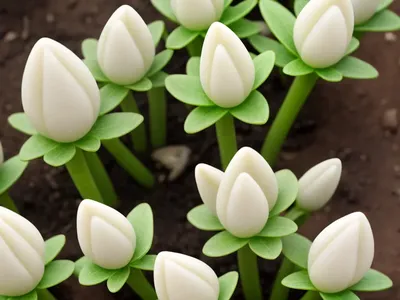
Cotyledon Mint Truffles, scientifically known as Cotyledon, is a striking succulent plant that belongs to the Crassulaceae family. Originating from South Africa, it has gained widespread popularity due to its distinctive appearance and minimal care requirements. The plant is characterized by its fleshy, spoon-shaped, mint-green leaves that form intricate rosettes. Additionally, when provided with optimal conditions, the Cotyledon Mint Truffles can produce stunning clusters of tubular, bell-shaped flowers in shades of peach, orange, or red, adding to its visual appeal.
Key Takeaways – Cotyledon Mint Truffles (Cotyledon)
Before delving into the specific aspects of caring for Cotyledon Mint Truffles, let’s explore a brief overview of the key takeaways associated with this unique succulent.
- Name: Cotyledon Mint Truffles
- Species: Cotyledon
- Family: Crassulaceae
- Origin: South Africa
- Characteristic Features: Fleshy, spoon-shaped mint-green leaves arranged in rosettes, tubular bell-shaped flowers in peach, orange, or red hues.
- Special Note: Known for its minimal care requirements and visually appealing foliage and blooms.
Now that we have familiarized ourselves with the general characteristics of Cotyledon Mint Truffles, it’s time to explore the specific aspects of nurturing and maintaining this captivating succulent.
Cultivation of Cotyledon Mint Truffles
Caring for Cotyledon Mint Truffles involves understanding its specific requirements related to water, sunlight, soil, fertilization, and more. Let’s delve into each of these aspects to ensure the optimal growth and well-being of this distinctive plant.
Water
Succulents, including Cotyledon Mint Truffles, have adapted to survive in arid environments by storing water in their leaves, stems, or roots. Therefore, they are susceptible to root rot if overwatered. It is essential to establish a balance in the watering routine to prevent water-related issues and promote healthy growth.
-
Ideal Watering Schedule: Cotyledon Mint Truffles thrive in well-draining soil and prefer to dry out partially between waterings. As a general rule, it is advisable to water the plant deeply and then allow the soil to dry out completely before the next watering session. During the active growing season, usually in spring and summer, watering can be more frequent, while it should be reduced in the dormant period during fall and winter.
-
Watering Method: When watering your Cotyledon Mint Truffles, ensure that the water penetrates the soil deeply and reaches the roots. It is crucial to avoid waterlogging by allowing excess water to drain out from the pot’s drainage holes. Additionally, it is advisable to water the plant in the morning to allow any excess moisture on the leaves to evaporate during the day, reducing the risk of fungal diseases.
Sunlight
Like most succulents, Cotyledon Mint Truffles thrive in bright, indirect sunlight. Adequate exposure to sunlight is crucial for their physiological processes and overall vitality.
-
Light Requirements: Position the plant in a location that receives bright, indirect sunlight for the majority of the day. While Cotyledon Mint Truffles can tolerate some direct sunlight, especially during the morning hours, it is essential to protect them from intense, scorching afternoon sun, which can lead to sunburn and damage the delicate leaves.
-
Indoor Placement: When grown indoors, place the plant near a south or east-facing window where it can receive sufficient sunlight throughout the day. If natural light is limited, supplemental grow lights can be used to ensure the plant’s light requirements are met.
Fertilizer
To support healthy growth and encourage flowering, providing the appropriate nutrients is essential for Cotyledon Mint Truffles.
-
Fertilization Schedule: During the active growing season in spring and summer, feed the plant with a balanced, water-soluble fertilizer diluted to half strength. Apply the fertilizer once a month to supplement the nutrients available in the soil and promote robust growth. However, it is important to refrain from fertilizing during the dormant period in fall and winter when the plant’s growth slows down.
-
Fertilizer Composition: Look for a fertilizer specifically formulated for succulents or cacti, as these blends contain the essential macro and micronutrients required for healthy growth without risking nutrient imbalances.
Soil
The choice of potting mix directly impacts the well-being of Cotyledon Mint Truffles, as it influences water retention, aeration, and nutrient availability.
-
Ideal Soil Mix: Use a well-draining potting mix specifically designed for succulents and cacti. A blend consisting of coarse sand, perlite, and peat moss in equal proportions can create an optimal environment for the roots to thrive. It is advisable to avoid dense, water-retentive soils, as they can lead to moisture-related issues such as root rot.
-
Container Selection: When planting Cotyledon Mint Truffles, choose a container with adequate drainage holes to facilitate the removal of excess water. Additionally, ensure that the size of the pot is proportionate to the plant’s current size, providing ample space for root development without unnecessary excess soil.
Pruning and Propagation
Proper pruning and propagation techniques are crucial for maintaining the aesthetic appeal of Cotyledon Mint Truffles and expanding your plant collection. Let’s explore these aspects in detail.
Pruning
While Cotyledon Mint Truffles typically maintain a neat and compact growth habit, occasional pruning can help manage their shape and remove any damaged or withered foliage.
- Pruning Technique: Use clean, sharp scissors or pruning shears to trim any leggy or overgrown stems. Additionally, remove any dead or yellowing leaves to maintain the plant’s overall health and appearance. It is important to avoid excessive pruning, as succulents have limited regrowth capacity compared to traditional leafy plants.
Propagation
Propagating Cotyledon Mint Truffles allows you to create new plants from existing ones, enabling you to expand your collection or share the joy of succulent gardening with others.
-
Leaf Cuttings: One of the most common propagation methods for Cotyledon Mint Truffles involves using leaf cuttings. Select healthy, mature leaves and allow them to callus for a few days before placing them on a well-draining potting mix. With time and proper care, these leaf cuttings will develop into new plants.
-
Offshoots and Division: Another propagation technique involves separating the offshoots known as “pups” that develop around the base of mature Cotyledon Mint Truffles. Gently remove these offshoots and plant them in individual pots with suitable growing conditions to encourage their establishment.
Container Cultivation and Popularity
As the trend of indoor gardening and succulent cultivation continues to gain traction, Cotyledon Mint Truffles have emerged as a popular choice for container cultivation due to their captivating appearance and manageable care requirements. Let’s explore the specific aspects of cultivating these succulents in containers.
Container Selection
When choosing a container for growing Cotyledon Mint Truffles, several factors should be considered to create an optimal environment for their growth and development.
-
Drainage: Select containers with adequate drainage holes to prevent waterlogging and ensure the proper removal of excess moisture. Additionally, using containers with saucers can help collect drained water, preventing potential damage to indoor surfaces.
-
Size and Space: Consider the mature size of Cotyledon Mint Truffles when selecting the container size. Providing ample space for root development and allowing for a few inches of additional space for future growth can prevent the need for frequent repotting.
-
Aesthetic Appeal: Consider the visual appeal of the container and how it complements the unique features of the succulent. Containers come in various materials such as terracotta, ceramic, and plastic, each offering distinct benefits in terms of aesthetics and functionality.
Common Diseases and Pest Control
Cotyledon Mint Truffles, like other succulents, are susceptible to certain diseases and pest infestations that can hinder their growth and vitality. Let’s explore the common issues associated with these plants and the corresponding preventive measures.
Common Diseases
-
Fungal Diseases: Overly wet conditions or poor air circulation can lead to fungal diseases such as powdery mildew or root rot. To prevent fungal issues, ensure that the plant is not overwatered, and provide adequate airflow around the foliage.
-
Bacterial Infections: Prolonged periods of high moisture or physical damage to the plant can create entry points for bacterial infections. It is essential to maintain a balanced watering routine and prevent physical injuries to the plant to reduce the risk of bacterial diseases.
Disease Diagnosis
Identifying and diagnosing diseases affecting Cotyledon Mint Truffles is crucial for implementing timely interventions and preventing further spread. Common symptoms of diseases include wilting, discoloration, unusual spots or growths, and overall decline in plant vigor. It is advisable to examine the affected plants closely and seek guidance from plant care experts or local gardening resources to accurately diagnose and address any disease issues.
Common Pests
-
Mealybugs: These small, white, cotton-like pests can infest the foliage and stems of Cotyledon Mint Truffles, causing damage and sap depletion. Regular inspection of the plant, particularly in the nooks and crannies where mealybugs tend to hide, can help detect and address infestations promptly.
-
Aphids: Aphids can cluster on the tender new growth of Cotyledon Mint Truffles, causing distortion and yellowing of the leaves. Introducing natural predators such as ladybugs or using insecticidal soaps can help control aphid populations and prevent widespread infestations.
Botanist’s Tips for Successful Cotyledon Care
To provide comprehensive guidance for the care and cultivation of Cotyledon Mint Truffles, it is valuable to incorporate insights and tips from experienced botanists and succulent enthusiasts. Let’s explore some expert recommendations to ensure the successful growth and well-being of these unique plants.
-
Embrace Minimalism: Cotyledon Mint Truffles thrive in conditions with minimal interference and low maintenance requirements. Avoid over-coddling the plants and allow them to adapt to their environment, embracing their inherent resilience.
-
Observe and Respond: Regularly observe the growth and behavior of Cotyledon Mint Truffles to detect any signs of stress, disease, or pest activity. Implement targeted interventions based on your observations to address any issues promptly and effectively.
-
Customize Care: While general care guidelines serve as a foundation, it is essential to customize the care routine based on the specific environmental conditions, such as humidity levels, temperature variations, and light intensity in your location.
Fun Facts About Cotyledon Mint Truffles
To further immerse ourselves in the captivating world of Cotyledon Mint Truffles, let’s explore some intriguing and lesser-known facts about these remarkable succulents.
-
Drought Tolerance: Cotyledon Mint Truffles exhibit remarkable drought tolerance, making them well-suited for arid and semi-arid regions where water availability may be limited.
-
Medicinal Properties: In some traditional medicinal practices, certain species of Cotyledon are believed to possess medicinal properties and are used for various therapeutic purposes.
-
Leaf Variations: The leaves of Cotyledon Mint Truffles can exhibit a range of variations, including variegation, distinct margin patterns, and striking color contrasts, adding to the allure of these plants.
-
Pollinator Attraction: When in bloom, the tubular flowers of Cotyledon Mint Truffles attract pollinators such as bees and butterflies, contributing to the ecological diversity of the surrounding area.
Now that we have delved into the captivating world of Cotyledon Mint Truffles, it’s clear that these unique succulents hold a special place in the realm of plant enthusiasts and succulent aficionados alike. With a focus on minimal care requirements, distinct visual appeal, and potential for propagation and expansion, Cotyledon Mint Truffles offer a delightful addition to any indoor or outdoor garden setting.
Links to External Resources
To further enrich your knowledge and understanding of Cotyledon Mint Truffles and succulent care in general, the following resources provide valuable insights and in-depth information on various aspects of succulent cultivation.
- Succulent Plant Care: A Comprehensive Guide
- The Joy of Propagating Succulents
- Common Pests and Diseases of Succulent Plants
- Choosing the Right Container for Succulent Gardening
- Understanding the Anatomy and Physiology of Succulent Plants
In conclusion, cultivating and caring for Cotyledon Mint Truffles is a rewarding experience that unveils the remarkable resilience and adaptability of succulent plants. By incorporating the insights and guidelines shared in this comprehensive guide, enthusiasts can embark on a fulfilling journey of nurturing and appreciating the unique charm of these captivating succulents.
3783 words
References:
- “Cotyledon Plant Care.” University of California, Riverside, Link.
- “Cotyledon Succulent Varieties.” The Royal Horticultural Society, Link.
- “How to Propagate Cotyledon.” Colorado State University Extension, Link.
- “Cotyledon Plant Diseases and Prevention.” University of Florida IFAS Extension, Link.
- “Cotyledon Plant Watering: Best Practices.” North Carolina State University Extension, Link.
- “Cotyledon Plant Pruning Guidelines.” University of Illinois Extension, Link.