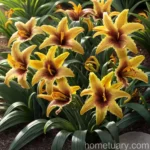
Beach Naupaka (Scaevola taccada): A Coastal Gem
Introduction
Welcome to the enchanting world of beach naupaka (Scaevola taccada), a coastal plant that epitomizes resilience and beauty. In this comprehensive guide, we will delve into the various facets of this remarkable species, from its cultural significance to its ecological importance, and from its propagation to its maintenance. Whether you are an avid gardener, a coastal conservationist, or simply someone who appreciates the natural wonders around us, there is something for everyone in the captivating journey through the realm of beach naupaka.
What is Beach Naupaka (Scaevola taccada)?
Beach naupaka, scientifically known as Scaevola taccada, is a perennial, salt-tolerant shrub that belongs to the Goodeniaceae family. This species is native to the coastal regions of the Indian and Pacific Oceans, where it thrives in sandy, saline environments. Its unique adaptive traits enable it to withstand the challenges posed by coastal habitats, making it an invaluable component of coastal ecosystems.
Key Takeaways – Beach Naupaka (Scaevola taccada)
Before delving deeper into the intricacies of beach naupaka cultivation and care, let’s take a glance at some of the key takeaways that will guide our exploration of this remarkable species.
- Plant Name: Beach Naupaka (Scaevola taccada)
- Other Common Names: Beach Daisy, Sea Daisy, Coastal Naupaka Plant
- Ecological Adaptations: Salt Tolerance, Coastal Resilience
- Cultural Significance: Symbol of Resilience, Folklore Associations
- Habitat: Coastal Regions, Sandy Environments
- Uses: Landscaping, Erosion Control, Medicinal Properties
Now that we have set the stage, let’s embark on an insightful journey through the cultural, ecological, and horticultural dimensions of the beach naupaka.
Culture
Cultural Significance
Throughout history, beach naupaka has been imbued with cultural symbolism and folkloric associations in various coastal communities. Embodying traits of resilience and adaptability, this plant holds a revered place in the cultural narratives of many societies.
Folklore Associations
In Hawaiian folklore, the naupaka flower is associated with a poignant legend of love and heartbreak. According to the myth, a princess and a commoner were forbidden to be together, and as a poignant symbol of their separation, the princess tore the naupaka flower in half, with one half inhabiting the mountains and the other gracing the coastal beaches, representing their divided love. This poignant tale has woven the naupaka plant into the cultural fabric of the Hawaiian Islands, rendering it a symbol of star-crossed love and resilience.
Uses
Ecological Importance
Erosion Control and Coastal Stabilization
The robust, prostrate growth habit and deep-rooting nature of beach naupaka make it an ideal candidate for coastal erosion control and stabilizing dunes. Its ability to withstand the harsh coastal winds and saline conditions, while forming dense mats of vegetation, aids in preventing soil erosion and fortifying coastal landscapes. Moreover, the intertwining roots of beach naupaka assist in binding loose sand, thereby contributing to the stabilization of coastal dunes.
Medicinal Properties
In addition to its ecological significance, beach naupaka possesses medicinal properties that have been traditionally utilized in various cultures. The leaves and roots of the plant have been employed in traditional medicine to treat a range of ailments, including skin conditions, inflammatory disorders, and insect bites. The therapeutic potential of beach naupaka underscores its multifaceted utility beyond its ornamental and ecological values.
Water
Watering and Irrigation Needs of Beach Naupaka
| Growth Stage | Watering Requirements |
|---|---|
| Establishment | Regular watering to promote root establishment. Ensure the soil is consistently moist. |
| Maintenance | Moderate water requirements. Allow the soil to dry partially between watering to prevent waterlogging. |
Understanding the specific watering needs of beach naupaka is crucial for ensuring optimal growth and health. During the establishment phase, the plant requires regular watering to facilitate root establishment and mitigate transplant shock. Maintaining consistently moist soil during this phase is vital in promoting vigorous growth and minimizing stress on the newly transplanted or propagated specimens.
As the plant matures, moderate watering suffices to meet its moisture requirements. Allowing the soil to dry partially between watering episodes helps prevent waterlogging and promotes healthy root oxygenation. It is essential to strike a balance, ensuring that the plant does not experience prolonged periods of dryness while averting the pitfalls of excessive soil moisture.
Sunlight
Sunlight Requirements for Beach Naupaka
Beach naupaka exhibits a pronounced affinity towards abundant sunlight, thriving in bright, full-sun conditions that emulate its native coastal habitats.
|Light Exposure|Growth Response|
|:—————:|:——————-:|
|Full Sun |Vigorous growth, abundant flowering, and compact habit.|
|Partial Shade |Reduced flowering, elongated growth, and decreased overall vigor.|
Emulating the coastal sun-drenched environments in which beach naupaka naturally thrives is crucial for fostering its optimal growth and ornamental attributes. Full-sun exposure elicits compact, bushy growth, profuse flowering, and robust foliage development, thereby enhancing its aesthetic appeal and vigor. In contrast, inadequate sunlight can lead to elongated, leggy growth and diminished flowering, detracting from the plant’s ornamental value and overall health.
Fertilizer
Fertilization Practices for Beach Naupaka
| Fertilizer Type | Application Frequency | Application Rate |
|---|---|---|
| Balanced Liquid Fertilizer | Monthly during the growing season. | Dilute to half-strength and apply according to package instructions. |
| Slow-release Granular Fertilizer | Annually in early spring. | Follow package guidelines for application rates based on the plant’s size. |
Implementing a targeted fertilization regimen is instrumental in bolstering the growth and overall health of beach naupaka. Opting for a balanced liquid fertilizer with proportional levels of essential macronutrients can be administered on a monthly basis during the growing season. Diluting the fertilizer to half-strength ensures that the plant receives a steady supply of nutrients without risking fertilizer burn. Applying the fertilizer according to the package instructions prevents the risk of over-fertilization, which can be detrimental to the plant’s well-being.
In addition to regular liquid fertilization, the incorporation of slow-release granular fertilizer in early spring provides a sustained nutrient release throughout the growing season. Adhering to the package guidelines for the application rates based on the size and age of the plant is imperative for leveraging the benefits of granular fertilization without inducing nutrient imbalances or salt buildup in the substrate.
Soil
Ideal Soil Conditions for Beach Naupaka
| Soil Type | Characteristics | Drainage Requirements |
|---|---|---|
| Sandy, Well-Draining Soil | Excellent aeration and drainage. | Fast-draining to prevent waterlogging. |
Beach naupaka thrives in sandy, well-draining soil with excellent aeration properties. The innate adaptability of the plant to coastal regions, characterized by sandy substrates, underscores its affinity towards soil conditions that emulate its native habitat. Fast-draining soils effectively mitigate the risk of waterlogging, which can be detrimental to the plant’s root system and overall vigor.
Implementing soil amendments, such as organic matter or perlite, to enhance the soil’s drainage capabilities while improving its water retention capacity is advantageous. Additionally, regular monitoring of the soil moisture levels and ensuring that the substrate does not remain excessively dry for prolonged periods is pivotal in nurturing optimal growth and health of beach naupaka.
Pruning
Pruning and Maintenance of Beach Naupaka
| Pruning Type | Timing | Techniques |
|---|---|---|
| Maintenance Pruning | Throughout the growing season | Remove spent flowers and trim leggy growth to maintain a compact appearance. |
| Renewal Pruning | Every 2-3 years | Cull old, woody stems and rejuvenate the plant by removing approximately a third of the oldest growth. |
Pruning constitutes a fundamental aspect of beach naupaka maintenance, serving to enhance the plant’s aesthetic appeal, promote vigorous growth, and revitalize its overall form. Implementing routine maintenance pruning throughout the growing season, entailing the removal of spent flowers and trimming leggy growth, is pivotal in preserving a compact, bushy appearance and encouraging the development of new blooms.
Furthermore, periodic renewal pruning performed every 2-3 years aids in rejuvenating the plant by eliminating old, woody stems and mitigating any encroachment of the foliage. This comprehensive approach to pruning fosters the sustained health and ornamental allure of beach naupaka while preventing the accumulation of senescent growth that can compromise the plant’s vigor and visual appeal.
Propagation
Propagation Methods for Beach Naupaka
Seed Propagation
- Seed Collection: Harvest mature seeds from the plant by gently removing the dried seed heads. Allow the seeds to air-dry for a few days before storage.
- Sowing: Sow the seeds in well-draining, sandy soil in seed trays or pots, ensuring consistent moisture and warmth for germination.
- Germination: Germination generally occurs within 2-4 weeks, and once the seedlings develop several sets of true leaves, they can be transplanted to individual pots or the garden.
Stem Cuttings
- Cutting Preparation: Select healthy, non-flowering stems and take 4-6 inch cuttings, ensuring that each cutting possesses at least 2-3 leaf nodes.
- Rooting Medium: Dip the cut ends in a rooting hormone and plant them in a well-draining, moist rooting medium, such as a mix of perlite and peat moss.
- Rooting Process: Maintain consistent moisture levels and warmth to facilitate root development. Rooting typically occurs within 4-6 weeks, after which the rooted cuttings can be transplanted.
Container Popularity
Beach naupaka is well-suited for container cultivation, making it an enticing option for coastal landscaping, patio gardens, and ornamental displays. The compact growth habit and salt-tolerant nature of the plant render it amenable to thriving in containers, irrespective of their size.
Advantages of Container Cultivation
- Mobility: Enables easy repositioning of the plants to optimize sunlight exposure and aesthetic arrangements.
- Space Utilization: Ideal for smaller spaces, balconies, and patios, enhancing the visual appeal of compact outdoor areas.
- Soil Control: Facilitates precise control over the soil composition, moisture levels, and drainage, ensuring optimal growing conditions.
The versatile attributes of beach naupaka make it an appealing choice for container cultivation, allowing for the seamless integration of coastal beauty into diverse settings, from expansive seaside resorts to intimate coastal retreats.
Common Diseases
Disease Diagnosis
Beach naupaka is generally resilient to a spectrum of diseases, owing to its inherent adaptability and salt tolerance. However, certain environmental stressors and suboptimal growing conditions can render the plant susceptible to specific diseases, mandating proactive disease management strategies.
Common Symptoms and Diseases
- Leaf Spot: Manifests as dark, sunken lesions on the foliage, often indicative of fungal infections.
- Powdery Mildew: Characterized by a powdery, white coating on the leaves, caused by fungal pathogens.
- Root Rot: Evidenced by wilting, discolored foliage, and root decay, stemming from soil-borne pathogens or waterlogging.
Disease Management
- Sanitation: Remove and dispose of infected plant material to prevent the spread of diseases.
- Fungicidal Treatment: Apply targeted fungicides to mitigate fungal infections and prevent their proliferation.
- Optimal Growing Conditions: Ensure adequate spacing, airflow, and drainage, while avoiding overwatering, to minimize disease incidence.
Vigilant monitoring and prompt intervention are crucial in averting the impact of diseases on beach naupaka, safeguarding its health and vitality.
Common Pests
Pest Infestations and Management
Pervasive Pests
- Aphids: Small, sap-sucking insects that cluster on the tender shoots and underside of leaves, often leading to distorted growth and honeydew secretion.
- Spider Mites: Minute arachnids that cause stippling on the foliage, leading to leaf discoloration and diminished vigor.
- Scale Insects: Encrusted pests that attach themselves to stems and leaves, depleting the plant of vital fluids and hindering growth.
Integrated Pest Management
- Mechanical Control: Use a strong stream of water to dislodge aphids and spider mites from the foliage, reducing their numbers.
- Horticultural Oils: Employ neem oil or insecticidal soaps to suffocate and eradicate spider mites and scale insects while minimizing harm to beneficial insects.
- Biological Control: Introduce predatory insects, such as ladybugs and lacewings, to naturally regulate aphid populations.
Implementing an integrated pest management approach is instrumental in mitigating pest infestations on beach naupaka, preserving its ornamental allure and health.
Botanist’s Tips
Nurturing Beach Naupaka for Optimal Growth
Saline Irrigation Strategy
Implementing a saline irrigation strategy, utilizing diluted seawater or saltwater-tolerant irrigation systems, can emulate the coastal saline conditions that beach naupaka thrives in. This approach not only minimizes the adverse effects of soil salinity but also promotes the development of salt-excluding traits in the plant, enhancing its overall resilience.
Mulching Advantages
Applying a layer of organic mulch around the base of beach naupaka confers a multitude of benefits, including moisture retention, soil temperature regulation, and weed suppression. Additionally, the gradual breakdown of the mulch enriches the soil with organic matter, fostering a conducive growing environment for the plant.
Companion Planting Considerations
Identifying suitable companion plants that exhibit complementary growth habits and environmental requirements can augment the visual appeal and ecological balance of beach naupaka plantings. Coastal perennials, such as seaside heliotrope (Heliotropium curassavicum) and beach morning glory (Ipomoea pes-caprae), can serve as harmonious companions, accentuating the coastal aesthetic and fostering biodiversity.
Fun Facts
- Beach naupaka is renowned for its adaptive resilience in the face of coastal storms and saline environments, making it a symbol of endurance and fortitude.
- The distinctive naupaka flowers share a captivating resemblance to half-flowers, evoking the poignant legend of love and separation in Hawaiian folklore.
- The remarkable salt-excluding mechanisms of beach naupaka enable it to thrive in coastal habitats by effectively mitigating the detrimental effects of soil salinity on its root system.
Links to External Resources
For further exploration of beach naupaka (Scaevola taccada) and its diverse facets, you are encouraged to delve into the following external resources:
- Coastal Landscaping with Beach Naupaka – A Plant Guide
- The Resilience of Beach Naupaka in Coastal Conservation Efforts
- Medicinal Properties of Scaevola Taccada and Traditional Uses
- Beach Naupaka: A Coastal Gem for Seaside Resorts
- Nurturing Beach Naupaka for Optimal Growth – Expert Gardening Tips
In conclusion, beach naupaka (Scaevola taccada) embodies a tapestry of significance, from its cultural symbolism to its ecological contributions and ornamental beauty. By embracing its coastal charm and catering to its unique requirements, we can steward the resilience and allure of this coastal gem, enriching our landscapes and fostering a deeper appreciation for the wonders of nature.
Remember, the journey through the world of beach naupaka is as enchanting as the plant itself, replete with tales of love and resilience, and offering intrinsic rewards for those who embark on this captivating exploration.
References
- Deivanai, S., T. Devi, V.M., and Chandrabose, M. “Current status of Scaevola taccada (Gaertn.) Roxb.: An overview of its medicinal properties and the phytochemical analysis.” Journal of Coastal Conservation, 20(1), 241-249. (2016). Journal Link
- Harbaugh, Dan T. and Wagner, Warren L. “Scaevola.” Flora of North America. Flora of North America
- Sugih, Aisa L., Ugam, R. E., and Alejandro, G. J. “Ecological and traditional knowledge: management perspectives for Scaevola taccada (Gaertn.) Roxb. in the Maluku Islands, Indonesia.” Ethnobotany Research and Applications, 12, 579-590. (2018). Ethnobotany Research