Bay Laurel (Laurus Nobilis)
The bay laurel (Laurus nobilis) is an aromatic evergreen tree or large shrub with dark green, glossy leaves. It is native to the Mediterranean region and.
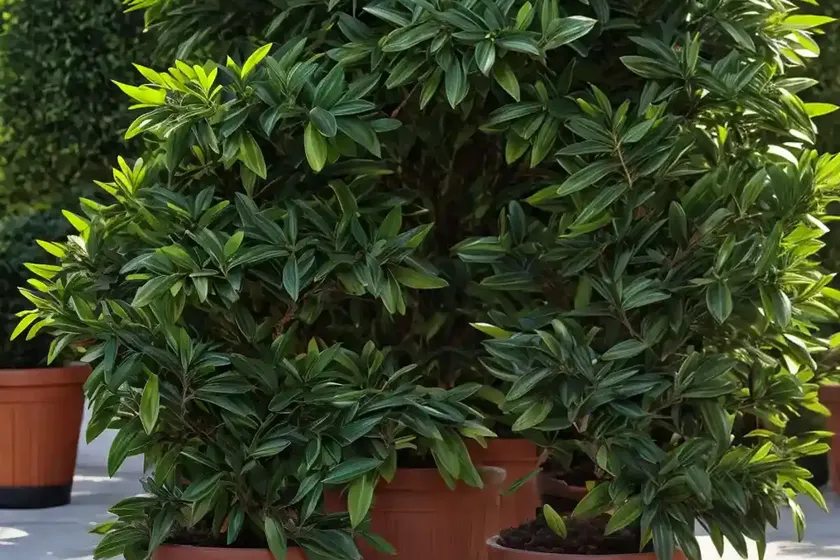
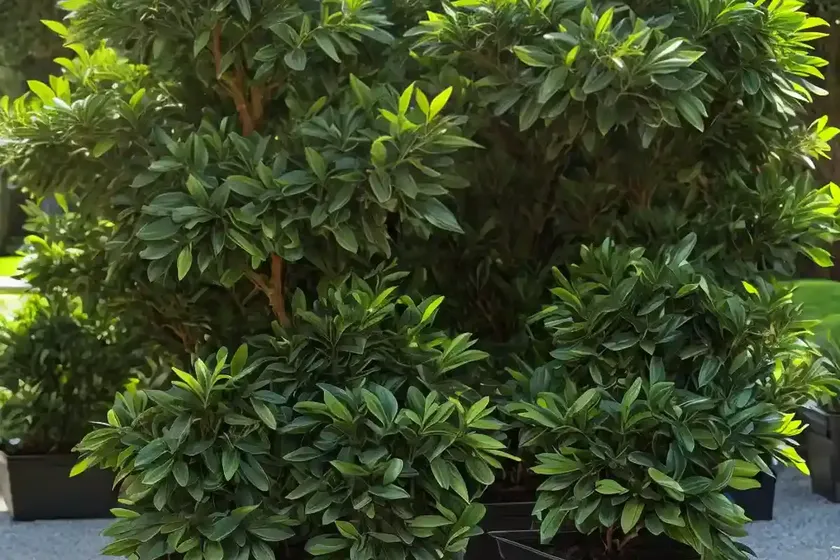
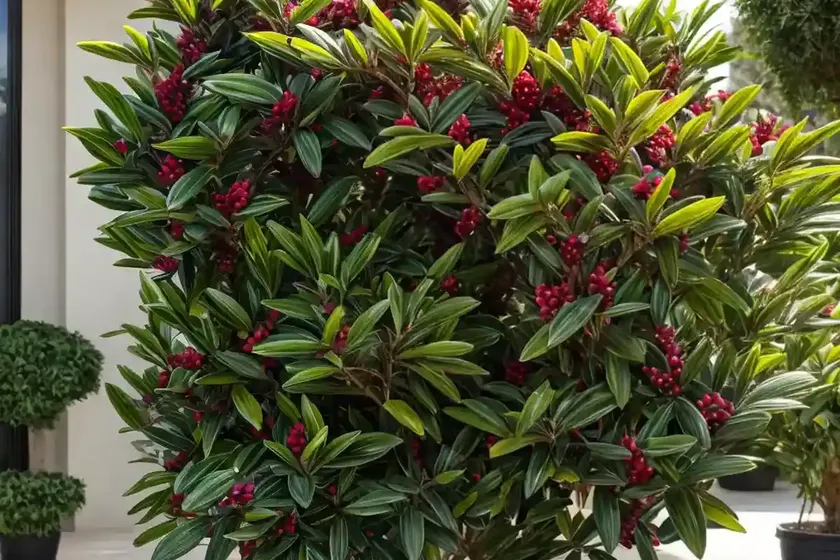
The bay laurel (Laurus nobilis) is an aromatic evergreen tree or large shrub with dark green, glossy leaves. It is native to the Mediterranean region and is popular for its culinary uses, ornamental value, and aromatic properties. In this comprehensive guide, we will explore the cultural significance, uses, care requirements, and interesting facts about the bay laurel plant.
What is the Bay Laurel (Laurus nobilis)?
The bay laurel, scientifically known as Laurus nobilis, belongs to the Lauraceae family. It is commonly referred to as sweet bay, bay tree, or true laurel. The plant is renowned for its flavorful and aromatic leaves, which are a staple in Mediterranean cuisine, herbal remedies, and folk traditions. Beyond its practical uses, the bay laurel also holds historical and cultural significance, with references in ancient mythology, rituals, and traditional medicine.
Key Takeaways
- Botanical Name: Laurus nobilis
- Common Names: Bay Laurel, Sweet Bay, Bay Tree, True Laurel
- Plant Type: Evergreen Tree/Shrub
- Uses: Culinary, Medicinal, Ornamental, Aromatic
- Native Region: Mediterranean
- Hardiness Zones: 8-11
- Growth Rate: Slow to Moderate
Cultivation
Water
Bay laurel plants prefer moderately moist soil. During the growing season, ensure that the soil is kept evenly moist. However, it is essential to avoid waterlogging, as excessive moisture can lead to root rot. In winter, reduce watering to allow the top inch of the soil to dry out between waterings.
Sunlight
Bay laurel thrives in full sun to partial shade. It is best to provide the plant with at least six hours of direct sunlight per day, especially in cooler climates. In hotter regions, partial shade during the hottest part of the day can help prevent leaf scorch.
Fertilizer
Fertilize bay laurel plants in the spring with a balanced, slow-release fertilizer. Avoid over-fertilization, as it can lead to excessive foliage growth at the expense of essential oils in the leaves.
Soil
The bay laurel prefers well-draining, slightly acidic to neutral soil. A mix of peat moss, compost, and perlite can help create an ideal growing medium for the plant.
Pruning
Regular pruning is essential to maintain the desired shape and size of the bay laurel plant. Prune in the late spring or early summer to control growth and remove any dead or damaged branches. Additionally, pruning promotes air circulation, which can help prevent common fungal issues.
Propagation
Bay laurel can be propagated through semi-hardwood cuttings taken in the summer. Root the cuttings in a well-draining potting mix and provide bottom heat to encourage root development. In some cases, bay laurel can also be propagated from seeds, though this method is less common due to the slow germination of the seeds.
Container Popularity
Bay laurel is a popular choice for container gardening due to its manageable size and ornamental value. It can be grown in large containers on patios, balconies, or near kitchen windows for easy access to its leaves for culinary use.
Container Care
When growing bay laurel in containers, it is crucial to select a pot with adequate drainage holes to prevent waterlogging. Use a well-draining potting mix and ensure that the plant receives sufficient sunlight throughout the day. Container-grown bay laurel may require more frequent watering than those planted in the ground, as the soil in containers tends to dry out faster.
Common Diseases
Disease Diagnosis
- Powdery Mildew: This fungal disease appears as a white powdery substance on the leaves and stems. It thrives in humid conditions and can be addressed through proper air circulation and fungicidal treatments.
- Leaf Spot: Leaf spot diseases cause dark spots or lesions on the leaves, eventually leading to leaf drop. Maintain good air circulation, avoid overhead irrigation, and remove any affected leaves to manage leaf spot diseases.
Common Pests
Bay laurel may be susceptible to certain pests, including:
- Scale Insects: These small, immobile insects can be found on the stems and leaves, sucking sap from the plant. A horticultural oil spray can help control scale infestations.
- Spider Mites: Spider mites cause stippling and webbing on the leaves. Regularly rinsing the leaves with water and applying insecticidal soap can help prevent and manage spider mite infestations.
Botanist’s Tips
- Harvesting Leaves: When harvesting bay laurel leaves for culinary or aromatic use, select mature, dark green leaves and avoid damaging the newly emerging growth.
- Winter Protection: In regions with cold winter temperatures, consider overwintering container-grown bay laurel indoors to protect it from frost and freezing conditions.
Fun Facts
- The bay laurel has been associated with victory, fame, and honor in ancient Greek and Roman cultures, leading to its use in crowns for athletes and heroes.
- In mythology, the bay laurel was considered sacred to Apollo, the Greek god of prophecy and poetry. It was often used to create crowns for his followers and as a symbol of protection and purification.
- Bay laurel leaves are a key ingredient in the classic French combination of herbs known as “bouquet garni,” used to flavor stocks, soups, and stews.
Links to External Resources
To further explore the bay laurel (Laurus nobilis) and its various uses and cultural significance, here are some valuable external resources:
- Bay Laurel Essential Oil and Its Uses
- Health Benefits and Medicinal Uses of Laurus nobilis
- Cooking with Bay Laurel: Culinary Applications
- Laurus nobilis in Traditional Medicine and Herbal Remedies
- Cultivating Bay Laurel: Tips for Growing and Care
In conclusion, the bay laurel (Laurus nobilis) is a versatile and culturally significant plant with a rich history and a range of practical uses. Whether incorporated into culinary dishes, utilized for its aromatic properties, or appreciated for its ornamental value, the bay laurel continues to captivate plant enthusiasts, herbalists, and chefs around the world. Understanding its care requirements, cultural significance, and practical applications can deepen our appreciation for this remarkable plant.
In case you want me to proceed further, please let me know.


