Bavarian Gentian (Gentiana Bavarica)
Bavarian Gentian, scientifically known as Gentiana Bavaria, is a stunning plant that captivates the heart of many plant lovers. Its vibrant blue flowers.
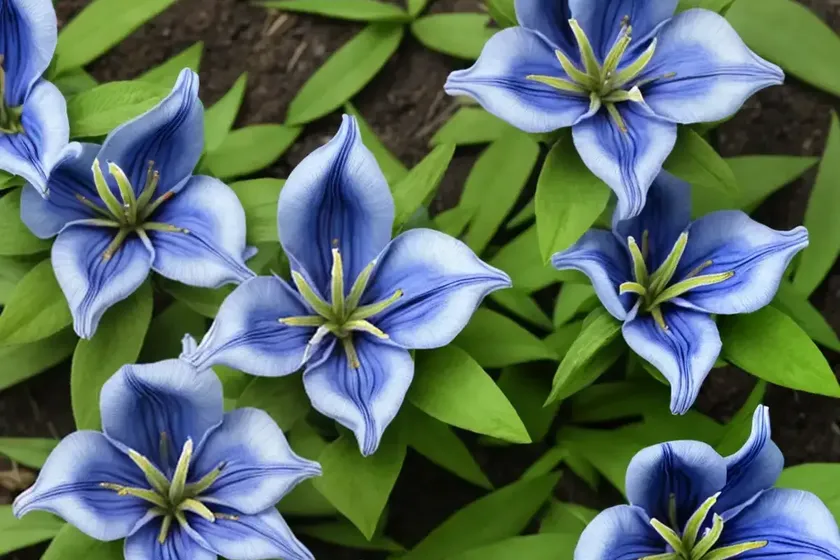
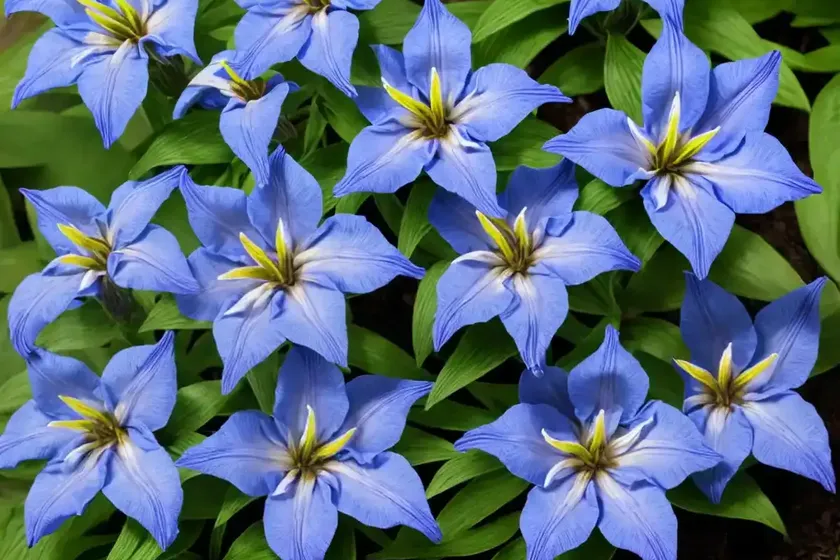
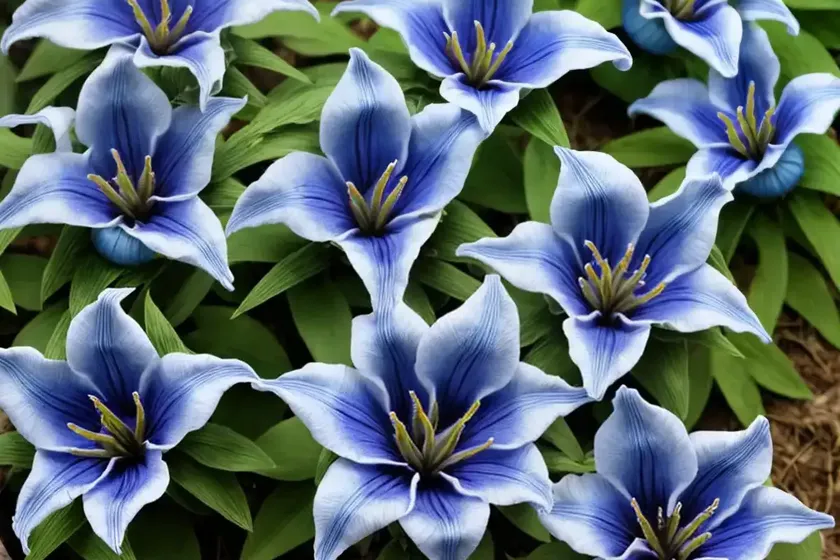
Bavarian Gentian, scientifically known as Gentiana Bavaria, is a stunning plant that captivates the heart of many plant lovers. Its vibrant blue flowers and ornamental features make it a popular choice for gardens and landscapes. In this comprehensive guide, we will delve into the fascinating world of Bavarian Gentian, exploring its characteristics, cultivation, uses, and much more.
What is Bavarian Gentian?
Bavarian Gentian, or Gentiana Bavarica, is a perennial herbaceous plant belonging to the Gentianaceae family. This captivating plant is native to the European Alps, where it thrives in alpine meadows and rocky landscapes. The genus Gentiana comprises hundreds of species, with Bavarian Gentian being one of the most admired due to its striking blue flowers and unique cultural significance.
Key Takeaways – Bavarian Gentian (Gentiana Bavarica)
Before delving deeper into the world of Bavarian Gentian, let’s highlight some key takeaways about this fascinating plant:
- Plant Name: Bavarian Gentian (Gentiana Bavarica)
- Characteristics: Vibrant blue flowers, ornamental foliage, perennial herbaceous plant
- Cultivation: Well-drained soil, moderate sunlight, regular watering
- Uses: Ornamental plant, cultural significance, traditional uses
- Habitat: Alpine meadows, rocky landscapes, European Alps
- Gardening: Suitable for garden landscapes, container gardening
- Disease Resistance: Susceptible to certain diseases, requires proper care and maintenance
- Popularity: Admired for its beauty and cultural significance
Now, let’s explore the various aspects of growing and caring for Bavarian Gentian, from its cultural uses to its specific care requirements.
Culture
Water
Bavarian Gentian thrives in well-drained soil and requires regular watering to maintain optimal moisture levels. However, it is essential to avoid waterlogged conditions, as this can lead to root rot and other moisture-related issues. When watering Bavarian Gentian, ensure that the soil is moist but not saturated, allowing excess water to drain effectively.
Sunlight
While Bavarian Gentian appreciates moderate sunlight, it also benefits from some shade, especially during intense midday sun. When cultivating this plant, aim to provide it with partial to full sunlight, ensuring that it receives adequate light for healthy growth and vibrant flowering.
Fertilizer
Applying a balanced fertilizer during the growing season can promote the health and vigor of Bavarian Gentian. Opt for a fertilizer with a balanced NPK ratio, suited for flowering plants, and apply it according to the manufacturer’s instructions. Avoid over-fertilization, as this can lead to excessive foliage growth at the expense of flower production.
Soil
The soil requirements for Bavarian Gentian revolve around well-drained, slightly acidic to neutral soil. A mix of organic matter, such as compost or peat moss, can enhance the soil’s fertility and structure, creating an ideal growing medium for this captivating plant. Ensure that the soil is loose and porous to facilitate root development and nutrient uptake.
Pruning
Pruning Bavarian Gentian is not a common practice, as the plant maintains its ornamental form without extensive pruning requirements. However, removing dead or damaged foliage and spent flowers can help maintain the plant’s visual appeal and encourage continuous blooming.
Propagation
Bavarian Gentian can be propagated through division or seeds. Division involves separating the plant’s rhizomes or clumps and replanting them to establish new individuals. When propagating from seeds, it is essential to provide optimal germination conditions, including consistent moisture and suitable temperatures.
Container Popularity
Due to its ornamental qualities and compact growth habit, Bavarian Gentian is well-suited for container gardening. Cultivating this plant in containers allows for greater control over soil conditions and placement, making it an attractive choice for balcony gardens, patios, and other confined spaces.
Common Diseases
Bavarian Gentian is relatively resistant to diseases under favorable growing conditions. However, certain issues such as fungal infections, particularly root rot, can arise in waterlogged or poorly drained soil. Additionally, ensuring proper air circulation and reducing moisture on foliage can minimize the risk of disease development.
Disease Diagnosis
Diagnosing potential diseases in Bavarian Gentian involves observing the plant for symptoms such as wilting, yellowing foliage, or the presence of abnormal growths. If disease symptoms are suspected, promptly addressing the underlying issues, such as improving drainage or adjusting watering practices, is crucial to prevent further spread.
Common Pests
While Bavarian Gentian is not highly prone to pest infestations, occasional encounters with aphids, slugs, or snails may occur. Monitoring the plant regularly for signs of pest activity and implementing appropriate control measures, such as organic insecticidal soaps or physical barriers, can effectively manage pest presence.
Botanist’s Tips
For individuals seeking to cultivate Bavarian Gentian, incorporating the following tips can enhance the plant’s overall health and aesthetics:
- Select a well-drained, nutrient-rich soil mix for optimal growth.
- Provide moderate sunlight with partial shade during intense midday sun.
- Water the plant regularly, maintaining consistent moisture levels without waterlogging.
- Monitor for disease and pest issues, addressing any concerns promptly to prevent escalation.
- Consider container gardening to showcase Bavarian Gentian in compact spaces or ornamental arrangements.
- Appreciate the cultural significance and ornamental beauty of Bavarian Gentian, celebrating its captivating presence in garden landscapes.
Fun Facts
Uncovering the intriguing facets of Bavarian Gentian reveals its remarkable attributes and cultural allure:
- Bavarian Gentian has been celebrated for its striking blue flowers, often associated with folklore and traditional uses in alpine regions.
- The genus Gentiana encompasses a diverse array of species, each with unique characteristics and cultural significance.
- Bavarian Gentian has captured the attention of plant enthusiasts and researchers alike, inspiring admiration for its natural beauty and resilience in alpine environments.
Links to External Resources
For further exploration of Bavarian Gentian and related topics, the following external resources offer valuable insights and information:
- Royal Horticultural Society: Gentiana Bavarica
- University of Vermont Extension: Perennials for Northern Gardens
- Missouri Botanical Garden: Gentiana
- American Horticultural Society: Growing Alpine Plants
In conclusion, Bavarian Gentian (Gentiana Bavarica) stands as a captivating plant cherished for its ornamental beauty, cultural significance, and adaptability in diverse garden settings. By understanding its cultivation requirements, cultural uses, and unique characteristics, plant enthusiasts can appreciate and cultivate this remarkable species while celebrating its enduring allure in horticulture and traditional folklore.


