Bastard Cobas (Cyphostemma Juttae)
Plants are not just mere decorative additions to our surroundings, but they are complex living organisms that play an essential role in the environment and.
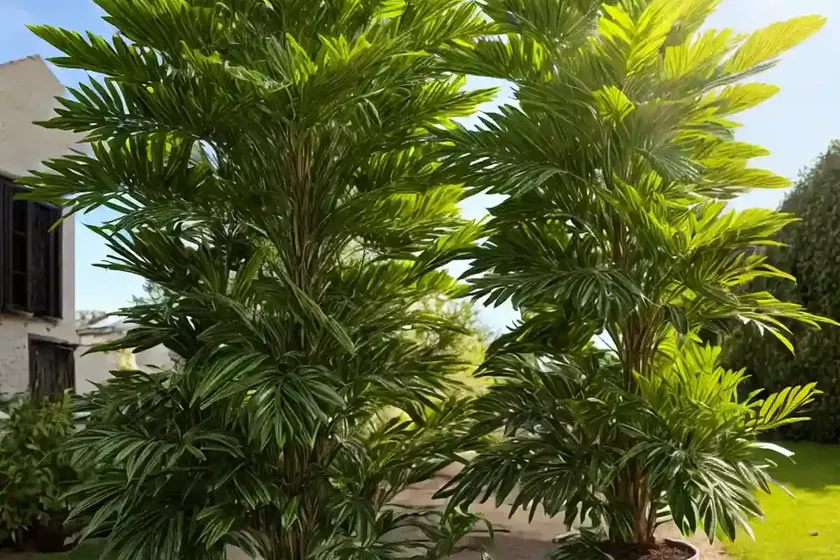
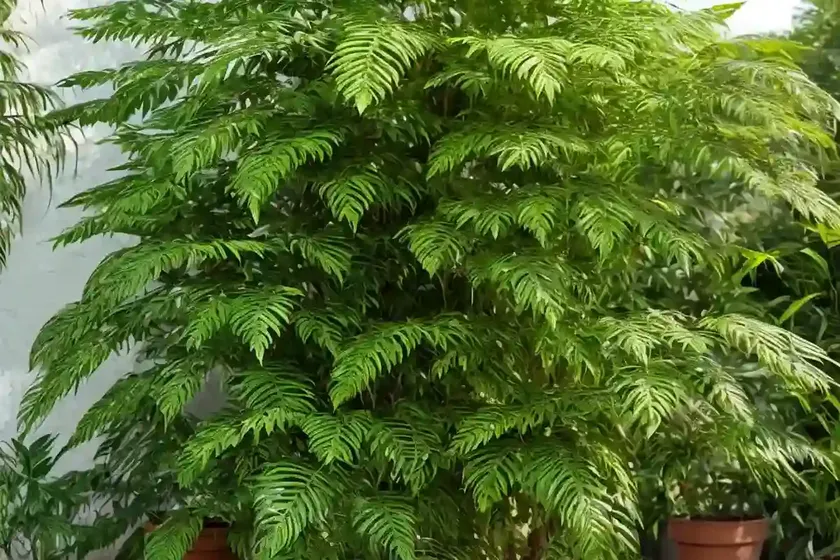
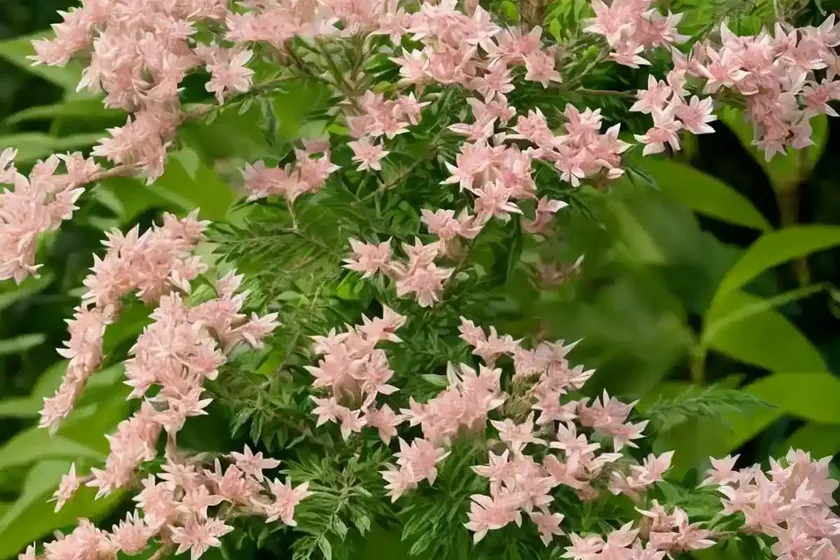
Plants are not just mere decorative additions to our surroundings, but they are complex living organisms that play an essential role in the environment and in our lives. In this blog post, we’ll be diving into the fascinating world of the Bastard Cobas plant, scientifically known as Cyphostemma juttae, exploring its unique characteristics, growth requirements, and care guidelines.
Key Takeaways – Bastard Cobas (Cyphostemma juttae)
Before delving into the specifics of caring for the Cyphostemma juttae, let’s take a moment to highlight some of the key aspects of this remarkable plant.
- Botanical Name: Cyphostemma juttae
- Common Name: Bastard Cobas
- Family: Vitaceae
- Native to: Namibia, Africa
- Plant Type: Succulent, caudiciform
- Growth Habit: Slow-growing, deciduous
- Mature Height: Up to 3 feet (90 cm)
- Watering Needs: Drought-tolerant, infrequent watering
- Sunlight Requirements: Full sun to partial shade
- Soil Type: Well-draining, sandy soil mix
- Propagation: From seeds, stem cuttings
- Common Pests: Aphids, mealybugs
- Common Diseases: Root rot (from overwatering), fungal infections
Now that we have an overview of the Bastard Cobas plant, let’s delve into the specifics of its culture, uses, and the essential care guidelines needed to ensure its thriving presence in your garden or home.
Culture
Understanding the cultural requirements of the Cyphostemma juttae is crucial for providing the ideal environment for its growth and development. This includes considerations such as water, sunlight, fertilizer, soil, and pruning.
Uses
The Bastard Cobas plant has a variety of uses, from being an attractive ornamental plant to having potential cultural significance.
- Ornamental Plant: Its unique caudiciform structure and attractive foliage make it a striking addition to succulent gardens and indoor plant collections.
- Cultural Importance: In its native habitat, the plant may have traditional or medicinal uses, although specific details may vary.
Now, let’s explore the specific cultural requirements for nurturing this intriguing plant.
Water
Water is a critical factor in the care of Cyphostemma juttae, as it is a succulent with particular water requirements.
- Watering Schedule: Water the plant sparingly, allowing the soil to dry out between waterings to prevent waterlogged conditions.
- Summer Watering: During the active growing season (spring and summer), water infrequently but deeply when the top inch of soil feels dry.
- Winter Watering: Reduce watering during the dormant period (fall and winter) to mimic the plant’s natural habitat where it experiences dry seasons.
Sunlight
Proper sunlight exposure is essential for the Bastard Cobas to thrive and maintain its characteristic appearance.
- Light Requirements: Provide bright, indirect light or partial to full sunlight for at least 6 hours a day.
- Outdoor Placement: If grown outdoors, ensure it receives ample sunlight, while providing some protection from intense midday sun in extremely hot climates.
- Indoor Placement: Indoors, place the plant near a south-facing window to ensure it receives sufficient light.
Fertilizer
Feeding the Cyphostemma juttae with the right nutrients is crucial for its growth and overall health.
- Fertilization Frequency: During the growing season, feed the plant with a balanced, diluted liquid fertilizer once a month.
- Avoid Overfeeding: Avoid overfertilizing, as succulents like the Bastard Cobas are sensitive to excess nutrients, which can lead to adverse effects on their growth.
Soil
The choice of soil plays a vital role in providing the appropriate growing medium for the Bastard Cobas.
- Well-Draining Soil: Use a well-draining, sandy soil mix to prevent waterlogging and root rot.
- Soil pH: Aim for a neutral to slightly acidic soil pH (6.5 to 7.0) for optimal nutrient uptake.
- Amendments: Incorporate perlite or coarse sand into the soil mix to improve drainage and aeration.
Pruning
Although the Bastard Cobas is a relatively low-maintenance plant, occasional pruning can assist in maintaining its shape and appearance.
- Pruning Frequency: Prune the plant as needed to remove dead or damaged foliage, and to shape the plant if desired.
- Caution: Take care when pruning to avoid damaging the caudex (swollen stem) and to prevent the risk of infections.
Propagation
Propagating the Bastard Cobas allows for the expansion of its presence in the garden or for sharing with other plant enthusiasts.
Methods
- From Seeds: Propagation from seeds is possible, although it may take longer to see the mature characteristics of the parent plant.
- Stem Cuttings: Propagate the plant by taking stem cuttings, allowing them to callus for a few days before planting them in a well-draining soil mix.
Container Popularity
The Bastard Cobas is a popular choice for container gardening due to its unique appearance and low maintenance requirements.
- Container Size: When grown in containers, choose a pot that provides ample space for the plant’s caudex to grow and develop.
- Drainage Holes: Ensure the container has adequate drainage holes to prevent water accumulation at the roots.
Common Diseases
Understanding the potential diseases that the Bastard Cobas may be susceptible to is essential for proactive care.
Disease Diagnosis
- Root Rot: Overwatering or waterlogged soil can lead to root rot, causing the plant to wilt and decline.
- Fungal Infections: Excess moisture or poor air circulation can create conditions for fungal infections, leading to discolored or rotting spots on the plant.
Common Pests
Keeping an eye out for common pests is crucial to maintaining the health of the Bastard Cobas.
Pest Control
- Aphids: Check the undersides of leaves for clusters of small, soft-bodied insects and use insecticidal soap or neem oil for control.
- Mealybugs: Control mealybug infestations by dabbing the affected areas with a cotton swab dipped in rubbing alcohol.
Botanist’s Tips
To ensure the best care for the Cyphostemma juttae, consider the following expert tips:
- Dormancy: Respect the plant’s natural dormancy period by adjusting watering and feeding routines accordingly.
- Caution with Water: Err on the side of underwatering rather than overwatering to prevent root issues.
- Protection: Shield the plant from extreme weather conditions, especially frost and excessive heat.
Fun Facts
To add an intriguing touch to your knowledge of the Bastard Cobas, consider the following fun facts:
- Caudiciform Structure: The plant’s caudex, which is its swollen stem base, stores water and provides it with a unique appearance.
- Deciduous Nature: During the dormant season, the Bastard Cobas sheds its leaves, leaving the caudex exposed until new growth emerges.
Now that we’ve explored the essentials of caring for the Bastard Cobas, let’s take a look at some additional resources to further expand your understanding and expertise in nurturing this captivating succulent.
Links to External Resources
Here are some valuable resources to deepen your knowledge of caring for Cyphostemma juttae:
- Cyphostemma juttae Care Guide – World of Succulents
- Bastard Cobas Plant Information – Plant Care Today
- Growing Cyphostemma juttae Indoors – The Spruce
- Bastard Cobas Plant Care Tips – Rainforest Flora
- Cyphostemma juttae Watering Requirements – Gardening Know How
These resources offer a wealth of information, from care tips and growing guidelines to potential challenges and solutions associated with nurturing the Bastard Cobas plant.
In conclusion, the Bastard Cobas (Cyphostemma juttae) presents a captivating and distinctive addition to the world of succulent plants, with its caudiciform structure, drought-tolerant nature, and unique cultural significance. By understanding its specific cultural requirements, propagation techniques, potential pests and diseases, and expert tips, you can effectively cultivate and appreciate the beauty of this remarkable plant.
Remember, successful plant care is not only about providing the essential elements of water, sunlight, and nutrients, but it also involves fostering an appreciation for the individuality and complexity of each plant species, such as the intriguing Bastard Cobas.