Basil (Ocimum Basilicum)
Basil, scientifically known as Ocimum basilicum, is a widely cultivated herb that belongs to the Lamiaceae family. It is not only valued for its culinary.
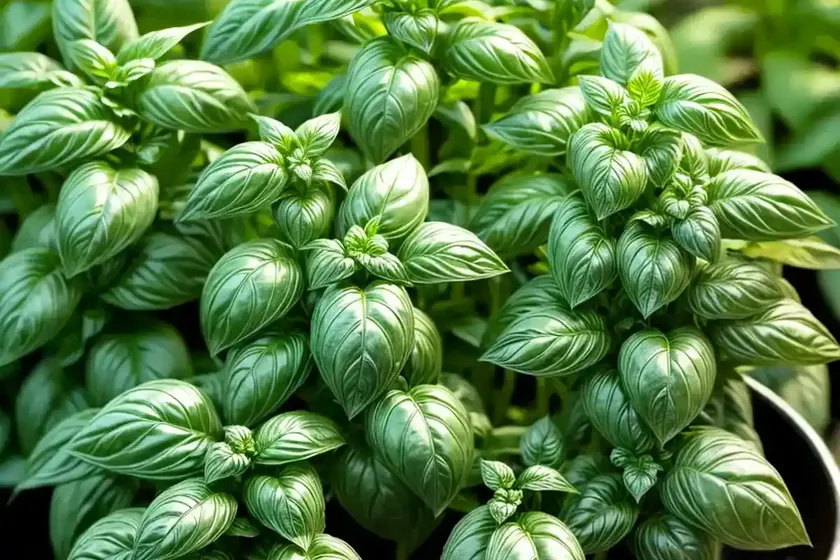
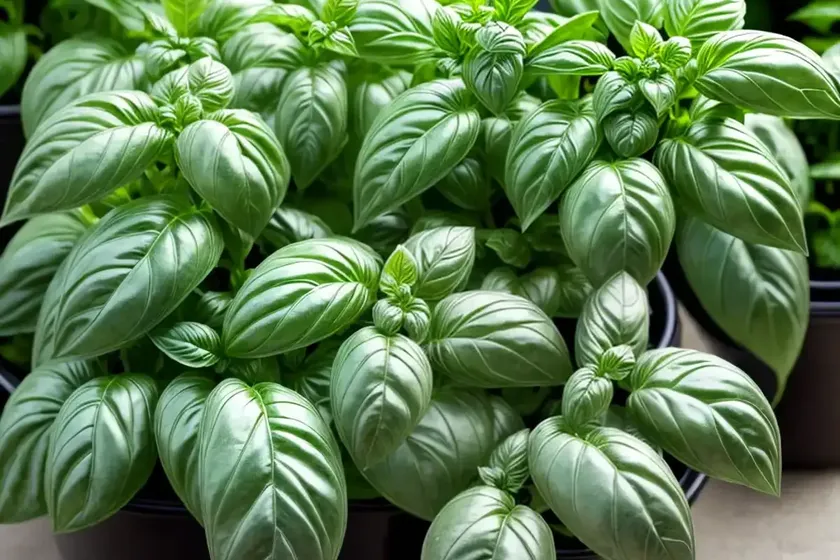
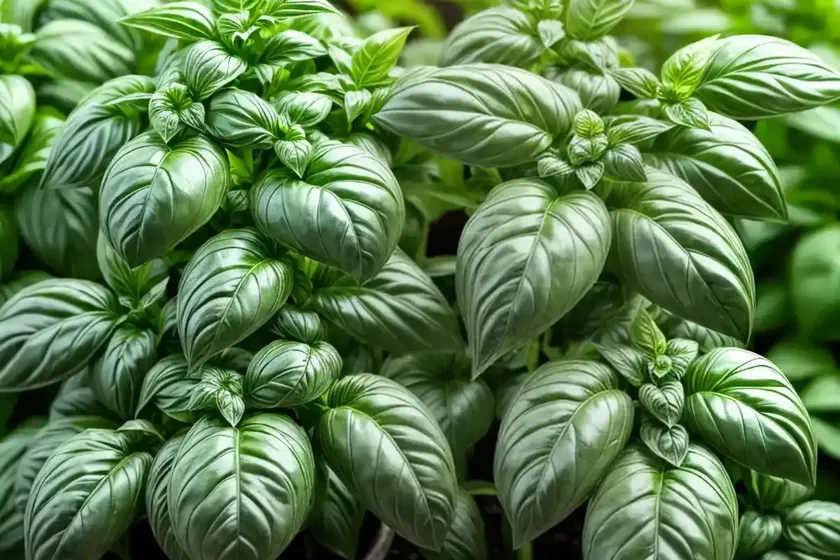
Basil, scientifically known as Ocimum basilicum, is a widely cultivated herb that belongs to the Lamiaceae family. It is not only valued for its culinary uses but also for its rich cultural and medicinal significance. In this comprehensive guide, we will delve into the various aspects of growing, caring for, and utilizing basil, while also exploring its cultural, historical, and health-related attributes.
What is Basil (Ocimum basilicum)?
Basil is a tender, low-growing herb native to India that is widely grown for its fragrant and flavorful leaves. It is an essential herb in various cuisines around the world, particularly in Italian, Thai, and Mediterranean cooking. This aromatic plant is known for its rich history, with mentions dating back to ancient civilizations. With its distinct aroma and pleasing flavor, basil adds a delightful touch to dishes, making it a popular choice among culinary enthusiasts.
Key Takeaways – Basil (Ocimum basilicum)
Before we delve into the specifics of cultivating and caring for basil, let’s take a quick look at some key takeaways about this fascinating herb.
- Scientific Name: Ocimum basilicum
- Cultural Significance: Used in various religious and cultural ceremonies
- Medicinal Properties: Known for its potential health benefits and therapeutic properties
- Culinary Uses: Widely used in cooking, particularly in Italian and Thai cuisines
- Growth Habit: Tender herbaceous plant, often grown as an annual
- Fragrance: Exhibits a distinctive, pleasant aroma
- Flavor: Delivers a sweet, slightly peppery flavor
- Lifespan: Typically grown as an annual but can be perennial in suitable conditions
Now, let’s delve into the specifics of cultivating and caring for basil, and explore its diverse uses and cultural significance.
Culture
Basil, being a warm-weather herb, thrives in well-lit and sunny locations. It’s essential to understand its cultural requirements to ensure optimal growth and productivity.
Water
Proper water management is crucial for the healthy growth of basil. The ideal approach to watering basil is to keep the soil consistently moist but not waterlogged. It’s important to avoid overwatering, as it can lead to root rot and other issues. A good practice is to water the plants in the morning to allow excess moisture to evaporate during the day, which helps in preventing diseases caused by excessive moisture.
Sunlight
Being a sun-loving plant, basil requires ample sunlight for optimum growth. It’s recommended to provide at least 6-8 hours of direct sunlight daily for the plants to flourish. In regions with intense heat, providing some partial shade during the hottest part of the day can be beneficial, as it helps in preventing the plants from becoming stressed due to excessive heat.
Fertilizer
When it comes to fertilization, basil generally thrives in well-draining, fertile soil. While starting with nutrient-rich soil is beneficial, supplemental feeding can ensure robust growth. A balanced, water-soluble fertilizer with equal ratio of nitrogen, phosphorus, and potassium can be applied every 3-4 weeks during the growing season to support healthy foliage and overall plant development.
Soil
Basil grows best in well-drained soil with a slightly acidic to neutral pH level ranging from 6.0 to 7.5. The soil should be rich in organic matter, and amendments such as compost or well-rotted manure can be incorporated before planting to enhance the soil structure and fertility. Avoid waterlogged or compacted soils, as they can lead to poor root development and affect the plant’s health.
Pruning
Regular pruning of basil is essential for maintaining its vigor and promoting bushy growth. Pinching off the growing tips and flower buds encourages lateral branching and prevents the plant from bolting, which can compromise the flavor and quality of the leaves. Additionally, removing any damaged or diseased foliage helps in preventing the spread of diseases and pests, contributing to the overall health of the plant.
Propagation
Basil can be propagated from seeds, cuttings, or root divisions. While growing basil from seeds is a popular option, taking cuttings from existing healthy plants or dividing mature plants can also yield successful results. An ideal time to propagate basil from cuttings is during the active growing season when the plants are actively producing new growth.
Container Popularity
Due to its compact growth habit and adaptability, basil is a popular choice for container gardening. Growing basil in containers offers several advantages, including ease of maintenance, portability, and the ability to control the growing conditions. Whether it’s a small herb pot on a kitchen windowsill or a larger outdoor container, basil thrives in container environments when provided with adequate care and favorable growing conditions.
Common Diseases
Basil is susceptible to a few common diseases that can impact its growth and overall health. Understanding these diseases and their symptoms is crucial for effective management and prevention.
Disease Diagnosis
- Downy Mildew (Peronospora belbahrii): This fungal disease often presents as yellowing or browning of the leaves, accompanied by the development of fuzzy, grayish spores on the undersides of the affected foliage.
- Fusarium Wilt (Fusarium oxysporum): Symptoms include stunted growth, wilting leaves, and yellowing of the lower foliage. The vascular tissues may exhibit discoloration when affected by this fungal pathogen.
- Basil Downy Mildew (Pernospora belbahrii): This disease can cause yellowing and darkening of the foliage, accompanied by fuzzy masses of spores on the undersides of the leaves.
Common Pests
Basil can also come under attack from various pests, such as aphids, whiteflies, spider mites, and caterpillars. Implementing preventive measures, including inspecting the plants regularly and using organic pest control methods, can help in managing pest infestations and minimizing potential damage to the plants.
Botanist’s Tips
Here are some valuable tips from botanists and expert gardeners for successfully cultivating and caring for basil:
- Companion Planting: Basil is known to exhibit natural repellent properties against certain pests, making it a beneficial companion plant for vegetables like tomatoes, peppers, and eggplants. Its aromatic foliage can help in deterring pests while also enhancing the flavor of neighboring plants.
- Harvesting Techniques: When harvesting basil, it’s advisable to snip the stems just above a pair of healthy leaves. This promotes additional branching and encourages the production of fresh foliage, contributing to prolonged harvests and overall plant health.
Fun Facts
To appreciate basil beyond its culinary and ornamental value, let’s explore some intriguing fun facts about this beloved herb:
- Historical Significance: Basil has been regarded as a symbol of love, royalty, and hospitality in various cultures across the globe. It holds a revered position in Greek, Roman, and Indian traditions.
- Cultural Rituals: In some cultures, basil is associated with rituals, beliefs, and folklore, often linked to themes of protection, good fortune, and spiritual significance.
Links to External Resources
For further exploration and detailed information on basil, consider the following external resources:
- The Spruce – Growing Basil
- University of Florida – Basil Production Guide
- NC State Extension – Controlling Diseases and Pests of Basil
By incorporating the insights and tips shared in this comprehensive guide, you can enhance your understanding of basil and cultivate thriving plants with bountiful harvests. Whether you’re a seasoned gardener or a novice enthusiast, the allure of basil and its multifaceted qualities are sure to captivate and inspire your botanical pursuits.
References
- R. M. Smith, Ocimum basilicum L.–Basil: pharmacognosy, agronomy, chemistry, and biotechnology. Journal of Herbs, Spices & Medicinal Plants, 1998. DOI: 10.1300/J044v05n02_05
- J.I. Gray, Antioxidative quality of basil, doi: 10.1016/S01956663(88)80049-7
- M. A. Balakrishnan, R. Shanmuga kumar, Comparative antibacterial activity of different species of basil leaves doi:10.1016/j.asianjc.2014.04.005


