Baptisia ‘Midnight’ (False Indigo)
Baptisia ‘Midnight’ is a stunning perennial known by the common name “False Indigo”. This plant is a member of the Fabaceae family, which is the.
What is Baptisia ‘Midnight’?
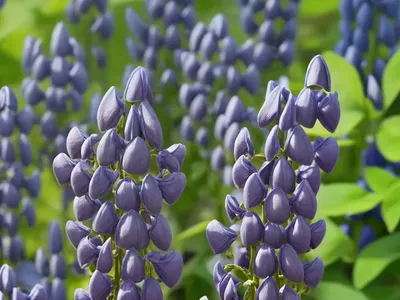
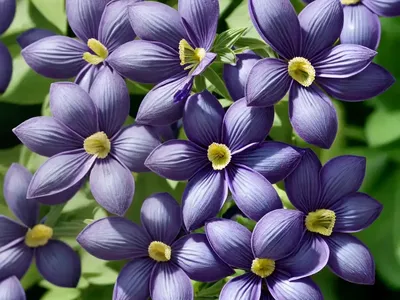
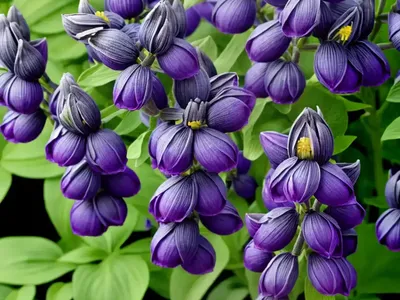
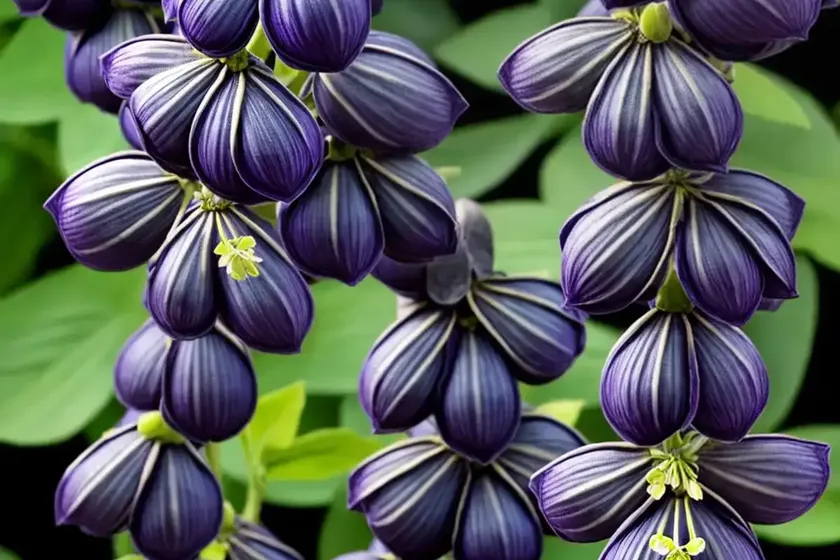
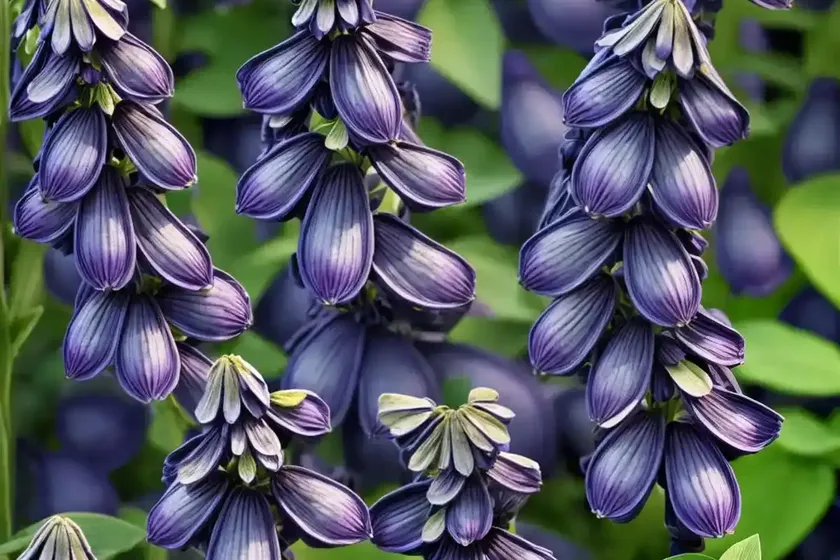
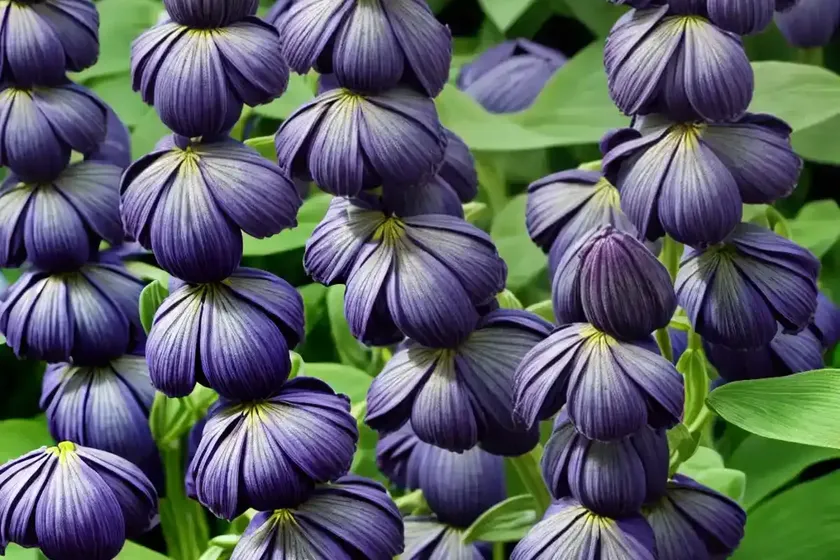
Baptisia ‘Midnight’ is a stunning perennial known by the common name “False Indigo”. This plant is a member of the Fabaceae family, which is the third-largest family of flowering plants. It is a hybrid species that results from the crossbreeding of different Baptisia species, and it boasts lovely dark blue-purple flower spikes and attractive, deep green foliage. False Indigo ‘Midnight’ is a versatile and visually striking addition to any garden or landscape, thanks to its long-lived nature and relatively low-maintenance requirements.
Key Takeaways – Baptisia ‘Midnight’ (False Indigo)
Culture
- Origin: Hybrid plant, a crossbreed of different Baptisia species
- Type: Perennial
- Mature Height: 36-48 inches
- Mature Spread: 36-48 inches
- Blooms: Late spring or early summer
- Foliage: Deep green, compound leaves
- Common Name: False Indigo
- Hardiness Zone: 4-9
Uses
- Garden Beds: Versatile plant suitable for borders, cottage gardens, and naturalistic plantings
- Cut Flower: Lovely as cut flowers, adding a touch of elegance to floral arrangements
- Landscaping: Adds visual interest and seasonal color to landscapes
- Wildlife Habitat: Attracts bees and other pollinators; serves as a host plant for certain butterfly species
Water
- Watering Needs: Low to moderate; drought-tolerant once established
- Watering Frequency: Water deeply once or twice per week, particularly during dry spells
- Soil Moisture: Well-drained soil is essential to prevent waterlogging
Sunlight
- Light Requirements: Full sun to part shade
- Optimal Light: 6-8 hours of direct sunlight per day
- Shade Tolerance: Can tolerate partial shade; may result in slightly reduced flowering
Fertilizer
- Fertilization: Minimal fertilization needs; generally undemanding
- Fertilizer Type: Balanced, slow-release fertilizer in spring
- Soil Enrichment: Organic matter can be added to enrich the soil
Soil
- Soil Type: Well-draining, loamy soil
- pH Level: Neutral to slightly alkaline (pH 6.5-7.5)
- Soil Amendments: Well-rotted compost or aged manure can be beneficial
Pruning
- Pruning Time: Early to mid-summer after blooming
- Pruning Needs: Minimal; remove spent flower spikes and any dead or damaged growth
- Height Control: Cutting back by one third in late spring can help manage height
Propagation
- Propagation Methods: Seeds, division, or cuttings
- Seed Harvesting: Collect legume pods in the fall for dry stratification
- Division: Spring is the best time for dividing mature plants
- Cuttings: Softwood cuttings can be taken in early summer
Container Popularity
- Container Gardening: Suitable for containers, particularly large ones
- Container Size: Opt for deep, wide containers to accommodate extensive root systems
Common Diseases
- Disease Resistance: Generally resistant to most diseases
- Common Issues: Potential susceptibility to root rot in poorly draining soil
Disease Diagnosis
- Visual Symptoms: Yellowing, wilting, or stunted growth may indicate disease
- Root Inspection: Examine the roots for signs of rot or damage
- Soil Test: Conduct soil tests to assess pH and nutrient levels
Common Pests
- Pest Concerns: Relatively resistant to pests
- Potential Pests: Aphids, thrips, and nematodes can occasionally pose issues
Botanist’s Tips
- Native Plants: Baptisia ‘Midnight’ is native to North America
- Drought Tolerance: Well-suited to xeriscaping and water-wise landscaping
- Deer Resistance: Deer tend to avoid feeding on False Indigo plants
- Erosion Control: Deep root systems are beneficial for stabilizing soil
Fun Facts
- Herbal Uses: Historically used by Native American tribes for medicinal purposes
- Soil Enrichment: Fixates nitrogen, enriching the soil and benefitting neighboring plants
- Natural Dyes: Certain species within the Baptisia genus have been used for dyeing textiles
Links to External Resources
For more in-depth information on Baptisia ‘Midnight’ and related topics, these external resources offer valuable insights:
- Growing Native Plants: Baptisia ‘Midnight’ Review
- False Indigo ‘Midnight’ Plant Profile
- How to Propagate Baptisia ‘Midnight’
- Baptisia ‘Midnight’ Disease Resistance
- Attracting Pollinators with Baptisia ‘Midnight’
These resources delve into various aspects of cultivating False Indigo ‘Midnight’, offering expert guidance on its care, propagation, and ecological benefits.
In conclusion, Baptisia ‘Midnight’ exemplifies the beauty of native plants, bringing both ornamental and ecological value to gardens and landscapes. By understanding its requirements and diverse applications, gardeners can enjoy the timeless allure of False Indigo ‘Midnight’ while contributing to the conservation of native flora.