Baptisia ‘Lunar Eclipse’ (False Indigo)
Baptisia ‘Lunar Eclipse’ is a stunning perennial plant known for its attractive foliage and unique blooming pattern. In this comprehensive guide, we will.
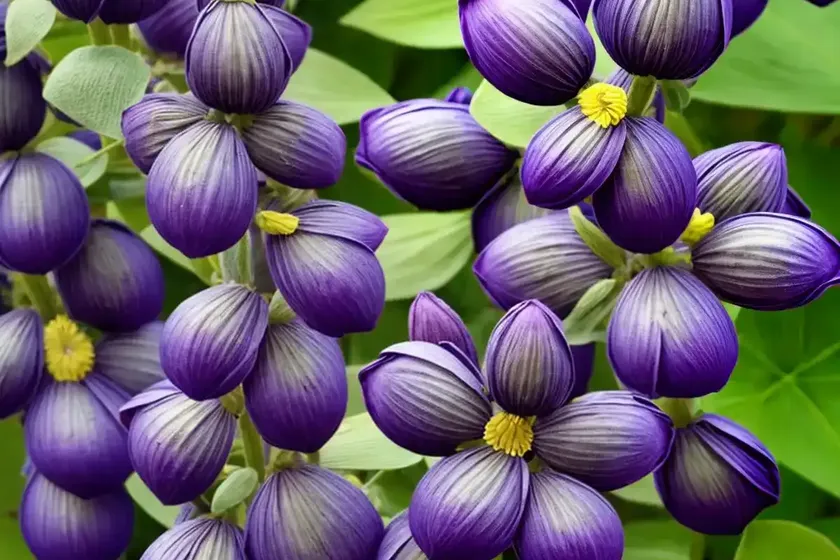
Baptisia ‘Lunar Eclipse’ is a stunning perennial plant known for its attractive foliage and unique blooming pattern. In this comprehensive guide, we will delve into the various aspects of caring for and cultivating this beautiful plant. Whether you are a seasoned gardener or a beginner with an interest in horticulture, this article will provide you with valuable insights into the world of Baptisia ‘Lunar Eclipse’.
Key Takeaways
Before we delve into the specifics of caring for Baptisia ‘Lunar Eclipse’, let’s outline some key takeaway points that we will be addressing in this guide:
- Water: Understanding the watering needs of Baptisia ‘Lunar Eclipse.
- Sunlight: The optimal sunlight requirements for this False Indigo variety.
- Fertilizer: Providing the right nutrients for healthy growth.
- Soil: Identifying the best soil conditions for cultivating Baptisia ‘Lunar Eclipse’.
- Pruning: Techniques for maintaining the plant’s shape and promoting flowering.
- Propagation: Methods for propagating Baptisia ‘Lunar Eclipse’.
- Container Gardening: Tips for growing this plant in containers.
- Common Diseases and Pests: Recognizing and addressing potential issues.
- Fun Facts: Exploring interesting and lesser-known aspects of Baptisia ‘Lunar Eclipse’.
Now, let’s delve into the specifics of each of these aspects and gain a comprehensive understanding of caring for this unique False Indigo variety.
What is Baptisia ‘Lunar Eclipse’ (False Indigo)?
Baptisia ‘Lunar Eclipse’, also known as False Indigo, is a herbaceous perennial plant that belongs to the Fabaceae family. It is prized for its striking blue-green foliage and elegant flower spikes that adorn the plant during the summer months.
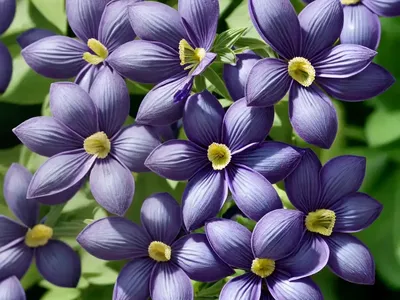
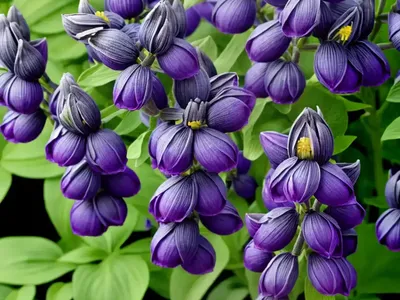
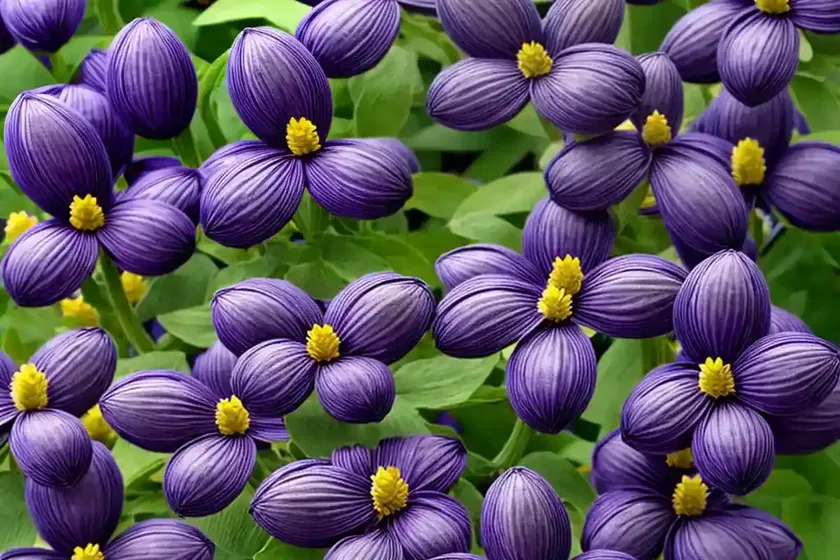
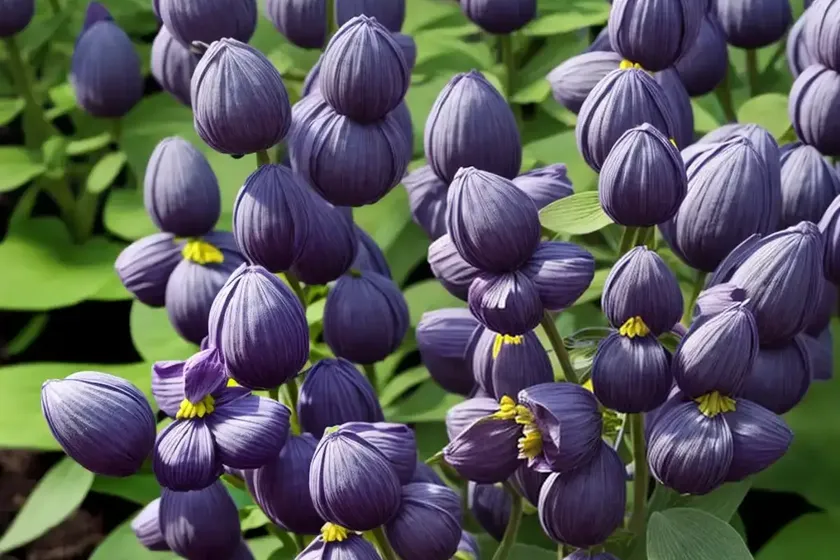
The plant is characterized by its upright, bushy growth habit and can reach a mature height of around 3 to 4 feet, with a similar spread. Its unique flower spikes emerge in late spring to early summer, showcasing a stunning display of bicolor blooms. The flowers open as a deep violet-blue color, which then fades to a soft, smoky violet-grey as they age, reminiscent of a lunar eclipse, hence the name ‘Lunar Eclipse’.
Plant Name: Baptisia ‘Lunar Eclipse’ (False Indigo)
Let’s now explore the various aspects of caring for and cultivating this exquisite perennial plant.
Culture
Water
Proper watering is crucial for the health and vitality of Baptisia ‘Lunar Eclipse’. While the plant is known for its drought tolerance once established, it is important to provide adequate moisture, especially during its initial establishment and during prolonged dry spells.
Watering Needs of False Indigo ‘Lunar Eclipse’:
- Initial Establishment: Water newly planted specimens regularly to ensure that the roots establish efficiently.
- Established Plants: Once established, Baptisia ‘Lunar Eclipse’ generally thrives in dry to moderately moist soil and may not require frequent watering. However, during prolonged dry spells, it is advisable to provide supplemental watering to prevent the plant from wilting.
Sunlight
Sunlight Requirements for Baptisia ‘Lunar Eclipse:
- Full Sun: Baptisia ‘Lunar Eclipse’ thrives in full sunlight and should be planted in an area that receives at least 6 to 8 hours of direct sunlight per day.
- Partial Shade: While it can tolerate some light shade, optimal flower production and overall growth are achieved in full sun conditions.
Fertilizer
Appropriate fertilization can enhance the growth and flowering performance of Baptisia ‘Lunar Eclipse’. However, it is important to avoid excessive fertilizer application, as this can lead to lush foliage at the expense of flower production.
Fertilization Requirements for False Indigo ‘Lunar Eclipse’:
- Spring Feeding: Apply a balanced, slow-release fertilizer in early spring, just as the new growth emerges. This will provide the plant with the necessary nutrients to support healthy development.
- Minimal Fertilization: Avoid over-fertilization, as Baptisia ‘Lunar Eclipse’ thrives in moderately fertile to poor soils. Excessive fertilization can lead to leggy growth and reduced flowering.
Soil
The soil composition plays a significant role in the overall health and vigor of Baptisia ‘Lunar Eclipse’. Understanding the soil requirements and making appropriate amendments can contribute to the plant’s long-term success.
Best Soil Requirements for False Indigo ‘Lunar Eclipse’:
- Well-Draining Soil: Plant Baptisia ‘Lunar Eclipse’ in well-draining soil to prevent waterlogging, which can lead to root rot.
- Optimal pH: The plant prefers slightly alkaline to neutral soil with a pH range of 6.0 to 7.5. Amending overly acidic soil with lime can help create a more suitable growing environment.
- Soil Amendments: Incorporating organic matter such as compost or well-rotted manure into the soil can improve its texture and fertility, promoting healthy growth.
Pruning
Pruning plays a crucial role in maintaining the form and promoting the flowering of Baptisia ‘Lunar Eclipse’. By implementing proper pruning techniques, gardeners can encourage a compact, well-branched growth habit and maximize the plant’s ornamental appeal.
Pruning Baptisia ‘Lunar Eclipse’:
- Spring Pruning: In early spring, remove any dead or damaged stems, as well as any growth that appears weak or spindly. This will promote vigorous new growth and an attractive form.
- Deadheading Flowers: As the flowers fade, deadhead the old flower spikes to encourage additional blooming and prevent the plant from expending energy on seed production.
- Pruning After Flowering: Once the flowering period is over, consider cutting back the stems to promote a bushier growth habit and preserve the plant’s overall shape.
Propagation
While Baptisia ‘Lunar Eclipse’ can be a long-lived and resilient perennial, gardeners may wish to propagate new plants either for expansion of their garden or to share with fellow enthusiasts. Understanding the various propagation methods can empower gardeners to multiply their cherished False Indigo specimens.
Tips for Propagating Baptisia ‘Lunar Eclipse’:
- Division: Propagation by division is a reliable method for increasing Baptisia ‘Lunar Eclipse’. This is typically done in early spring or in the fall. Carefully lift and divide the mature plant, ensuring that each division has a good portion of roots and several shoots. Replant the new divisions and provide them with appropriate care to establish successfully.
- Seed Propagation: While it may take longer to achieve mature plants through seed propagation, it can be a rewarding process. Collect seeds from the plant once the pods have dried and started to split open. Sow the seeds in a well-draining medium in the fall, allowing them to germinate over the following months. Seedlings can be transplanted once they have developed sufficient size and root structure.
Container Gardening
The versatility of Baptisia ‘Lunar Eclipse’ extends to its suitability for container gardening. By cultivating this False Indigo variety in containers, gardeners can enjoy its ornamental beauty on patios, balconies, or any space where in-ground planting may not be feasible.
‘Lunar Eclipse’ False Indigo in Container Gardening:
- Container Selection: Choose a large, sturdy container with adequate drainage holes to accommodate the plant’s mature size and root system.
- Potting Mix: Use a well-draining potting mix rich in organic matter to provide the plant with a conducive growing environment.
- Watering Considerations: Container-grown plants may require more frequent watering, especially during hot, dry periods, as the soil in containers tends to dry out faster than in-ground plantings.
Common Diseases and Pests
Understanding the potential diseases and pests that can affect Baptisia ‘Lunar Eclipse’ is essential for proactive management and maintaining the plant’s health and vigor.
Disease Diagnosis
Diseases Affecting Baptisia ‘Lunar Eclipse’:
- Root Rot: Overly wet or poorly drained soil can lead to root rot in Baptisia ‘Lunar Eclipse’. Symptoms include wilting, yellowing foliage, and a general decline in the plant’s health. To prevent root rot, ensure that the soil provides adequate drainage, and avoid overwatering.
- Powdery Mildew: This fungal disease can affect the foliage of Baptisia ‘Lunar Eclipse, resulting in a powdery white coating on the leaves. Ensure good air circulation around the plant and consider fungicidal treatments if necessary.
Common Pests
Pests Affecting False Indigo ‘Lunar Eclipse’:
- Aphids: These small, soft-bodied insects can infest the new growth and flower buds of Baptisia ‘Lunar Eclipse’. Control aphids by using insecticidal soaps or horticultural oils and promoting natural predators such as ladybugs.
- Bean Leaf Beetle: Bean leaf beetles can feed on the foliage of Baptisia ‘Lunar Eclipse’, leading to damage such as notching on the leaves. Encourage natural predators and consider using physical barriers to protect the plants from beetle infestations.
Botanist’s Tips
Drawing from botanical expertise and practical insights, here are some additional tips for maximizing the success of cultivating Baptisia ‘Lunar Eclipse:
- Companion Planting: Pair Baptisia ‘Lunar Eclipse’ with compatible companions such as Nepeta (Catmint), Salvia, and Echinacea to create visually striking and ecologically beneficial plantings.
- Perennial Bed Integration: Incorporate Baptisia ‘Lunar Eclipse’ into perennial beds, where its unique foliage and stunning flowers can harmonize with a diverse range of plants, adding interest and texture to the landscape.
- Pollinator Gardens: Embrace the role of Baptisia ‘Lunar Eclipse’ in attracting beneficial pollinators such as butterflies, bees, and hummingbirds to the garden, enhancing the ecological balance and promoting biodiversity.
Fun Facts
Delve into the intriguing and captivating aspects of Baptisia ‘Lunar Eclipse with these fun and enlightening facts:
- The unique flower color transformation of Baptisia ‘Lunar Eclipse resembles the phases of a lunar eclipse, transitioning from vivid violet-blue to a softer, smoky violet-grey.
- False Indigo has been historically used as a source of natural blue dye, extracted from the plant’s leaves and stems. The dye was used by early settlers in North America and has a rich history in traditional crafts and textiles.
Links to External Resources
For further exploration and in-depth information on caring for Baptisia ‘Lunar Eclipse’ (False Indigo), consider the following external resources:
- Perennials.com – Baptisia ‘Lunar Eclipse’
- The Spruce – Growing Tips for False Indigo (Baptisia)
- Missouri Botanical Garden – Baptisia australis ‘Lunar Eclipse’
Conclusion
In conclusion, cultivating Baptisia ‘Lunar Eclipse’ (False Indigo) can be a rewarding endeavor, enriching the garden with its distinct beauty, ecological contributions, and rich botanical heritage. By understanding and implementing the key principles of care and cultivation outlined in this guide, gardeners can foster healthy, flourishing plantings of this exceptional perennial. Whether integrated into perennial beds, container gardens, or naturalistic plantings, Baptisia ‘Lunar Eclipse is sure to captivate and inspire with its striking form and enchanting blooms.
Now equipped with a comprehensive understanding of the cultural needs, propagation methods, and ecological value of Baptisia ‘Lunar Eclipse, gardeners can embark on the journey of nurturing and celebrating this remarkable False Indigo variety.
Remember, the subtle shifts in flower color and the intricate interplay of light and shade that define ‘Lunar Eclipse’ are a testament to the enduring beauty and resilience of nature’s botanical wonders.
So, whether you are drawn to its ornamental allure, ecological significance, or historical connotations, Baptisia ‘Lunar Eclipse’ (False Indigo) invites you to immerse yourself in its captivating world and experience the timeless charm of horticulture at its finest.