Baptisia ‘Lemon Meringue’ (False Indigo)
Plants, with their diverse forms and functions, play a critical role in shaping the natural world around us. They not only contribute to the aesthetics of.
Introduction
Plants, with their diverse forms and functions, play a critical role in shaping the natural world around us. They not only contribute to the aesthetics of our surroundings but also provide essential ecological benefits. One such plant that stands out for its beauty and versatility is the Baptisia ‘Lemon Meringue’, commonly known as the False Indigo. In this comprehensive guide, we will delve into every aspect of growing and caring for this stunning perennial.
What is Baptisia ‘Lemon Meringue’ (False Indigo)?
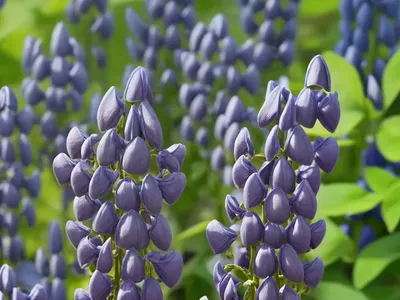
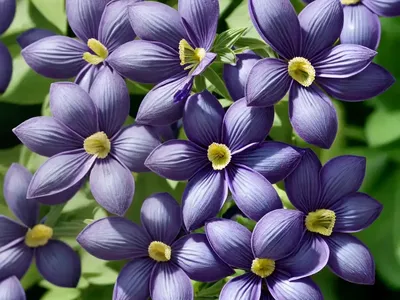
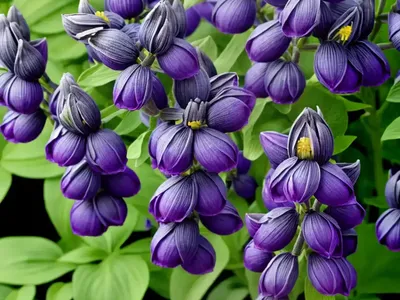
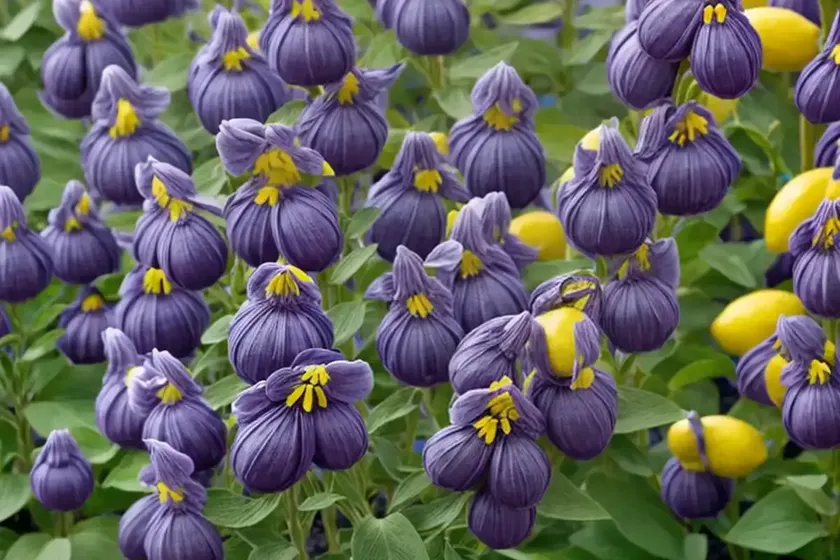
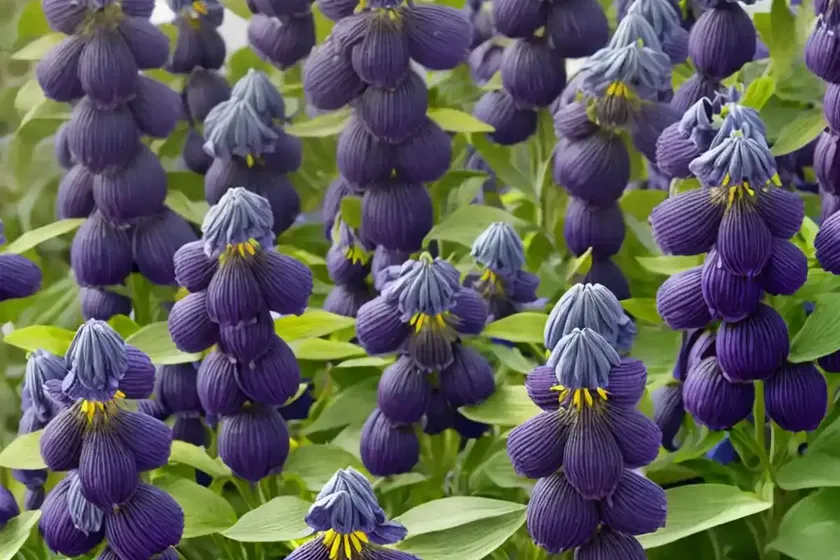
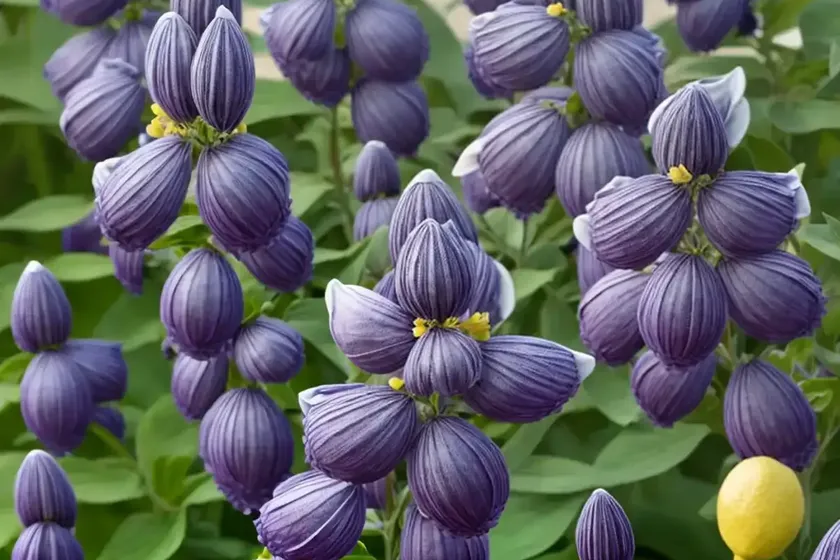
Baptisia ‘Lemon Meringue’ is a cultivar of the False Indigo plant, renowned for its striking lemon-yellow flowers and attractive foliage. It belongs to the family Fabaceae and is native to North America. This perennial plant has gained popularity among gardeners and landscape enthusiasts for its resilience, vibrant blooms, and low maintenance requirements.
Key Takeaways – Baptisia ‘Lemon Meringue’ (False Indigo)
Below are some of the key takeaways related to the culture, uses, and maintenance of Baptisia ‘Lemon Meringue:
- Water: Requires well-drained soil and moderate water levels.
- Sunlight: Thrives in full sun but can tolerate partial shade.
- Fertilizer: Minimal fertilizer requirements; responds well to organic amendments.
- Soil: Flourishes in average to sandy soil with neutral pH levels.
- Pruning: Low-maintenance pruning needs; primarily for shaping and rejuvenation.
- Propagation: Easily propagated from seeds and through division.
- Container: Well-suited for container gardening with proper care.
- Diseases: Generally resistant to diseases, especially when provided with optimal growing conditions.
- Pests: Relatively pest-free; tolerant of various environmental conditions.
- Fun Facts: Fascinating insights into the unique characteristics and uses of the False Indigo plant.
Culture
Water
Baptisia ‘Lemon Meringue’ prefers well-drained soil and moderate moisture levels. While it is relatively drought-tolerant once established, consistent watering is crucial for the plant’s initial growth stages. Overly wet soil should be avoided to prevent root rot and other water-related issues.
Sunlight
This False Indigo variety thrives in full sun, which is essential for promoting robust growth and profuse blooming. However, it can also tolerate partial shade, making it adaptable to various lighting conditions in the garden landscape.
Fertilizer
When it comes to fertilization, Baptisia ‘Lemon Meringue’ exhibits minimal requirements. It responds well to organic amendments such as compost and well-rotted manure. These natural fertilizers not only provide essential nutrients but also contribute to improving the overall soil structure and fertility.
Soil
The ideal soil for Baptisia ‘Lemon Meringue is well-drained and slightly acidic to neutral. It thrives in a range of soil types, including loamy or sandy soils. Ensuring adequate soil drainage is crucial in preventing waterlogging, which can be detrimental to the health of the plant.
Uses
The versatile nature of Baptisia ‘Lemon Meringue’ makes it a valuable addition to various garden settings and landscaping designs. Its uses encompass both aesthetic and ecological aspects, contributing to its appeal among gardeners and horticulturists. Below are some common applications of this False Indigo variety:
- Garden Borders and Beds: The vibrant, upright spikes of lemon-yellow flowers add a captivating visual element to garden borders and beds, providing a striking contrast against the surrounding vegetation.
- Pollinator Gardens: As a nectar-rich plant, Baptisia ‘Lemon Meringue’ attracts pollinators such as bees and butterflies, contributing to the ecological sustainability of the garden.
- Cut Flower Gardens: The long-lasting blooms of False Indigo make it an excellent choice for cut flower arrangements, bringing a touch of natural elegance indoors.
- Native Plant Landscapes: With its North American origins, Baptisia ‘Lemon Meringue’ seamlessly integrates into native plant gardens, contributing to the preservation of indigenous flora.
- Erosion Control: The robust root system of False Indigo aids in stabilizing soil and preventing erosion, making it a practical choice for landscaping in areas prone to soil displacement.
Pruning
Pruning Baptisia ‘Lemon Meringue’ is relatively minimal and is primarily aimed at maintaining the plant’s shape and promoting healthy growth. The following are key considerations for effective pruning:
- Deadheading: Removing spent flowers not only enhances the plant’s appearance but also encourages additional blooming, prolonging the ornamental display.
- Rejuvenation: Periodic rejuvenation pruning, which involves the selective removal of older stems, promotes the development of new growth and helps prevent the plant from becoming overly woody.
Propagation
Baptisia ‘Lemon Meringue’ can be propagated through various methods, offering flexibility for expanding its presence in the garden or sharing with other enthusiasts. The primary propagation methods include:
- Seed Propagation: This plant is readily propagated from seeds, and with proper care, the germination rate is typically high. Sowing seeds in well-prepared soil in the desired location can yield new plants in subsequent growing seasons.
- Division: Established plants can be divided during the dormant season, with the divided segments transplanted to new locations to establish independent thriving specimens.
Container Popularity
Baptisia ‘Lemon Meringue’ is well-suited for container gardening, adding a vibrant and low-maintenance element to outdoor spaces, patios, and even balconies. The following factors contribute to its popularity in container cultivation:
- Aesthetic Appeal: The vivid yellow blooms and elegant foliage create an eye-catching container display, adding a splash of color to outdoor settings.
- Space Efficiency: Containers provide a versatile option for growing Baptisia ‘Lemon Meringue in urban or limited spaces, expanding the plant’s accessibility to a wider audience.
- Portability: Containers allow for easy mobility, enabling gardeners to position the plant strategically to optimize sunlight exposure and aesthetic considerations.
Common Diseases
Disease Diagnosis
Baptisia ‘Lemon Meringue’ is generally resistant to most common plant diseases when provided with suitable growing conditions. However, it is essential to remain vigilant for potential issues such as:
- Root Rot: This fungal disease can occur in waterlogged or poorly drained soil, leading to root damage and subsequent plant decline.
- Powdery Mildew: In humid conditions, powdery mildew may affect the foliage, resulting in a white powdery coating and potential leaf distortion.
Disease Prevention
Preventative measures play a crucial role in ensuring the health and vitality of Baptisia ‘Lemon Meringue:
- Optimal Watering: Maintaining proper soil drainage and avoiding overwatering are key preventive steps to mitigate the risk of root rot.
- Air Circulation: Providing adequate spacing between plants and ensuring good air circulation helps minimize the risk of powdery mildew and other foliar diseases.
- Sanitation: Regular removal of debris and spent foliage can reduce the likelihood of disease spread and promote overall plant hygiene.
Common Pests
Baptisia ‘Lemon Meringue’ exhibits resilience against most common garden pests, but it’s important to be mindful of potential infestations that may impact the plant’s health:
- Aphids: These small sap-sucking insects may occasionally appear on the plant, particularly on new growth, leading to distorted foliage and reduced vigor.
- Spider Mites: In hot and dry conditions, spider mites can be a potential pest, causing characteristic stippling and webbing on the foliage.
Pest Control
Adopting proactive measures can help manage pest issues and safeguard the well-being of Baptisia ‘Lemon Meringue:
- Natural Predators: Encouraging the presence of beneficial predators such as ladybugs and lacewings can help control aphid populations and maintain ecological balance in the garden.
- Hose Spray: Periodically spraying the plant with a strong jet of water can dislodge spider mites and aphids, reducing their numbers and minimizing potential damage.
Botanist’s Tips
As a plant scientist, I would like to emphasize several key tips to ensure the successful cultivation and maintenance of Baptisia ‘Lemon Meringue:
- Soil Preparation: Prior to planting, invest in thorough soil preparation to ensure proper drainage and optimal growing conditions for the False Indigo.
- Mulching: Applying a layer of organic mulch around the base of the plant helps conserve soil moisture, suppress weeds, and gradually enrich the soil as it decomposes.
- Support for Stems: Providing gentle support for the tall, flowering stalks can prevent bending or breakage, particularly in exposed or windy locations.
- Observation and Monitoring: Regularly observing the plant for signs of stress, disease, or pest activity enables timely intervention and effective management of potential issues.
Fun Facts
Uncover the intriguing aspects and applications of Baptisia ‘Lemon Meringue’:
- Historical Roots: The genus name Baptisia is derived from the Greek word baptizein, reflecting the historic use of the plant’s roots as a natural dye.
- Ecological Associations: False Indigo species, including Baptisia ‘Lemon Meringue’, exhibit a symbiotic relationship with nitrogen-fixing bacteria in their root nodules, contributing to soil fertility.
- Medicinal Traditions: Native American tribes utilized certain Baptisia species for traditional medicinal purposes, recognizing their potential healing properties.
Links to External Resources
For additional information and resources pertaining to Baptisia ‘Lemon Meringue’ (False Indigo), the following links are valuable references:
- American Horticultural Society – Offers insights into plant cultivation, garden design, and sustainability practices.
- Royal Horticultural Society – Provides comprehensive guidance on horticulture, plant care, and gardening techniques.
- Missouri Botanical Garden – A valuable resource for botanical knowledge, plant databases, and conservation initiatives.
In conclusion, Baptisia ‘Lemon Meringue’ stands as a captivating and valuable addition to horticultural pursuits, offering aesthetic allure, ecological benefits, and a resilient disposition. By understanding its unique characteristics, cultural requirements, and potential uses, enthusiasts can further appreciate and effectively integrate this remarkable perennial into their gardening endeavors.