Baptisia Australis Var. Minor (False Indigo)
Baptisia australis var. minor, famously known as False Indigo, is a stunning perennial plant that belongs to the Fabaceae family. This plant has gained.
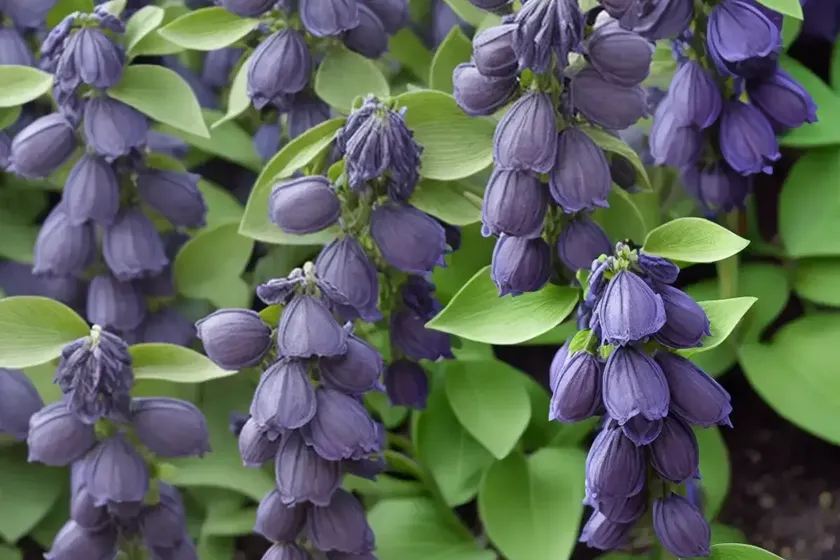
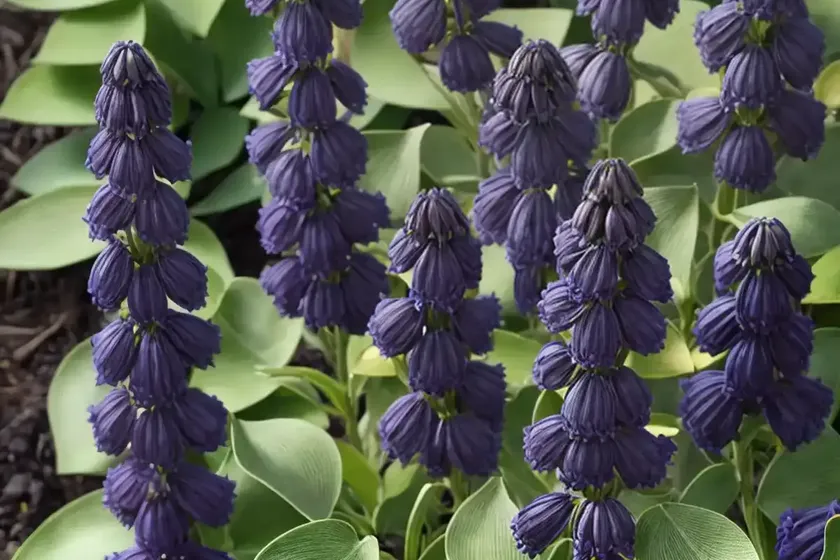
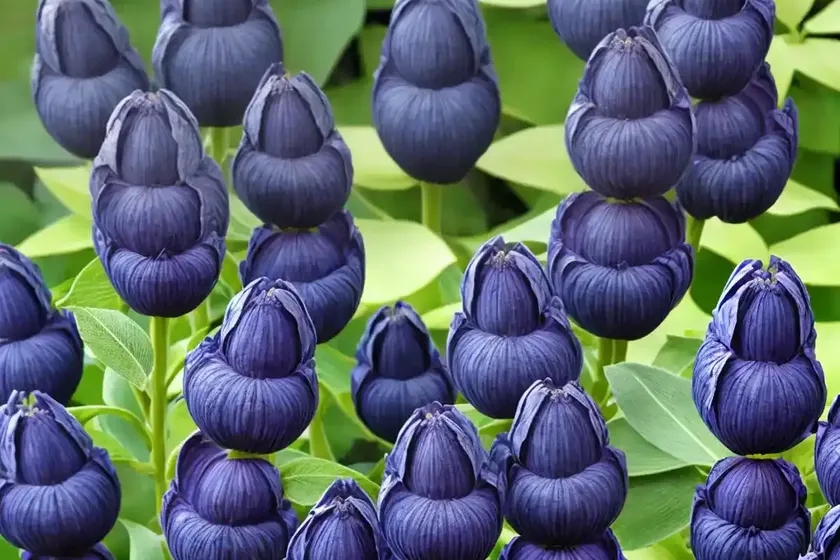
Baptisia australis var. minor, famously known as False Indigo, is a stunning perennial plant that belongs to the Fabaceae family. This plant has gained popularity not only for its charming aesthetic but also for its numerous cultural and medicinal uses. In this in-depth guide, we will explore the various aspects of this captivating plant, including its cultivation techniques, uses, diseases, and much more.
Overview
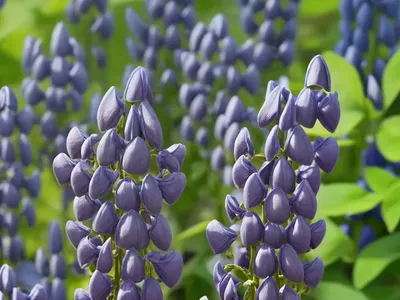
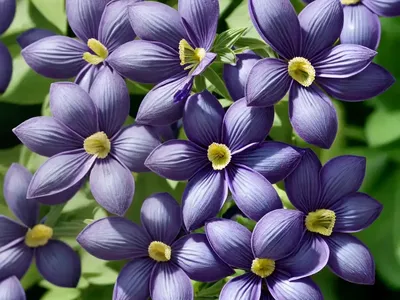
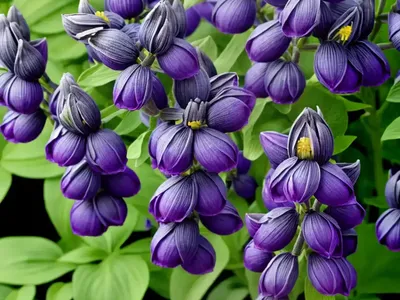
False Indigo, scientifically known as Baptisia australis var. minor, is a resilient and visually appealing perennial plant that is native to North America. The plant is characterized by its vibrant blue, lupine-like flowers and its ability to thrive in diverse environmental conditions. This guide aims to provide detailed insights into the cultivation, uses, and maintenance of False Indigo, offering valuable information for both experienced gardeners and beginners.
Key Takeaways – Baptisia australis var. minor (False Indigo)
Here are some key takeaways that will be covered in this comprehensive guide:
- Culture: Understanding the cultural requirements for cultivating Baptisia australis var. minor
- Uses: Exploring the diverse uses of False Indigo, including its ornamental and medicinal applications
- Water: Identifying the optimal watering practices for promoting healthy growth
- Sunlight: Understanding the sunlight requirements essential for the plant’s well-being
- Fertilizer: Exploring the fertilization techniques to enhance the plant’s vitality
- Soil: Analyzing the soil preferences and ideal growing conditions for False Indigo
- Pruning: Learning about the pruning methods to maintain the plant’s shape and health
- Propagation: Understanding the propagation techniques for expanding False Indigo populations
- Container Popularity: Assessing the suitability of False Indigo for container gardening
- Common Diseases: Identifying prevalent diseases and effective diagnosis methods
- Disease Diagnosis: Learning to recognize and address potential diseases affecting False Indigo
- Common Pests: Understanding the common pests that may infest False Indigo and strategies for pest management
- Botanist’s Tips: Gaining valuable tips from botanists and experts in cultivating False Indigo
- Fun Facts: Exploring intriguing and lesser-known facts about Baptisia australis var. minor
- Links to External Resources: Providing access to external sources for further exploration and research.
Get ready to embark on an enlightening journey into the world of Baptisia australis var. minor, delving into its care, cultivation, and captivating features.
What is Baptisia australis var. minor?
Baptisia australis var. minor, commonly known as False Indigo, is a herbaceous perennial plant that belongs to the Fabaceae family. This striking plant is native to North America, where it thrives in a variety of habitats, including prairies, open woodlands, and along the edges of streams. With its beautiful, spiky blooms and ornamental foliage, False Indigo has found a special place in gardens and landscapes, captivating all with its vibrant presence.
False Indigo Plant Profile
- Scientific Name: Baptisia australis var. minor
- Common Name: False Indigo
- Family: Fabaceae
- Genus: Baptisia
- Plant Type: Herbaceous perennial
- Native Range: North America
- Bloom Time: Late spring to early summer
- USDA Hardiness Zones: 3-9
- Mature Height: 2-4 feet
- Mature Spread: 2-4 feet
- Sun Exposure: Full sun to partial shade
- Water Requirements: Low to moderate
- Soil Type: Well-draining, average fertility
- Uses: Ornamental, medicinal, wildlife habitat
- Special Features: Drought tolerant, deer resistant
Now that we have gained an overview of Baptisia australis var. minor, let’s delve into the intricate details of its cultivation, uses, and maintenance.
Culture of Baptisia australis var. minor
Cultivating Baptisia australis var. minor requires an understanding of its cultural preferences, including soil, sunlight, water, and fertilization needs. By catering to these requirements, gardeners can ensure the optimal growth and development of False Indigo, leading to a thriving and visually stunning plant.
Water
Proper watering is essential for the healthy growth of Baptisia australis var. minor. Here are some key considerations when it comes to watering False Indigo:
- Establishment Period: During the initial establishment phase, regular watering is crucial to support root development. Ensure that the plant receives consistent moisture, especially during dry spells, to aid in its establishment.
- Mature Plants: Once established, False Indigo demonstrates significant drought tolerance. While mature plants can withstand dry periods, providing occasional watering during prolonged droughts can promote better blooming and overall vitality.
Sunlight
False Indigo thrives in environments with ample sunlight, although it can also tolerate partial shade. Understanding its sunlight preferences is key to fostering robust growth and maximizing its ornamental value. Here are some insights into the plant’s sunlight needs:
- Full Sun: For optimal flowering and overall vigor, it is beneficial to plant False Indigo in a location that receives full sun, defined as at least 6-8 hours of direct sunlight per day.
- Partial Shade: While False Indigo prefers full sun, it can adapt to partial shade, especially in regions with intense summer heat. In such conditions, providing some relief from the harsh afternoon sun can benefit the plant.
Fertilizer
Proper fertilization can bolster the growth and blooming capacity of Baptisia australis var. minor. Here are some considerations when it comes to fertilizing False Indigo:
- Minimal Requirements: False Indigo generally thrives in average to poor soils and does not require heavy fertilization. Avoid excessive nitrogen, which can lead to lush foliage at the expense of blooming.
- Balanced Fertilizer: If the soil is notably deficient in nutrients, applying a balanced, slow-release fertilizer in early spring can support the plant’s growth without promoting excessive leafy growth.
Soil
The soil composition and quality significantly influence the well-being of False Indigo. Understanding the soil preferences and making appropriate amendments are essential for successful cultivation. Consider the following soil-related aspects when growing Baptisia australis var. minor:
- Well-Draining Soil: False Indigo thrives in well-draining soil and is susceptible to root rot in waterlogged conditions. Amending heavy clay soil with organic matter can improve drainage and create a more conducive growing environment.
- Average Fertility: While False Indigo can adapt to a range of soil fertilities, it generally performs well in soils with moderate fertility. Excessive richness in the soil can lead to vigorous vegetative growth at the expense of blooming.
Pruning Baptisia australis var. minor
Pruning plays a vital role in maintaining the shape, health, and aesthetic appeal of Baptisia australis var. minor. Understanding the appropriate pruning techniques is crucial for promoting flowering and managing the plant’s growth. Here are some key considerations for pruning False Indigo:
- Spring Cleaning: In early spring, remove any dead or damaged stems to encourage new growth and prevent potential disease issues. Pruning back the previous year’s growth to ground level can also stimulate fresh foliage and robust flowering.
- Post-Flowering Pruning: After the flowering period, consider deadheading spent blooms to prevent self-seeding and prolong the plant’s ornamental display. Additionally, trimming back the foliage can maintain a tidy appearance and promote the plant’s vigor.
Propagation of Baptisia australis var. minor
Expanding the population of Baptisia australis var. minor can be achieved through various propagation techniques, including seed sowing, division, and root cuttings. Each method offers unique advantages and considerations, contributing to the successful propagation of False Indigo.
Propagation Methods:
- Seed Sowing: Collect mature seeds in the fall and sow them directly in the desired location or in containers. Germination may take several weeks, and the resulting seedlings can be transplanted once they have developed sufficient root systems.
- Division: Divide mature False Indigo plants in early spring or fall, ensuring that each division possesses healthy roots and vigorous growth. Replant the divisions in suitable locations, providing adequate care during the establishment phase.
- Root Cuttings: Take root cuttings from established plants during the dormant season, choosing healthy, disease-free sections of roots. Plant the cuttings in a suitable rooting medium and provide the necessary conditions for root development.
False Indigo Uses
Baptisia australis var. minor serves various purposes, ranging from its ornamental allure to its traditional medicinal applications. Understanding the diverse uses of False Indigo sheds light on its significance in horticulture and beyond.
Ornamental Uses
The ornamental appeal of Baptisia australis var. minor makes it a sought-after addition to gardens, landscapes, and naturalized areas. Its intriguing flowers, attractive foliage, and notable resilience contribute to its widespread use in ornamental horticulture. Here are some ornamental applications of False Indigo:
- Garden Borders: False Indigo can be used as a striking border plant, adding vertical interest and a pop of color to garden beds.
- Wildlife Gardens: Its nectar-rich blooms attract pollinators such as bees, butterflies, and hummingbirds, making it an ideal choice for wildlife-friendly gardens.
- Cut Flower Arrangements: The long-lasting blooms of False Indigo are suitable for cut flower arrangements, adding a touch of native beauty to indoor displays.
Medicinal Uses
In addition to its ornamental value, Baptisia australis var. minor has a history of traditional medicinal uses, particularly among Indigenous communities. The plant’s roots and other plant parts have been utilized for their purported medicinal properties. It is essential to note that the medicinal uses of False Indigo should be approached with caution and under the guidance of knowledgeable practitioners. Some traditional medicinal applications of False Indigo include:
- Native American Traditional Medicine: Various Indigenous groups in North America have historically used False Indigo for medicinal purposes, with preparations derived from the roots believed to possess beneficial properties.
- Potential Medicinal Compounds: False Indigo is being studied for its chemical constituents and potential pharmacological relevance in modern medicine, although further research is needed to validate its efficacy and safety.
Common Diseases of Baptisia australis var. minor
While False Indigo is known for its resilience, it is susceptible to certain diseases that can impact its growth and vitality. Recognizing the signs of common diseases and implementing timely interventions are vital for preserving the health of Baptisia australis var. minor.
Disease Diagnosis
Identifying potential diseases affecting Baptisia australis var. minor is crucial for initiating appropriate management strategies. Here are some common diseases that may affect False Indigo, along with their diagnostic features and recommended actions:
- Leaf Spot: Characterized by the development of dark, irregular spots on the foliage, leaf spot can impact the overall appearance and vigor of the plant. To manage leaf spot, remove and dispose of affected foliage, avoid overhead watering, and ensure proper air circulation around the plant.
- Root Rot: Excessive soil moisture can lead to root rot, causing the plant to exhibit wilting, yellowing foliage, and overall decline. To address root rot, improve soil drainage, refrain from overwatering, and consider the use of fungicidal treatments if deemed necessary.
Common Pests Affecting Baptisia australis var. minor
In addition to diseases, Baptisia australis var. minor may encounter pests that can compromise its health and appearance. Recognizing common pests and implementing effective pest management strategies are essential for safeguarding False Indigo from potential infestations.
Aphids
Aphids are small, sap-sucking insects that can congregate on the tender shoots and foliage of Baptisia australis var. minor, potentially causing distortion of new growth and the transfer of viral diseases. To manage aphids, consider the following strategies:
- Physical Removal: Use a strong stream of water to dislodge aphids from the plant, reducing their numbers and minimizing damage.
- Beneficial Insects: Encourage the presence of natural predators, such as ladybugs and lacewings, which feed on aphids and help maintain their populations.
Spider Mites
Spider mites are microscopic pests that feed on the foliage of False Indigo, leading to stippling, webbing, and overall decline. Implement the following measures to manage spider mite infestations:
- Spraying: Apply a targeted spray of horticultural oil or insecticidal soap to the affected foliage, ensuring thorough coverage to control spider mite populations.
- Humidity Management: Increasing humidity levels around the plant can deter spider mite activity, as they thrive in dry conditions.
False Indigo: Fun Facts
Exploring the fascinating and lesser-known aspects of Baptisia australis var. minor can enrich our understanding of this captivating plant. Here are some fun and intriguing facts about False Indigo:
- Historical Significance: False Indigo has historical relevance, with the plant’s roots being used as a substitute for true indigo dye in colonial America, contributing to its common name.
- Lupine-Like Blooms: The flowers of False Indigo bear a resemblance to lupines, featuring elongated, vertical flower spikes that add a touch of elegance to the plant.
- Nitrogen Fixation: Like other members of the Fabaceae family, False Indigo has the ability to fix atmospheric nitrogen with the help of symbiotic bacteria in its root nodules, enriching the soil in which it grows.
- Native Ecosystems: In its native range, Baptisia australis var. minor plays an essential role in supporting pollinators, wildlife, and ecological diversity, showcasing its ecological significance.
Botanist’s Tips for Growing Baptisia australis var. minor
Benefit from valuable insights and practical tips shared by botanists and experts to enhance your cultivation journey with Baptisia australis var. minor. Here are some expert recommendations for growing False Indigo:
- Native Plant Associations: Consider incorporating False Indigo into native plant communities, as it aligns with the natural ecosystems and can showcase its unique beauty within a diverse plant assemblage.
- Supporting Wildlife: Embrace the wildlife-friendly nature of False Indigo by creating a habitat that attracts pollinators and beneficial insects, contributing to the overall ecological balance.
- Species Diversity: Explore the range of Baptisia australis var. minor varieties and consider incorporating multiple cultivars to introduce color variations and extend the blooming season.
Links to External Resources
For further exploration and research on Baptisia australis var. minor, here are some valuable external resources and references:
- Missouri Botanical Garden – Baptisia australis
- North Carolina State University Extension – False Indigo
- The New York Botanical Garden – Native Plant Database
- American Society of Plant Biologists – Plant Science Research
These resources offer an abundance of information, ranging from detailed plant profiles to scientific research, enhancing your knowledge and understanding of Baptisia australis var. minor.
In conclusion, Baptisia australis var. minor, or False Indigo, stands as a remarkable plant with its striking appearance, cultural significance, and ecological contributions. By delving into its care, uses, and unique characteristics, we can appreciate the multifaceted nature of False Indigo, embracing its presence in gardens, natural landscapes, and horticultural traditions.