Balsam-apple (Momordica Balsamina)
Balsam-Apple (Momordica Balsamina), also known as Balsam Pear, Bitter Gourd, or African Cucumber, is a tropical and subtropical vine native to Africa and.
Introduction
What is Balsam-Apple (Momordica Balsamina)?
Balsam-Apple (Momordica Balsamina), also known as Balsam Pear, Bitter Gourd, or African Cucumber, is a tropical and subtropical vine native to Africa and various regions of Asia. This plant belongs to the Cucurbitaceae family, which also includes cucumbers, pumpkins, and melons.
Balsam-Apple is renowned for its medicinal and culinary uses, making it a versatile and highly valued plant. Its striking appearance, ease of cultivation, and health benefits contribute to its popularity among urban gardeners, herbal enthusiasts, and horticulturists.
In this comprehensive guide, we will explore the culture, uses, care tips, benefits, and various other aspects of Balsam-Apple (Momordica Balsamina), shedding light on its significance in the realm of urban gardening, traditional medicine, and culinary practices.
Key Takeaways – Balsam-Apple (Momordica Balsamina)
Before delving into the specifics, here are the key takeaways about Balsam-Apple (Momordica Balsamina):
- Balsam-Apple is a tropical and subtropical vine with ornamental, medicinal, and culinary value.
- It is known by various names, including Balsam Pear, Bitter Gourd, and African Cucumber.
- The plant is revered for its medicinal properties, culinary uses, and ornamental appeal.
- Balsam-Apple can be grown both indoors and outdoors, making it suitable for urban gardening.
- It is used in traditional medicine for various health benefits, including its role in diabetes management, digestive health, and immune support.
- As a culinary ingredient, Balsam-Apple adds a unique flavor and nutritional value to dishes, particularly in Asian cuisines.
Now, let’s delve deeper into the various aspects of Balsam-Apple, including its culture, uses, care requirements, and its significance as a versatile plant in different domains.
Culture
Water
Balsam-Apple plants require a moderately moist environment, especially during the growing season. When grown in containers, it is essential to ensure that the soil does not dry out completely. Proper watering is crucial for the development of healthy foliage and fruits. However, overwatering should be avoided, as it can lead to root rot and other complications.
Care Tips:
– Water the plant when the top inch of the soil feels dry to the touch.
– Ensure adequate drainage in the container to prevent waterlogging.
– During hot and dry weather, the frequency of watering may need to be increased.
Sunlight
As a tropical vine, Balsam-Apple thrives in full sunlight. When grown outdoors, it should be positioned in a location that receives ample sunlight throughout the day. In regions with intense heat, providing partial shade during the hottest hours can be beneficial to prevent sunburn on the foliage.
Care Tips:
– Place the plant in a sunny spot with at least 6-8 hours of direct sunlight daily.
– Protect the plant from strong winds, if possible, especially in exposed locations.
Uses
Medicinal Properties
Balsam-Apple (Momordica Balsamina) has a long-standing reputation in traditional medicine for its diverse health benefits. Its rich nutritional profile and phytochemical composition contribute to its role in promoting wellness and managing various health conditions. Some of its medicinal properties include:
-
Diabetes Management: Balsam-Apple is known for its potential to regulate blood sugar levels, making it a valuable natural remedy for individuals with diabetes. The plant contains bioactive compounds that improve insulin sensitivity and aid in glucose metabolism.
-
Digestive Health: The consumption of Balsam-Apple is associated with improved digestive function and relief from gastrointestinal disorders. It is used to alleviate constipation, promote healthy bowel movements, and support overall digestive well-being.
-
Immune Support: The bioactive constituents in Balsam-Apple exhibit immunomodulatory effects, enhancing the body’s natural defense mechanisms. Regular consumption is believed to bolster immune function and protect against infections.
-
Antioxidant and Anti-inflammatory Properties: The plant is a rich source of antioxidants and exhibits potent anti-inflammatory effects, contributing to its role in combating oxidative stress and inflammation within the body.
Culinary Uses
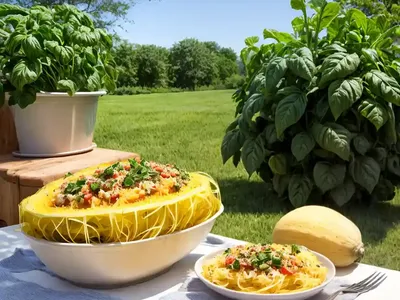
Balsam-Apple is utilized as a culinary ingredient in various cuisines, particularly in Asian and African cooking. The tender shoots, leaves, and fruits of the plant are incorporated into a wide array of dishes, adding a unique flavor and nutritional value. Some popular culinary uses include:
-
Stir-fries: The young shoots and leaves of Balsam-Apple are commonly added to stir-fried dishes, imparting a slightly bitter and refreshing taste to the preparation.
-
Soups and Stews: The fruits of Balsam-Apple are used in soups and stews, where they contribute a mild bitterness and textural contrast to the overall dish.
Plant Care Tips
Fertilizer
When cultivating Balsam-Apple, providing adequate nutrition is essential for robust growth and fruit development. A balanced fertilizer with a slightly higher potassium content is beneficial for promoting flowering and fruiting. During the growing season, regular application of a well-balanced, organic fertilizer will support the plant’s nutritional needs.
Care Tips:
– Apply a balanced, slow-release fertilizer at the beginning of the growing season, following the recommendations on the product label.
– Avoid excessive use of nitrogen-rich fertilizers, as they can promote vegetative growth at the expense of fruit production.
Soil
The choice of soil plays a significant role in the successful cultivation of Balsam-Apple. A well-draining, loamy soil with organic matter content is ideal for promoting healthy growth and fruit production. The soil pH should ideally be mildly acidic to neutral for optimal nutrient uptake.
Care Tips:
– Use a well-draining potting mix when cultivating Balsam-Apple in containers.
– Incorporate compost or well-rotted organic matter into the soil to enhance its structure and nutrient content.
Pruning
Pruning is an essential aspect of Balsam-Apple care, particularly for maintaining a compact growth habit and promoting fruiting. Regular pruning helps manage the plant’s size, remove damaged or diseased parts, and encourage the development of lateral shoots for increased fruit production.
Care Tips:
– Prune the plant in early spring before the onset of the growing season to remove dead or overgrown branches.
– Trim back excessive growth to maintain a manageable size, particularly in confined spaces such as indoor environments.
Propagation
Balsam-Apple can be propagated through seeds or stem cuttings. Seed propagation is the most common method and can be performed by collecting mature seeds from the fruits and sowing them in a suitable growing medium. Stem cuttings can also be used to propagate the plant, with a high success rate under appropriate conditions.
Care Tips:
– Use fresh, viable seeds for optimal germination.
– When propagating through stem cuttings, select healthy, disease-free shoots with a minimum of two nodes for best results.
Container Popularity
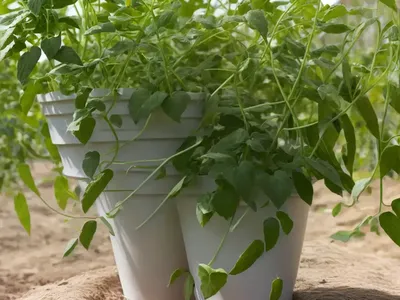
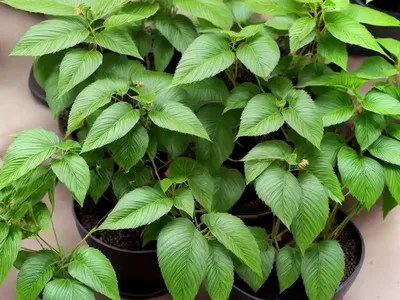
The versatility and aesthetic appeal of Balsam-Apple make it a popular choice for container gardening. Its climbing habit and lush foliage lend a decorative and vibrant touch to indoor and outdoor spaces. The compact size and adaptability of the plant make it well-suited for container cultivation, offering an excellent option for urban gardeners and enthusiasts with limited garden space.
Common Diseases
Balsam-Apple is susceptible to certain diseases, most of which are associated with excessive moisture, poor air circulation, or soil-borne pathogens. Common diseases that may affect Balsam-Apple include:
- Powdery Mildew: A fungal infection characterized by the development of whitish, powdery patches on the foliage.
- Anthracnose: A fungal disease that causes dark, sunken lesions on the fruits, leading to decay and reduced quality.
- Bacterial Wilt: A bacterial infection that results in wilting, yellowing of leaves, and overall decline of the plant.
Care Tips:
– Promote good air circulation around the plant to reduce humidity and minimize the risk of fungal infections.
– Avoid overhead watering to prevent water from splashing onto the foliage, which can contribute to disease development.
Disease Diagnosis
Diagnosing diseases in Balsam-Apple involves careful observation of the plant’s symptoms, including changes in foliage, fruit, and overall growth. Timely identification of diseases facilitates the implementation of effective control measures to minimize the impact on plant health and productivity.
Key Indicators:
– Abnormal discoloration or wilting of leaves.
– Presence of powdery or fuzzy growth on the foliage.
– Discoloration, spots, or lesions on the fruits.
– Stunted growth and overall decline in plant vigor.
Common Pests
Balsam-Apple can be affected by various pests that target the foliage, stems, and fruits. Common pests that may infest Balsam-Apple plants include:
- Aphids: Small, sap-sucking insects that congregate on the undersides of leaves, causing distortion and yellowing of foliage.
- Whiteflies: Tiny, white insects that feed on the sap of the plant and may cause wilting and leaf yellowing.
- Spider Mites: Minute arachnids that thrive in hot, dry conditions and can cause stippling and discoloration of leaves.
Control Strategies:
– Regularly inspect the plant for signs of pest infestation, particularly on the undersides of leaves.
– Use horticultural oils or insecticidal soaps to control minor infestations, ensuring thorough coverage of the plant.
Botanist’s Tips
Fun Facts
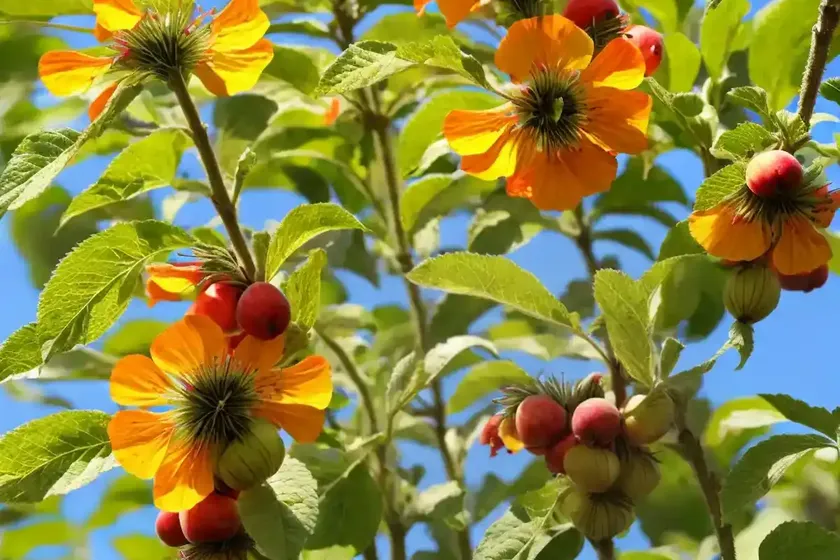
- Balsam-Apple is known for its unique, warty fruits that turn bright orange when mature, adding an intriguing visual element to the plant.
- The tender shoots and leaves of Balsam-Apple are widely used in traditional cuisines, particularly in Southeast Asian cooking, where they are valued for their slight bitterness and nutritional benefits.
- In traditional medicine, Balsam-Apple is revered as a natural remedy for various ailments, including diabetes, digestive disorders, and skin conditions.
- The plant’s vines can reach impressive lengths, making it an ideal candidate for trellises and arbors, adding a touch of lush greenery to garden landscapes.
Links to External Resources
For further information on Balsam-Apple (Momordica Balsamina), its cultivation, uses, and health benefits, you may find the following external resources helpful:
- Urban Gardening with Balsam-Apple
- Growing Momordica Balsamina Indoors: Tips and Techniques
- Balsam-Apple: A Guide to Plant Care Tips
- Benefits of Balsam-Apple in Herbal Medicine
- Momordica Balsamina: Utilizing a Versatile Plant
Conclusion
Balsam-Apple (Momordica Balsamina) stands out as a plant of immense value, offering a harmonious combination of ornamental, medicinal, and culinary attributes. Its allure extends from the vibrant greenery it adds to indoor and outdoor spaces to the diverse health benefits it presents as a natural remedy and nutritional resource. As a plant scientist, it’s fascinating to witness the multifaceted roles of Balsam-Apple and its significance in urban gardening, traditional medicine, and culinary practices.
By understanding the culture, uses, and care requirements of Balsam-Apple, we can fully appreciate its versatility and make the most of its potential in our gardens and households. Whether it’s embracing its climbing nature in containers, harnessing its medicinal properties in natural remedies, or savoring its unique flavor in culinary creations, Balsam-Apple enriches our lives in myriad ways, embodying the harmony between nature and human well-being.