Jiaogulan (Gynostemma Pentaphyllum)
Plants have been used for various medicinal, culinary, and cultural purposes for centuries. Among the vast array of plants, Jiaogulan, scientifically known.
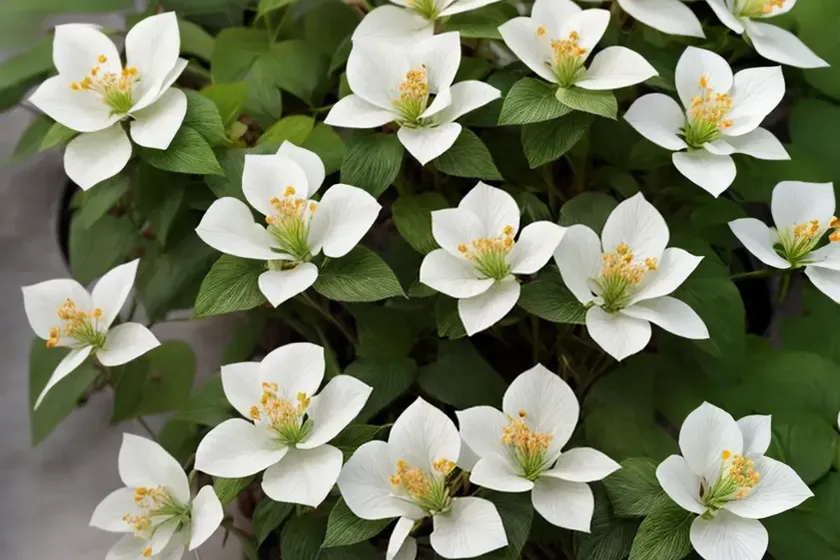
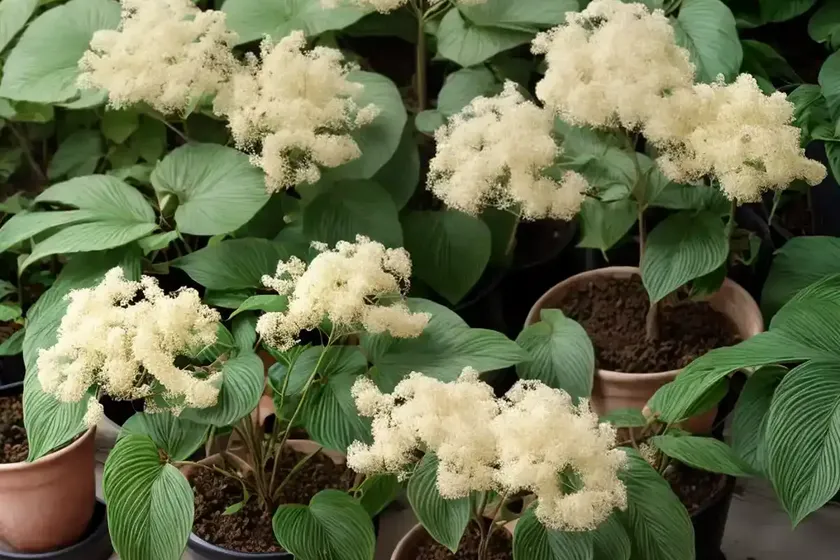
Plants have been used for various medicinal, culinary, and cultural purposes for centuries. Among the vast array of plants, Jiaogulan, scientifically known as Gynostemma Pentaphyllum, has gained attention for its diverse range of uses, from traditional medicine to modern wellness trends. In this comprehensive guide, we will explore the intricacies of Jiaogulan, including its cultural significance, uses, ideal growing conditions, common diseases, pests, propagation methods, and much more. Let’s unravel the secrets of this remarkable plant and understand why it has become a cherished botanical gem worldwide.
What is Jiaogulan (Gynostemma Pentaphyllum)?
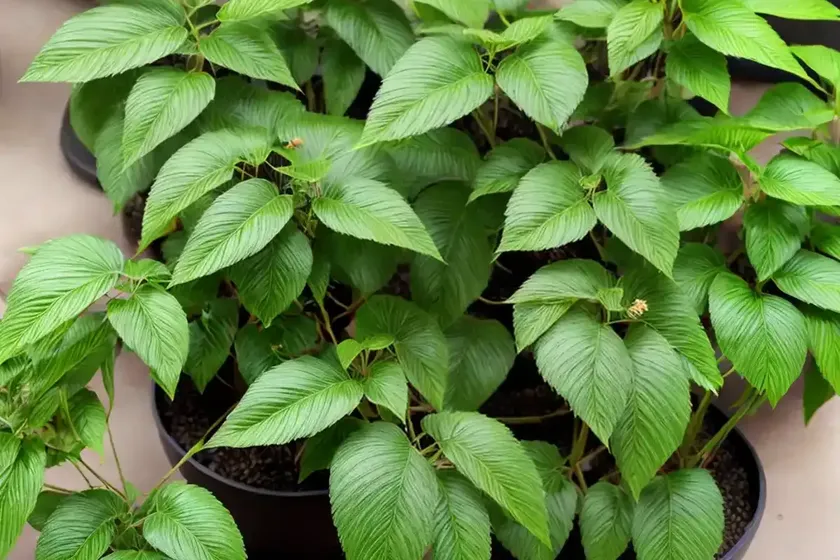
Jiaogulan, also referred to as Southern Ginseng or Gynostemma Pentaphyllum, is a perennial climbing vine belonging to the family Cucurbitaceae. Originating from the mountainous regions of China, Japan, Korea, and Vietnam, this plant has been deeply embedded in the traditional medicine and culinary practices of these regions for centuries.
The name “Jiaogulan” is of Chinese origin, where “Jiao” refers to the plant’s resemblance to the herb Ginseng, while “Gulan” translates to “vine orchid,” signifying its climbing nature and delicate appearance.
Key Takeaways – Jiaogulan (Gynostemma Pentaphyllum)
Before delving into the specific details of Jiaogulan, let’s take a quick look at the key takeaways of this remarkable plant:
- Cultural Uses: Historically used in traditional Chinese medicine for its adaptogenic properties and touted as the “Immortality Herb”.
- Popularity: Rapidly gaining popularity in the wellness and herbal remedy sectors due to its potential health benefits.
- Common Diseases: Susceptible to certain diseases, including powdery mildew and root rot, which can affect its overall health.
- Common Pests: Prone to attacks from aphids, spider mites, and caterpillars, necessitating diligent pest management practices.
- Medicinal Properties: Known for its diverse array of potential health benefits, including antioxidant, anti-inflammatory, and cardiovascular support properties.
Now, let’s dive deeper into the various facets of cultivating and caring for Jiaogulan.
Culture
Understanding the cultural context and historical significance of Jiaogulan is essential to appreciate its multifaceted nature fully. The plant has been an integral part of traditional Chinese medicine and is deeply rooted in the folklore and daily practices of the communities where it thrives.
Uses
Medicinal Uses
Jiaogulan holds a prominent place in traditional Chinese medicine due to its believed adaptogenic and therapeutic properties. It has been historically revered for its potential role in promoting longevity and enhancing overall vitality. The following are some of the highlighted medicinal uses of Jiaogulan:
- Adaptogenic Qualities: Adaptogens are substances that help the body adapt to various stressors, and Jiaogulan is often hailed for its adaptogenic potential.
- Antioxidant Properties: Known to contain high levels of antioxidants, which can combat oxidative stress and contribute to overall health.
- Cardiovascular Support: It is believed to have a positive impact on heart health and may aid in regulating cholesterol levels.
- Immune System Support: Some traditional practitioners credit Jiaogulan with strengthening the immune system and supporting overall immune function.
- Digestive Health: It has been used to support digestive health and address various gastrointestinal concerns.
- Respiratory Benefits: In some traditional contexts, Jiaogulan is used to promote respiratory wellness and address respiratory issues.
Culinary Uses
In addition to its medicinal value, Jiaogulan leaves are also utilized in cooking, particularly in regions where the plant is endemic. They are often brewed as a tea and incorporated into various culinary preparations for their unique flavor and potential health benefits.
Care
Water
Balanced and consistent watering is crucial for the optimal growth and health of Jiaogulan plants. They thrive in moist but well-draining soil, and it is essential to ensure that the soil does not dry out completely between waterings. However, waterlogged conditions should be avoided to prevent root rot and other water-related issues.
Sunlight
Jiaogulan plants exhibit a preference for partial shade to full sun conditions. They tend to thrive in locations with ample indirect sunlight and can tolerate varying light conditions, making them adaptable to a range of environments.
Fertilizer
Applying a balanced, organic fertilizer during the growing season can encourage robust growth and flowering in Jiaogulan plants. A slow-release fertilizer rich in nitrogen, phosphorus, and potassium can provide the necessary nutrients for the plant’s overall development.
Soil
Well-draining and fertile soil are ideal for cultivating Jiaogulan. A slightly acidic to neutral pH range is recommended, and incorporating organic matter into the soil can enhance its fertility and structure.
Pruning
Regular pruning can help maintain the desired shape of the plant and promote branching and bushier growth. It is essential to remove any diseased or damaged parts of the plant promptly to prevent the spread of diseases.
Propagation
Jiaogulan can be propagated through various methods, including seeds, stem cuttings, and division. Each method has its advantages and can be chosen based on the specific requirements and resources available to the grower.
Seed Propagation
- Sow the seeds in well-draining, moist soil and maintain consistent moisture levels.
- Germination typically occurs within a few weeks under favorable conditions.
Stem Cuttings
- Select a healthy stem cutting with several leaves and nodes.
- Plant the cutting in a suitable rooting medium and provide adequate humidity and warmth for successful rooting.
Division
- Divide mature plants during the growing season, ensuring that each division has sufficient root mass and foliage to support its growth.
Container Popularity
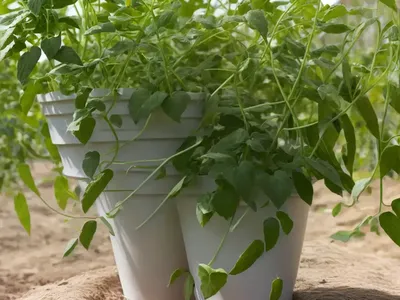
Jiaogulan is well-suited for container cultivation, making it a popular choice for individuals with limited garden space. The plant’s climbing nature and ornamental foliage make it an attractive addition to patios, balconies, and indoor spaces.
Container Care
When cultivating Jiaogulan in containers, it is essential to provide the appropriate growing conditions and regular maintenance to ensure its health and vigor.
- Use well-draining potting mix tailored to the plant’s requirements to prevent waterlogging and promote healthy root development.
- Select a container with sufficient drainage holes to prevent water accumulation at the root zone.
- Monitor the plant’s water needs closely, as containers can dry out more quickly than garden beds.
- Ensure the container receives adequate sunlight to support the plant’s growth and flowering.
Common Diseases
While generally resilient, Jiaogulan plants can be susceptible to certain diseases and health issues that can impact their overall vitality and appearance.
Disease Diagnosis
Powdery Mildew: A fungal infection characterized by powdery white spots on leaves, stems, and flowers. It can weaken the plant and affect its decorative appeal if left unchecked.
Root Rot: Overly moist or poorly-draining soil can lead to root rot, causing the plant to exhibit wilting, yellowing leaves, and overall decline in vigor.
Disease Management
- Cultural Practices: Implementing proper watering techniques and ensuring good air circulation can help prevent the occurrence of diseases such as powdery mildew.
- Fungal Treatments: Application of appropriate fungicidal treatments can be effective in managing fungal infections and preventing their spread.
- Soil Improvement: Amending the soil with organic matter and ensuring proper drainage can mitigate the risk of root rot and related issues.
Common Pests
Jiaogulan plants can fall prey to various pests that can undermine their health and vitality if not managed effectively.
Aphids: Small, sap-sucking insects that can distort new growth and spread viral diseases, leading to stunted plant growth.
Spider Mites: Tiny pests that can cause stippling on the leaves and weaken the plant if left uncontrolled.
Caterpillars: Feeding on foliage, caterpillars can defoliate the plant and impact its overall aesthetic appeal.
Pest Management
- Natural Predators: Encouraging the presence of beneficial insects like ladybugs and lacewings can help keep pest populations in check.
- Horticultural Oils: Application of horticultural oils can suffocate and control certain pests without causing harm to the plant.
- Pruning Infested Parts: Removing heavily infested leaves or stems can help reduce pest populations and prevent widespread damage.
Botanist’s Tips
To ensure the successful cultivation and care of Jiaogulan, considering the following tips can be advantageous:
- Balanced Watering: Maintaining consistent soil moisture without waterlogging is crucial for optimal growth.
- Regular Monitoring: Keeping an eye on the plant’s health and promptly addressing any issues can prevent them from escalating.
- Fertilization Schedule: Applying a balanced fertilizer at the appropriate times can support the plant’s nutritional needs and overall vigor.
- Pest Surveillance: Regularly inspecting the plant for signs of pest infestations and taking timely action can protect its health.
Fun Facts
- Jiaogulan is often referred to as the “Immortality Herb” in traditional Chinese medicine due to its believed potential to promote longevity and vitality.
- The plant’s leaves are used to brew a flavorful and aromatic tea, often consumed for its potential health benefits and pleasant taste.
- Jiaogulan’s adaptogenic properties have contributed to its increasing popularity as a natural health supplement in various parts of the world.
As we continue to unravel the botanical treasures of Jiaogulan, let’s delve into the external resources where you can find further information about this fascinating plant.
Links to External Resources
For additional insights into Jiaogulan, its cultivation, uses, and potential health benefits, the following resources provide valuable information:
- Jiaogulan: The Chinese Immortality Herb
- Growing Gynostemma
- Jiaogulan Plant: Uses, Health Benefits, and Side Effects
- Jiaogulan: A True Adaptogen
- The Herbal Drugstore by Linda B. White and Steven Foster
These resources offer a wealth of information, ranging from the plant’s historical significance and traditional uses to its scientific properties and potential health benefits. Exploring these sources can further enrich your understanding of Jiaogulan and its diverse attributes.
In conclusion, Jiaogulan, or Gynostemma Pentaphyllum, stands as a captivating botanical specimen that encapsulates a rich tapestry of cultural, medicinal, and culinary significance. Its esteemed position in traditional medicine, coupled with its potential health benefits, has propelled it into the spotlight as a sought-after plant in the realm of wellness and herbal remedies. Whether brewed as a flavorful tea, admired for its ornamental foliage, or revered for its potential medicinal properties, Jiaogulan continues to captivate enthusiasts and practitioners alike with its versatile nature and remarkable attributes.
So, venture into the world of Jiaogulan and unlock the wonders of this extraordinary plant, as it continues to weave its way into the fabric of botanical fascination and holistic well-being.
Happy gardening and exploring the realms of herbal treasures!
Plant Name: Jiaogulan (Gynostemma Pentaphyllum)
References
-
Chen, J., Zhao, Y., & Wang, Y. (2014). Chemical constituents from the ethyl acetate extract of Gynostemma pentaphyllum and their anti-hepatitis B virus activity. Pharmaceutical Biology, 52(6), 727-731.
-
Gynostemma (Jiao-gu-lan): More than just a Chinese tonic herb