Monstera Thai Constellation (Monstera Deliciosa ‘thai Constellation’)
In the world of foliage plants, Monstera Thai Constellation (Monstera Deliciosa ‘Thai Constellation’) has gained immense popularity for its stunning.

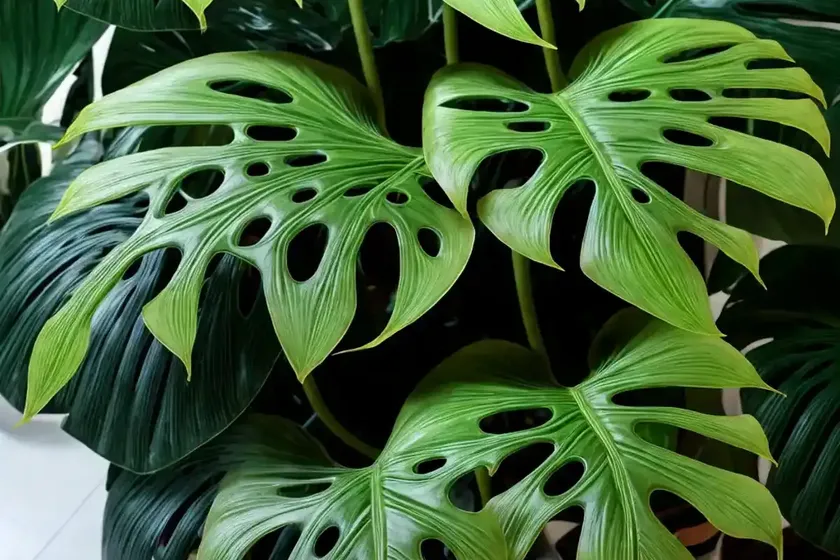
In the world of foliage plants, Monstera Thai Constellation (Monstera Deliciosa ‘Thai Constellation’) has gained immense popularity for its stunning variegated leaves and relatively low-maintenance nature. This unique plant adds a touch of the tropics to any indoor space and has become a favorite among plant enthusiasts.
This comprehensive guide will cover everything you need to know about Monstera Thai Constellation, from its cultural needs to propagation techniques, common diseases, and maintenance tips. Let’s delve into the enchanting world of this remarkable plant and discover the secrets to helping it thrive in your home.
What is Monstera Thai Constellation?
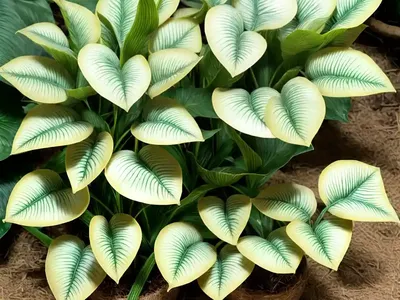
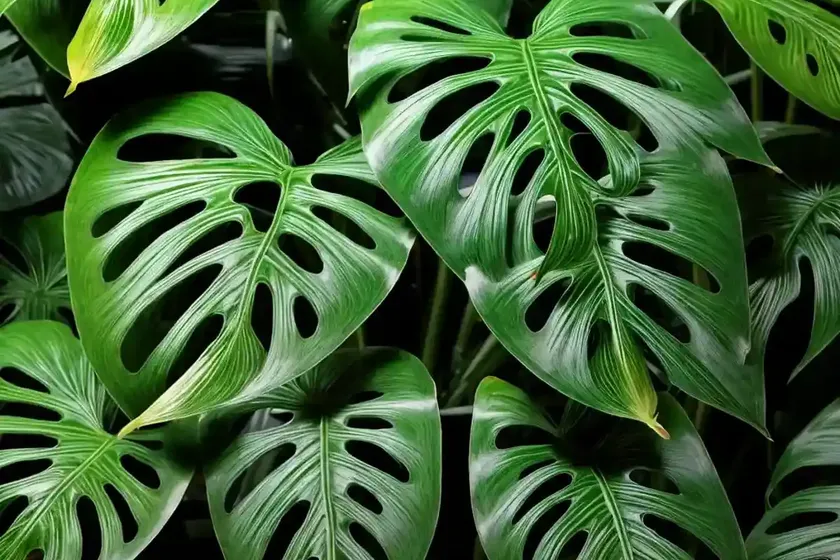
Monstera Thai Constellation, scientifically known as Monstera Deliciosa ‘Thai Constellation’, is a striking cultivar of the Monstera Deliciosa plant. It is characterized by its large, glossy, variegated leaves marked with patches of creamy white and light green hues. This variegation adds an element of elegance and uniqueness to the plant, setting it apart from the solid green leaves of the traditional Monstera Deliciosa.
This cultivar is a sought-after ornamental plant, prized for its aesthetic appeal and relatively easy care requirements. With the right conditions and proper maintenance, the Monstera Thai Constellation can grace your living space with its stunning foliage and tropical charm.
Key Takeaways – Monstera Thai Constellation
Let’s take a quick look at the key points we will be discussing in this guide:
- Culture: Understanding the natural habitat and growth habits of Monstera Thai Constellation.
- Uses: Exploring the decorative and aesthetic uses of the plant in interior design.
- Water: Guidelines for watering the plant and maintaining proper soil moisture.
- Sunlight: Understanding the light requirements for optimal growth.
- Fertilizer: Feeding schedules and the right nutrients for a healthy plant.
- Soil: The ideal soil type and composition for Monstera Thai Constellation.
- Pruning: Techniques for promoting growth and maintaining the plant’s shape.
- Propagation: Methods for propagating new plants from cuttings or seeds.
- Container: Choosing the right container and understanding its impact on plant health.
- Popularity: Exploring the rising popularity of Monstera Thai Constellation in the plant community.
- Common Diseases: Identifying and addressing common diseases that affect this plant.
- Common Pests: Recognizing and combating pests that may infest the plant.
- Botanist’s Tips: Valuable insights and care tips from a botanist’s perspective.
- Fun Facts: Interesting and lesser-known details about Monstera Thai Constellation.
- Links to External Resources: Providing additional resources for further exploration.
With these key takeaways in mind, let’s embark on a journey to unlock the secrets of nurturing and enjoying the beauty of Monstera Thai Constellation.
Understanding the natural habitat and growth habits of Monstera Thai Constellation is essential for creating the ideal environment for this tropical beauty.
Natural Habitat and Growth Habits
Monstera Thai Constellation, like its parent plant Monstera Deliciosa, is native to the rainforests of Central and South America. In its natural habitat, it thrives as an epiphyte, using trees for support while absorbing nutrients and moisture from the surrounding environment. This growth habit influences the plant’s care requirements, particularly in terms of moisture, support, and humidity levels.
The plant’s large, glossy leaves are adapted to capture filtered sunlight in the forest understory, making it well-suited to thrive in bright, indirect light conditions. Its aerial roots and robust stems allow it to climb and latch onto nearby surfaces, mimicking its natural tendency to seek support and grow vertically.
Understanding the natural habitat and growth habits of Monstera Thai Constellation provides valuable insights into creating an environment that closely resembles its native rainforest home. This knowledge forms the foundation for meeting the plant’s cultural needs and ensuring its well-being in a home environment.
Beyond its inherent beauty, Monstera Thai Constellation serves a range of decorative and aesthetic purposes in interior design, landscaping, and plant collections.
Decorative Plant
The stunning variegated leaves of Monstera Thai Constellation make it a captivating focal point in any indoor space. Whether used as a standalone potted plant, a trailing vine in a hanging basket, or a climbing specimen with support, the plant adds a touch of tropical elegance to living rooms, offices, and conservatories.
Its striking foliage complements a variety of interior design styles, from modern and minimalist to tropical and eclectic. The unique patterns and colors of the leaves make it a versatile decorative element that can brighten up any room and create a refreshing, natural ambiance.
Aesthetic Appeal
Beyond its decorative role, Monstera Thai Constellation offers an aesthetic appeal that extends beyond its ornamental value. The variegated leaves create an interplay of light and color, adding depth and visual interest to any indoor setting. Its lush foliage and dynamic growth habit contribute to a sense of vitality and greenery that enhances the overall aesthetic of the space.
The plant’s ability to adapt to different display methods, such as trailing, climbing, or bushy growth, allows for creative and diverse applications in interior landscaping and plant styling. This versatility makes it a popular choice for interior designers, plant enthusiasts, and homeowners looking to infuse their spaces with natural beauty and liveliness.
Unlocking the potential of Monstera Thai Constellation as a decorative and aesthetically pleasing plant opens up new possibilities for incorporating it into interior design and creating visually captivating indoor environments.
Watering is a critical aspect of caring for Monstera Thai Constellation, as maintaining proper soil moisture levels is essential for the plant’s health and vigor.
Watering Guidelines
Frequency
Monstera Thai Constellation thrives in moist, but not waterlogged, soil. It is crucial to establish a consistent watering routine that balances soil moisture without leading to water stagnation. The frequency of watering will vary based on factors such as ambient humidity, temperature, and soil composition.
In general, it is advisable to water the plant when the top inch of the soil feels dry to the touch. This indicates that the roots have utilized the available moisture, and the plant would benefit from a thorough watering to replenish the soil moisture.
Watering Method
When watering Monstera Thai Constellation, it is best to use room temperature water to avoid shocking the roots with extreme temperature variations. Slow and gentle watering helps ensure thorough saturation of the root ball and allows excess water to drain from the bottom of the pot. Allowing the soil to drain prevents waterlogging and reduces the risk of root rot and other moisture-related issues.
Soil Moisture Monitoring
Regular monitoring of soil moisture levels is essential for understanding the watering needs of the plant. Factors such as indoor humidity, seasonal variations, and the specific potting mix used can influence the rate at which the soil dries out. Observing the plant and adjusting the watering frequency based on its response to moisture conditions helps maintain an optimal balance for healthy growth.
Understanding the nuances of watering Monstera Thai Constellation provides a solid foundation for meeting the plant’s hydration needs and ensuring its continued well-being.
Proper sunlight exposure is crucial for the growth and development of Monstera Thai Constellation, as it directly influences the plant’s photosynthetic processes and overall vitality.
Light Needs
Indirect Sunlight
Monstera Thai Constellation thrives in bright, indirect sunlight. In its native habitat, the plant is accustomed to receiving filtered sunlight through the forest canopy, resulting in dappled light and consistent illumination throughout the day. Replicating these light conditions in a home environment is key to promoting healthy leaf development and vibrant variegation.
Avoiding Direct Sun
While the plant benefits from ample light, it is essential to avoid direct sunlight, especially during the intense midday and afternoon hours. Prolonged exposure to direct sunlight can scorch the delicate foliage of Monstera Thai Constellation, leading to leaf discoloration, sunburn, and overall stress on the plant.
Sunlight Evaluation
To provide the ideal light conditions for Monstera Thai Constellation, it is beneficial to observe the plant’s response to its current location. If the leaves show signs of browning, yellowing, or excessive fading, it may indicate that the plant is receiving too much direct sunlight. Adjusting its placement or using sheer curtains to diffuse the light can help create a more suitable environment for the plant’s light needs.
Balancing the light exposure for Monstera Thai Constellation ensures that the plant receives the energy it needs for growth and development while preventing potential damage from excessive sunlight.
Fertilizing is a vital aspect of caring for Monstera Thai Constellation, as it provides essential nutrients for robust growth, vibrant foliage, and overall plant health.
Fertilizer Selection
When selecting a fertilizer for Monstera Thai Constellation, it is important to choose a balanced, water-soluble fertilizer specifically formulated for foliage plants. These fertilizers typically contain a mix of essential nutrients, including nitrogen, phosphorus, and potassium, along with micronutrients such as magnesium and calcium.
The balanced formulation supports overall plant growth and leaf development while preventing an overabundance of any single nutrient, which can lead to nutrient imbalances and potential toxicity.
Feeding Schedule
Establishing a regular feeding schedule is beneficial for providing consistent nutrition to the plant throughout the growing season. During the active growth period in spring and summer, a monthly application of diluted fertilizer can support the plant’s increased metabolic demands and promote lush, healthy foliage.
As the plant enters a period of reduced growth in fall and winter, it is advisable to decrease the frequency of fertilization to once every six to eight weeks. This adjustment aligns with the plant’s natural growth cycle and prevents excessive nutrient buildup in the soil during periods of reduced metabolic activity.
Application Method
When applying fertilizer to Monstera Thai Constellation, diluting the concentrated solution to half or one-quarter of the recommended strength helps prevent over-fertilization and minimizes the risk of root burn. Gently watering the soil after applying the diluted fertilizer helps distribute the nutrients and facilitates their absorption by the plant’s root system.
Understanding the principles of fertilizing Monstera Thai Constellation ensures that the plant receives the necessary nutrients for robust growth and maintains its vibrant foliage over time.
Choosing the right soil type and composition is essential for creating an ideal growing medium for Monstera Thai Constellation. The soil directly influences the plant’s root development, water retention, and nutrient uptake, impacting its overall health and vitality.
Well-Draining Mix
Monstera Thai Constellation thrives in a well-draining potting mix that strikes a balance between moisture retention and aeration. A blend of high-quality potting soil, peat moss or coconut coir, and perlite or vermiculite creates an optimal growing medium that allows excess water to drain while retaining essential moisture for the plant’s roots.
Benefits of Drainage
A well-draining soil mix prevents waterlogging, which can lead to root rot and other moisture-related issues. It also promotes healthy root development by ensuring that oxygen reaches the root zone and that excess water isn’t trapped around the roots, which can cause them to suffocate and decay.
Organic Matter
Incorporating organic matter into the soil mix, such as compost or well-rotted manure, enriches the growing medium with essential nutrients and promotes microbial activity in the soil. This organic content supports the plant’s nutritional needs and creates a more dynamic and fertile environment for root growth and overall plant health.
pH Considerations
The pH level of the soil is another important factor to consider when potting Monstera Thai Constellation. A slightly acidic to neutral pH range between 5.5 and 7.0 is ideal for most houseplants, including Monstera Thai Constellation. This pH range supports optimal nutrient availability and uptake while preventing potential nutrient deficiencies or toxicities.
Container Size and Drainage
In addition to the soil composition, choosing the right container size and ensuring proper drainage are essential for creating a conducive growing environment for the plant. A container with drainage holes allows excess water to escape, preventing waterlogged soil, while also providing an outlet for saline accumulation, which can be detrimental to the plant’s roots over time.
By understanding the soil requirements of Monstera Thai Constellation and providing an optimal growing medium, you can create an environment that supports healthy root development, water management, and nutrient uptake for the plant.
Pruning is a beneficial practice for maintaining the shape, promoting new growth, and managing the size of Monstera Thai Constellation. Proper pruning techniques can enhance the plant’s aesthetic appeal and contribute to its overall health and vigor.
Removal of Yellowing or Damaged Leaves
Regularly inspecting the foliage of Monstera Thai Constellation allows you to identify and remove yellowing, damaged, or diseased leaves. This proactive approach prevents the spread of potential issues and directs the plant’s energy toward producing new, healthy foliage.
Pruning Tools
When pruning the plant, it is essential to use clean, sharp pruning shears or scissors to make precise cuts without causing unnecessary stress or damage to the remaining foliage. Disinfecting the pruning tools before use helps prevent the transmission of diseases between plants and ensures that the cuts heal quickly and cleanly.
Managing Growth
Monstera Thai Constellation has a dynamic growth habit, often producing aerial roots and extending its vines in search of support and space. Pruning can be used to manage this growth by selectively trimming longer vines, redirecting the plant’s trajectory, and shaping it to fit the available space. This approach allows for greater control over the plant’s dimensions and creates a neater, more organized appearance.
Propagation
Pruning also presents an opportunity to propagate new plants from the cuttings, further expanding your collection of Monstera Thai Constellation or sharing the plant with fellow enthusiasts. By taking stem cuttings and allowing them to root in water or a suitable propagation medium, you can create new plants that inherit the unique variegation and charm of the parent plant.
By mastering the art of pruning Monstera Thai Constellation, you can shape the plant to suit your aesthetic preferences, promote healthy growth, and propagate new specimens to enrich your plant collection or share with others.
Propagating Monstera Thai Constellation allows you to multiply your plant and share its beauty with others while exploring the rewarding process of nurturing new growth.
Stem Cuttings
Propagating Monstera Thai Constellation from stem cuttings is a straightforward and effective method for creating new plants. Selecting a healthy stem with at least one node, where aerial roots may emerge, and several leaves provides the foundation for propagation.
Water Propagation
Placing the stem cutting in a container of water allows it to develop roots over time, while also allowing you to monitor the root growth and overall progress. Regularly changing the water and providing indirect light supports the healthy development of roots, enabling the cutting to transition into a self-sustaining plant.
Soil Propagation
Inserting the stem cutting directly into a suitable potting mix facilitates the development of roots in the growing medium. Keeping the soil consistently moist and providing warmth and indirect light creates conducive conditions for root establishment and subsequent leaf growth.
Division
Dividing mature Monstera Thai Constellation plants presents another propagation method that can help rejuvenate the parent plant and create new specimens. Dividing the root ball into sections and potting them separately allows each division to develop into an independent plant, contributing to the overall lushness and vitality of the collection.
Soil Preparation
Ensuring that the soil in the newly potted divisions meets the plant’s requirements for drainage, nutrition, and pH establishes a solid foundation for their growth and development. Monitoring their progress and adjusting the care routine to support root establishment and leaf expansion fosters healthy, self-sustaining plants.
By exploring the art of propagating Monstera Thai Constellation, you can expand your plant collection, create new opportunities for sharing, and experience the joy of nurturing new life from existing specimens.
Choosing the right container for Monstera Thai Constellation is a crucial aspect of creating a conducive growing environment and promoting the plant’s health and well-being.
Size Considerations
Selecting a container that provides ample room for the plant’s root system to spread while also allowing for sufficient drainage and aeration is essential. A pot that is slightly larger than the plant’s current root ball facilitates healthy root growth and minimizes the need for frequent repotting.
Drainage Holes
Opting for a container with drainage holes prevents waterlogging and provides an outlet for excess water to escape, reducing the risk of root rot and other moisture-related issues. Good drainage is essential for maintaining a healthy root environment and promoting robust growth throughout the plant.
Material Options
Containers for Monstera Thai Constellation are available in a variety of materials, including plastic, ceramic, terra cotta, and decorative vessels such as baskets or planters. Each material has unique properties that can influence factors such as moisture retention, temperature regulation, and overall aesthetics.
Porous vs. Non-Porous
Porous materials, such as terra cotta, can help wick away excess moisture from the soil and provide aeration to the roots, while non-porous materials, such as plastic or glazed ceramic, retain moisture and offer more insulation. Understanding the characteristics of different container materials helps you select the option that best suits the plant’s needs and your preferences as a caretaker.
Monstera Thai Constellation has gained widespread popularity among plant enthusiasts, interior designers, and collectors for its unique variegated foliage and relatively low-maintenance requirements.
Rising Demand
The striking variegation and vibrant green and white patterns of Monstera Thai Constellation have captured the attention of plant enthusiasts seeking to add a touch of tropical elegance to their indoor spaces. The plant’s growing popularity is evident in its increased availability at nurseries and plant shops, as well as its frequent appearance on social media platforms and in interior design publications.
Aesthetic Appeal
The aesthetic appeal of Monstera Thai Constellation, with its dynamic leaf patterns and adaptability to various display methods, makes it a desirable addition to plant collections and interior landscapes. The unique allure of the variegated leaves adds artistic flair and natural beauty to any setting, creating a captivating focal point that enhances the visual appeal of the space.
Versatile Applications
The plant’s versatility extends beyond its decorative role to encompass a range of applications, from standalone potted specimens to climbing or trailing vines that add lush greenery to walls, shelves, and hanging displays. Its ability to thrive in diverse light conditions and adapt to different interior design styles makes it a versatile and sought-after choice for plant enthusiasts and interior designers alike.
The rising popularity of Monstera Thai Constellation reflects its ability to capture the imagination and admiration of plant lovers while enhancing indoor spaces with its enchanting presence.
Despite being relatively hardy, Monstera Thai Constellation is susceptible to certain diseases that can affect its overall health and vitality. Identifying and addressing common diseases promptly is essential for protecting the plant and preserving its beauty.
Leaf Spot
Leaf spot, caused by