Balloonvine (Cardiospermum Halicacabum)
Balloonvine, scientifically known as Cardiospermum halicacabum, is a fascinating plant with a wide array of uses in traditional medicine and home.
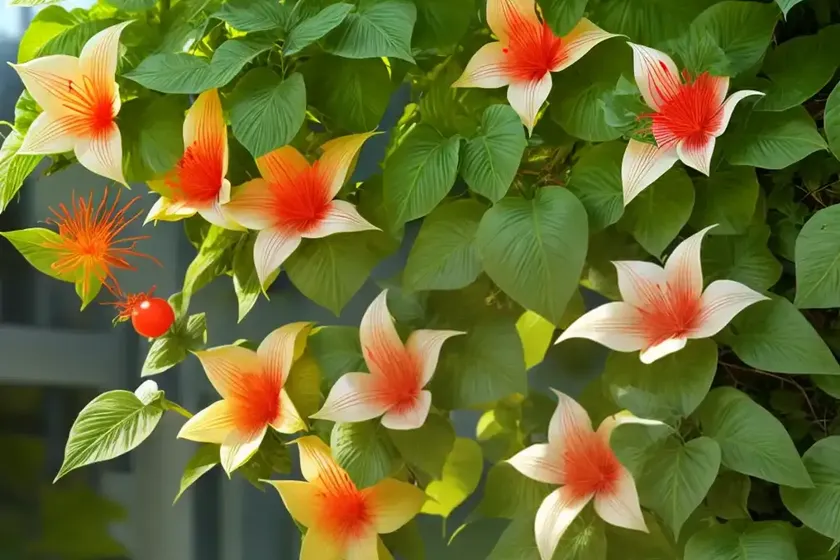
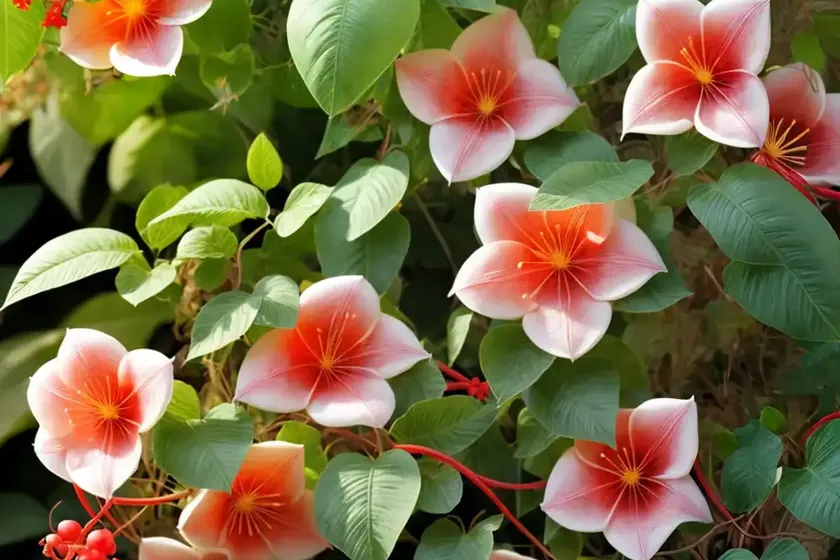
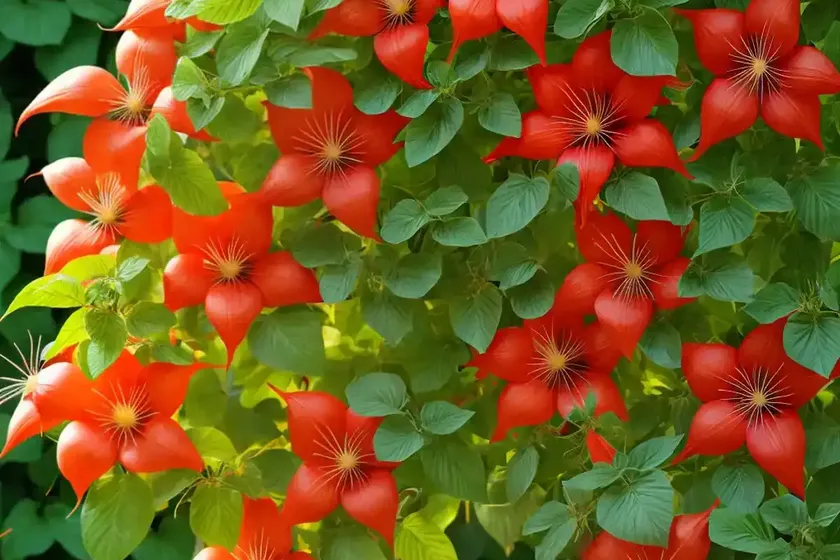
Balloonvine, scientifically known as Cardiospermum halicacabum, is a fascinating plant with a wide array of uses in traditional medicine and home landscaping. This climbing plant is known for its unique balloon-like seed pods, hence its common name. In this comprehensive guide, we will explore the culture, uses, care requirements, common diseases, and fun facts about Balloonvine. Additionally, we will delve into the plant’s traditional and medicinal uses and discuss its place in folklore and ethnobotany.
What is Balloonvine (Cardiospermum Halicacabum)?
Balloonvine, or Cardiospermum halicacabum, is a perennial climbing plant native to tropical and subtropical regions. It’s a member of the Sapindaceae family, which also includes lychee and longan. Also known as the Love-in-a-Puff vine, Balloonvine is cherished for its delicate green foliage and tiny white flowers that develop into distinct, balloon-shaped seed pods.
Key Takeaways
Before delving deeper into the specifics of Balloonvine, let’s take a look at some key takeaways about this plant.
- Scientific Name: Cardiospermum halicacabum
- Common Names: Balloonvine, Love-in-a-Puff vine
- Family: Sapindaceae
- Native Habitat: Tropical and subtropical regions
- Characteristic Feature: Unique balloon-shaped seed pods
Now that we have a brief overview of Balloonvine, let’s explore its culture, uses, and care requirements in more detail.
Culture
The culture of Balloonvine encompasses its preferred growing conditions, propagation methods, and popular uses. Understanding the cultural requirements of this plant is essential for its successful cultivation.
Uses
Balloonvine has a diverse range of traditional, medicinal, and horticultural uses. Let’s take a closer look at some of its primary uses.
- Traditional Medicine: Balloonvine has a long history of traditional medicinal use in various cultures. It is believed to possess properties that support skin health, immune function, respiratory health, and more. The plant is used in herbal remedies, teas, and ointments.
- Landscaping: Due to its attractive foliage and charming balloon-like seed pods, Balloonvine is often cultivated for ornamental purposes. It can be trained to climb up trellises, fences, and arbors, adding a whimsical touch to garden landscapes.
Water
Balloonvine prefers consistently moist soil, especially during its active growing season. In hotter climates, regular watering is crucial to prevent the soil from drying out. However, it’s important to avoid waterlogging, as excess moisture can lead to root rot.
Sunlight
Balloonvine thrives in partial to full sun. Providing adequate sunlight is essential for the plant’s healthy growth and prolific flowering.
Fertilizer
A balanced, all-purpose fertilizer can be applied to Balloonvine during the growing season to support its vigorous growth and blooming. However, it’s important to follow the manufacturer’s instructions regarding application rates and frequency.
Soil
Balloonvine grows best in well-draining, nutrient-rich soil. A slightly acidic to neutral pH range is ideal for this plant.
Pruning
Pruning is generally not a major aspect of Balloonvine care. However, it may be necessary to trim back overgrown or unruly vines to maintain a neat and tidy appearance.
Propagation
Balloonvines can be propagated from seeds or cuttings. Seed propagation is fairly straightforward, while cuttings can be rooted in moist, well-draining soil or water.
Container Popularity
While Balloonvine is often grown as a climbing vine in garden landscapes, it can also thrive in containers. It is particularly well-suited for hanging baskets and tall, narrow pots that provide ample vertical space for the plant to climb.
Common Diseases
Like any other plant, Balloonvine is susceptible to certain diseases that can affect its overall health and vigor. Understanding these common diseases and their management is essential for maintaining a thriving Balloonvine.
Disease Diagnosis
Some of the common diseases that may affect Balloonvine include:
- Powdery Mildew: This fungal disease can manifest as a powdery white coating on the leaves and stems of the plant, leading to reduced photosynthetic efficiency and overall vigor.
- Leaf Spot: Various fungal and bacterial pathogens can cause leaf spots on Balloonvine, leading to unsightly blemishes and potential leaf drop.
- Root Rot: Overwatering or poorly drained soil can result in root rot, which can ultimately lead to the decline of the plant.
Effective disease diagnosis involves careful observation of the plant’s symptoms and prompt intervention to prevent the spread of diseases.
Common Pests
Balloonvine can also fall prey to a range of pests that may compromise its health and aesthetics. Familiarizing oneself with these common pests is crucial for implementing appropriate pest management strategies.
Common Pests
- Aphids: These tiny, sap-sucking insects can infest Balloonvine, causing stunted growth and distorted foliage.
- Whiteflies: Infestations of whiteflies can lead to yellowing and wilting of the plant’s leaves, impacting its overall vitality.
- Spider Mites: These minuscule pests can cause stippling and webbing on the underside of Balloonvine leaves, leading to reduced photosynthetic capacity.
Implementing preventive measures and early intervention can help mitigate the impact of these pests on Balloonvine.
Botanist’s Tips
Knowing a few insightful tips from botanists can greatly enhance the success of cultivating and caring for Balloonvine. Here are some expert tips for nurturing this charming climbing plant:
- Support Structures: Providing adequate support structures such as trellises, arched frames, or lattice panels will help Balloonvine climb and flourish.
- Regular Monitoring: Regularly inspecting the plant for signs of pests, diseases, or nutrient deficiencies can aid in early detection and intervention.
- Training Vines: Gently guiding the vines of Balloonvine along the desired support structures can help create an aesthetically pleasing display and prevent tangling.
- Proper Watering: Ensuring proper watering practices, such as watering at the base of the plant to prevent foliage wetting, can reduce the risk of diseases and promote healthy growth.
Fun Facts
To further appreciate the allure of Balloonvine, here are some delightful and fascinating fun facts about this captivating plant:
- The balloon-like seed pods of Balloonvine make it a popular choice for children’s gardens and nature-themed educational activities.
- In traditional medicine systems, Balloonvine is revered for its purported skin-soothing properties and is often used in preparations for dermatological care.
- The genus name Cardiospermum is derived from the Greek words “cardio” (heart) and “spermum” (seed), alluding to the heart-shaped seeds found in the plant’s characteristic seed pods.
Links to External Resources
For those interested in further exploring the world of Balloonvine, the following external resources provide valuable information about its cultivation, uses, and folklore:
- Royal Botanic Gardens, Kew – Cardiospermum halicacabum
- Plants for a Future – Cardiospermum halicacabum
- Missouri Botanical Garden – Cardiospermum halicacabum
- Flora of Zimbabwe – Cardiospermum halicacabum
- Ethnobotanical Leaflets – Balloonvine Folklore and Traditional Uses
By exploring these external resources, enthusiasts can enrich their understanding of Balloonvine and its multifaceted significance in various cultural, horticultural, and medicinal contexts.
In conclusion, Balloonvine (Cardiospermum halicacabum) is a captivating plant with a rich tapestry of traditional uses, ornamental allure, and natural charm. Whether adorning garden landscapes, serving as a subject of botanical fascination, or contributing to traditional healing practices, Balloonvine continues to captivate and inspire plant enthusiasts around the world.
Note: This blog post is for informational purposes only and does not serve as professional medical advice. Please consult a qualified healthcare provider before using any plant-based remedies or treatments.
Keywords: Balloon vine plant, Cardiospermum halicacabum, How to grow balloonvine, Balloonvine care guide, Balloonvine plant species, Balloonvine health benefits, Cardiospermum halicacabum plant, Medicinal uses of balloonvine, Balloonvine for skin health, Balloonvine herbal remedy, Balloonvine and traditional medicine, Balloonvine in folklore, Balloonvine outdoor cultivation, Balloonvine indoor care, Balloonvine for natural remedies, Balloonvine plant characteristics, Balloonvine for insect control, Balloonvine for landscaping, Balloonvine in ethnobotany, Balloonvine for respiratory health, Balloonvine for immune support, Balloonvine and traditional healing, Balloonvine in garden design, Balloonvines and pollinators, Balloonvine as a climbing plant, Balloonvine for skin conditions, Balloonvine history and uses, Balloonvine for arthritis relief, Balloonvine in traditional medicine systems, Balloonvine as a natural remedy, Balloonvine for enhancing digestion, Balloonvine cultivation tips, Balloonvine for relaxation, Balloonvine as a herbal tea, Balloonvine and folklore tales, Balloonvine in traditional recipes, Balloonvine as an alternative medicine, Balloonvine garden maintenance, Balloonvine for stress relief, Balloonvine as a decorative plant, Balloonvine and skin care, Balloonvine in culinary uses, Balloonvine and respiratory health, Balloonvine and natural remedies, Balloonvine and soothing properties, Balloonvine for promoting sleep, Balloonvine and garden pests, Balloonvine for healthy hair, Balloonvine and traditional healing practices, Balloonvine landscape design ideas