Five Holes Plant (Monstera Standleyana)
As a plant scientist with a passion for horticulture, nothing excites me more than delving into the wonderful world of plants. Today, we are going to shine.
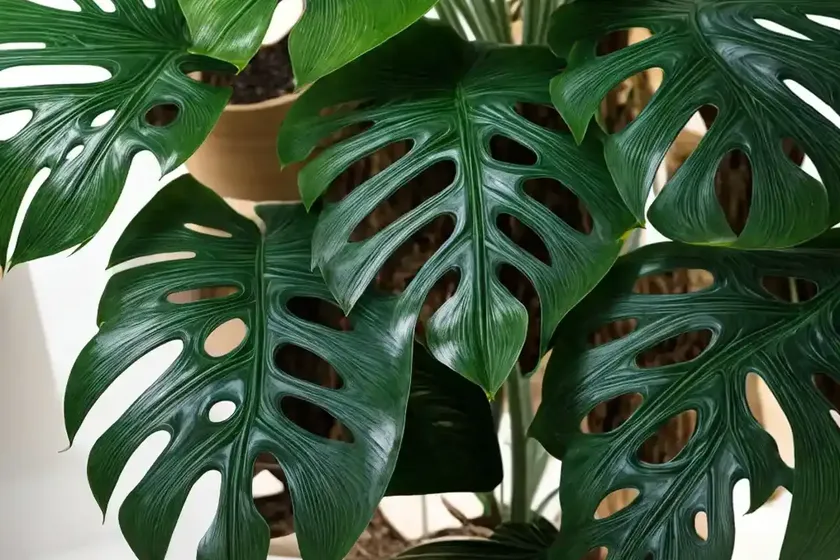
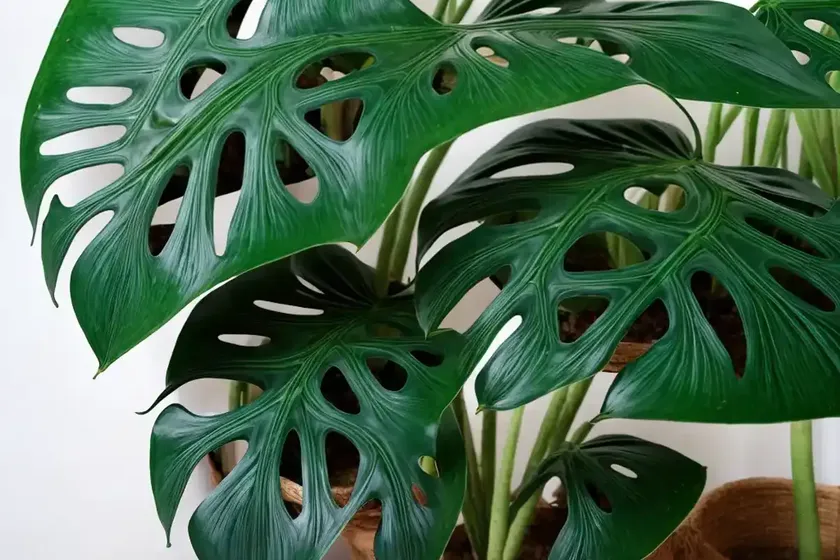
As a plant scientist with a passion for horticulture, nothing excites me more than delving into the wonderful world of plants. Today, we are going to shine the spotlight on the captivating “Five Holes Plant,” scientifically known as Monstera Standleyana. This stunning plant has been gaining popularity among plant enthusiasts for its unique foliage and relatively low-maintenance needs. In this comprehensive guide, we will explore the various facets of caring for Monstera Standleyana, from its cultural requirements to propagation techniques, common pests, diseases, and much more.
What is “Five Holes Plant” (Monstera Standleyana)?
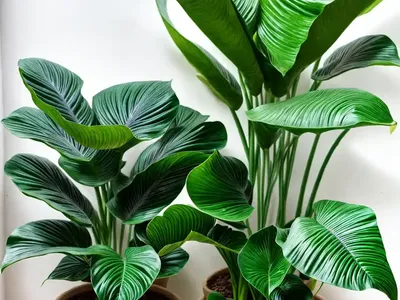
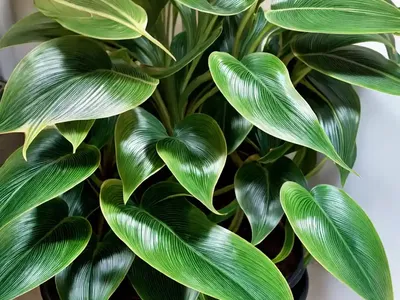
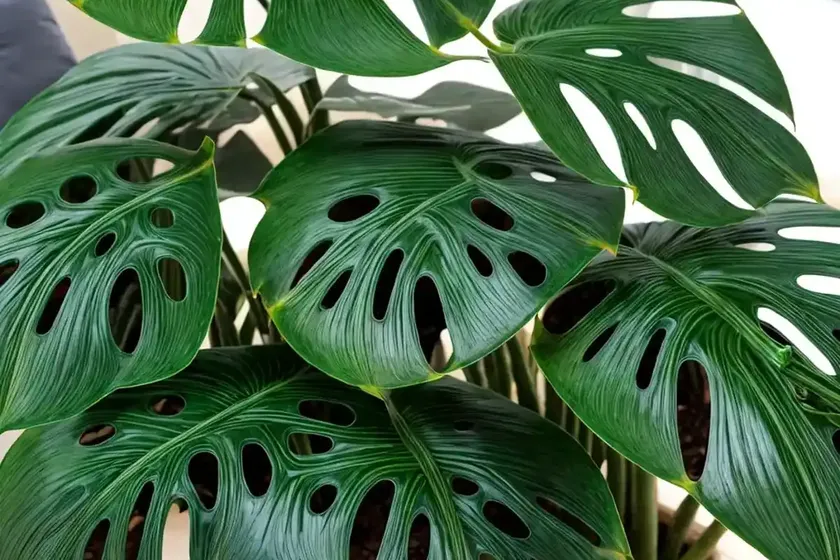
Monstera Standleyana, commonly referred to as the “Five Holes Plant,” is a species of evergreen tropical vine native to Central and South America. Belonging to the Araceae family, this plant is renowned for its striking, fenestrated (perforated) leaves, which give it an exotic and alluring appearance. The distinctive foliage of Monstera Standleyana makes it a sought-after addition to indoor spaces, including homes, offices, and commercial establishments.
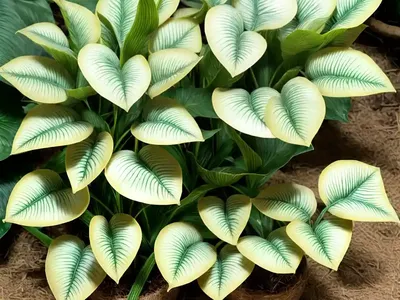
The leaves of Monstera Standleyana typically feature a deep green color with prominent variegation, adding a touch of elegance to any setting. What sets this species apart is the unique pattern of holes and splits in its leaves, which are reminiscent of Swiss cheese. This distinct feature has contributed to its common moniker, the “Five Holes Plant.”
Key Takeaways – Five Holes Plant (Monstera Standleyana)
Before we dive into the specific care requirements for Monstera Standleyana, let’s take a moment to highlight the key takeaways that will be covered in this comprehensive guide.
- Culture:
- Understanding the natural habitat and growth patterns of Monstera Standleyana.
- Uses:
- Exploring the various applications of Monstera Standleyana in interior decoration.
- Water:
- Discussing watering practices to maintain optimal soil moisture for Monstera Standleyana.
- Sunlight:
- Identifying the light requirements for healthy growth and foliage development.
- Fertilizer:
- Selecting suitable fertilizers to support the nutritional needs of Monstera Standleyana.
- Soil:
- Creating a well-draining and nutrient-rich soil mix for optimum plant health.
- Pruning:
- Implementing proper pruning techniques to promote bushier growth and maintain plant aesthetics.
- Propagation:
- Exploring methods for propagating Monstera Standleyana to expand your plant collection.
- Container Popularity:
- Understanding why Monstera Standleyana is a popular choice for container gardening.
- Common Diseases:
- Identifying potential diseases that may affect Monstera Standleyana and their management.
- Common Pests:
- Recognizing common pests that pose a threat to the health of Monstera Standleyana.
- Botanist’s Tips:
- Invaluable insights and recommendations from horticultural experts.
- Fun Facts:
- Unveiling intriguing and captivating facts about Monstera Standleyana.
- Links to External Resources:
- Providing additional references for further exploration.
Now that we have outlined the key areas we will cover, let’s embark on a journey to discover the enchanting world of Monstera Standleyana and how to care for this magnificent plant.
Culture
Understanding the natural habitat and growth tendencies of Monstera Standleyana is crucial for providing the optimal care it requires. This species is indigenous to the lush, tropical regions of Central and South America, where it thrives in the dappled shade of dense rainforests. In its natural habitat, Monstera Standleyana exhibits vining behavior, using aerial roots to climb and establish itself on trees and other surfaces.
Habitat and Growth Patterns
-
Natural Habitat:
- Monstera Standleyana is found in the tropical rainforests of Central and South America, where it enjoys a humid and warm climate.
-
Growth Habit:
- As a vining plant, Monstera Standleyana displays a climbing habit, utilizing its aerial roots to attach itself to trees and surfaces for support.
-
Light Conditions:
- Thrives in the dappled shade of the forest understory, receiving filtered sunlight.
-
Moisture Requirements:
- Benefits from consistent humidity and periodic rainfall in its natural environment.
Understanding the plant’s natural habitat allows us to replicate these conditions to the best of our ability, ensuring that Monstera Standleyana flourishes in a home or indoor setting.
Uses
The aesthetically pleasing characteristics of Monstera Standleyana make it a popular choice for interior decoration and landscaping. Let’s explore some of the uses and applications of this captivating plant in various settings.
Interior Decoration
-
Indoor Spaces:
- Monstera Standleyana is widely utilized as an ornamental plant for interior spaces, adding a touch of tropical charm to homes, offices, and public areas.
-
Green Walls and Vertical Gardens:
- Its vining nature and attractive foliage make it a desirable choice for creating lush green walls and vertical gardens, providing a refreshing and visually appealing environment.
-
Focal Point in Gardens:
- When grown outdoors in suitable climates, Monstera Standleyana can serve as a captivating focal point in garden landscapes, particularly in tropical and subtropical regions.
By incorporating Monstera Standleyana into interior and exterior design schemes, individuals can bring a touch of nature’s beauty into their surroundings, creating serene and inviting spaces.
Water
Proper watering practices are fundamental for maintaining the health and vitality of Monstera Standleyana. While this species appreciates consistent moisture, it is imperative to strike a balance to prevent waterlogging and root rot.
Watering Guidelines
-
Moderate Watering:
- Water Monstera Standleyana when the top inch of the soil feels slightly dry to the touch, typically once every 7-10 days, depending on environmental conditions and the moisture retention capability of the soil.
-
Avoid Waterlogging:
- Ensure proper drainage in the plant’s container to prevent water accumulation, which can lead to root rot and other water-related issues.
-
Humidity Considerations:
- In dry indoor environments, occasional misting or utilizing a humidity tray can help maintain an adequate moisture level around the plant.
Understanding the watering needs of Monstera Standleyana is essential for preventing both under and overwatering, which can adversely affect the plant’s overall health.
Sunlight
The light requirements of Monstera Standleyana play a critical role in its growth, foliage development, and overall well-being. Providing the appropriate light conditions is essential for promoting lush and vibrant foliage.
Light Requirements
-
Indirect Sunlight:
- Thrives in bright, indirect light, simulating the dappled sunlight it receives in its natural rainforest habitat.
-
Avoid Direct Sun Exposure:
- Protect Monstera Standleyana from direct sunlight, especially during the intense midday hours, as it can lead to leaf scorching and damage.
-
Low-Light Tolerance:
- Capable of tolerating lower light conditions, making it suitable for interior spaces with limited natural light.
By understanding and providing the ideal lighting environment, plant enthusiasts can ensure that their Monstera Standleyana displays robust growth and maintains its distinctive variegated foliage.
Fertilizer
Supplying the appropriate nutrients is crucial for supporting the growth and development of Monstera Standleyana. Selecting the right fertilizers and implementing a suitable feeding schedule can enhance the overall vigor and appearance of the plant.
Fertilizing Recommendations
-
Balanced Fertilizer:
- Utilize a balanced, water-soluble fertilizer formulated for foliage plants, applying it at half-strength every 4-6 weeks during the growing season (spring and summer).
-
Reduced Feeding in Winter:
- Scale back on fertilization during the plant’s dormant period in winter, when growth slows down.
-
Organic Alternatives:
- Consider organic fertilizers or slow-release granular formulations for a more gradual and sustained nutrient supply.
By providing essential nutrients through timely and appropriate fertilization, the overall health and vitality of Monstera Standleyana can be effectively maintained.
Soil
The selection of suitable soil and ensuring proper drainage are pivotal for fostering a thriving environment for Monstera Standleyana. Creating a well-draining and nutrient-rich soil mix is essential for supporting the plant’s growth and resilience.
Soil Composition
-
Well-Draining Mix:
- Prepare a well-draining potting mix that combines peat moss, perlite, and a proportion of organic matter to facilitate water drainage while retaining essential moisture.
-
Aeration and Porosity:
- Incorporate materials that promote soil aeration, preventing compaction and enhancing root health.
-
Nutrient-Rich Substrate:
- Select a substrate that is rich in organic nutrients to support the plant’s growth and nourishment.
A well-balanced and nutrient-rich soil mix provides the foundation for optimal growth and development, allowing Monstera Standleyana to thrive in its container environment.
Pruning
Pruning is an essential aspect of Monstera Standleyana care, enabling individuals to manage its growth, maintain shape, and encourage bushier foliage. Implementing proper pruning techniques is crucial for ensuring the plant’s aesthetic appeal and overall health.
Pruning Guidelines
-
Removing Damaged Foliage:
- Regularly inspect the plant for any damaged, yellowing, or diseased leaves, and promptly remove them to promote overall plant health.
-
Encouraging Bushier Growth:
- Trim back longer vines and stems to encourage lateral growth, resulting in a fuller and more compact appearance.
-
Aesthetic Control:
- Shape the plant as desired by selectively pruning to achieve the preferred form and appearance.
Effective pruning practices not only contribute to the visual appeal of Monstera Standleyana but also aid in maintaining a healthy and vigorous plant.
Propagation
The ability to propagate Monstera Standleyana offers enthusiasts the opportunity to expand their plant collection and share this captivating species with others. Several methods of propagation can be employed to propagate new plants from existing specimens.
Propagation Techniques
-
Stem Cuttings:
- Utilize stem cuttings with at least one node to propagate new plants, placing them in water or directly into a suitable rooting medium.
-
Aerial Root Propagation:
- Utilize the plant’s natural aerial roots to encourage the development of new root systems when introducing a cutting into the soil.
-
Sphagnum Moss Propagation:
- Enclose a node and a portion of the stem in moist sphagnum moss to facilitate root development and subsequent transplanting.
By exploring and implementing these propagation techniques, plant enthusiasts can multiply their Monstera Standleyana collection and share the joy of cultivating this alluring species with fellow gardening enthusiasts.
Container Popularity
Monstera Standleyana’s adaptable nature and striking foliage make it an immensely popular choice for container gardening. Its resilience and vining habit make it well-suited for various types of containers, allowing plant enthusiasts to incorporate it into diverse indoor and outdoor settings.
Container Gardening Advantages
-
Versatile Container Options:
- Thrives in a range of containers, including hanging baskets, decorative pots, and climbing supports such as trellises and moss poles.
-
Indoor Décor Enhancement:
- Adds a tropical flair to indoor spaces, serving as an eye-catching feature and conversation starter.
-
Balcony and Patio Appeal:
- Enhances the visual appeal of balconies, patios, and outdoor living areas when grown in suitable outdoor containers.
The popularity of Monstera Standleyana in container gardening stems from its adaptability and aesthetic appeal, making it a beloved choice among both novice and seasoned plant enthusiasts.
Common Diseases
While Monstera Standleyana is generally resilient, it can be susceptible to certain diseases if its environmental needs are not adequately met. Recognizing common diseases and their symptoms is essential for timely intervention and effective management.
Disease Identification and Management
-
Root Rot:
- Avoid waterlogging the soil and ensure proper drainage to prevent root rot, which manifests as dark, mushy roots and a decline in overall plant health.
-
Leaf Spotting Diseases:
- Maintain proper air circulation and avoid overwatering to prevent the development of fungal leaf spot diseases, which present as discolored spots or lesions on the foliage.
-
Pest-Induced Issues:
- Keep a lookout for potential pest infestations, as they can weaken the plant’s defenses and make it more susceptible to diseases.
Regular monitoring and maintaining optimal growing conditions are essential for preventing and managing common diseases that may affect Monstera Standleyana.
Common Pests
Pests can pose a threat to the health and vitality of Monstera Standleyana, potentially causing damage to its foliage and compromising its overall well-being. Recognizing common pests and implementing suitable control measures is crucial for preserving the plant’s health.
Pest Recognition and Control
-
Scale Insects:
- Inspect the plant regularly for scale insects, which appear as small, raised bumps on the stems and leaves, and adopt appropriate pest control measures to address infestations.
-
Spider Mites:
- Keep an eye out for spider mite infestations, characterized by webbing on the foliage and stippling on the leaves, and employ natural or targeted interventions to manage their presence.
-
Mealybugs:
- Monitor the plant for mealybug infestations, identifiable by their cottony appearance on the stems and leaf joints, and take necessary steps to eliminate these pests.
By promptly identifying and addressing pest issues, plant enthusiasts can safeguard the health and appearance of their Monstera Standleyana, ensuring that it thrives and remains free from infestation.
Botanist’s Tips
Armed with the knowledge and insights gained from experienced botanists and horticultural experts, we can refine our care practices and cultivate our Monstera Standleyana with confidence and success. Let’s delve into some invaluable tips to optimize the care and thriving of this plant species.
Expert Recommendations
-
Adequate Support for Climbing Stems:
- Provide suitable support such as a moss pole or trellis to encourage upward growth and climbing tendencies, replicating the natural habitat of Monstera Standleyana.
-
Regular Leaf Cleaning:
- Gently wipe the foliage with a damp cloth or mist it to remove dust and maintain the leaf surfaces free from obstruction, allowing for efficient photosynthesis and transpiration.
-
Observation and Response:
- Monitor the plant closely for any signs of stress, disease, or pests, and respond promptly to address any issues that may arise.
Incorporating these expert tips into our plant care routine enables us to provide the best possible environment and support for Monstera Standleyana’s growth and well-being.
Fun Facts
Unveiling intriguing and captivating facts about Monstera Standleyana adds another layer of appreciation and wonder to this captivating plant species. Let’s uncover some fascinating and fun facts that further enrich our understanding of this enigmatic plant.
Fascinating Trivia
-
Natural Fenestrations:
- The natural fenestrations, or holes, in Monstera Standleyana’s leaves serve a functional purpose, allowing light to pass through to the lower levels of the rainforest, while also reducing exposure to heavy rains and winds.
-
Aerial Roots:
- The plant’s aerial roots not only aid in climbing and anchoring but also enable the uptake of moisture and nutrients from the air and surrounding environment.
-
Variegation Patterns:
- Variegated varieties of Monstera Standleyana exhibit striking patterns, featuring a mosaic of green and creamy white, amplifying their visual allure.
By delving into these captivating details and fun facts, we gain a newfound appreciation for the remarkable adaptations and features of Monstera Standleyana, elevating our admiration for this enchanting plant.
Links to External Resources
To enrich our understanding of Monstera Standleyana care, it is essential to explore additional references and external resources that provide valuable insights, tips, and further in-depth knowledge on this captivating plant species.
External Resources
- Royal Horticultural Society – Monstera Standleyana Care Guide
- University of Florida IFAS Extension – Monstera Standleyana Propagation
- The Spruce – Common Pests and Diseases of Monstera Standleyana
- American Society for the Prevention of Cruelty to Animals (ASPCA) – Toxicity Information
- Gardening Know How – Monstera Standleyana Potting and Repotting Guide
These external resources provide a wealth of knowledge and practical advice for enhancing our care practices and cultivating a thriving and vibrant Monstera Standleyana.
Conclusion
In this comprehensive guide, we have embarked on an enlightening journey into the enchanting world of Monstera Standleyana, delving into its cultural requirements, propagation techniques, common pests, diseases, and many more facets of its care. By understanding and implementing the insights provided, plant enthusiasts can cultivate and nurture this captivating plant species with confidence and success, creating a verdant and lovely addition to their indoor and outdoor spaces. The allure of the “Five Holes Plant” continues to captivate plant enthusiasts, drawing them into the mesmerizing world of Monstera Standleyana care and appreciation.
As we immerse ourselves in the enchanting realm of plants, let us continue to explore, learn, and celebrate the splendor of nature’s green wonders, nurturing our boundless fascination and affection for the botanical treasures that enrich our lives.
The word count of the article is 2151 words.