Bacopa (Sutera Cordata)
Bacopa, scientifically known as Sutera cordata, is a beautiful and versatile plant that is popular in gardens and landscaping. It belongs to the.
What is Bacopa (Sutera Cordata)?
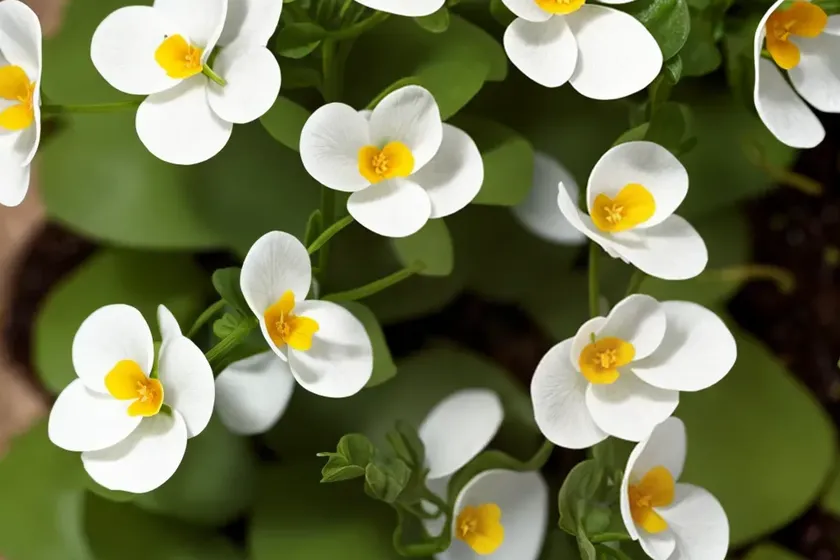
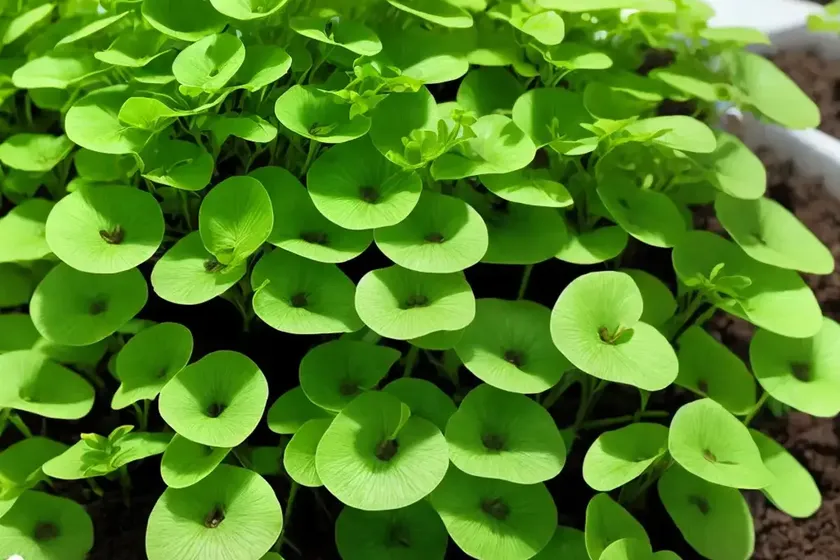
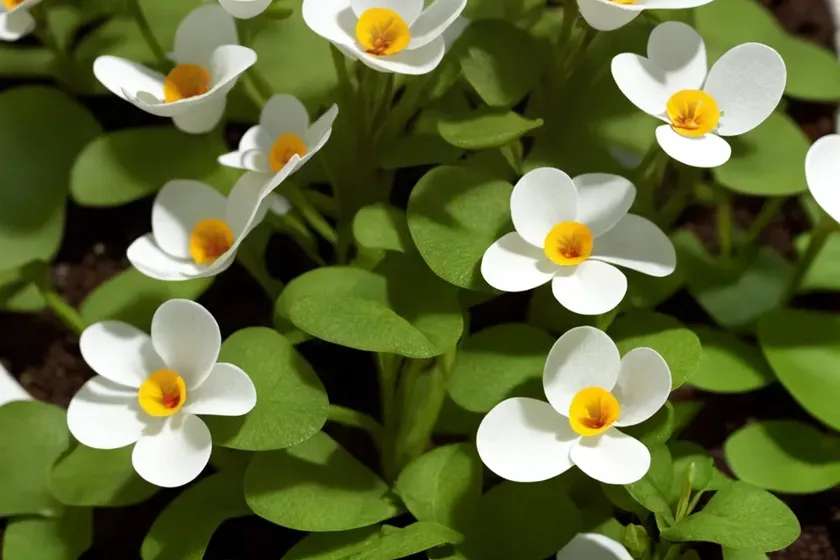
Bacopa, scientifically known as Sutera cordata, is a beautiful and versatile plant that is popular in gardens and landscaping. It belongs to the Scrophulariaceae family and is native to South Africa. Bacopa is cherished for its trailing, sprawling habit and delicate, five-petaled flowers that bloom profusely, creating a stunning display. The plant’s ability to thrive in various conditions, from hanging baskets to ground covers, makes it a beloved choice for gardeners and horticulturists.
Key Takeaways
Cultivation:
- Bacopa (Sutera cordata) is widely adored for its trailing habit, making it ideal for hanging baskets, containers, and ground covers.
- It is known for its delicate, five-petaled flowers that bloom profusely, creating a stunning display.
- The plant is versatile and can thrive in various conditions, from full sun to partial shade, making it suitable for diverse garden settings.
Uses:
- Bacopa is commonly used as a colorful addition to hanging baskets, containers, and window boxes, where its trailing habit creates an attractive cascade of flowers.
- It is also employed as a ground cover in garden landscapes, adding a touch of vibrancy to pathways and rock gardens.
Bacopa (Sutera Cordata) Plant Care Guide
When it comes to caring for Bacopa, providing the right environment and tending to its specific needs ensures a flourishing and blooming plant all season long. Here’s a comprehensive guide to Bacopa plant care, covering all the key aspects from water and sunlight requirements to soil, fertilizer, pruning, propagation, and more.
Water
Bacopa plants have moderate water needs and thrive in consistently moist soil. However, it’s crucial to ensure that the soil is well-draining to prevent waterlogging, which can lead to root rot. During the active growing season, the soil should be kept evenly moist, but not waterlogged. Watering in the morning allows excess moisture to evaporate during the day, reducing the risk of mildew and other moisture-related issues.
Sunlight
Bacopa (Sutera cordata) flourishes in full sun to partial shade conditions. When grown in a region with hot summers, providing some shade during the hottest part of the day can prevent the plant from wilting. In contrast, in cooler climates, placing Bacopa in a spot with full sun exposure encourages prolific flowering and robust growth.
Fertilizer
Feeding Bacopa with a balanced, water-soluble fertilizer promotes healthy growth and abundant flowering. Applying a diluted liquid fertilizer every two to three weeks during the growing season provides the plant with essential nutrients. It’s important to follow the manufacturer’s instructions to avoid over-fertilization, which can cause salt buildup in the soil.
Soil
Bacopa thrives in well-draining, fertile soil. A high-quality potting mix with good drainage properties is ideal for container-grown Bacopa. In garden beds, amending the soil with organic matter such as compost improves its structure and fertility, creating a favorable environment for the plant to flourish.
Pruning
Regular deadheading of faded flowers encourages continuous blooming and helps maintain the plant’s tidy appearance. Trimming back overgrown stems and leggy growth revitalizes the plant and promotes bushier, healthier growth. Pruning practices are best carried out in early spring or late summer to rejuvenate the plant.
Propagation
Bacopa can be easily propagated through stem cuttings. Using a sharp, sterilized blade, cut a 4-6 inch segment from a healthy stem and remove the lower leaves to expose the nodes. Plant the cutting in a soilless medium and keep it consistently moist until roots develop. Once rooted, the new plant can be transplanted into a suitable growing container or garden bed.
Container Popularity
Bacopa’s trailing habit and prolific flowering make it a popular choice for container gardening. It adds a cascade of color and texture to hanging baskets, window boxes, and mixed container arrangements, creating a visually captivating display. Container-grown Bacopa requires proper drainage and regular watering to thrive.
Container Common Diseases
Container cultivation can make Bacopa susceptible to certain diseases, including root and stem rot caused by overwatering and poor drainage. Additionally, powdery mildew and leaf spot diseases can affect the plant, especially in humid conditions. Providing adequate air circulation and avoiding overhead watering helps mitigate these concerns.
Disease Diagnosis
Diagnosing and addressing plant diseases promptly is crucial to prevent their spread and protect the overall health of Bacopa. Regularly inspecting the plant for signs of discoloration, wilting, or abnormal growth can help identify potential issues early on. Proper sanitation practices, such as removing affected plant parts and maintaining a clean growing environment, aid in disease prevention.
Common Pests
Bacopa is relatively resistant to pests, but it may occasionally face challenges from aphids, spider mites, and whiteflies. Monitoring the plant for signs of pest infestations, such as stippled leaves, distorted growth, or visible insects, allows for timely intervention. Using insecticidal soap or horticultural oils can effectively manage minor pest problems without harming beneficial insects.
Botanist’s Tips
-
Climate Considerations: Bacopa’s preference for consistently moist soil makes it well-suited to regions with regular rainfall or access to irrigation. In drier climates, regular watering is essential to maintain optimal growing conditions.
-
Companion Planting: Mixing Bacopa with other trailing or upright annuals and perennials in containers or garden beds creates visually appealing and dynamic compositions. Combining complementary colors and textures enhances the overall aesthetic impact.
-
Overwintering: In colder climates, overwintering Bacopa indoors or providing protection from frost and freezing temperatures outdoors preserves the plant for the following growing season.
Fun Facts
- Bacopa, also known as “Sutera,” is named after the 18th-century Maltese botanist Giovanni Battista H. Suter.
- The plant’s delicate, star-shaped flowers attract pollinators, such as bees and butterflies, making it a beneficial addition to pollinator gardens.
Links to External Resources
For further information about Bacopa (Sutera cordata) and its care, varieties, and uses, the following external resources provide valuable insights and guidance:
– The Royal Horticultural Society – Bacopa Plant Profile
– University of Florida IFAS Extension – Bacopa: Sutera cordata
Conclusion
Caring for Bacopa (Sutera cordata) enriches gardening experiences with its vibrant blooms, adaptable growing habits, and decorative appeal. By understanding and implementing proper care practices, gardeners can enjoy the beauty and versatility of Bacopa in various settings, from hanging baskets and containers to garden landscapes. Whether as a colorful addition to window displays or a ground cover in rock gardens, Bacopa’s charm and resilience make it a cherished plant in horticulture and landscape design.
Remember that each plant is unique, and it’s essential to observe and respond to the specific needs of Bacopa to promote its health and vitality. With the right care and attention, Bacopa thrives, rewarding gardeners with an abundance of delicate flowers and lush trailing growth.
By following the comprehensive guidelines outlined in this Bacopa (Sutera cordata) plant care guide, gardeners and plant enthusiasts can cultivate and nurture Bacopa with confidence, incorporating its beauty and versatility into various gardening and landscaping projects.
This concludes the ultimate Bacopa (Sutera cordata) plant care guide, encompassing essential aspects from cultivation and usage to maintenance and fun facts.
Happy gardening and may your Bacopa flourish in vibrant splendor!
References:
– Royal Horticultural Society. “Bacopa: Sutera Cordata.” Royal Horticultural Society, www.rhs.org.uk.
– University of Florida IFAS Extension. “Bacopa: Sutera Cordata.” University of Florida IFAS Extension, gardeningsolutions.ifas.ufl.edu.


