Baby’s-breath (Gypsophila)
Gypsophila, commonly known as Baby’s-breath, is a delicate and beautiful flowering plant that has captivated gardeners and floral enthusiasts for.
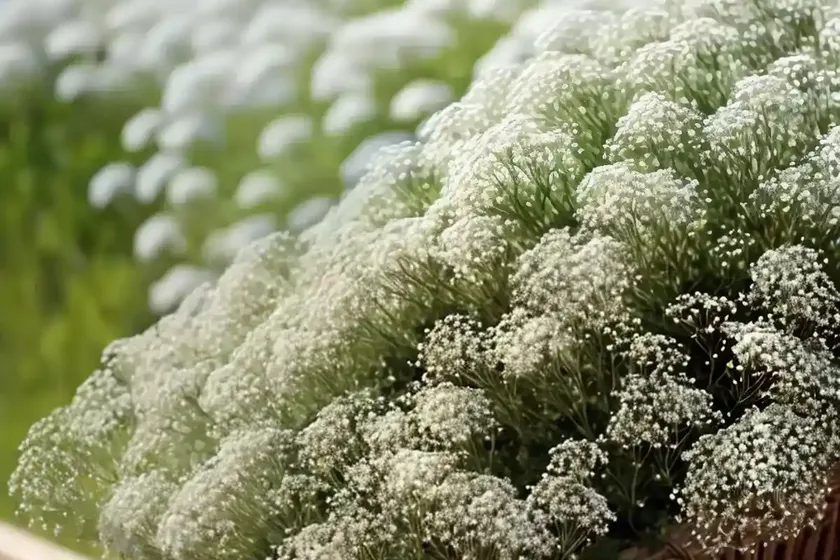
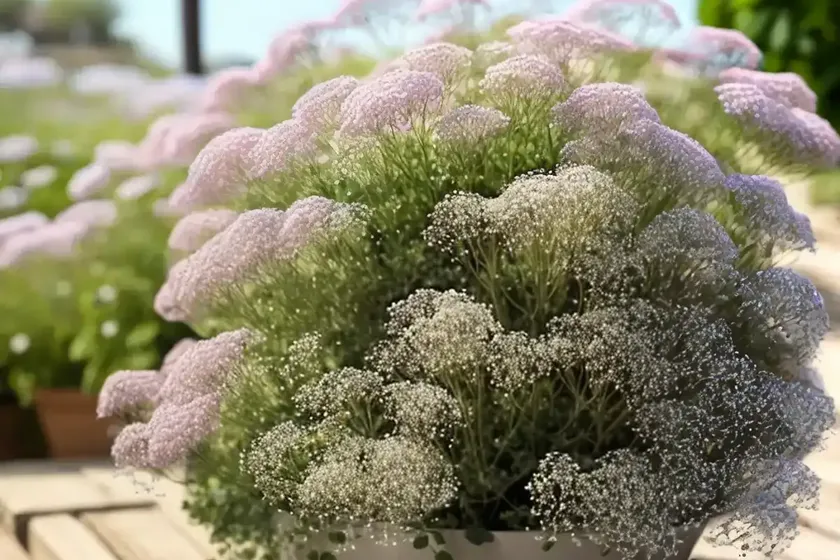
Gypsophila, commonly known as Baby’s-breath, is a delicate and beautiful flowering plant that has captivated gardeners and floral enthusiasts for generations. With its airy clusters of small white flowers, Gypsophila adds a touch of elegance to gardens, flower arrangements, and various floral decorations. This ornamental plant is widely celebrated for its versatility, making it a popular choice for both professional florists and home gardeners. In this comprehensive guide, we will explore the diverse aspects of Baby’s-breath, including its cultural significance, uses, care requirements, and propagation techniques. Whether you are an experienced gardener or a novice enthusiast, this article will provide valuable insights into the world of Gypsophila and enhance your appreciation for this charming plant.
What is Plant: Baby’s-breath (Gypsophila)?
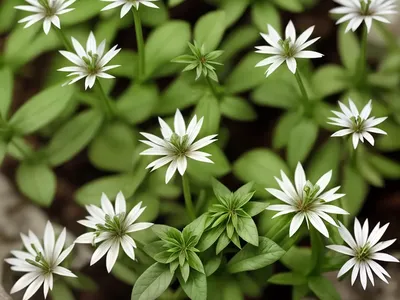
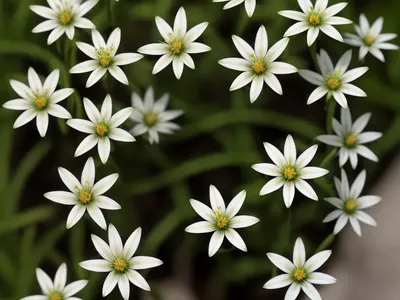
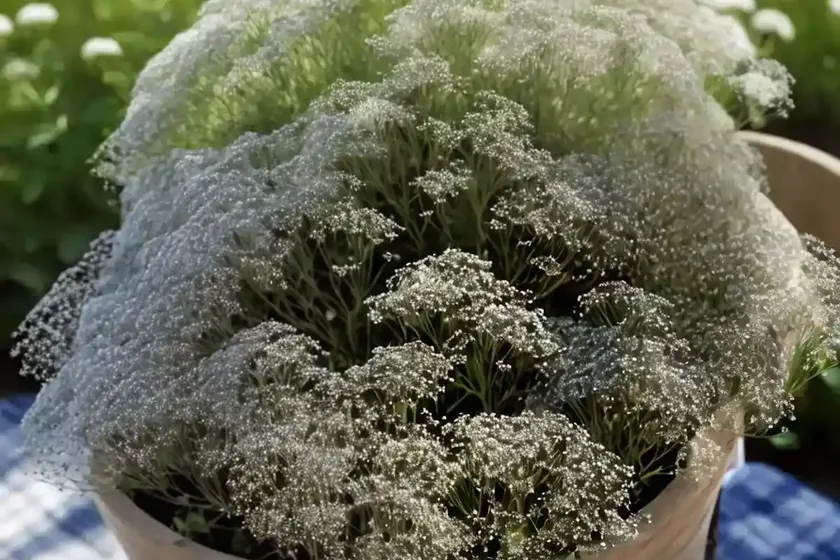
Baby’s-breath, scientifically known as Gypsophila, belongs to the Caryophyllaceae family, which encompasses a diverse group of flowering plants. The genus Gypsophila consists of numerous species, but Gypsophila paniculata is the most widely recognized and cultivated variety. This perennial plant is native to Eastern Europe and Asia, where it thrives in sunny meadows and open woodlands. Baby’s-breath is renowned for its profusion of small, delicate flowers that form dense, cloud-like clusters, creating a mesmerizing visual display in the garden.
Key Takeaways – Baby’s-breath (Gypsophila)
Before delving into the various facets of Baby’s-breath, let’s highlight some key takeaways about this enchanting plant:
- Baby’s-breath, also known as Gypsophila, is celebrated for its graceful clusters of small, white flowers.
- It is an ornamental plant that holds cultural significance and is widely used in floral arrangements, decorative displays, and wedding compositions.
- Gypsophila paniculata is a perennial flowering plant that thrives in abundant sunlight and well-drained soil.
- This plant is coveted for its ability to thrive in diverse settings, including garden borders, containers, and naturalized landscapes.
- Its delicate appearance and versatility make it a popular choice for both outdoor and indoor floral decorations.
Now that we have an overview of Baby’s-breath, let’s explore its cultural significance, uses, and the essential care requirements for fostering its growth and blooming potential.
Cultural Significance
Baby’s-breath has garnered cultural significance and symbolism in various regions across the world. Its delicate and ethereal appearance has led to its association with purity, innocence, and everlasting love. In floral arrangements and wedding compositions, Baby’s-breath is often paired with other flowers to evoke a sense of grace and romanticism. The use of Baby’s-breath in bridal bouquets is emblematic of purity and sincerity, making it a popular choice for weddings and ceremonial events.
Uses
The uses of Baby’s-breath extend beyond its role in decorative floral creations. Some prominent uses include:
-
Floral Arrangements: Baby’s-breath serves as a versatile filler in floral arrangements, adding texture and volume to bouquets, centerpieces, and decorative displays.
-
Wedding Flowers: Its association with purity and romance has made Baby’s-breath a favored choice for wedding decorations, complementing the primary blooms in bridal bouquets, corsages, and venue embellishments.
-
Ornamental Purposes: In gardens and landscapes, Baby’s-breath imparts a sense of airiness and grace, elevating the visual appeal of the surrounding plantings.
-
Cut Flower Industry: As a popular cut flower, Baby’s-breath is commercially cultivated and used in the floral trade for creating captivating and long-lasting arrangements.
-
Symbolism: The delicate white blooms of Baby’s-breath carry symbolic meanings such as purity, innocence, and everlasting love, contributing to its widespread use in various cultural and ceremonial contexts.
Plant Care Tips
To ensure the optimal growth and flowering of Baby’s-breath, it is essential to provide proper care and attention to its specific needs. The following factors are crucial for maintaining the health and vigor of Gypsophila plants:
Water
-
Baby’s-breath plants benefit from regular watering during the growing season, especially during dry and hot periods. Adequate moisture levels support healthy growth and blooming.
-
It is advisable to water the plants at the base to avoid wetting the foliage excessively, as this may lead to fungal diseases and rotting.
-
During the establishment phase and in periods of prolonged drought, consistent watering is vital to support the development of robust root systems.
Sunlight
-
Full sun exposure is ideal for Baby’s-breath, as it promotes prolific flowering and sturdy growth. Select a planting location that receives ample sunlight throughout the day.
-
In regions with intense summer heat, providing some light afternoon shade can prevent the plants from enduring heat stress and dehydration.
-
Adequate sunlight is essential for the overall health and vigor of Baby’s-breath plants, enhancing their capacity to produce an abundance of delicate blooms.
Fertilizer
-
Applying a balanced fertilizer with a slightly higher phosphorus content can promote flowering and enhance the overall blooming capacity of Baby’s-breath.
-
Incorporating organic matter into the soil during planting or top-dressing with compost can enrich the soil structure and supply essential nutrients to the plants.
-
Fertilization should be carried out in moderation, avoiding excessive application that may lead to excessive foliage growth at the expense of flowering.
Soil
-
Well-drained, loamy soil with good fertility and a slightly alkaline pH is well-suited for Baby’s-breath cultivation. Ensure that the soil allows for efficient water drainage to prevent waterlogging, which can be detrimental to the plants.
-
Amending heavy or compacted soils with organic matter, such as compost or peat moss, can improve soil aeration and drainage, creating an ideal growing environment for Gypsophila.
-
Periodically monitoring the soil moisture and texture is important, as it allows for timely adjustments and interventions to maintain optimal growing conditions for the plants.
Pruning
-
Light pruning of Baby’s-breath plants after the flowering period can help maintain a compact and tidy appearance while encouraging new growth and blooming in subsequent seasons.
-
Removing spent blooms and cutting back any straggly or overgrown stems can rejuvenate the plants and stimulate healthy regrowth.
-
Pruning should be performed with clean and sharp tools to minimize damage to the plants and facilitate the healing process at the cut sites.
Propagation
-
Propagating Baby’s-breath can be achieved through methods such as division, stem cuttings, or seed sowing.
-
Dividing mature clumps of Gypsophila in early spring or fall can yield new plants, ensuring genetic uniformity and preserving desirable traits.
-
Stem cuttings taken from healthy, non-flowering stems can be rooted in a moist, well-draining medium to produce new plants with genetic characteristics similar to the parent plant.
-
Seed propagation is another viable option, requiring careful sowing and nurturing of the seeds to facilitate germination and establishment.
Container Popularity
-
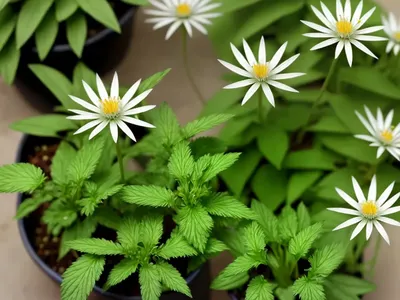
Baby’s-breath is well-suited for container gardening, offering a graceful and textural element to potted arrangements, patio plantings, and balcony gardens.
-
When cultivating Baby’s-breath in containers, it is essential to select well-draining potting mixes and provide suitable support for the tall, delicate stems.
-
Regular monitoring of soil moisture and adequate fertilization are imperative for container-grown Baby’s-breath, ensuring that the plants receive essential nutrients and moisture for healthy growth.
Common Diseases
-
Baby’s-breath is relatively resistant to diseases, but certain conditions may predispose the plants to issues such as powdery mildew, root rot, and fungal infections.
-
Maintaining good air circulation around the plants, avoiding excessive overhead watering, and providing proper spacing can mitigate the risk of fungal diseases.
-
If disease symptoms manifest, prompt intervention with appropriate fungicidal treatments or cultural practices can prevent the spread and severity of the ailments.
Disease Diagnosis
-
When diagnosing potential diseases affecting Baby’s-breath, careful observation of the foliage, stems, and overall plant health is essential.
-
Common signs of diseases in Gypsophila include powdery white patches on the leaves, yellowing or wilting foliage, and stunted growth.
-
Timely identification of disease symptoms and accurate diagnosis are pivotal for implementing targeted control measures and preserving the health of the plants.
Common Pests
-
Aphids, spider mites, and thrips are among the common pests that may afflict Baby’s-breath plants, feeding on the foliage and sapping the plant’s vitality.
-
Regularly inspecting the plants for signs of pest infestation, such as distorted leaves, stippled foliage, or the presence of insects, allows for early intervention and pest management.
-
Employing natural predators, insecticidal soaps, or horticultural oils can effectively control pest populations without causing harm to beneficial organisms or the environment.
Botanist’s Tips
-
Enhancing Floral Arrangements: Baby’s-breath can elevate the visual appeal of floral arrangements when used in combination with other blooms, adding a delicate and airy quality to the compositions.
-
Dry Flower Preservation: Harvesting Baby’s-breath stems at their peak and air-drying them upside down in a well-ventilated area can preserve the blooms for long-lasting decorative use.
-
Companion Planting: Pairing Baby’s-breath with complementary plants such as roses, lilies, and delphiniums can create harmonious garden displays and enhance the overall aesthetic appeal.
Fun Facts
-
The delicate blooms of Baby’s-breath are often associated with concepts of purity, innocence, and everlasting love, making them a popular choice for wedding ceremonies and romantic occasions.
-
Baby’s-breath is a prominent feature in cottage-style gardens, contributing to the nostalgic charm and old-world allure of these idyllic garden settings.
-
The name “Gypsophila” is derived from the Greek words “gypsos” (gypsum) and “philos” (loving), alluding to the plant’s affinity for chalky, alkaline soils.
With a deeper understanding of the cultural significance, uses, and essential care practices for Baby’s-breath, you are well-equipped to nurture and appreciate the beauty of this captivating plant. Whether you are tending to a bountiful garden, creating stunning floral arrangements, or seeking to enhance the aesthetic appeal of your surroundings, Baby’s-breath (Gypsophila) offers a myriad of possibilities for botanical exploration and artistic expression.
Links to External Resources
For additional information on Gypsophila, floral design, and gardening, you may find the following resources valuable:
-
The Royal Horticultural Society (RHS): The official website of the RHS provides comprehensive guidance on cultivating ornamental plants, including Gypsophila, and offers insights into floral design and gardening techniques.
-
American Society of Florists (SAF): The SAF website offers a wealth of resources on floral industry trends, cut flower farming, and floral design concepts, catering to professional florists and floral enthusiasts.
-
University Cooperative Extension Services: Cooperative Extension offices at various universities provide localized gardening advice, plant care recommendations, and pest management strategies tailored to specific regions and climates.
With these valuable resources at your disposal, you can further enrich your knowledge of Baby’s-breath (Gypsophila) and expand your proficiency in the realms of gardening, floral design, and ornamental horticulture. The delicate charm and timeless allure of Baby’s-breath await your exploration, inviting you to create captivating floral experiences and embrace the artistry of gardening in all its splendor.
References
-
Gypsophila paniculata. Missouri Botanical Garden. (n.d.). https://www.missouribotanicalgarden.org/PlantFinder/PlantFinderDetails.aspx?taxonid=277223&isprofile=1&basic=Gypsophila%20paniculata
-
Flower Meanings – List of Flowers With Their Meanings And Pictures. Mamanatural.com. (n.d.). https://www.mamanatural.com/flower-meanings/
-
How to Dry Gypsophila. Home Guides | SF Gate. (n.d.). https://homeguides.sfgate.com/dry-gypsophila-84126.html
-
Gypsophila – Perennial Resource. Perennialresource.com. (n.d.). https://www.perennialresource.com/plants/general-perennial-care/gypsophila/
-
Aphids on Gypsophila: How to Deal with Them. Horticulturebig, theplantguide.net. (n.d.). https://www.theplantguide.net/2021/05/23/aphids-on-gypsophila-how-to-deal-with-them/
-
Why Are My Gypsophila Leaves Turning Yellow? – Gardening Know How. Gardening Know How. (n.d.). https://www.gardeningknowhow.com/ornamental/flowers/babys-breath/yellowing-babys-breath-leaves.htm
-
A Step-By-Step Guide to Growing Gypsophila: Everything You Need to Know! – Pre-madegardens.com. (n.d.). https://www.pre-madegardens.com/a-step-by-step-guide-to-growing-gypsophila-everything-you-need-to-know.html