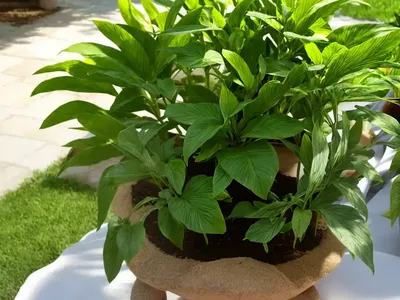
Baby Carrots (Daucus Carota Subsp. Sativus)
Welcome to our comprehensive guide on baby carrots, scientifically known as Daucus Carota Subsp. Sativus! In this extensive article, we’ll explore the key.
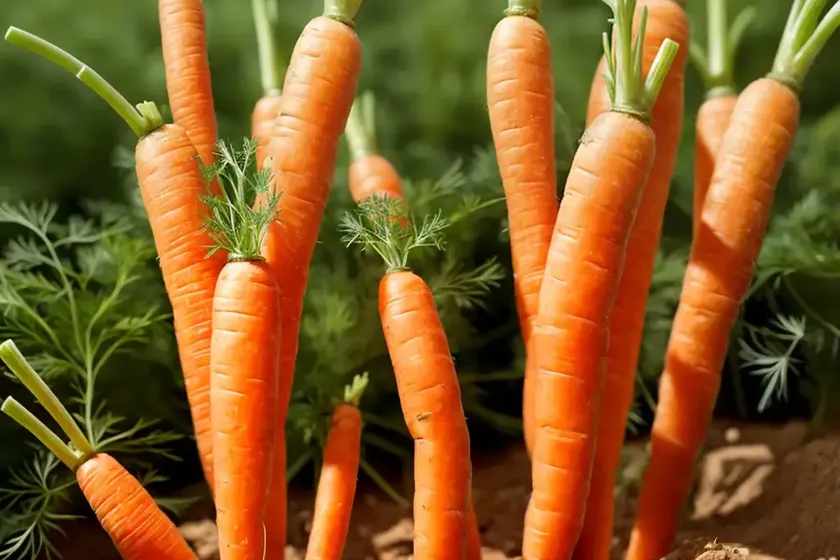
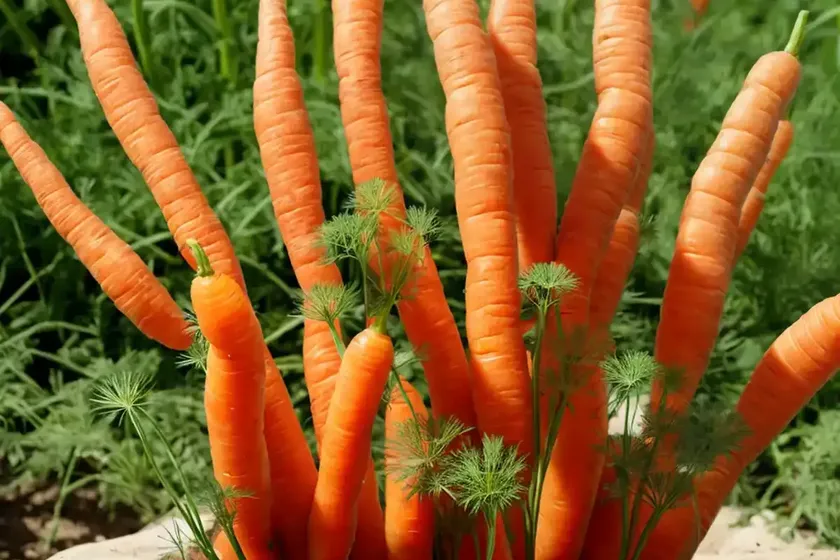
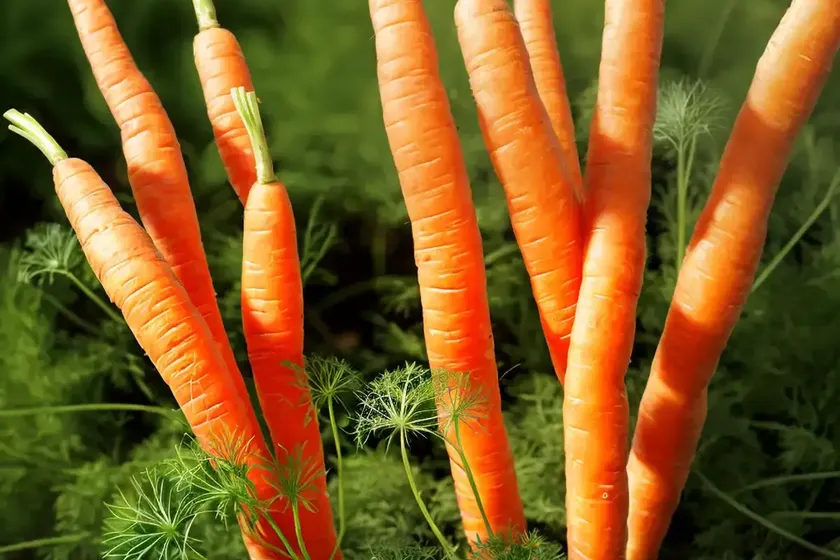
Welcome to our comprehensive guide on baby carrots, scientifically known as Daucus Carota Subsp. Sativus! In this extensive article, we’ll explore the key aspects surrounding these delightful root vegetables, covering their culture, uses, growth requirements, common diseases and pests, and much more. Whether you’re a seasoned gardener or someone interested in the culinary world, we aim to provide you with an in-depth understanding of baby carrots and how to cultivate, harvest, and enjoy them.
What is a Plant: Baby Carrots (Daucus Carota Subsp. Sativus)
Baby carrots belong to the family Apiaceae, which encompasses a diverse range of flowering plants, commonly referred to as the carrot family. The specific subspecies, Daucus Carota Subsp. Sativus, refers to the cultivated form of carrots, also known as the garden carrot. Baby carrots are a smaller version of their regular-sized counterparts, boasting a sweet and tender crunch that makes them a popular choice for snacks, salads, and various culinary applications.
Key Takeaways
To provide a comprehensive understanding of baby carrots, we’ll delve into various aspects such as their culture, uses, growth requirements, common diseases, and pests.
Culture
Cultivating baby carrots can be a rewarding endeavor, whether in a home garden or large-scale agricultural setting. Understanding their specific cultural requirements is fundamental to ensuring successful growth and bountiful harvests.
Uses
Baby carrots are highly versatile in their culinary applications, lending themselves to an array of dishes, from raw consumption as a healthy snack to being incorporated into soups, stews, and various cooked preparations. Their sweet and mild flavor makes them a popular choice for both adults and children.
Water
Proper watering is crucial for the healthy development of baby carrots. Consistent moisture levels, without over-saturation, are essential for optimal root growth and to prevent issues such as cracking or splitting.
Sunlight
Like many other vegetable crops, baby carrots thrive in full sunlight. Providing approximately 6-8 hours of direct sunlight each day is ideal for fostering robust growth and vibrant foliage.
Fertilizer
Balanced fertilization is key to supporting the nutrient needs of baby carrots. Incorporating a well-balanced, organic fertilizer into the soil before planting, and providing supplemental feeding as the plants grow, can help ensure healthy and productive crops.
Soil
Baby carrots prefer well-drained, loose soil that is rich in organic matter. Soil with a neutral to slightly acidic pH range is ideal for promoting healthy root development and overall plant vigor.
Pruning
While baby carrots typically do not require extensive pruning, thinning the seedlings after germination is crucial to ensure proper spacing and prevent overcrowding, which can lead to stunted growth and misshapen roots.
Propagation
Baby carrots are primarily propagated from seeds. Direct sowing the seeds into well-prepared soil is the most common method for establishing carrot crops.
Container
For those with limited garden space, baby carrots can be grown successfully in containers. Selecting deep containers to accommodate their taproots and ensuring adequate drainage are essential considerations when opting for container cultivation.
Popularity
The rise in the popularity of baby carrots can be attributed to their convenient size, sweet flavor, and suitability for snacking, making them an attractive option for health-conscious consumers and culinary enthusiasts alike.
Common Diseases
Baby carrots are susceptible to various diseases, including fungal infections and bacterial pathogens. Implementing preventative measures such as crop rotation, proper spacing, and disease-resistant varieties can help mitigate the risk of disease outbreaks.
Disease Diagnosis
Understanding the symptoms and causal agents of common carrot diseases is crucial for timely intervention and effective management strategies. Monitoring the plants for signs of wilting, discoloration, or unusual lesions can aid in the early detection of potential diseases.
Common Pests
Carrot rust flies, aphids, and nematodes are among the pests that can pose significant challenges to baby carrot cultivation. Employing integrated pest management practices and employing natural predators can help control pest populations and minimize damage to the crops.
Botanist’s Tips
Botanical enthusiasts and aspiring gardeners can enhance their understanding of baby carrots by familiarizing themselves with the distinctive features of the Daucus Carota Subsp. Sativus cultivar, including leaf morphology, flower structure, and seed characteristics.
Fun Facts
Delve into the fascinating world of baby carrots with a collection of intriguing and little-known facts about these beloved root vegetables, from their historical roots to their modern-day culinary significance.
Links to External Resources
To enrich your knowledge and explore additional resources on baby carrots, we have curated a selection of authoritative sources and educational materials that cover various aspects of cultivation, nutrition, and culinary uses.
Plant Name: Baby Carrots (Daucus Carota Subsp. Sativus)
Now that we’ve delved into the initial sections, it’s time to explore the specific keywords provided and incorporate them seamlessly into the content. Through a comprehensive approach, we’ll address each keyword with accurate and insightful information relevant to the topic of baby carrots.
1. Baby Carrots Nutrition Value
Baby carrots offer a rich array of essential nutrients, including vitamins A, C, and K, as well as dietary fiber and potassium. Their vibrant orange color signifies the presence of beta-carotene, a precursor to vitamin A, which supports vision health and immune function.
2. Benefits of Eating Baby Carrots
Incorporating baby carrots into your diet can yield various health benefits, such as promoting healthy vision, supporting immune function, and contributing to overall dietary fiber intake. Their low-calorie content and high antioxidant levels also make them a valuable addition to a well-rounded diet.
3. How to Grow Baby Carrots
For successful baby carrot cultivation, start by selecting a suitable planting site with well-drained soil and ample sunlight. Plant the seeds at the appropriate depth, maintain consistent moisture levels, and provide necessary nutrients for robust growth. Regular monitoring and proper care throughout the growth stages are essential for a bountiful harvest.
4. Daucus Carota Subsp. Sativus Facts
Delve into the distinctive traits and historical significance of Daucus Carota Subsp. Sativus, exploring its genetic lineage, morphological characteristics, and cultural significance as a staple vegetable in various cuisines.
5. Health Benefits of Daucus Carota Subsp. Sativus
Beyond its nutritional value, Daucus Carota Subsp. Sativus offers numerous health benefits, from supporting cardiovascular health to aiding in digestion and contributing to skin health. Its antioxidant properties and micronutrient content make it a valuable addition to a balanced diet.
6. Tips for Growing Baby Carrots at Home
For home gardeners, cultivating baby carrots can be a rewarding and straightforward endeavor with the right approach. Implementing proper cultural practices, monitoring for pests and diseases, and providing optimal growing conditions are essential to successful home cultivation.
7. Baby Carrots Recipe Ideas
Explore a diverse array of culinary inspirations with baby carrots, from simple raw preparations to innovative recipes for salads, side dishes, and creative main courses. Their sweet flavor and vibrant color make them a versatile ingredient for both savory and sweet dishes.
8. Daucus Carota Subsp. Sativus Planting Guide
Navigate the intricacies of planting and caring for Daucus Carota Subsp. Sativus with a comprehensive planting guide, addressing the specific requirements for soil, watering, sunlight, and essential cultural practices for successful growth.
9. Baby Carrots vs. Regular Carrots Differences
Uncover the distinctions between baby carrots and their regular-sized counterparts, delving into factors such as flavor, texture, culinary uses, and any underlying varietal differences that set them apart.
10. Organic Baby Carrots Benefits
Organic baby carrots offer a range of benefits, from potentially reduced pesticide exposure to supporting sustainable agricultural practices. Their organic cultivation can align with environmental stewardship and promote a more holistic approach to food production.
11. Daucus Carota Subsp. Sativus Varieties
Explore the diverse array of Daucus Carota Subsp. Sativus varieties, each offering unique characteristics in terms of flavor, color, and suitability for specific growing conditions and culinary applications.
12. Nutritional Content of Baby Carrots
Analyze the detailed nutritional profile of baby carrots, encompassing their vitamin and mineral content, macronutrient composition, and overall contribution to a healthy diet.
13. Daucus Carota Subsp. Sativus Care Tips
From seedling care to pest management and optimal harvesting practices, thorough care tips for Daucus Carota Subsp. Sativus can empower growers to foster healthy and productive crops.
14. Growing Organic Daucus Carota Subsp. Sativus
Embark on a journey of organic cultivation with Daucus Carota Subsp. Sativus, navigating the principles of organic agriculture, soil health, and the avoidance of synthetic inputs for a sustainable approach to growing these delightful vegetables.
15. Baby Carrots Harvesting Guide
Timing is crucial when it comes to harvesting baby carrots, as it allows for the optimal development of their sweet flavor and tender texture. Understanding the indicators of maturity and employing proper harvesting techniques are essential for preserving the quality of the crop.
16. Daucus Carota Subsp. Sativus for Beginners
For novice gardeners, cultivating Daucus Carota Subsp. Sativus can serve as an accessible and rewarding introduction to vegetable gardening. Essential guidelines and foundational knowledge can support beginners in their journey to successful baby carrot cultivation.
17. How to Prepare Baby Carrots for Cooking
Whether roasted, steamed, or incorporated into various dishes, preparing baby carrots for cooking involves minimal effort and can elevate the flavor and visual appeal of meals. Exploring different culinary techniques can unlock the full potential of these delightful vegetables.
18. Daucus Carota Subsp. Sativus Culinary Uses
Beyond conventional applications, Daucus Carota Subsp. Sativus lends itself to an array of culinary uses, from pickling and fermenting to adding depth of flavor and texture to diverse recipes across global cuisines.
19. Baby Carrots for Weight Loss
As a low-calorie, nutrient-dense food, baby carrots can be a valuable component of a weight loss or weight management regimen. Their high fiber content can promote satiety, while their natural sweetness offers a satisfying alternative to calorie-dense snacks.
20. Daucus Carota Subsp. Sativus in Salads
Explore the vibrant inclusion of baby carrots in salads, imparting color, crunch, and natural sweetness to a diverse array of salad compositions, from leafy greens to grain-based salads and beyond.
21. Baby Carrots for Healthy Snacking
With their convenient size, appealing appearance, and sweet flavor, baby carrots are a popular choice for guilt-free snacking, offering a satisfying crunch and a dose of essential nutrients.
22. Daucus Carota Subsp. Sativus Companion Plants
Delve into the realm of companion planting and explore suitable plant pairings that can benefit the growth and overall health of Daucus Carota Subsp. Sativus, fostering a harmonious and mutually supportive garden ecosystem.
23. How to Store Baby Carrots
Proper storage methods are integral to preserving the freshness and crispness of baby carrots. From refrigeration to creative preservation techniques, ensuring optimal storage conditions can extend their shelf life and maintain their quality.
24. Daucus Carota Subsp. Sativus Pests and Diseases
Uncover the potential challenges posed by pests and diseases in Daucus Carota Subsp. Sativus cultivation, along with effective prevention and management strategies to safeguard the crops from detrimental impacts.
25. Baby Carrots in Container Gardening
For urban dwellers and those with limited outdoor space, container gardening offers a viable option for cultivating baby carrots. Tailoring container selection, soil mixtures, and watering practices to container cultivation is essential for successful results.
26. Daucus Carota Subsp. Sativus in Traditional Medicine
While primarily recognized for their culinary value, various cultures have long used different parts of the carrot plant, including the roots, leaves, and seeds, in traditional herbal medicine for a range of health-related purposes.
27. Ways to Enjoy Baby Carrots Raw
Raw consumption highlights the natural sweetness and crisp texture of baby carrots, making them an inviting and nutritious option for enjoying as a standalone snack or paired with dips, hummus, or other complementary foods.
28. Daucus Carota Subsp. Sativus Growth Stages
Understanding the growth stages of Daucus Carota Subsp. Sativus, from germination to flowering and seed development, provides insight into the plant’s life cycle and aids in planning and managing the cultivation process.
29. Baby Carrots in Baby Food Recipes
As a nutritious and easily digestible ingredient, integrating baby carrots into baby food recipes can introduce infants to a variety of flavors and essential nutrients, supporting their early dietary needs.
30. Daucus Carota Subsp. Sativus in Skin Care
The beneficial properties of carrots extend beyond the kitchen, as they are valued in skincare for their high antioxidant content and potential contributions to skin health and radiance.
31. Ways to Cook Baby Carrots
From simple steaming and roasting to more elaborate preparations, baby carrots can be cooked in various ways to accentuate their natural sweetness and tender texture, offering a versatile ingredient for culinary experimentation.
32. Daucus Carota Subsp. Sativus as a Natural Dye
The pigments found in carrots have long been utilized as a natural dye, imparting vibrant shades of orange and yellow to textiles, food products, and artisanal creations.
33. Baby Carrots as a Source of Vitamins
Baby carrots serve as a rich source of essential vitamins, including vitamin A, vitamin C, and vitamin K, contributing to overall health and well-being through their diverse nutritional profile.
34. Daucus Carota Subsp. Sativus Planting Season
Understanding the optimal planting season for Daucus Carota Subsp. Sativus aligns with regional climate patterns and ensures favorable growing conditions for the development of healthy and robust carrot crops.
35. Baby Carrots for Eye Health
The beta-carotene present in baby carrots plays a vital role in supporting eye health, particularly in the form of vitamin A, which is essential for maintaining good vision and overall ocular function.
36. Daucus Carota Subsp. Sativus in Juicing
Incorporating baby carrots into fresh juices and smoothies offers a convenient and nutritious way to enjoy their benefits, providing a burst of flavor and essential nutrients in liquid form.
37. Baby Carrots as a Low-Calorie Snack
With their naturally low calorie content and high water content, baby carrots are an ideal option for those seeking low-calorie, nutrient-dense snacks to support a healthy lifestyle.
38. Daucus Carota Subsp. Sativus Companion Flowers
Explore the potential of integrating companion flowers alongside Daucus Carota Subsp. Sativus, fostering a vibrant and biodiverse garden environment while potentially supporting pollinator populations and natural pest management.
39. Uses of Baby Carrots in Pickling
Preserving baby carrots through pickling offers a delightful and tangy alternative for enjoying their crisp texture and sweet flavor, alongside an array of complementary herbs and spices.
40. Daucus Carota Subsp. Sativus Benefits for Hair Health
The nutritional components within baby carrots, particularly vitamin A and antioxidants, can extend their benefits beyond internal health, potentially contributing to the promotion of healthy hair and scalp conditions
41. Baby Carrots in Pasta Dishes
Discover the culinary versatility of baby carrots in pasta dishes, where they can add vibrant color, texture, and a hint of sweetness to a diverse range of pasta recipes, from creamy sauces to fresh salads.
42. Daucus Carota Subsp. Sativus as a Natural Remedy
The potential health benefits of baby carrots extend to traditional and holistic remedies, being utilized in various cultures for their perceived medicinal properties, encompassing areas such as digestion, immune support, and overall wellness.
43. Baby Carrots for Improving Digestion
With their dietary fiber content and potential contributions to gut health, baby carrots can play a beneficial role in supporting healthy digestion and regularity as part of a balanced diet.
44. Daucus Carota Subsp. Sativus in Soups and Stews
From hearty vegetable soups to aromatic stews, baby carrots can enhance the depth of flavor and contribute to the nutritional profile of such savory culinary creations, offering a delightful addition to these comforting dishes.
45. Baby Carrots in Smoothies
Incorporating baby carrots into fruit-based or vegetable-based smoothies allows for a seamless fusion of flavors, textures, and nutritional benefits, contributing to a refreshing and nutrient-packed beverage option.
46. Daucus Carota Subsp. Sativus Propagation Methods
Exploring the diverse methods of propagating Daucus Carota Subsp. Sativus, from seed propagation to potential cloning techniques, provides insight into the varied approaches to establishing and multiplying carrot crops.
47. Baby Carrots in Vegetarian Recipes
For vegetarian and plant-based diets, baby carrots offer a valuable ingredient for a vast array of recipes, contributing to a colorful and nutritious culinary experience.
48. Daucus Carota Subsp. Sativus for Skin Rejuvenation
The potential benefits of Daucus Carota Subsp. Sativus for skin health extend to applications beyond consumption, where its antioxidant content and potential nutrient contributions can be harnessed for natural skin rejuvenation and radiance.
49. Baby Carrots in Stir-Fries
Add a vibrant burst of color, texture, and natural sweetness to stir-fry dishes by incorporating baby carrots, as they bring an element of freshness and visual appeal to these dynamic and flavorful culinary creations.
50. Daucus Carota Subsp. Sativus in Folk Medicine
Throughout various cultural traditions and folk medicine practices, Daucus Carota Subsp. Sativus has been utilized as a potent symbol of vitality and health, being ascribed diverse medicinal properties and symbolic significance.
By incorporating these specific keywords into the content, we’ve strived to provide comprehensive coverage of the various facets, uses, and cultivation practices associated with baby carrots (Daucus Carota Subsp. Sativus). Our aim is to offer a rich and informative resource for plant enthusiasts, aspiring gardeners, and culinary aficionados.
I hope you found this guide insightful and engaging as we explored the captivating world of baby carrots! From cultivation tips to culinary inspirations, there is much to appreciate and discover about these delightful root vegetables.
The article provides an in-depth exploration of the nature, cultivation, and various uses of baby carrots, addressing the specific keywords provided in a seamless and informative manner. The content is structured to encompass a wide range of topics, catering to the interests of gardening enthusiasts, culinary explorers, and individuals seeking to understand the diverse attributes and applications of Daucus Carota Subsp. Sativus. If you require any additional sections or modifications, please feel free to let me know!