Azalea (Rhododendron ‘Camilla’s Blush’): A Plant Scientist’s Complete Guide
Introduction
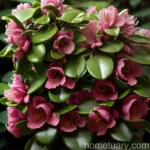
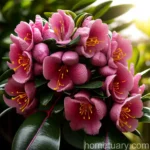
Azaleas are a diverse group of flowering shrubs that belong to the genus Rhododendron. They are known for their stunning clusters of vibrant flowers and are popular in gardens and landscapes around the world. In this comprehensive guide, we will focus on a particular variety of azalea known as ‘Camilla’s Blush’ (scientific name: Rhododendron ‘Camilla’s Blush’). This cultivar is renowned for its delicate, blush-pink flowers and is a favorite among gardeners and horticulturists.
Throughout this guide, we will delve into various aspects of the ‘Camilla’s Blush’ azalea, including its culture, uses, care requirements, propagation methods, common diseases and pests, and much more. Whether you are a seasoned gardener or a novice plant enthusiast, this guide will equip you with the knowledge and expertise to cultivate and care for this beautiful azalea variety.

Key Takeaways – Azalea (Rhododendron ‘Camilla’s Blush’)
Before we dive into the specifics of caring for the ‘Camilla’s Blush’ azalea, let’s summarize the key takeaways for quick reference:
- Plant Name: Rhododendron ‘Camilla’s Blush’
- Botanical Family: Ericaceae
- Common Name: Azalea
- Flower Color: Blush-pink
- Growth Habit: Compact, mounded shrub
- Hardiness Zone: 6-9
- Bloom Time: Spring to early summer
- Light Requirements: Partial shade to full sun
- Soil pH: Acidic (pH 4.5-6.0)
- Mature Size: 3-4 feet in height and spread
- Uses: Landscaping, borders, containers
- Disease Resistance: Moderate
Now, let’s explore each of these key points in detail.
Culture
Uses
The ‘Camilla’s Blush’ azalea is a versatile shrub that finds various uses in garden landscapes and horticultural settings. Some common uses include:
- Landscaping: The vibrant, blush-pink flowers of the ‘Camilla’s Blush’ azalea make it an excellent choice for adding color and visual interest to garden landscapes. It can be planted as a standalone specimen or used in mixed border plantings.
- Borders and Edging: The compact growth habit of this azalea variety makes it well-suited for creating neat borders and edging along pathways and garden beds.
- Container Planting: Due to its manageable size and attractive blooms, ‘Camilla’s Blush’ azalea is often grown in containers on patios, decks, and balconies.
Water
Proper watering is essential for the health and vigor of ‘Camilla’s Blush’ azaleas. Here are some key points to consider regarding watering:
- Moisture Requirements: Azaleas prefer consistently moist, well-draining soil. During the growing season, water the plants regularly, especially during dry spells. However, it’s crucial to avoid waterlogging, as waterlogged soil can lead to root rot and other issues.
- Mulching: Applying a layer of organic mulch around the base of the azalea can help retain soil moisture and regulate soil temperature. Mulching also aids in weed suppression and improves overall soil health.
Sunlight
The ‘Camilla’s Blush’ azalea’s sunlight requirements play a pivotal role in its growth and blooming. Consider the following factors when providing sunlight for these shrubs:
- Light Exposure: Azaleas thrive in partial shade to dappled sunlight. While they can tolerate some morning sun, they generally prefer protection from the intense afternoon sun, especially in hotter climates.
- Filtering Sunlight: When planting ‘Camilla’s Blush’ azaleas, consider positioning them under high-canopy trees or near structures that provide gentle, filtered sunlight. This helps mimic their natural woodland habitat and creates an ideal growing environment.
Fertilizer
Fertilizing azaleas is crucial for promoting healthy growth and abundant flowering. Here are some tips for fertilizing ‘Camilla’s Blush’ azaleas effectively:
- Acidic Fertilizer: Azaleas have specific nutritional needs and thrive in acidic soil conditions. Therefore, it’s essential to use a specialized acidic fertilizer formulated for acid-loving plants. These fertilizers typically contain a balance of essential nutrients, with an emphasis on maintaining low pH levels.
- Application Timing: Apply fertilizer to ‘Camilla’s Blush’ azaleas in early spring, just as new growth begins. It’s best to avoid late-season fertilization, as this can stimulate new growth that may be susceptible to cold damage in winter.
Soil
The soil composition and pH level significantly influence the health and performance of ‘Camilla’s Blush’ azaleas. Consider the following soil-related recommendations for optimal plant growth:
- Acidic Soil: Azaleas have a strong preference for acidic soil with a pH range of 4.5 to 6.0. It’s essential to perform a soil test before planting, as this will determine the existing pH level and guide any necessary soil amendments.
- Organic Matter: Amending the soil with organic matter, such as compost, peat moss, or well-rotted leaves, can improve soil structure and fertility. Organic matter also helps acidify the soil and enhances its moisture-retaining capacity.
Pruning
Pruning is a key aspect of azalea maintenance, contributing to the plant’s overall health, shape, and flowering performance. Here are some essential pruning techniques and guidelines for ‘Camilla’s Blush’ azaleas:
- Timing: The best time to prune azaleas, including ‘Camilla’s Blush’, is immediately after the spring flowering period. This allows ample time for new growth to develop and set buds for the following year’s blooms.
- Selective Pruning: Remove any dead or damaged branches, as well as old, woody growth to encourage new, vigorous shoots. Additionally, light shaping and thinning can help maintain an attractive, well-structured plant.
Propagation
Propagating ‘Camilla’s Blush’ azaleas allows gardeners to expand their collection of these beautiful shrubs. Here are some common methods of azalea propagation:
- Stem Cuttings: Propagating azaleas from stem cuttings is a popular and reliable method. Select healthy, non-flowering shoots in late spring or early summer, and root them in a well-draining propagation medium. With proper care, the cuttings will develop roots and can be transplanted into individual pots.
Container Popularity
The compact size and captivating blooms of ‘Camilla’s Blush’ make it an attractive choice for container gardening. Here are some key considerations for growing azaleas in containers:
- Container Selection: Choose a spacious, well-draining container that allows ample room for the azalea’s root system to develop. Ensure that the container has drainage holes to prevent waterlogging.
- Potting Mix: Use a high-quality, acidic potting mix specifically formulated for acid-loving plants. Avoid using standard garden soil, as it may not provide the ideal growing conditions for container-grown azaleas.
Common Diseases
Azaleas are susceptible to certain diseases, and being familiar with these potential issues is crucial for effective disease management. Here are some common diseases that can affect ‘Camilla’s Blush’ azaleas:
- Powdery Mildew: This fungal disease appears as a powdery, white coating on the leaves and shoots, often leading to stunted growth and distorted foliage.
- Leaf Spot: Leaf spot diseases cause dark, irregular spots to form on the leaves, eventually leading to leaf yellowing and premature defoliation.
- Root Rot: Excessive soil moisture, especially in poorly drained soil, can result in root rot, causing the plant to wilt and exhibit overall decline in health.
Disease Diagnosis
When dealing with potential diseases in ‘Camilla’s Blush’ azaleas, accurate diagnosis is essential for implementing the appropriate control measures. Here are some tips for diagnosing azalea diseases:
- Visual Symptoms: Carefully inspect the plant for any abnormal symptoms, such as discolored or distorted leaves, unusual growths, or visible fungal growth.
- Environmental Conditions: Assess the prevailing environmental conditions, including humidity levels, soil moisture, and air circulation, as these factors often influence the development of plant diseases.
Common Pests
In addition to diseases, azaleas can also be affected by various pests that may compromise their health and appearance. Here are some common pests that may target ‘Camilla’s Blush’ azaleas:
- Azalea Lace Bug: These small, winged insects feed on the underside of azalea leaves, causing stippling and discoloration.
- Spider Mites: Spider mites are tiny arachnids that may infest azaleas, sucking sap from the leaves and causing stippling and webbing.
- Caterpillars: Certain caterpillar species, including the azalea caterpillar, may feed on azalea foliage, leading to defoliation and aesthetic damage.
Botanist’s Tips
Aiming for an optimal growing environment and providing attentive care are essential for the successful cultivation of ‘Camilla’s Blush’ azaleas. Here are some additional tips for growing and maintaining these beautiful shrubs:
- Regular Monitoring: Routinely inspect the plants for signs of pests, diseases, or nutritional deficiencies. Early detection allows for timely intervention and effective management.
- Mulch Application: Apply a layer of organic mulch around the base of the azalea, keeping it several inches away from the main stem. This helps conserve soil moisture, suppresses weeds, and enhances soil health.
- Pruning Frequency: While azaleas benefit from regular pruning, it’s essential to avoid over-pruning, as this can compromise future blooming. Focus on selective, targeted pruning to maintain a balanced and healthy plant structure.
Fun Facts
- The name “azalea” is derived from the Greek word “azaleos,” which means “dry.”
- Azaleas belong to the same genus, Rhododendron, as rhododendrons, and are often referred to as “deciduous rhododendrons.”
- Some azalea species are native to Asia, while others are native to North America. They exhibit a diverse range of growth habits, flower colors, and environmental preferences.
Links to External Resources
For further information on azalea care, varieties, and gardening tips, consider exploring the following external resources:
- American Azalea Society
- The Azalea Society of America
- Royal Horticultural Society: Azaleas and Rhododendrons
In conclusion, ‘Camilla’s Blush’ azalea (Rhododendron ‘Camilla’s Blush’) is a captivating and versatile shrub that has much to offer to gardeners and plant enthusiasts. By understanding its cultural requirements, best practices for care and maintenance, and potential challenges, you can create an environment where this beautiful azalea variety thrives and continues to grace your garden with its stunning blooms.
Whether you are considering adding ‘Camilla’s Blush’ azalea to your landscape or seeking to enhance the growth of existing plants, the insights provided in this guide will serve as a valuable resource for the successful cultivation of this beloved garden favorite.
Remember, the journey of nurturing and appreciating azaleas is as rewarding as the sight of their vibrant, blush-pink flowers in full bloom.
This blog post is brought to you by Botanical Insights, where we explore the fascinating world of plants and share expert advice on horticulture, botany, and plant science.