Avocado (Persea Americana)
As a plant scientist, I am fascinated by the diversity and versatility of plants. In this article, I will delve into the captivating world of the avocado.
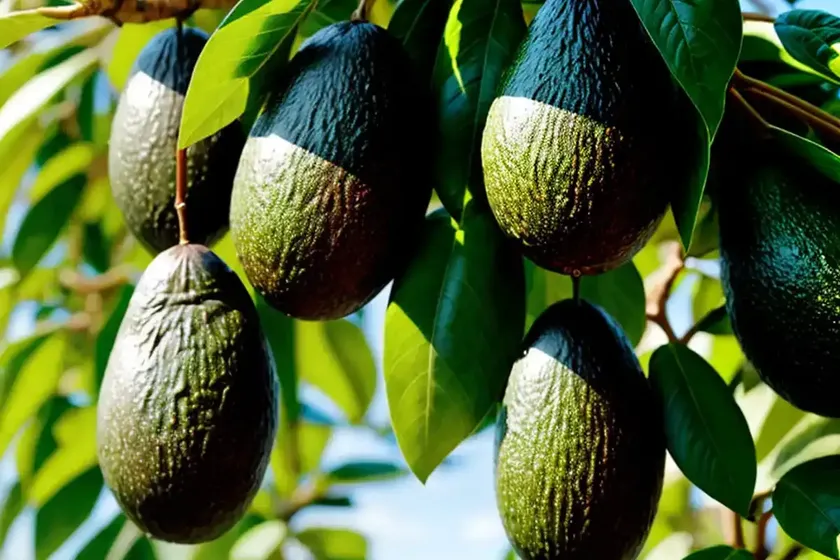
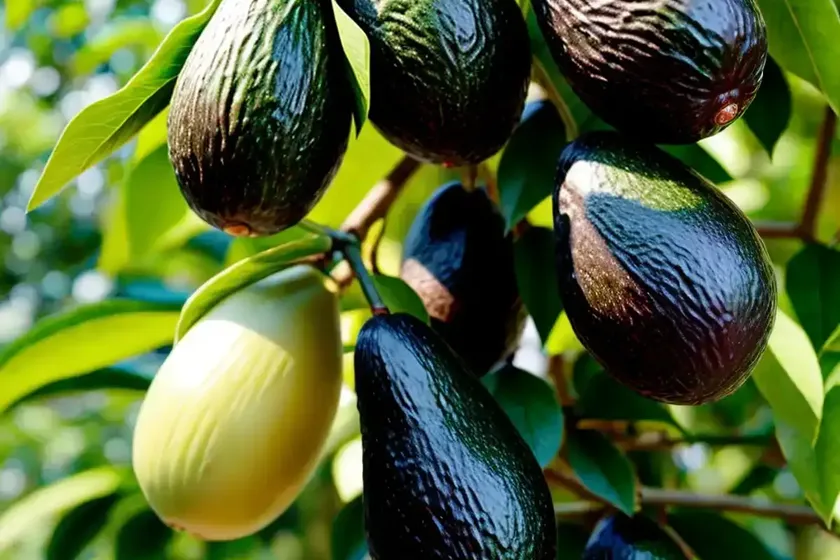
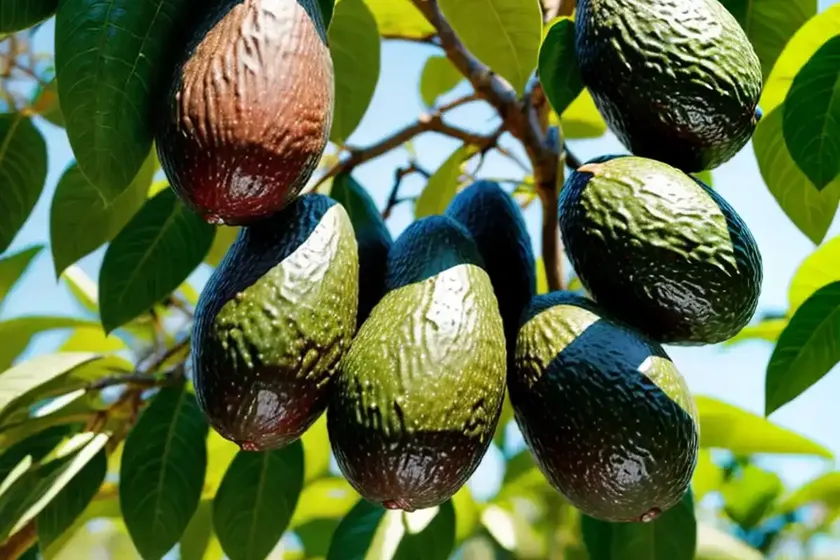
As a plant scientist, I am fascinated by the diversity and versatility of plants. In this article, I will delve into the captivating world of the avocado plant, scientifically known as Persea americana. Avocado is a popular fruit worldwide, known for its rich, creamy texture and numerous health benefits. We will explore the cultural significance, uses, cultivation requirements, common diseases, and pests affecting the avocado plant. Additionally, I will provide valuable tips for caring for and maintaining avocado trees and share some fun facts about this remarkable plant. So, let’s embark on this journey to unravel the secrets of the avocado plant.
What is Avocado (Persea americana)?
Avocado (Persea americana) is a member of the Lauraceae family, native to south-central Mexico. This evergreen tree is cultivated for its pear-shaped fruit, which is widely appreciated for its high nutrient content and culinary versatility. The avocado tree typically reaches a height of 30 to 40 feet, with large, leathery leaves and small, greenish-yellow flowers. The fruit of the avocado tree, botanically classified as a berry, contains a single large seed, surrounded by creamy, buttery flesh.
Key Takeaways – Avocado (Persea americana)
Before we dive into the intricate details of avocado cultivation and care, let’s outline the key takeaways about this remarkable plant.
- Avocado trees (Persea americana)
- Avocado varieties and fruit
- Avocado cultivation and benefits
- Nutritional value and culinary uses
- Growing tips and plant care
- Common diseases and pest control
- Plant maintenance and propagation
Now, let’s explore the various aspects of the avocado plant, from its cultural significance to its maintenance and care requirements.
Culture
The cultural significance of the avocado plant spans centuries and continents. Indigenous peoples of Mesoamerica, including the Aztecs and the Mayans, revered the avocado for its nutritional value and attributed special significance to the fruit. Avocado has been an integral part of traditional Mexican cuisine, where it is used in dishes such as guacamole and as a topping for tacos and salads.
In modern times, the avocado has gained global popularity, becoming a staple ingredient in various cuisines around the world. The rich, creamy texture of the fruit has made it a favorite in salads, sandwiches, smoothies, and as a topping for toast. Avocado oil, extracted from the fruit, is also prized for its health benefits and culinary uses.
Uses
The uses of the avocado plant are diverse and extend beyond culinary applications. The fruit is celebrated for its high nutrient content, particularly its healthy fats and vitamins. Avocado is often promoted as a superfood due to its potential to improve heart health, support weight management, and provide essential nutrients such as potassium and vitamins E, K, and C.
Apart from its edible fruit, the avocado tree is valued for its wood, which is occasionally used in woodworking and carpentry. Additionally, avocado seeds are sometimes ground into powder and used in traditional herbal medicine for their potential health benefits.
Water
The water requirements for avocado trees vary depending on factors such as climate, soil type, and tree age. Avocado trees are sensitive to both excessive moisture and prolonged drought, making it essential to strike a balance in watering practices.
Watering Instructions for Avocado Trees
- Newly planted avocado trees require regular watering to establish a healthy root system. Water young trees every 2 to 3 days, ensuring that the soil remains consistently moist but not waterlogged.
- Mature avocado trees should be watered deeply, providing enough water to penetrate the root zone, which typically extends to a depth of 12 to 18 inches. Water mature trees deeply but infrequently, allowing the soil to dry out slightly between watering sessions.
Proper irrigation is crucial to the health and productivity of avocado trees, as inadequate watering can lead to stress, poor fruit development, and increased susceptibility to diseases.
Sunlight
Avocado trees thrive in warm, subtropical climates, where they receive plenty of sunlight to support growth and fruit production. An important consideration when planting avocado trees is selecting a location that provides ample sunlight throughout the day.
Sunlight Requirements for Avocado Trees
- Avocado trees require at least 6 to 8 hours of sunlight daily to flourish and produce high-quality fruit.
- When planting avocado trees, choose a location with full sun exposure, preferably away from buildings or other large trees that may cast shade on the avocado tree.
Insufficient sunlight can lead to weak, leggy growth and reduced fruit yield in avocado trees. Therefore, ensuring proper sunlight exposure is vital for the health and productivity of these trees.
Fertilizer
Proper fertilization is essential for the healthy growth and development of avocado trees. Avocado trees have specific nutrient requirements, and providing the appropriate fertilizers at the right times is crucial for ensuring optimal growth and fruit production.
Fertilization Guidelines for Avocado Trees
- Use a balanced, slow-release fertilizer formulated for fruit trees, applying it according to the manufacturer’s instructions.
- Avoid excessive nitrogen fertilization, as it can lead to excessive vegetative growth at the expense of fruit production.
- Apply fertilizer in late winter or early spring, just before the start of the growing season, and again in late spring or early summer to support fruit development.
Fertilization practices play a significant role in the overall health and productivity of avocado trees, and a well-executed fertilization regimen can lead to robust growth and abundant fruit harvests.
Soil
The soil requirements for avocado trees are crucial for their long-term health and productivity. Avocado trees prefer well-draining, slightly acidic soil that is rich in organic matter.
Ideal Soil Conditions for Avocado Trees
- Plant avocado trees in loamy or sandy loam soil that provides good drainage to prevent waterlogging, which can lead to root rot.
- Soil pH for avocado trees should ideally range from 6 to 7, slightly acidic to neutral.
- Incorporate organic matter such as compost or well-rotted manure into the soil at planting and as a top dressing in subsequent years to maintain soil fertility.
Healthy, well-aerated soil is essential for the development of a strong root system and robust growth in avocado trees. Providing the right soil conditions can contribute to the overall vigor and productivity of avocado trees.
Pruning
Pruning is an essential aspect of avocado tree maintenance, shaping the tree for optimal growth, fruit production, and overall health. Proper pruning practices can improve air circulation, sunlight penetration, and fruit quality.
Pruning Guidelines for Avocado Trees
- Prune young avocado trees to establish a strong, well-balanced framework of scaffold branches. This early pruning sets the stage for a well-structured, productive tree.
- Remove dead, diseased, or crossing branches to maintain a healthy, open canopy and minimize the risk of disease spread.
- Prune for size control and to promote fruiting wood, removing excessive growth that may overshadow the lower, fruit-bearing branches.
Pruning avocado trees is best done during the dry season to reduce the risk of disease transmission and promote rapid healing of pruning wounds. Following proper pruning guidelines can improve the overall structure and productivity of avocado trees.
Propagation
Avocado trees are commonly propagated from seeds, although this method does not guarantee true-to-type offspring. To ensure the characteristics of specific avocado varieties, grafting is the preferred propagation method.
Propagation Techniques for Avocado Trees
- Seed propagation: Avocado seeds can be sprouted to grow into new trees, but the resulting plants may exhibit significant genetic variability.
- Grafting: T-budding or grafting onto suitable rootstocks is the preferred propagation method to maintain the characteristics of specific avocado varieties.
Grafting allows for the propagation of desired avocado varieties with known fruit quality and characteristics, ensuring consistency and predictability in the resulting trees.
Container Popularity
Avocado trees are increasingly popular as container plants, particularly in regions where the climate may not be suitable for year-round outdoor cultivation. Growing avocado trees in containers allows for greater control over environmental conditions and facilitates indoor cultivation.
Considerations for Container-Grown Avocado Trees
- Select a large, sturdy container with sufficient drainage holes to prevent waterlogging and ensure healthy root development.
- Use a well-draining potting mix formulated for container plants to provide adequate aeration and moisture retention.
- Position container-grown avocado trees in a location with ample sunlight and protect them from drafts and temperature extremes.
Growing avocado trees in containers can be a rewarding experience, providing the opportunity to cultivate these remarkable plants in a wide range of environments, including indoor spaces.
Common Diseases
Avocado trees may be susceptible to various diseases that can affect their overall health and productivity. Understanding the symptoms and management strategies for common avocado tree diseases is crucial for maintaining the vigor of these plants.
Disease Diagnosis and Management
- Anthracnose: Identified by small, sunken lesions on leaves and fruit. Manage through sanitation, proper watering, and application of fungicides if necessary.
- Root rot (Phytophthora cinnamomi): Causes decline and wilting of foliage. Manage through proper drainage, avoiding overwatering, and selecting rootstock tolerant to Phytophthora.
- Avocado sunblotch: Characterized by yellow or red discoloration of leaves. There is no cure, so prevention through sourcing disease-free planting material is essential.
Understanding the signs and symptoms of common avocado tree diseases is crucial for prompt diagnosis and implementing effective management strategies to minimize their impact on tree health.
Common Pests
Avocado trees may be susceptible to various pests that can damage foliage, affect fruit quality, and compromise overall tree health. Identifying and managing common avocado tree pests is essential for preserving the vitality of these plants.
Pest Identification and Control
- Avocado lace bug (Pseudacysta perseae): Causes stippling and yellowing of leaves. Control through horticultural oil applications and introducing predatory insects.
- Avocado thrips: Feeds on fruit and foliage, causing scarring and distortion. Control with beneficial insect releases and selective insecticide applications.
- Avocado mite: Feeds on leaves, causing bronzing and defoliation. Control with horticultural oil applications and predatory mite releases.
Implementing integrated pest management practices can help mitigate the impact of common avocado tree pests, protecting the trees from potential damage and promoting their overall health.
Botanist’s Tips
As a plant scientist, I have gathered valuable insights and tips for cultivating and caring for avocado trees. These recommendations draw on scientific knowledge and practical experience to support the successful growth and productivity of these remarkable plants.
Botanist’s Recommendations for Avocado Tree Care
- Selecting varieties: Choose avocado varieties suited to the local climate and growing conditions, considering factors such as cold tolerance and fruit quality.
- Pollination: Understand the pollination requirements of avocado trees and plant suitable pollinizer varieties to ensure consistent fruit set.
- Integrated pest management: Implement cultural, biological, and chemical control measures judiciously to manage pests and diseases while minimizing environmental impact.
- Soil health: Maintain soil fertility and structure through regular soil testing, organic amendments, and mulching to support the long-term vigor of avocado trees.
Following these botanist’s tips can contribute to the successful cultivation, maintenance, and productivity of avocado trees, enhancing their ornamental and culinary value.
Fun Facts
In addition to its nutritional and cultural significance, the avocado plant offers fascinating insights and fun facts that highlight its uniqueness and appeal. These fun facts contribute to a deeper appreciation of the avocado plant and its contribution to human well-being.
Intriguing Aspects of the Avocado Plant
- Ancient origins: The avocado has a long history, with evidence of human consumption dating back thousands of years in Mesoamerica.
- Shade tolerance: While avocado trees thrive in full sun, they can also tolerate partial shade, making them versatile landscape plants.
- Ethylene production: Avocados release ethylene, a natural plant hormone, which can accelerate the ripening of other fruits when stored together.
- Avocado varieties: There are hundreds of avocado varieties, ranging from small, smooth-skinned fruits to large, knobby cultivars.
Exploring these fun facts about the avocado plant adds depth to our understanding of its ecological, cultural, and culinary significance, reinforcing its status as a truly remarkable plant.
Links to External Resources
For further information on avocado cultivation, care, and plant health, you can explore the following reputable resources.
- University of California Agriculture and Natural Resources – Avocado Production
- University of Florida IFAS Extension – Avocado Growing in the Florida Home Landscape
- California Rare Fruit Growers – Avocado Growing and Cultivation
The resources provided offer valuable insights into avocado cultivation, tree care, disease and pest management, and other aspects of growing this iconic fruit tree.
In conclusion, the avocado (Persea americana) is a captivating plant with a rich history, diverse uses, and distinct cultivation requirements. Whether grown for its delicious fruit, as an ornamental tree, or for its potential health benefits, the avocado holds a special place in the world of horticulture and culinary arts. By understanding the cultural significance, care instructions, disease management, and fun facts about the avocado plant, we can foster appreciation for this extraordinary botanical gem.
As a plant scientist, my passion for studying and promoting the well-being of plants drives me to share knowledge and insights that elevate our understanding of the natural world. I hope this exploration of the avocado plant has provided a deeper appreciation for this remarkable species and inspired curiosity about the diversity of plant life.
Happy gardening and may your avocado trees flourish and yield bountiful harvests!
“`


