Australian Violet (Viola Hederacea)
The Australian violet (Viola hederacea) is a delightful and versatile plant that has captivated gardeners and botanists alike. Known for its charming.
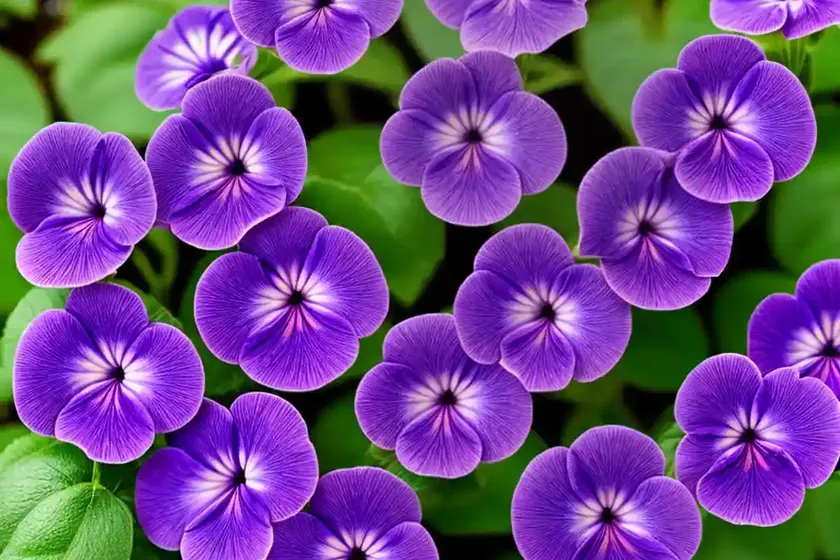
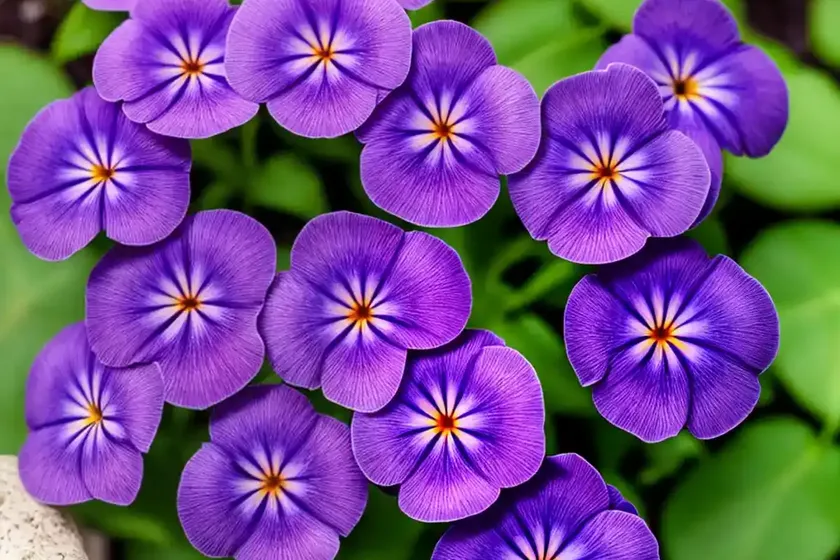
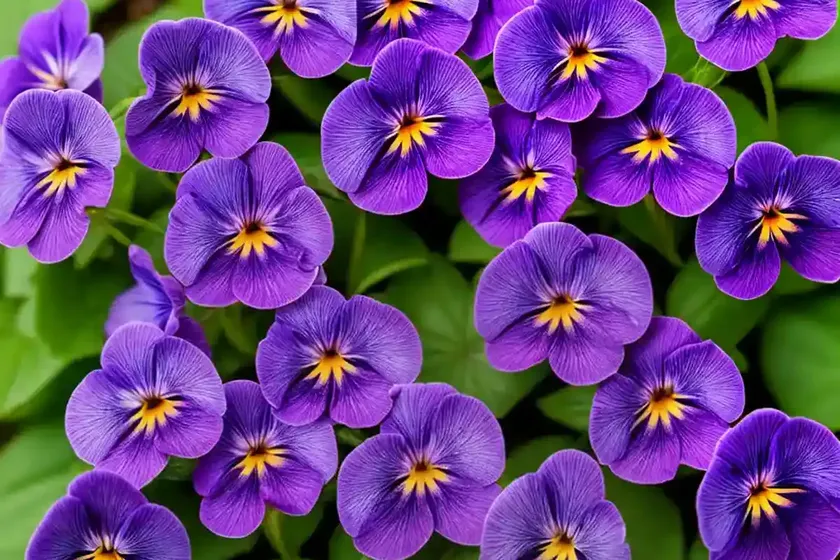
The Australian violet (Viola hederacea) is a delightful and versatile plant that has captivated gardeners and botanists alike. Known for its charming violet blooms and lush, trailing foliage, this species has not only caught the eye of flower enthusiasts but also connoisseurs of natural remedies due to its medicinal properties. In this guide, we will explore the many facets of the Australian violet, from its cultural significance and care requirements to its ecological value and fascinating folklore.
What is the Australian Violet (Viola hederacea)?
The Australian violet (Viola hederacea) is a perennial herbaceous plant belonging to the Violaceae family. This species is native to Australia and is commonly found in its eastern regions, where it thrives in diverse habitats ranging from damp forests to open woodlands and coastal heathlands. It is characterized by its heart-shaped leaves and delicate, five-petaled flowers that come in shades of violet, purple, and occasionally white.
This low-growing plant forms dense mats of foliage and produces an abundance of dainty flowers, making it a popular choice for ground cover and ornamental gardening. While its aesthetic appeal is undoubtedly charming, the Australian violet also holds significance in traditional medicine and is cherished for its therapeutic properties.
Key Takeaways – Australian Violet (Viola hederacea)
Before delving into the various aspects of Australian violet care and usage, let’s summarize the key takeaways regarding this remarkable plant:
- Botanical Name: Viola hederacea
- Common Name: Australian violet
- Characteristics: Low-growing, trailing foliage, heart-shaped leaves, small violet or white flowers
- Cultural Uses: Ornamental gardening, traditional medicine, wildlife attractant
- Water Requirements: Moderate, consistently moist soil
- Sunlight Needs: Partial shade to full sun
- Fertilizer: Light feeding during the growing season
- Soil Requirements: Well-draining, fertile soil
- Pruning: Occasional trimming to maintain shape and encourage dense growth
- Propagation: Easily propagated from seeds or division
- Container Gardening: Well-suited for containers and hanging baskets
- Common Diseases: Susceptible to rust and mildew
- Common Pests: Aphids, slugs, and snails
- Fun Facts: Widely used in traditional herbal medicine and has ethnographic significance
With these key points in mind, let’s explore each aspect of Australian violet care and usage in more detail.
Culture
Water
The Australian violet thrives in consistently moist soil, making it well-suited for shaded areas and woodland gardens. It is essential to water the plant regularly, especially during dry spells or periods of prolonged heat. However, care should be taken to avoid waterlogging, as excessively wet conditions can lead to root rot and other fungal diseases.
Sunlight
In terms of sunlight requirements, the Australian violet prefers partial shade to full sun, although it can tolerate a wide range of light conditions. When grown in cooler climates, it can withstand more sun exposure, while in regions with hot summers, partial shade is ideal to protect the plant from scorching.
Fertilizer
Australian violets are light feeders and generally require minimal fertilization. A balanced, water-soluble fertilizer applied at half-strength every 4-6 weeks during the growing season is usually sufficient to support healthy growth and flowering. It is essential to avoid over-fertilization, which can lead to excessive foliage at the expense of flowers.
Soil
Well-draining, fertile soil is crucial for the Australian violet’s health and vigor. A loose, well-aerated mixture rich in organic matter provides an ideal growing medium for this species. Adding compost or aged manure to the soil can improve its structure and fertility, promoting robust growth and abundant blooms.
Uses
Pruning
Pruning the Australian violet is primarily done to maintain its compact, trailing habit and encourage a bushier growth form. Regular deadheading of spent flowers not only prolongs the blooming period but also prevents the plant from self-seeding excessively. Additionally, periodic trimming of straggly or leggy stems helps maintain a neat and tidy appearance.
Propagation
Propagation of the Australian violet is relatively straightforward and can be achieved through various methods:
- Seed Propagation: Sow seeds in a well-prepared seedbed in spring or fall. Lightly cover the seeds with soil and keep the area consistently moist until germination occurs.
- Division: Divide mature clumps of Australian violets in early spring or fall, ensuring that each division consists of healthy roots and shoots. Replant the divisions at the same depth as the parent plant and water thoroughly.
Container Gardening
Due to its trailing growth habit and aesthetic appeal, the Australian violet is an excellent choice for container gardening. When grown in hanging baskets or pots, it cascades gracefully over the edges, creating a charming display of foliage and flowers. Using a well-draining potting mix and providing adequate moisture and light will ensure the plant’s success in containers.
Popularity
The Australian violet has garnered widespread popularity among gardeners and plant enthusiasts for several reasons, including:
- Ornamental Appeal: Its striking flowers and trailing foliage make it a beautiful addition to gardens and landscapes.
- Adaptability: It can thrive in various light conditions and is well-suited for both indoor and outdoor cultivation.
- Medicinal Properties: The plant’s traditional uses in herbal medicine have heightened its appeal to those interested in natural remedies and alternative therapies.
Common Diseases
The Australian violet is susceptible to certain diseases that can impact its growth and overall health. The most common diseases affecting this plant include:
- Rust: Rust infections manifest as orange or brown spots on the undersides of leaves and can weaken the plant if left unaddressed. Applying a copper-based fungicide and improving air circulation can help manage and prevent rust.
- Mildew: Powdery mildew, characterized by the presence of white, powdery patches on leaves, can occur in humid environments. Pruning to promote better airflow and using a fungicidal spray can help control mildew outbreaks.
Disease Diagnosis
Early detection and accurate diagnosis of plant diseases are crucial for effective management. Keep an eye out for the following symptoms, which may indicate the presence of disease in Australian violets:
- Discolored or distorted leaves
- Spots, lesions, or powdery patches on foliage
- Stunted growth or wilting
- Unusual discoloration or lack of vigor in the plant
Prompt action, such as adjusting growing conditions, implementing cultural controls, or using targeted treatments, can help mitigate the impact of diseases on the plant’s health.
Common Pests
In addition to diseases, Australian violets are susceptible to infestations by common garden pests, including:
- Aphids: These small, soft-bodied insects feed on plant sap and can cause distortion or yellowing of leaves. Encouraging natural predators, such as ladybugs, and using insecticidal soaps can help manage aphid populations.
- Snails and Slugs: These mollusks feed on the foliage of Australian violets, leaving behind ragged edges on leaves. Physical barriers, such as copper tape or diatomaceous earth, can deter snails and slugs from reaching the plants.
Maintaining a vigilant approach to pest monitoring and employing integrated pest management strategies can minimize the damage caused by these common garden nuisances.
Botanist’s Tips
Growing Tips
When cultivating Australian violets, consider the following botanist-approved tips to ensure optimal growth and blooming:
- Consistent Moisture: Maintain a steady level of soil moisture, avoiding extended periods of dryness or waterlogged conditions.
- Mulching: Apply a layer of organic mulch around the base of the plants to conserve moisture, suppress weeds, and protect the roots from temperature fluctuations.
- Air Circulation: Create a well-ventilated growing environment to reduce the risk of fungal diseases and promote overall plant health.
Fun Facts
The Australian violet (Viola hederacea) is more than just a pretty garden plant—it possesses intriguing cultural, medicinal, and ecological significance:
- Medicinal Uses: Australian indigenous communities traditionally used extracts of the Australian violet for its healing properties, employing it as a treatment for various ailments.
- Wildlife Attractant: The flowers of the Australian violet serve as a nectar source for pollinators, such as butterflies and bees, contributing to the biodiversity of the surrounding ecosystem.
- Ethnobotanical Significance: The plant holds cultural value and has been used in art, storytelling, and traditional ceremonies, reflecting its significance in indigenous cultures.
Links to External Resources
To further enrich your understanding of the Australian violet and explore diverse perspectives on its cultivation, uses, and ecological role, consider the following external resources:
- Royal Botanic Gardens Victoria – Viola hederacea
- Australian National Botanic Gardens – Australian Plants as Bonsai
- Australian Native Plants Society (Australia) – Growing Australian Plants
- Flora of Victoria – Viola hederacea
- PlantNet – Australian Violet (Viola hederacea) Fact Sheet
By consulting these resources, you can gain valuable insights into the Australian violet’s taxonomy, ecology, and horticultural significance.
Conclusion
The Australian violet (Viola hederacea) represents a multifaceted botanical treasure, admired for its aesthetic allure, ecological contributions, and cultural resonance. Whether utilized in ornamental plantings, traditional remedies, or ecological restoration efforts, this charming species continues to captivate and enrich our lives in myriad ways. Understanding and appreciating the nuances of Australian violet care and usage can empower us to cultivate and celebrate this remarkable plant while fostering its conservation and cultural legacy.
As we venture into the realm of gardening and botany, let us embrace the profound interconnectedness between plants and people, honoring the contributions of species like the Australian violet to our shared natural heritage.
Through the exploration of its diverse facets—from its ornamental value to its traditional uses and ecological relevance—we uncover a world of wonder encapsulated in the delicate beauty of the Australian violet.
So let us sow the seeds of knowledge, tend the gardens of understanding, and nurture the blossoms of appreciation for the enchanting Australian violet.
Note: This blog post is intended for informational purposes only and does not replace professional advice. Always consult a qualified horticulturist or botanist for specific guidance on caring for plants and addressing potential health concerns.


