Australian-laurel (Pittosporum Tobira)
As a plant scientist, I am excited to delve into the world of Australian-laurel (Pittosporum tobira) and provide a comprehensive guide on its care and.
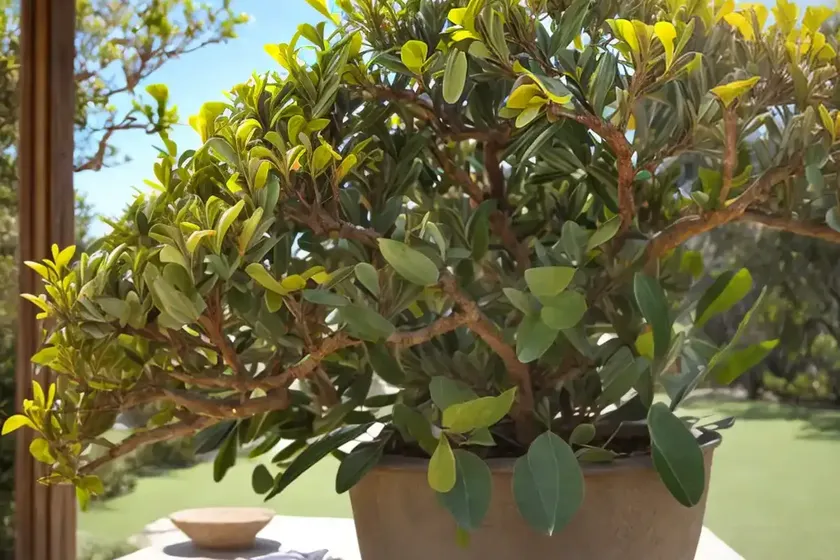
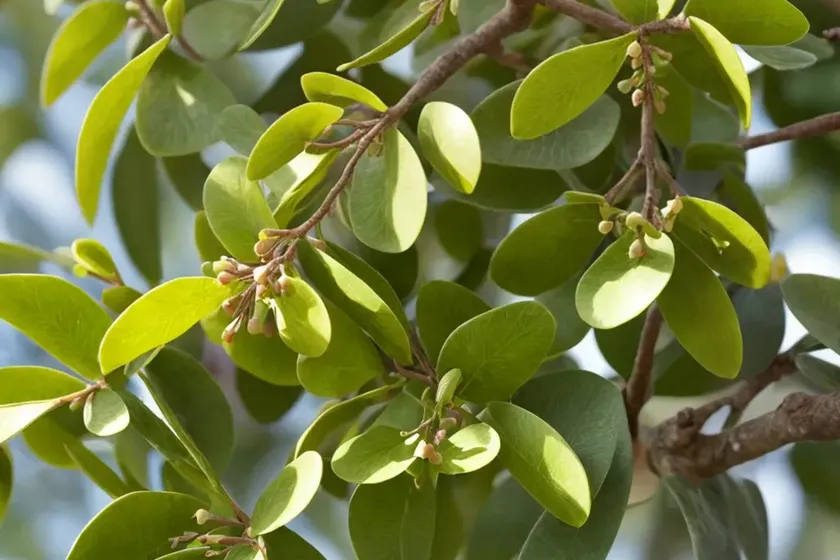
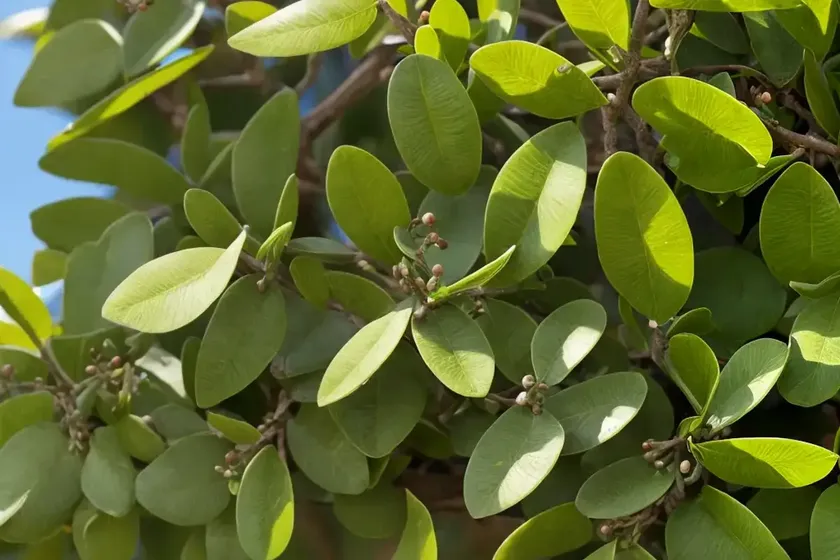
As a plant scientist, I am excited to delve into the world of Australian-laurel (Pittosporum tobira) and provide a comprehensive guide on its care and cultivation. This evergreen shrub, known for its lush foliage, fragrant flowers, and versatile uses, is a popular choice for landscaping and gardening enthusiasts. From its cultural requirements to common diseases and pest control, this guide aims to cover all aspects of nurturing and maintaining the Australian-laurel.
What is Australian-laurel (Pittosporum tobira)?
Australian-laurel, scientifically known as Pittosporum tobira, is a species of flowering plant in the Pittosporaceae family. Native to Japan, China, and Korea, this evergreen shrub has found widespread popularity in various regions across the globe due to its ornamental features and adaptability to different climates.
The Australian-laurel is characterized by its glossy, leathery leaves, which emit a pleasant fragrance when crushed, and clusters of small, creamy-white flowers that bloom in spring and summer. The plant is valued not only for its aesthetic appeal but also for its versatility in landscaping, making it suitable for hedges, borders, and container gardening.
Key Takeaways – Australian-laurel (Pittosporum tobira)
Before diving into the specific care guidelines for Australian-laurel, let’s take a closer look at the key takeaways for this plant, covering its cultural requirements, uses, and common maintenance practices.
Culture
Australian-laurel is a versatile plant that thrives in various settings, from coastal landscapes to urban gardens. Its cultural requirements include:
- Water: Well-drained soil and regular watering, especially during the establishment phase and dry periods.
- Sunlight: Prefers full sun to partial shade, making it adaptable to different light conditions.
- Fertilizer: Benefits from balanced fertilizer application during the growing season to support healthy growth and flowering.
- Soil: Thrives in fertile, slightly acidic to slightly alkaline soil with good drainage.
- Pruning: Regular pruning to maintain shape and encourage bushy growth.
Uses
The Australian-laurel is valued for its diverse uses in landscaping and gardening, including:
- Hedging: Forms dense, attractive hedges due to its lush foliage and compact growth habit.
- Container Gardening: Well-suited for container planting, adding a touch of greenery to patios and balconies.
- Border Planting: Creates defined borders and adds visual interest to garden beds.
- Fragrant Flowers: Produces sweet-smelling flowers that attract pollinators, adding to the garden’s biodiversity.
Water
- Requirements: Moderate water needs; regular watering is essential, especially during the establishment period and dry spells.
- Drainage: Well-drained soil is crucial to prevent waterlogging, which can lead to root rot.
Sunlight
- Light Conditions: Thrives in full sun to partial shade, making it adaptable to a wide range of light conditions.
- Shade Tolerance: Can tolerate periods of shade but performs best with ample sunlight.
Fertilizer
- Balanced Nutrition: Benefits from periodic application of balanced fertilizer during the growing season to support healthy growth and flowering.
- Fertilizer Types: Consider using a slow-release or organic fertilizer for sustained nutrient availability.
Soil
- pH Preferences: Thrives in slightly acidic to slightly alkaline soil with a pH range of 6.0 to 7.5.
- Drainage: Requires well-drained soil to prevent waterlogging and root problems.
- Soil Amendments: Incorporating organic matter can improve soil structure and fertility.
Pruning
- Maintenance: Regular pruning to maintain shape, remove dead or damaged branches, and promote bushy growth.
- Timing: Prune after the flowering period to avoid cutting off potential flower buds for the following season.
Propagation
- Methods: Propagates easily from semi-hardwood cuttings or seeds, making it accessible for home gardeners.
- Optimal Conditions: Propagation is most successful in well-draining propagation mix and moderate humidity.
Container Popularity
- Adaptability: Well-suited for container gardening, adding greenery and fragrance to outdoor spaces.
- Container Size: Select appropriately sized containers with drainage holes to support the plant’s growth.
- Care: Regular watering and occasional fertilizing are essential for container-grown Australian-laurel.
Common Diseases
- Potential Issues: Susceptible to fungal diseases, including root rot and leaf spot, especially in poorly drained or overly wet conditions.
- Preventive Measures: Proper sanitation, well-drained soil, and good air circulation can help prevent disease development.
Disease Diagnosis
- Symptoms: Watch for signs of wilting, leaf discoloration, and abnormal growth as potential indicators of disease.
- Identification: Consult with local extension services or plant health experts for accurate diagnosis and treatment recommendations.
Common Pests
- Pest Types: May attract aphids, scale insects, and mealybugs, especially in stressed or crowded growing conditions.
- Integrated Pest Management: Implement holistic pest control strategies, such as natural predators and horticultural oils, to manage pest populations.
Botanist’s Tips
- Native Habitat: Originating in East Asia, the Australian-laurel adapts well to diverse environments outside its native range.
- Fragrance: The crushed leaves of Australian-laurel emit a pleasant fragrance, contributing to its appeal in gardens and landscapes.
- Pollinator Attraction: The fragrant flowers of Australian-laurel attract bees and other pollinators, supporting biodiversity in the garden.
Fun Facts
- The species name “tobira” is derived from the Japanese word for door, referencing the traditional use of Pittosporum tobira as a hedging plant to frame entrances and pathways.
- Australian-laurel’s ability to withstand coastal conditions makes it a popular choice for gardens near the sea, where it provides wind protection and visual interest.
Links to External Resources
To enhance your knowledge and understanding of Australian-laurel (Pittosporum tobira), I recommend exploring the following resources:
- Royal Horticultural Society: Pittosporum tobira
- University of Florida IFAS Extension: Pittosporum tobira
- Missouri Botanical Garden: Pittosporum tobira
- Australian National Botanic Gardens: Pittosporum tobira
This comprehensive guide aims to provide valuable insights and practical advice for anyone interested in cultivating and caring for Australian-laurel. Whether you are a novice gardener or an experienced horticulturist, I hope this resource empowers you to foster healthy, thriving Australian-laurel plants in your own garden or landscape.


