Australian Cheesewood (Pittosporum Undulatum)
Plants play a crucial role in our ecosystem, providing oxygen, food, and habitat for countless organisms. Each plant species has its own unique set of.
Introduction
Plants play a crucial role in our ecosystem, providing oxygen, food, and habitat for countless organisms. Each plant species has its own unique set of characteristics and requirements, making them fascinating subjects to study and cultivate. In this comprehensive guide, we will delve into the world of the Australian Cheesewood (Pittosporum Undulatum), exploring its culture, uses, maintenance, and much more. As a plant scientist, I am excited to share my knowledge and expertise on this remarkable species.
What is Australian Cheesewood (Pittosporum Undulatum)?
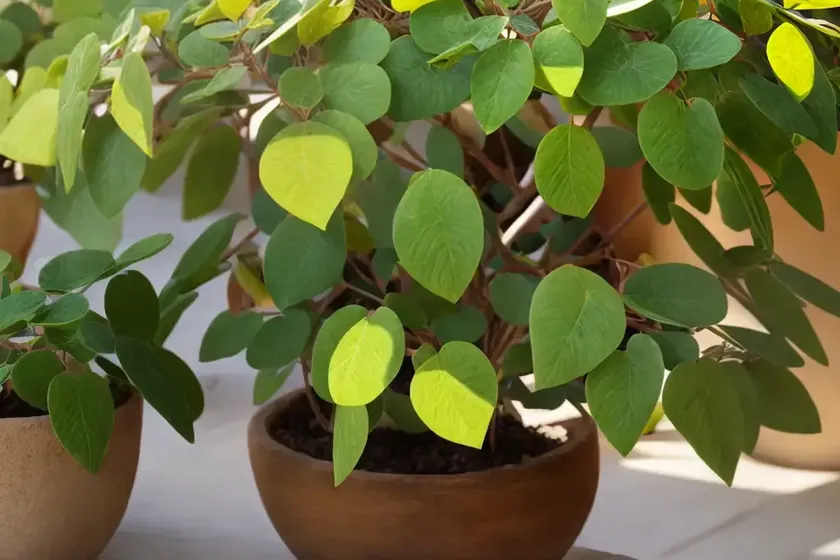
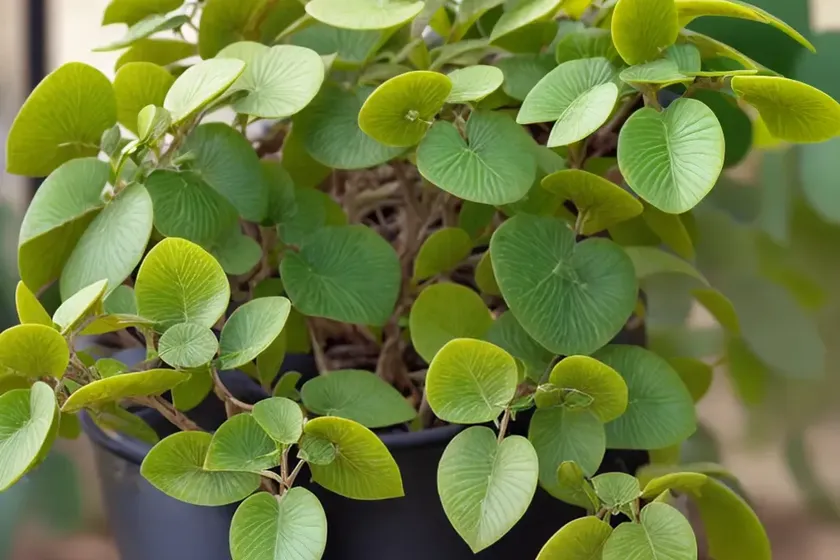
The Australian Cheesewood, scientifically known as Pittosporum Undulatum, is a species of evergreen tree that belongs to the Pittosporaceae family. It is native to Australia, where it thrives in a variety of habitats, from coastal regions to mountainous areas. The plant is known for its attractive foliage, fragrant flowers, and versatile uses in landscaping and horticulture.
Key Takeaways – Australian Cheesewood (Pittosporum Undulatum)
Before we delve into the specific aspects of Australian Cheesewood care and cultivation, let’s highlight some key takeaways about this fascinating plant.
- Scientific Name: Pittosporum Undulatum
- Common Name: Australian Cheesewood
- Family: Pittosporaceae
- Native Habitat: Australia
- Growth Habit: Evergreen tree
- Uses: Ornamental landscaping, wildlife habitat, erosion control
- Characteristics: Fragrant flowers, fresh foliage, drought tolerance
With these fundamental details in mind, let’s explore the various aspects of Australian Cheesewood’s cultivation and maintenance.
Culture
Water
Australian Cheesewood trees are relatively drought-tolerant once established, making them suitable for regions with limited water availability. However, young plants require regular watering to promote healthy root development. It is important to strike a balance, ensuring that the soil does not become waterlogged, which can lead to root rot.
Sunlight
These trees thrive in full sun to partial shade, displaying optimal growth and flowering potential when provided with ample sunlight. When selecting a planting location, consider the specific sunlight requirements of Australian Cheesewood to promote vigorous and healthy plant growth.
Fertilizer
During the growing season, a balanced fertilizer can be applied to Australian Cheesewood trees to support their overall health and vitality. Opt for a fertilizer with a NPK ratio tailored to woody plants to provide essential nutrients without overstimulating excessive foliage growth.
Soil
Australian Cheesewood trees prefer well-draining soil with a slightly acidic to neutral pH. Loamy or sandy soils are well-suited for their cultivation, allowing for proper aeration and moisture retention. Before planting, amend the soil with organic matter to enhance its fertility and structure.
Pruning
Regular pruning is beneficial for Australian Cheesewood trees to maintain their shape, promote airflow, and remove dead or diseased branches. Prune the tree in late winter or early spring before the new growth emerges. Avoid drastic pruning, as it may affect the tree’s natural form and flowering capacity.
Propagation
The propagation of Australian Cheesewood can be achieved through various methods, including seed propagation, cuttings, and air layering. Each approach offers unique advantages and challenges, allowing growers to choose the most suitable method based on their resources and expertise.
Container Popularity
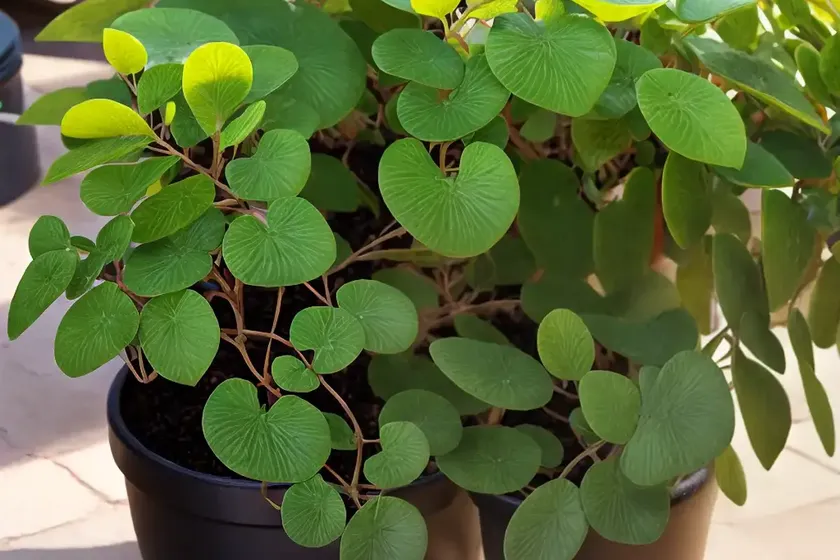
While Australian Cheesewood trees are typically grown in outdoor landscapes, they can also thrive in containers when provided with adequate space, sunlight, and care. Container-grown specimens can be utilized to enhance patios, courtyards, and other confined spaces with their ornamental beauty.
Common Diseases
Like any plant species, Australian Cheesewood trees are susceptible to certain diseases and health issues. By understanding these common ailments, growers can take proactive measures to prevent and manage potential problems effectively.
-
Leaf Spot: Fungal infections can cause unsightly leaf spots on Australian Cheesewood, impacting its overall aesthetics. Regular monitoring and proper ventilation can help minimize the risk of leaf spot diseases.
-
Powdery Mildew: Under humid conditions, powdery mildew may affect the foliage of Australian Cheesewood trees, leading to a distinctive powdery white growth on the leaves. Ensuring proper air circulation and avoiding overhead watering can mitigate the risk of powdery mildew.
-
Root Rot: Overly wet soil conditions can predispose Australian Cheesewood to root rot, jeopardizing the tree’s health and stability. Implementing well-draining soil and appropriate watering practices is essential to prevent this detrimental condition.
Disease Diagnosis
When observing signs of disease or distress in Australian Cheesewood trees, accurate diagnosis is crucial for implementing targeted treatment strategies. By carefully examining the symptoms and considering environmental factors, growers can narrow down the potential causes and take informed actions.
-
Leaf Inspection: Check the foliage for discoloration, spots, or unusual patterns, which can provide clues about fungal or bacterial infections.
-
Root Evaluation: Assess the root system for signs of decay, excessive moisture, or poor drainage, indicating potential root-related issues such as rot or fungal infections.
-
Environmental Analysis: Consider factors such as humidity levels, sunlight exposure, and soil moisture to identify any stressors that may contribute to the tree’s declining health.
Common Pests
Pests can pose significant challenges to the wellbeing of Australian Cheesewood trees, requiring vigilant monitoring and integrated pest management approaches to mitigate their impact. By familiarizing oneself with the common pests that target this species, growers can implement proactive measures to safeguard their trees.
-
Aphids: These tiny sap-sucking insects can infest the tender shoots and foliage of Australian Cheesewood, potentially causing leaf distortion and reduced vitality. Natural predators and horticultural oils can help manage aphid populations.
-
Scale Insects: Scale insects may attach themselves to the bark and stems of the tree, feeding on its sap and compromising its overall vigor. Pruning heavily infested branches and applying insecticidal soaps can aid in scale control.
-
Caterpillars: Certain caterpillar species can feed on the leaves of Australian Cheesewood, leading to visible defoliation and aesthetic damage. Bacillus thuringiensis (Bt) products can be used to target caterpillars while minimizing harm to beneficial insects.
Botanist’s Tips
As a plant scientist with expertise in the cultivation and study of diverse plant species, I have curated a set of valuable tips for effectively caring for Australian Cheesewood trees.
-
Regular Monitoring: Engage in consistent observation of the tree’s foliage, stems, and overall growth to promptly identify any signs of stress, disease, or pest activity.
-
Appropriate Pruning: When pruning Australian Cheesewood, prioritize selective and strategic cuts to maintain its natural form and encourage healthy regrowth.
-
Balanced Nutrition: Utilize fertilizers with balanced nutrient ratios tailored to woody plants to support the tree’s long-term health and resilience.
-
Watering Best Practices: Implement a watering regimen that aligns with the tree’s moisture requirements, accounting for factors such as soil type, weather conditions, and seasonal variations.
-
Integrated Pest Management: Adopt an integrated approach to pest control, incorporating cultural, biological, and minimal chemical interventions to manage pest populations sustainably.
Fun Facts
To further appreciate the allure and uniqueness of Australian Cheesewood, let’s delve into some intriguing and lesser-known facts about this remarkable plant species.
-
Wildlife Habitat: Australian Cheesewood trees serve as valuable habitats for diverse wildlife, offering shelter and food sources for birds, insects, and other organisms.
-
Drought Tolerance: With its ability to thrive in arid conditions, Australian Cheesewood demonstrates impressive drought tolerance, contributing to its resilience in various environments.
-
Fragrant Flowers: The blossoms of Australian Cheesewood emit a delightful fragrance, attracting pollinators and adding olfactory charm to outdoor spaces.
Links to External Resources
For individuals keen on delving deeper into the world of Australian Cheesewood and expanding their knowledge through reputable sources, the following links provide valuable insights and information.
In conclusion, Australian Cheesewood (Pittosporum Undulatum) stands as a captivating and versatile plant species with numerous horticultural, ecological, and aesthetic merits. By understanding its cultural requirements, uses, and unique attributes, enthusiasts and professionals alike can cultivate and appreciate this tree to its fullest potential.
With a blend of scientific insights, practical recommendations, and intriguing facts, this guide aims to foster a deeper appreciation for Australian Cheesewood and inspire a proactive approach to its care and conservation.
As we continue to explore the diverse realm of plants and their profound impact on our world, let us celebrate the remarkable beauty and resilience of Australian Cheesewood, a cherished addition to our botanical tapestry.
Note: The information and perspectives presented in this article are based on the knowledge and experience of a plant scientist specializing in botany and horticulture. Individual circumstances and environmental variations may influence specific plant care practices, and it is advisable to consult local horticultural resources and professionals for tailored guidance.


