Astrantia Maxima (Largest Masterwort)
Plants are a fascinating and essential part of our ecosystem. They come in an incredible variety of shapes, sizes, and forms, each with its own unique.
Plants are a fascinating and essential part of our ecosystem. They come in an incredible variety of shapes, sizes, and forms, each with its own unique characteristics and requirements. In this comprehensive guide, we will explore the intricacies of Astrantia maxima, also known as the Largest Masterwort. From its cultural preferences to its uses in landscaping and garden design, this article aims to provide a holistic understanding of this beautiful plant.
What is Astrantia Maxima (Largest Masterwort)?
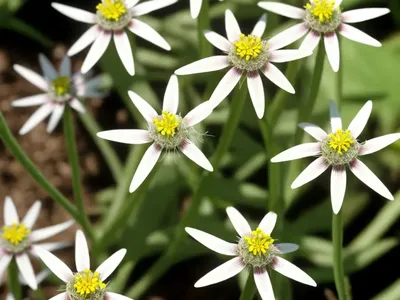
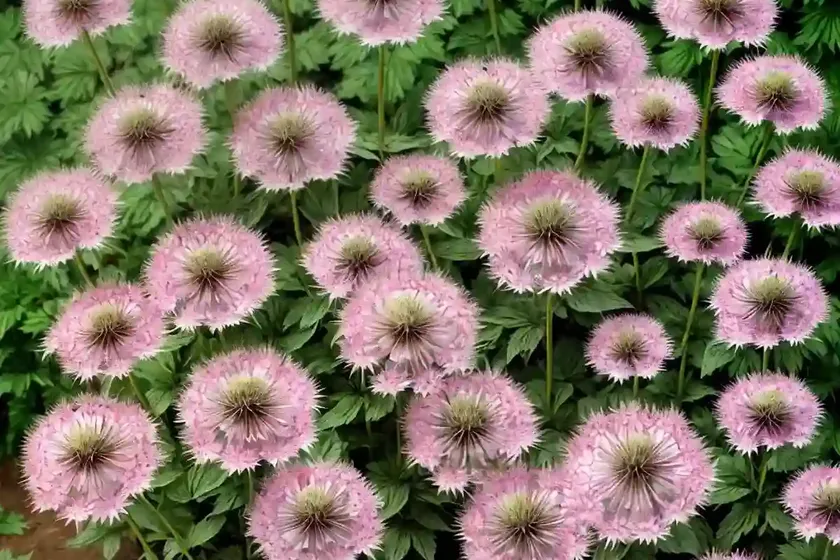
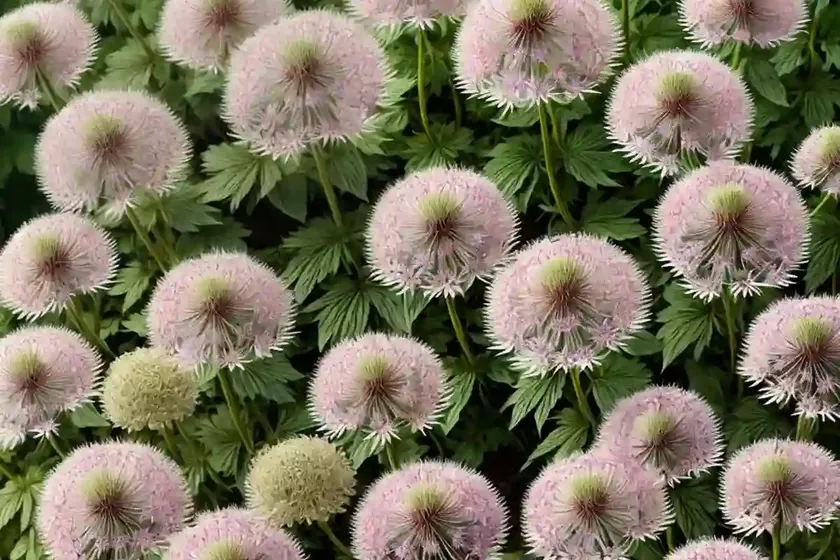
Astrantia maxima is a herbaceous perennial plant that belongs to the Apiaceae family. It is native to central and eastern Europe, where it thrives in woodland areas, meadows, and along stream banks. This striking plant is revered for its intricate and delicate flowers, which bloom in a variety of colors, including pale pinks, deep reds, and pure whites. The botanical name “Astrantia” is derived from the Greek word “aster,” meaning star, which aptly describes the arrangement of the plant’s tiny flowers.
With its exquisite blooms and ornamental foliage, Astrantia maxima has found its way into gardens and landscapes around the world, adding a touch of elegance and charm to any setting.
Key Takeaways – Astrantia Maxima (Largest Masterwort)
Let’s delve into the specific aspects of caring for Astrantia maxima, including its cultural preferences, uses, and maintenance requirements.
Culture
- Scientific Name: Astrantia maxima
- Common Name: Largest Masterwort
- Family: Apiaceae
- Origin: Central and Eastern Europe
- Type: Herbaceous Perennial
- Hardiness: USDA Zones 4-7
Uses
- Landscaping: Astrantia maxima is a popular choice for perennial borders, woodland gardens, and naturalized settings due to its attractive flowers and foliage.
- Cut Flowers: The striking and long-lasting blooms of Astrantia maxima make it a favorite for floral arrangements and cut flower production.
- Medicinal Properties (Potential): While not extensively documented, some traditional uses of Astrantia species include medicinal applications, particularly in traditional herbal medicine.
Water
- Watering Frequency: Consistent moisture is essential, especially during the growing season. Ensure the plant does not experience prolonged drought periods.
Sunlight
- Light Requirements: Astrantia maxima prefers partial shade to full shade, particularly in regions with hot summers.
Fertilizer
- Fertilization: Apply a balanced, organic fertilizer in spring to support healthy growth and prolific flowering.
Soil
- Soil Type: Well-draining, rich loamy soil is ideal for Astrantia maxima.
- pH Levels: Slightly acidic to neutral soil is preferred.
Pruning
- Maintenance: Regular deadheading and removal of spent foliage can encourage prolonged flowering.
- Seasonal Pruning: Cut back the foliage and stems to ground level in late fall or early spring.
Propagation
- Propagation Methods: Astrantia maxima can be propagated through division or by sowing seeds in spring or fall.
Container Popularity
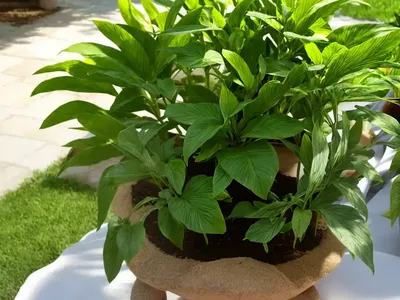
- Container Gardening: Due to its compact growth habit, Astrantia maxima can thrive in containers, adding a touch of elegance to patios and balconies.
Common Diseases
- Powdery Mildew: Watch for signs of powdery mildew, which can affect Astrantia maxima in humid conditions.
- Leaf Spot: Proper sanitation and adequate air circulation can help prevent fungal leaf spot diseases.
Disease Diagnosis
- Visual Symptoms: Monitor the foliage for irregular spotting, discoloration, or powdery residues, which can indicate fungal infections.
Common Pests
- Aphids: Keep an eye out for aphid infestations, particularly during the growing season.
- Spider Mites: These tiny pests can cause stippling and webbing on the undersides of leaves.
Botanist’s Tips
- Companion Plants: Pair Astrantia maxima with shade-loving companions such as hostas, ferns, and heucheras for a harmonious woodland garden.
- Naturalizing: In suitable conditions, Astrantia maxima can naturalize and form attractive colonies over time.
Fun Facts
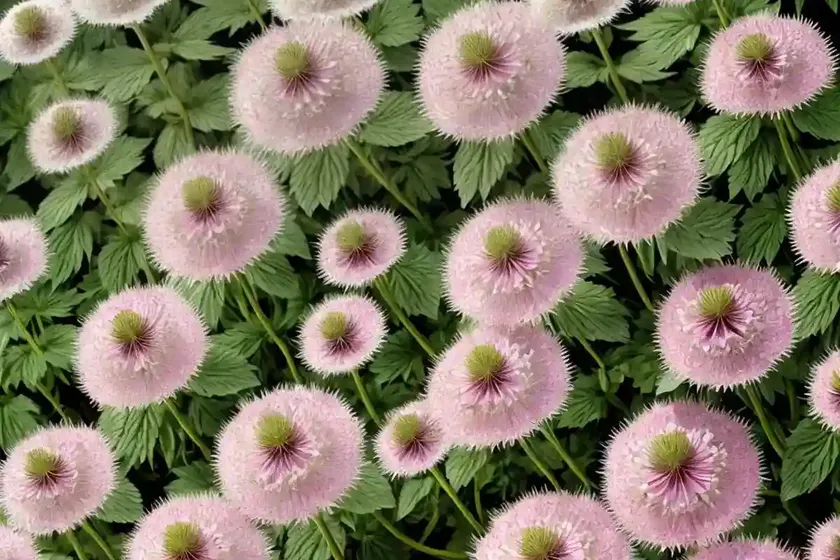
- The intricate, star-shaped flowers of Astrantia maxima have earned it the nickname “Hattie’s pincushion” in some regions.
- In folklore, Astrantia species are associated with various symbolic meanings, including protection and strength.
Now that we’ve covered the essential aspects of Astrantia maxima, let’s explore additional resources and references for further insight and learning.
Links to External Resources
- Royal Horticultural Society (RHS) – Astrantia maxima Plant Care Guide
- Missouri Botanical Garden – Growing and Care of Astrantia
- University of Maryland Extension – Astrantia: A Versatile Cut Flower
These resources offer valuable insights into the cultivation, uses, and potential benefits of integrating Astrantia maxima into various gardening and landscaping scenarios.
In conclusion, Astrantia maxima is a captivating ornamental plant with a rich cultural history and a multitude of practical applications. Whether adorning the shaded corners of a garden or enlivening floral arrangements, the Largest Masterwort holds a special place in the world of horticulture. By understanding its specific requirements and potential uses, gardeners and enthusiasts can fully appreciate the beauty and resilience of this charming perennial.
By providing in-depth information on the care and cultivation of Astrantia maxima, this article aims to serve as a comprehensive resource for plant enthusiasts, gardeners, and horticulture professionals. From its water and sunlight requirements to its potential uses in garden design and landscaping, the Largest Masterwort offers a wealth of possibilities for those seeking to enhance their outdoor spaces with its graceful presence.