Astrantia Major ‘Penny’s Pink’ (Great Masterwort)
Astrantia major ‘Penny’s Pink’, commonly known as Great Masterwort, is a stunning perennial plant that belongs to the Apiaceae family. This elegant plant.
Astrantia major ‘Penny’s Pink’, commonly known as Great Masterwort, is a stunning perennial plant that belongs to the Apiaceae family. This elegant plant is celebrated for its intricate blooms and its versatility in various garden settings. In this comprehensive guide, we will delve deep into the characteristics, care requirements, propagation techniques, and the significance of Astrantia major ‘Penny’s Pink’ in horticulture and beyond.
What is Astrantia major ‘Penny’s Pink’?
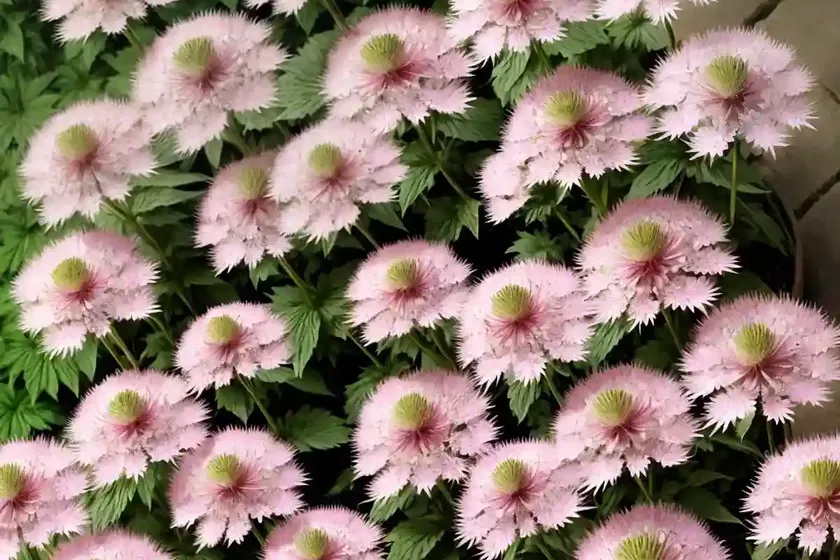
Astrantia major, also known as Great Masterwort, is a herbaceous perennial that is native to central and eastern Europe, predominantly found in woodlands and meadows. Its common name, Masterwort, is derived from its historical medicinal use. ‘Penny’s Pink’ is a popular cultivar of Astrantia major, known for its enchanting pink and creamy-white flowers. The delicate, star-shaped blooms are surrounded by distinctive papery bracts, creating a captivating and ethereal appearance in the garden.
Key Takeaways – Astrantia major ‘Penny’s Pink’
- Plant Name: Astrantia major ‘Penny’s Pink’ (Great Masterwort)
- Botanical Name: Astrantia major
- Cultivar: ‘Penny’s Pink’
- Family: Apiaceae
- Common Name: Great Masterwort
- Sunlight: Partial shade to full shade
- Water: Medium moisture, well-drained soil
- Soil: Rich, fertile, well-draining soil
- Height: 18-24 inches
- Spread: 18-24 inches
- Bloom Time: Late spring to early summer
- USDA Hardiness Zones: 4-7
- Uses: Borders, woodland gardens, cut flowers
- Attracts: Bees, butterflies
Plant Characteristics
Flower Structure and Color
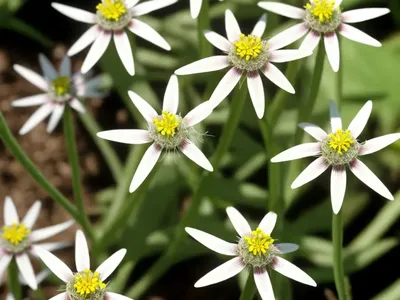
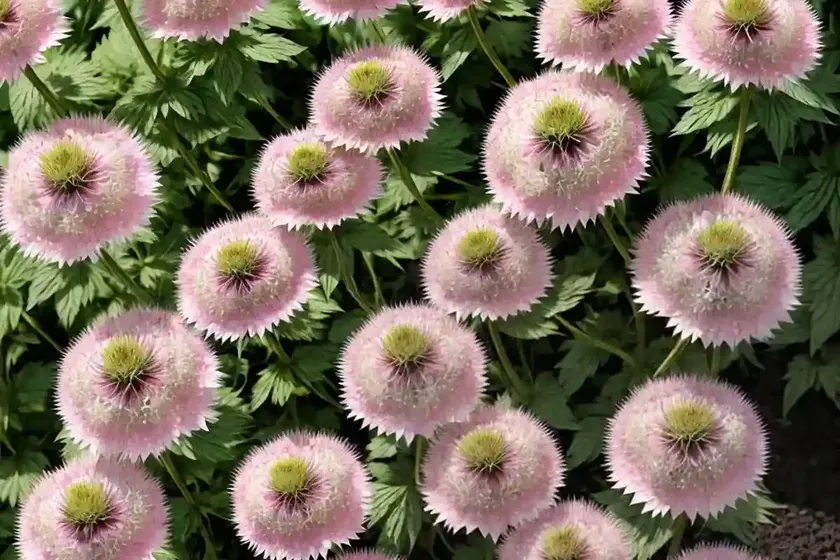
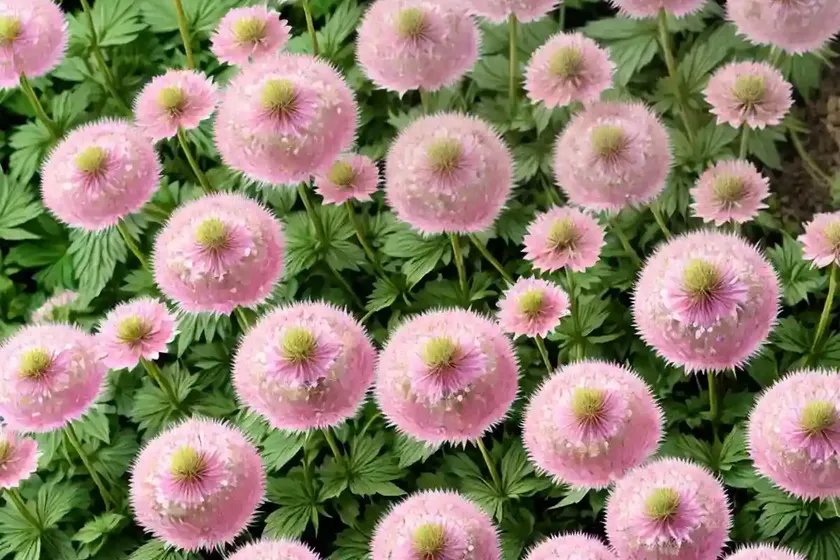
The enchanting blooms of Astrantia major ‘Penny’s Pink’ are the plant’s main attraction. The unique inflorescence consists of tiny, star-shaped flowers surrounded by prominent, petal-like bracts, creating a captivating and intricate appearance. ‘Penny’s Pink’ specifically offers delicate pink flowers nestled amidst creamy-white bracts, adding a touch of elegance to any garden setting.
Foliage
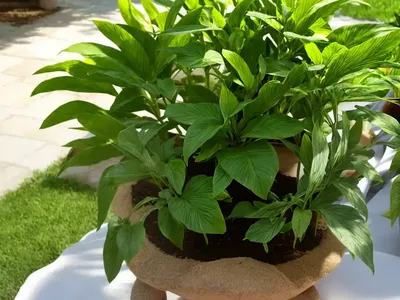
The foliage of Astrantia major ‘Penny’s Pink’ is equally appealing. The deeply lobed, palmate leaves form a lush basal rosette, adding texture and visual interest to the plant. The dark green color of the leaves provides a stunning backdrop for the delicate blooms, enhancing the overall aesthetic appeal of the plant.
Size and Growth Habit
Great Masterwort typically reaches a height and spread of 18-24 inches, creating a compact yet impactful presence in the garden. Its clumping growth habit allows for easy integration into mixed borders, woodland gardens, or container plantings.
Culture
Astrantia major ‘Penny’s Pink’ is relatively low-maintenance and thrives in the right growing conditions. Its cultural requirements, including water, sunlight, soil, and fertilizer, play a crucial role in ensuring its health and vitality.
Water
Proper watering is essential to the well-being of Astrantia major ‘Penny’s Pink’. It thrives in medium moisture levels, but it’s important to ensure that the soil is well-drained to prevent waterlogging, which can lead to root rot. During hot and dry periods, regular watering is recommended to maintain adequate soil moisture.
Sunlight
In terms of sunlight, Astrantia major ‘Penny’s Pink’ prefers partial to full shade. While it can tolerate some morning sun, especially in cooler climates, it generally thrives in locations with dappled or filtered sunlight, such as beneath deciduous trees or along the edges of woodland areas.
Fertilizer
Maintaining nutrient-rich soil is beneficial for the optimal growth and blooming of Astrantia major ‘Penny’s Pink’. Prior to planting, amending the soil with organic matter, such as compost or well-rotted manure, can provide essential nutrients. Additionally, applying a balanced, slow-release fertilizer in early spring and again after the first flush of blooms can further support the plant’s vigor and flowering capacity.
Soil
A well-draining, fertile soil is crucial for the successful cultivation of Astrantia major ‘Penny’s Pink’. It thrives in rich, humus-rich soil with a slightly acidic to neutral pH. Ensuring good aeration and water infiltration is important, as it prevents waterlogged conditions that can be detrimental to the plant’s health.
Pruning
Proper pruning not only helps maintain the plant’s shape and aesthetics but also supports healthy growth and flowering. Pruning Astrantia major ‘Penny’s Pink’ involves the removal of spent blooms and damaged foliage. Deadheading, which involves the removal of faded flowers, can prolong the blooming period and encourage the development of new blooms. Additionally, cutting back the entire plant to ground level in late fall or early spring can promote vigorous regrowth and ensure a tidy appearance.
Propagation
Division
Astrantia major ‘Penny’s Pink’ can be propagated through division, making it possible to create new plants and rejuvenate mature ones. Division is typically carried out in early spring or early autumn when the plant is not actively flowering. The process involves carefully lifting the plant and dividing the clumps into smaller sections, each with a portion of the roots and foliage. These divisions can then be replanted in prepared soil, where they will establish and thrive.
Seed Propagation
Growing Astrantia major ‘Penny’s Pink’ from seeds is also a viable propagation method. To do this, collect the mature seeds from the spent flower heads and sow them in a prepared seedbed or individual pots. The seeds should be covered lightly with soil and kept moist until germination occurs. Once the seedlings have developed several sets of true leaves, they can be transplanted to their permanent positions in the garden.
Container Gardening
Astrantia major ‘Penny’s Pink’ is well-suited for container gardening, where its compact size and captivating blooms can be showcased on patios, balconies, or in smaller garden spaces. When growing ‘Penny’s Pink’ in containers, it’s important to use a high-quality, well-draining potting mix and to provide regular watering and fertilization throughout the growing season. Additionally, placing the containers in locations with partial to full shade best replicates the plant’s preferred growing conditions.
Popular Varieties
Aside from ‘Penny’s Pink’, several other cultivars of Astrantia major offer a diverse range of colors and characteristics, allowing for creative combinations in garden designs and landscaping. Some popular varieties include:
- Astrantia major ‘Roma’: Known for its deep red blooms.
- Astrantia major ‘Buckland’: Featuring pale pink flowers surrounded by green-tinged bracts.
- Astrantia major ‘Star of Fire’: Displaying rich, deep pink flowers.
Common Uses and Garden Design
Borders and Edging
The captivating blooms and lush foliage of Astrantia major ‘Penny’s Pink’ make it an excellent choice for border plantings or edging within garden beds. Its compact size and clumping growth habit allow it to create a charming and cohesive border, either on its own or when combined with other perennial plants.
Woodland Gardens
Given its natural habitat in woodlands and meadows, Astrantia major ‘Penny’s Pink’ is perfectly at home in woodland garden settings. When planted among dappled shade and alongside companion plants such as ferns, hostas, and woodland astilbes, it imbues a natural and rustic charm.
Cut Flowers
The enchanting blooms of ‘Penny’s Pink’ also make it a valuable addition to cut flower arrangements. The intricate form and delicate coloration of the flowers add a touch of elegance to floral displays, whether used on their own or combined with other garden blooms.
Wildlife Gardens
Astrantia major ‘Penny’s Pink’ holds an ecological significance in wildlife gardens. Its nectar-rich flowers attract a variety of pollinators, including bees and butterflies, contributing to the overall biodiversity of the garden and supporting these essential insect populations.
Rock Gardens and Ground Cover
The compact nature and aesthetic appeal of ‘Penny’s Pink’ make it an attractive choice for rock gardens and ground cover plantings. Its low-growing habit and tolerance for partial shade make it well-suited for these specific garden environments.
Common Diseases and Pest Control
While generally resistant to most pests and diseases, Astrantia major ‘Penny’s Pink’ may occasionally encounter certain issues that affect its health and appearance. Understanding these potential challenges and implementing appropriate management strategies is key to preserving the plant’s vitality.
Disease Prevention
Practicing good garden hygiene and providing suitable growing conditions are fundamental to disease prevention in Astrantia major ‘Penny’s Pink’. Avoiding overwatering, providing adequate air circulation, and removing any diseased foliage promptly are effective measures to minimize the risk of fungal diseases, such as powdery mildew or leaf spot.
Pest Control
Routine monitoring for common garden pests, such as aphids or spider mites, can help in early pest detection and control. Employing natural predators, such as ladybugs or lacewings, or using organic insecticidal soap can effectively manage pest populations while minimizing harm to beneficial insects and the overall garden ecosystem.
Botanist’s Tips
- Companion Planting: Pairing Astrantia major ‘Penny’s Pink’ with shade-tolerant perennials, such as hostas, ferns, or hellebores, can create visually captivating and harmonious garden compositions. The contrasting foliage and complementary growth habits contribute to the overall aesthetic appeal.
- Seasonal Mulching: Applying a layer of organic mulch around the base of the plant in late fall can help insulate the soil and protect the plant from temperature fluctuations during winter, ensuring its vigor and resilience in the following growing season.
Fun Facts
- In folklore, Astrantia major has been associated with various meanings, including protection, strength, and enchantment.
- The intricate blooms of ‘Penny’s Pink’ bear a resemblance to traditional lacework, earning it the endearing nickname of “Hattie’s Pincushion” in some regions.
Conclusion
Astrantia major ‘Penny’s Pink’, or Great Masterwort, is a captivating perennial plant that boasts intricate blooms, lush foliage, and versatile garden uses. With its enchanting presence in woodland gardens, borders, and cut flower arrangements, ‘Penny’s Pink’ adds a touch of elegance and natural charm to any garden setting. Understanding its cultural requirements, propagation techniques, and ecological significance empowers gardeners to cultivate and appreciate this exquisite plant to its fullest potential.
References
- Royal Horticultural Society. (n.d.). Astrantia major ‘Penny’s Pink’. https://www.rhs.org.uk/Plants/100977/Astrantia-major-Penny-s-Pink/Details
- Missouri Botanical Garden. (n.d.). Astrantia major. https://www.missouribotanicalgarden.org/PlantFinder/PlantFinderDetails.aspx?taxonid=282949
- University of Maryland Extension. (2012). Disease and Insect Pests of Astrantia. https://extension.umd.edu/sites/extension.umd.edu/files/_images/programs/hgic/Publications/HG64%20Disease%20and%20Insect%20Pests%20of%20Astrantia.pdf
By incorporating the nuanced aspects of Astrantia major ‘Penny’s Pink’, from its botanical characteristics to its garden uses and ecological significance, this comprehensive guide aims to provide an enriching and insightful resource for gardening enthusiasts, horticulturists, and plant aficionados. Whether admired for its delicate blooms or its ecological contributions, ‘Penny’s Pink’ stands as a testament to the enduring beauty and significance of botanical diversity in horticulture.