Astrantia Major ‘Gill Richardson’ (Great Masterwort)
Astrantia major ‘Gill Richardson’ is a charming perennial plant that belongs to the Apiaceae family. Commonly known as Great Masterwort, this plant is.
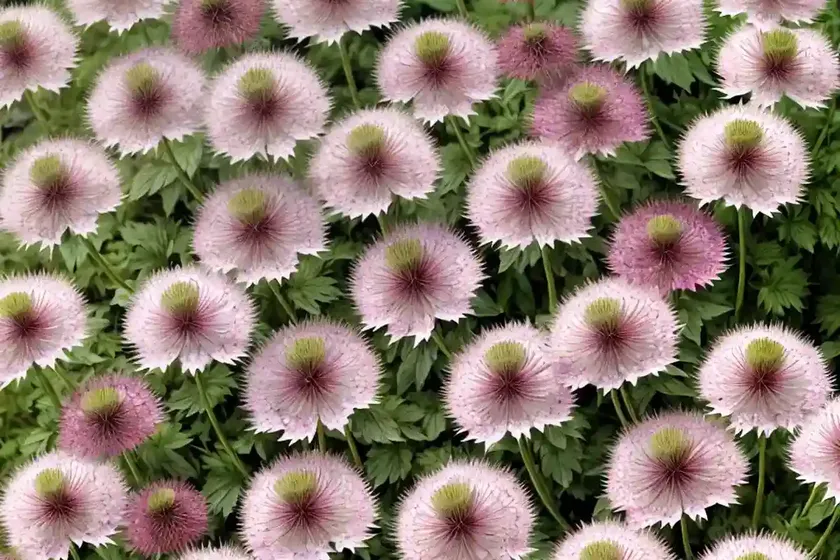
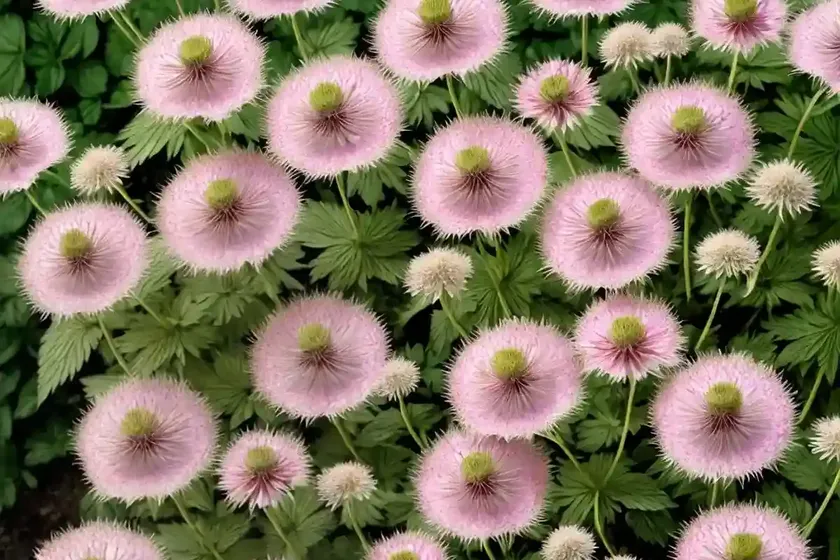
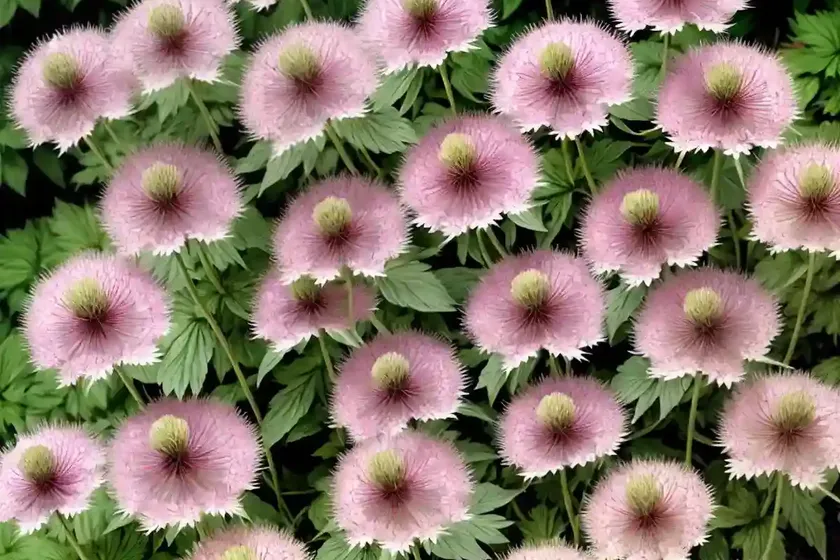
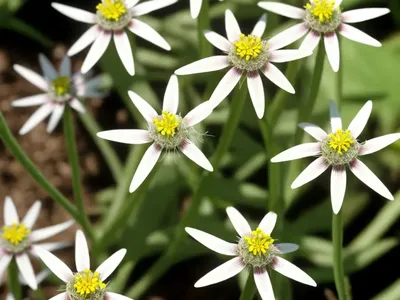
Astrantia major ‘Gill Richardson’ is a charming perennial plant that belongs to the Apiaceae family. Commonly known as Great Masterwort, this plant is adored for its delicate, star-shaped flowers and unique foliage. The botanical name “Astrantia” is derived from the Greek word “aster,” which means star, reflecting the shape of its blossoms.
This article aims to provide comprehensive insights into the cultivation and care of “Astrantia major ‘Gill Richardson'” – covering its culture, uses, water and sunlight requirements, fertilization, soil preferences, pruning techniques, propagation methods, container gardening, common diseases and pests, along with botanist’s tips, fun facts, and links to external resources.
Key Takeaways – Astrantia major ‘Gill Richardson’ (Great Masterwort)
Before delving into the detailed aspects of cultivation and care, let’s explore some key takeaway points about Astrantia major ‘Gill Richardson’:
- Botanical Name: Astrantia major ‘Gill Richardson’
- Common Name: Great Masterwort
- Family: Apiaceae
- Native Habitat: Astrantia major ‘Gill Richardson’ is native to regions in Europe.
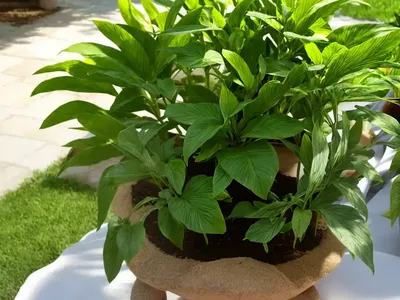
- Characteristics: This perennial herbaceous plant is renowned for its ornamental, star-shaped flowers and deeply lobed, palmate leaves.
- Hardiness Zones: It thrives in hardiness zones 4 to 7, making it suitable for temperate climates.
- Uses: Great Masterwort is popular for its ornamental value in gardens, floral arrangements, and as a pollinator attractor.
Now, let’s dive deeper into specific aspects of cultivating and caring for this exquisite plant.
Culture
Cultivating Astrantia major ‘Gill Richardson’ requires an understanding of its environmental and cultural requirements. From the right amount of sunlight to the ideal soil conditions, each aspect plays a crucial role in the plant’s overall well-being.
Sunlight
Great Masterwort thrives in partial to full shade, making it a perfect addition to shaded garden beds and woodland settings. While it can tolerate some sunlight, particularly during the cooler parts of the day, it generally prefers sheltered locations with dappled sunlight.
Water
Maintaining well-drained soil is essential for the successful cultivation of Astrantia major ‘Gill Richardson.’ Adequate moisture is vital, especially during the plant’s active growth periods and flowering stage. However, it’s important to ensure that the soil does not become waterlogged, as excessive moisture can lead to root rot and other issues.
Soil
This perennial plant thrives in rich, moist, and well-drained soil. It appreciates organic matter in the soil, making it beneficial to amend the planting area with compost or well-rotted manure before planting. Additionally, ensuring a slightly acidic to neutral pH level (around 6.0 to 7.0) in the soil promotes healthy growth and abundant flowering.
Fertilizer
Great Masterwort benefits from a balanced, organic fertilizer applied in early spring as new growth emerges. Incorporating a layer of compost or well-balanced organic fertilizer around the base of the plant provides essential nutrients for robust growth and prolific flowering.
Pruning
To maintain the aesthetic appeal of Astrantia major ‘Gill Richardson’ and encourage prolonged flowering, regular pruning is recommended. Pruning involves the removal of spent flowers and any dead or damaged foliage to promote new growth and improve air circulation around the plant.
Pruning Techniques
- Deadheading: Remove spent flower heads to encourage continuous blooming and prevent self-seeding.
- Cutting Back: In late autumn or early spring, cut back the entire plant to ground level to rejuvenate the foliage and promote new growth. This also helps to prevent the plant from becoming overly leggy.
By incorporating these pruning techniques, gardeners can ensure the plant’s vitality and aesthetics throughout the growing season.
Propagation
Astrantia major ‘Gill Richardson’ can be propagated through various methods, offering opportunities to expand plantings and share its beauty with others. The following methods are commonly used for propagating Great Masterwort:
Division
In early spring or fall, the plant can be divided into smaller sections, each with a portion of the root system and several shoots. These divisions can then be replanted, resulting in new, robust plants. Division not only facilitates propagation but also rejuvenates the parent plant, ensuring vigorous growth.
Seed Propagation
Collecting seeds from mature Astrantia major ‘Gill Richardson’ plants allows for the propagation of new individuals. Sowing the seeds in a prepared seedbed or containers and providing the ideal conditions for germination and seedling growth can yield new plants for the garden.
Container Popularity
The adaptability of Astrantia major ‘Gill Richardson’ to container gardening enhances its popularity among both novice and experienced gardeners. This feature allows the plant to thrive on patios, balconies, and other areas where space may be limited.
Container Care
When cultivating Great Masterwort in containers, it is crucial to select a well-draining potting mix to prevent waterlogging. Additionally, ensuring adequate moisture and providing the right amount of sunlight based on the plant’s preferences are essential for container gardening success. Regular fertilization and attentive watering contribute to the plant’s well-being and sustained growth in containers.
Common Diseases
While Astrantia major ‘Gill Richardson’ is relatively resilient, it is still susceptible to certain diseases that can impact its health and vitality. Being aware of these common diseases and understanding how to diagnose and manage them is crucial for maintaining the plant’s well-being.
Disease Diagnosis
-
Powdery Mildew: This fungal disease manifests as a powdery white coating on the leaves and stems, potentially leading to stunted growth and decreased vigor. Adequate air circulation, proper spacing, and applying fungicidal treatments can help manage this issue.
-
Anthracnose: Characterized by dark, sunken lesions on leaves and stems, anthracnose can affect the overall appearance and health of the plant. Pruning affected parts, promoting good air circulation, and using preventive fungicides can aid in managing this disease.
Common Pests
Great Masterwort may also attract certain pests that can compromise its health and appearance. Understanding these common pests and implementing appropriate pest management strategies is essential for preserving the plant’s vitality.
Pest Management
-
Aphids: These tiny, sap-sucking insects can cluster on the undersides of the leaves and cause distortion and discoloration. Regular monitoring, spraying with insecticidal soap, or encouraging natural predators like ladybugs can help control aphid populations.
-
Slugs and Snails: These mollusks can feed on the foliage and flowers of Astrantia major ‘Gill Richardson,’ leaving behind unsightly damage. Cultural controls such as reducing moisture and using barriers can aid in minimizing slug and snail damage.
Botanist’s Tips
1. Companion Planting
Great Masterwort complements a variety of shade-loving plants, including ferns, hostas, and other woodland perennials. Incorporating these companion plants not only enhances the visual appeal of the garden but also promotes a harmonious growing environment.
2. Wildlife Attraction
The delicate, nectar-rich flowers of Astrantia major ‘Gill Richardson’ attract pollinators such as bees and butterflies, contributing to the biodiversity and ecological balance of the garden. By including this plant in garden designs, enthusiasts can support local pollinator populations and enjoy the sight of buzzing visitors.
Fun Facts
1. Historical Significance
In historical herbal medicine, Astrantia major was used for its purported medicinal properties. While its contemporary uses primarily revolve around ornamental gardening, its historical significance adds an intriguing layer to its botanical story.
2. Floral Arrangements
The unique, intricate blooms of “Astrantia major ‘Gill Richardson'” are prized by floral designers for their distinctive appearance and lasting qualities in cut flower arrangements. Their enchanting presence in bouquets and floral displays adds a touch of elegance and sophistication.
Links to External Resources
For further information and resources related to Astrantia major ‘Gill Richardson’ and its cultivation, the following links can provide valuable insights:
- Royal Horticultural Society – Astrantia major ‘Gill Richardson’
- Missouri Botanical Garden – Astrantia major ‘Gill Richardson’
- University of Illinois Extension – Masterwort (Astrantia)
- Gardening Know How – Tips For Growing Masterwort Plants
By exploring these resources, enthusiasts can gain in-depth knowledge and practical guidance for the successful cultivation and care of Astrantia major ‘Gill Richardson’ in diverse garden settings.
In conclusion, Astrantia major ‘Gill Richardson’ (Great Masterwort) embodies a captivating blend of ornamental appeal, ecological significance, and intriguing cultural history. From its graceful blooms to its adaptability in various garden settings, this perennial plant continues to enchant gardeners and floral enthusiasts alike. By incorporating the recommended cultural practices, propagation techniques, and disease management strategies, individuals can experience the timeless allure of “Astrantia major ‘Gill Richardson'” in their own gardens, enriching their horticultural experiences and fostering a deeper connection with nature.
With its graceful allure and cultural significance, Astrantia major ‘Gill Richardson’ stands as a testament to the enduring appeal of botanical treasures and the art of horticulture.
Remember, the beauty of Astrantia major ‘Gill Richardson’ lies not only in its exquisite blooms but also in the enchanting journey of cultivating and nurturing this remarkable plant.
Happy gardening!